• Performing A “Deep” Extubation

    Performing A “Deep” Extubation

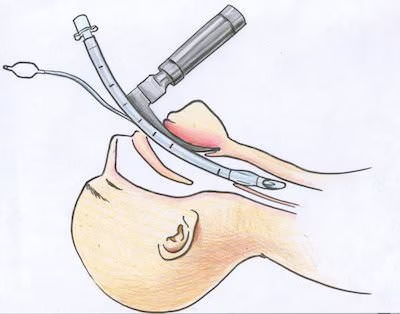
    A “deep” extubation refers to removing an endotracheal tube (ETT) or laryngeal mask airway (LMA) while the patient is still under anesthesia and their airway reflexes (ie, gag) have not returned. Although there are no absolute indications for deep extubation, it’s often performed in pediatric anesthesia, neurosurgery, and ENT cases…
    Read More

  • Double Lumen Endotracheal Tubes (DLT)

    Double Lumen Endotracheal Tubes (DLT)

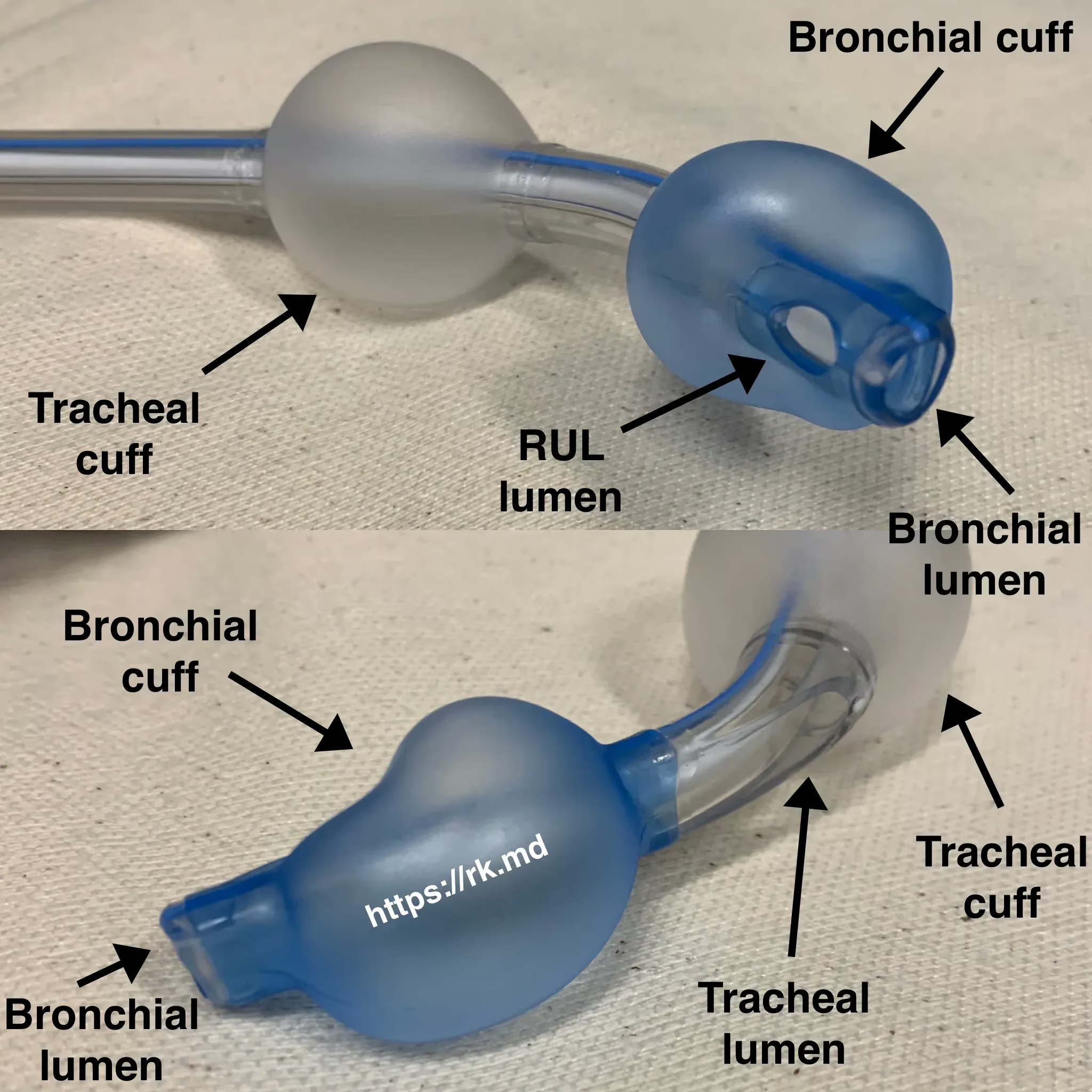
    Double lumen endotracheal tubes (DLTs) are considered the gold standard for lung isolation – a procedure where we selectively ventilate a single lung or lobe. This is necessary to “protect” healthy lung tissue from hemorrhage or infection, isolate a bronchopleural fistula, perform unilateral lung lavage, or facilitate video-assisted thoracoscopic surgeries.

    Read More

  • Who Is Mallampati?

    Who Is Mallampati?

    Dr. S. Rao Mallampati is an anesthesiologist well known for creating one of the most widely accepted pre-operative airway assessments in clinical practice. His original paper correlates the “ability to visualize the faucial pillars, soft palate and base of uvula… as a means of predicting the degree of difficulty in…

    Read More

  • What Is A Rapid Sequence Intubation (RSI)?

    What Is A Rapid Sequence Intubation (RSI)?

    As anesthesiologists, endotracheal intubation is a procedure we routinely do in the operating room but also emergently in patients who have cardiopulmonary arrest, depressed consciousness, impending hypoxemic and/or hypercarbic respiratory failure, or profound respiratory weakness.

    Read More

  • Ventilation and Intubation

    Ventilation and Intubation

    One of the most essential skills of airway management is the ability to bag ventilate a patient. This can be a reassuring sign in the event of an otherwise difficult airway and is something to fall back on if intubation is unsuccessful. That being said, most people don’t want to…

    Read More

  • Tracheal and Subglottic Stenosis Caused By Endotracheal Tubes

    Tracheal and Subglottic Stenosis Caused By Endotracheal Tubes

    Endotracheal intubation is a skill learned by many specialties – anesthesia, emergency medicine, and critical care to name a few – which can have serious repercussions if not performed properly. Once the laryngoscope has been advanced, the hypopharyngeal landmarks identified (vocal cords, piriform sinuses, etc), and the endotracheal tube (ETT)…

    Read More