• Left Ventricular (LV) Thrombus

    Left Ventricular (LV) Thrombus

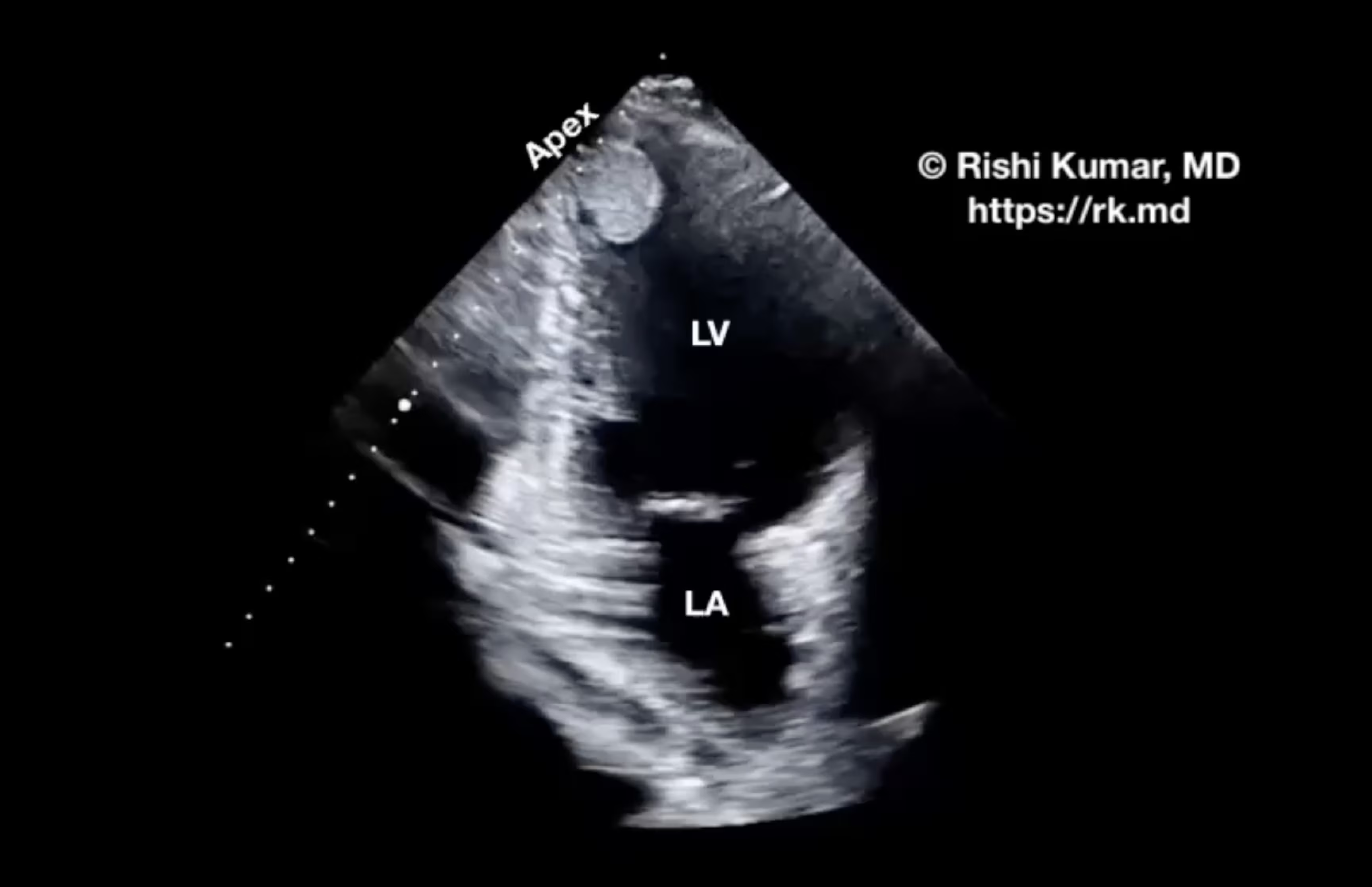
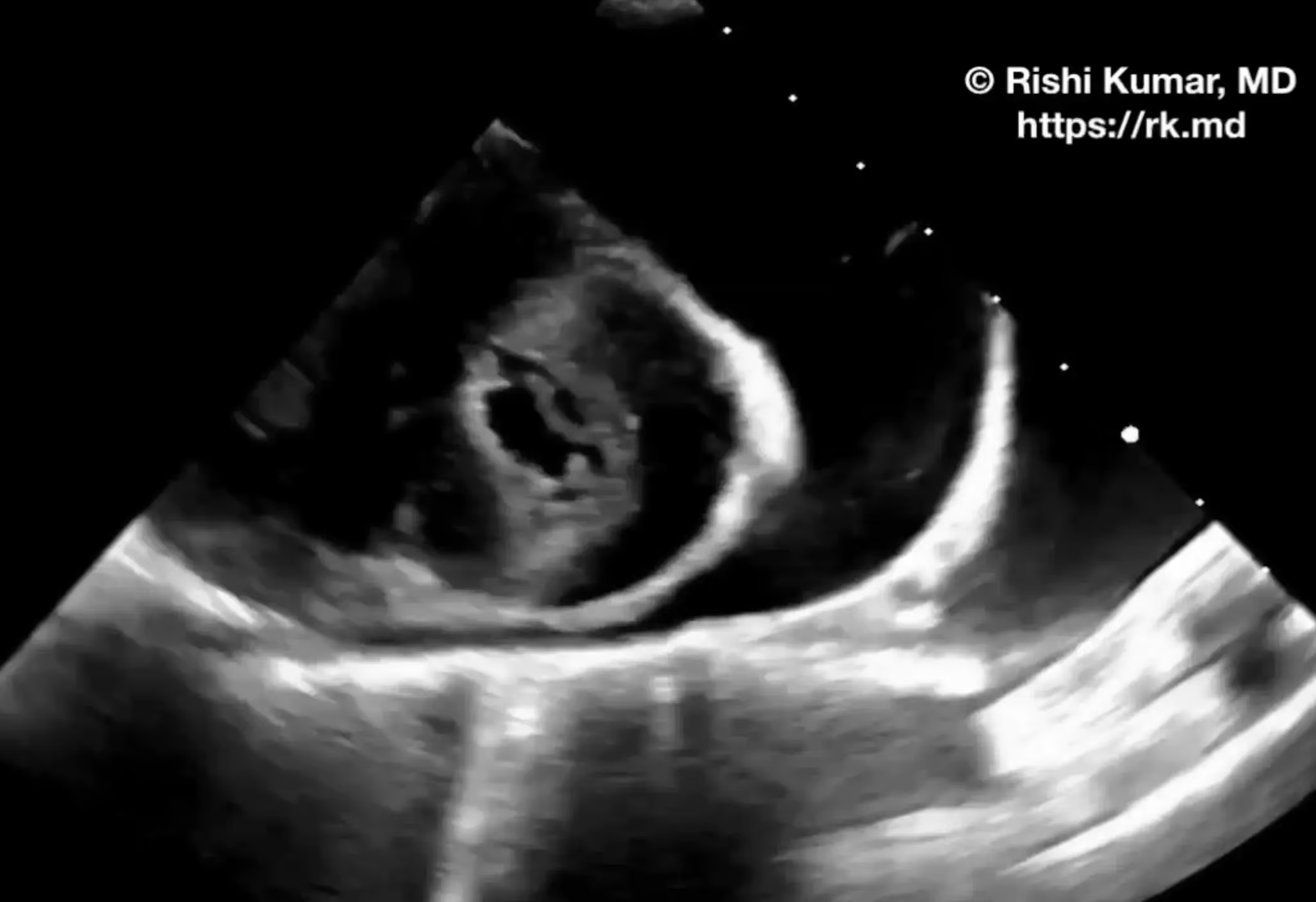
    Left ventricular (LV) thrombus is typically a result of stasis from myocardial hypokinesis/akinesis. A segment of myocardium stops moving, blood lingers in the cul-de-sac of an akinetic apex, and the endocardial surface becomes a scaffold for clot. Large anterior infarctions, end-stage heart failure, and dilated ventricles can set the stage…

    Read More

  • Gerbode Defect

    Gerbode Defect

    Gerbode defects create an abnormal communication between the high-pressure left ventricle (LV) and the right atrium (RA), thereby completely bypassing the right ventricle. That pathway sets up a distinctive left-to-right shunt with hemodynamics that can be subtle or profoundly destabilizing, depending on the size of the communication and the clinical…

    Read More

  • McConnell’s Sign

    McConnell’s Sign

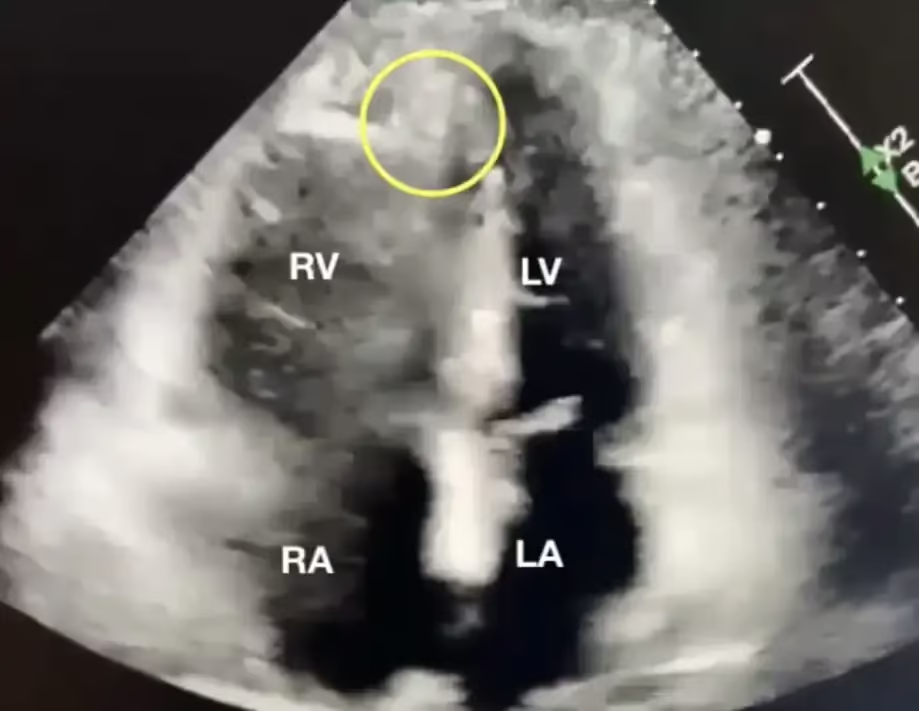
    McConnell’s sign is an echocardiographic finding classically described as akinesis of the right ventricle’s (RV) mid-free wall with preserved apical contractility on echocardiography. It’s often associated with acute pulmonary embolism (PE) and is thought to reflect regional wall motion abnormalities from acute RV pressure overload and tethering of the apex…

    Read More

  • Paravertebral Nerve Block

    Paravertebral Nerve Block

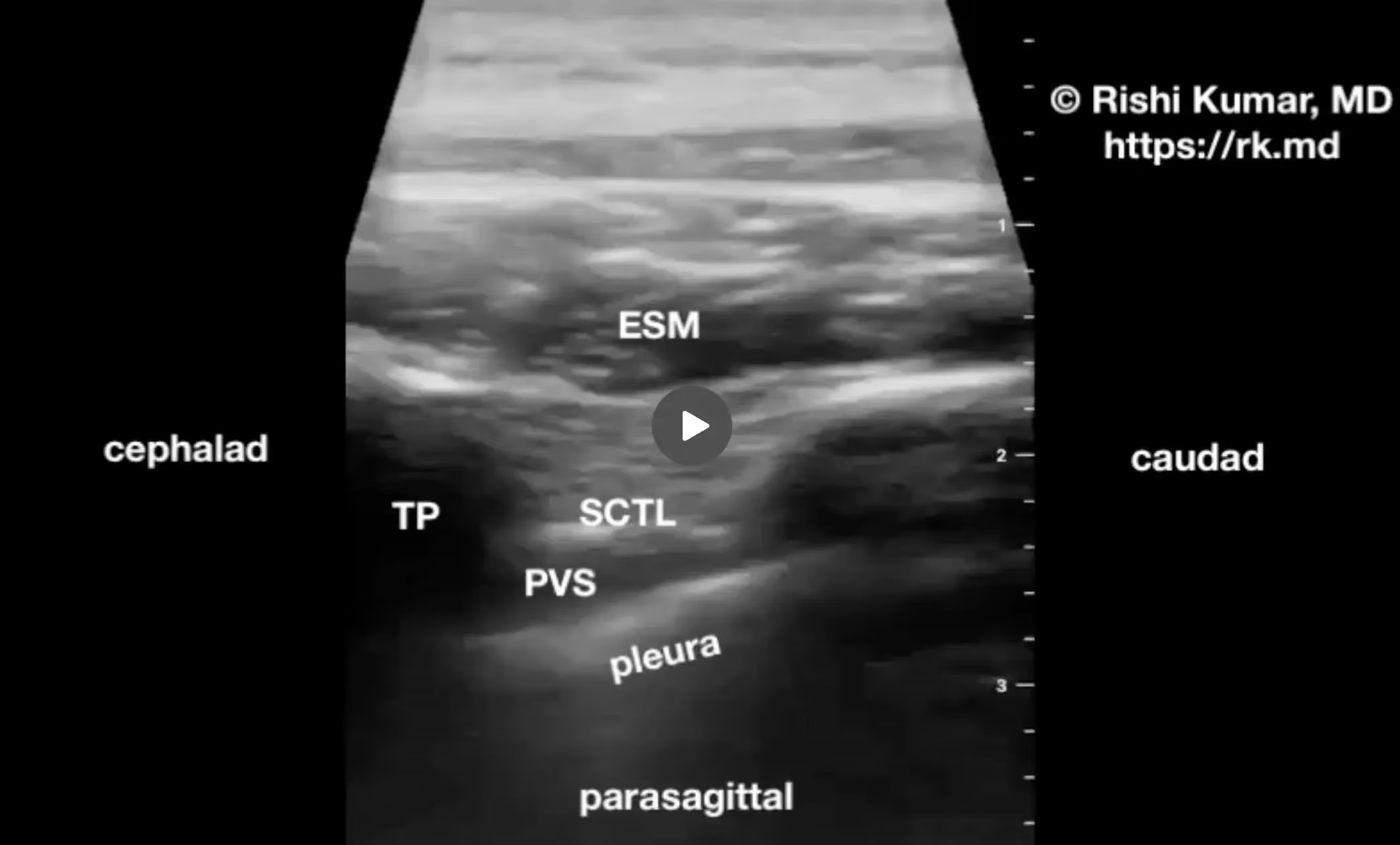
    Paravertebral nerve blocks (PVBs) are regional anesthetic techniques that target the paravertebral space (PVS), where spinal nerves emerge from the intervertebral foramina. They allow for segmental, unilateral anesthesia without the sympathectomy and motor blockade seen in neuraxial techniques. To facilitate extubation in the OR and a shorter overall hospital course,…

    Read More

  • POCUS Lung B-Lines

    POCUS Lung B-Lines

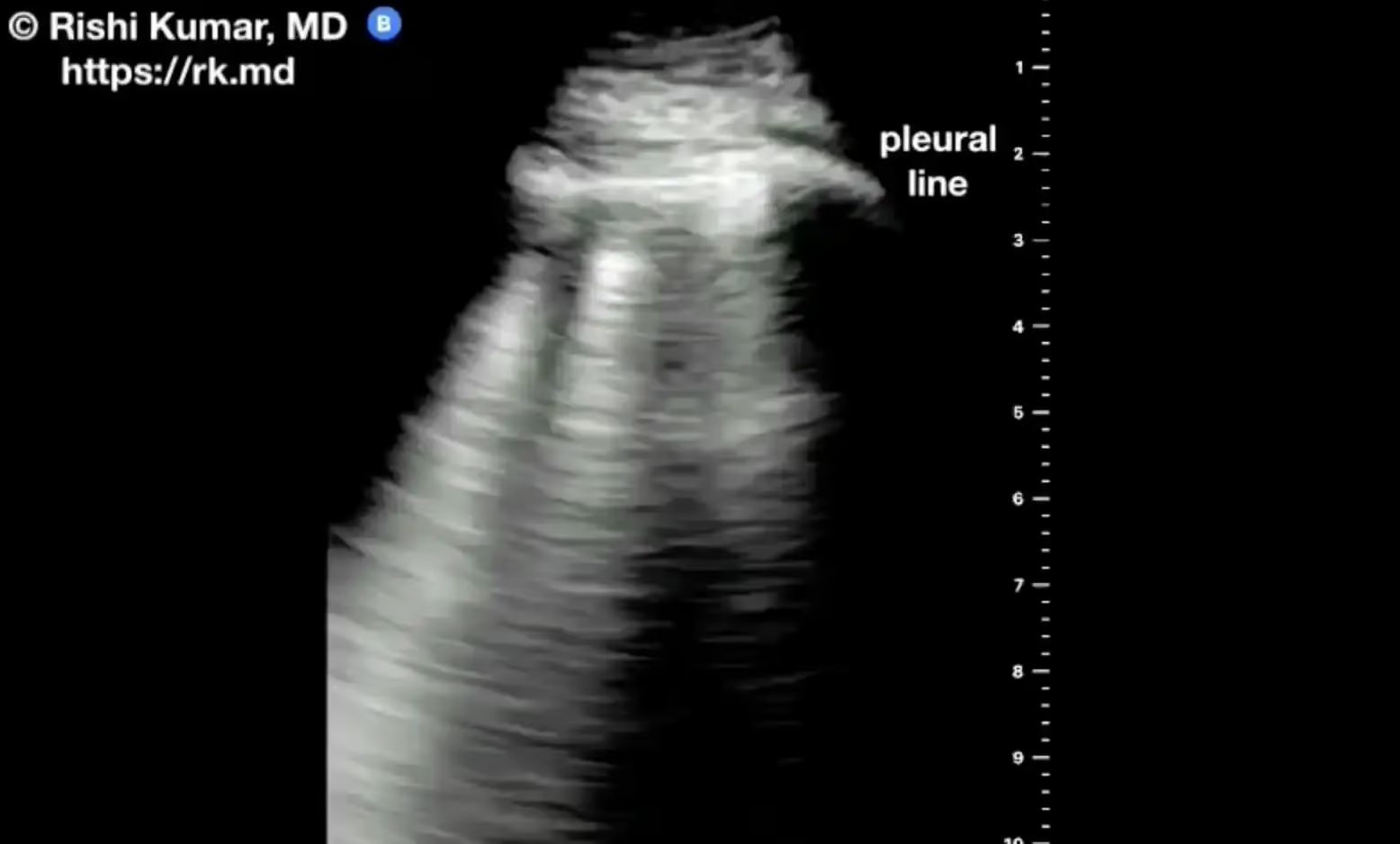
    B-lines are a vertical “comet-tail” artifact seen on lung ultrasound. They represent interstitial edema or increased lung water in thickened subpleural interlobular septa. In other words, B-lines represent fluid in the lungs (e.g., pulmonary edema, heart failure, etc.). When performing lung ultrasound, I use a high-frequency linear probe and begin…

    Read More

  • Pericardial Window

    Pericardial Window

    A pericardial window is a surgical procedure designed to relieve pressure caused by fluid accumulation around the heart, known as pericardial effusion. This fluid can lead to cardiac tamponade, a life-threatening condition where the heart’s ability to fill and maintain a cardiac output is jeopardized. Compared to a pericardiocentesis, where a needle is…

    Read More

  • Quadricuspid Aortic Valve

    Quadricuspid Aortic Valve

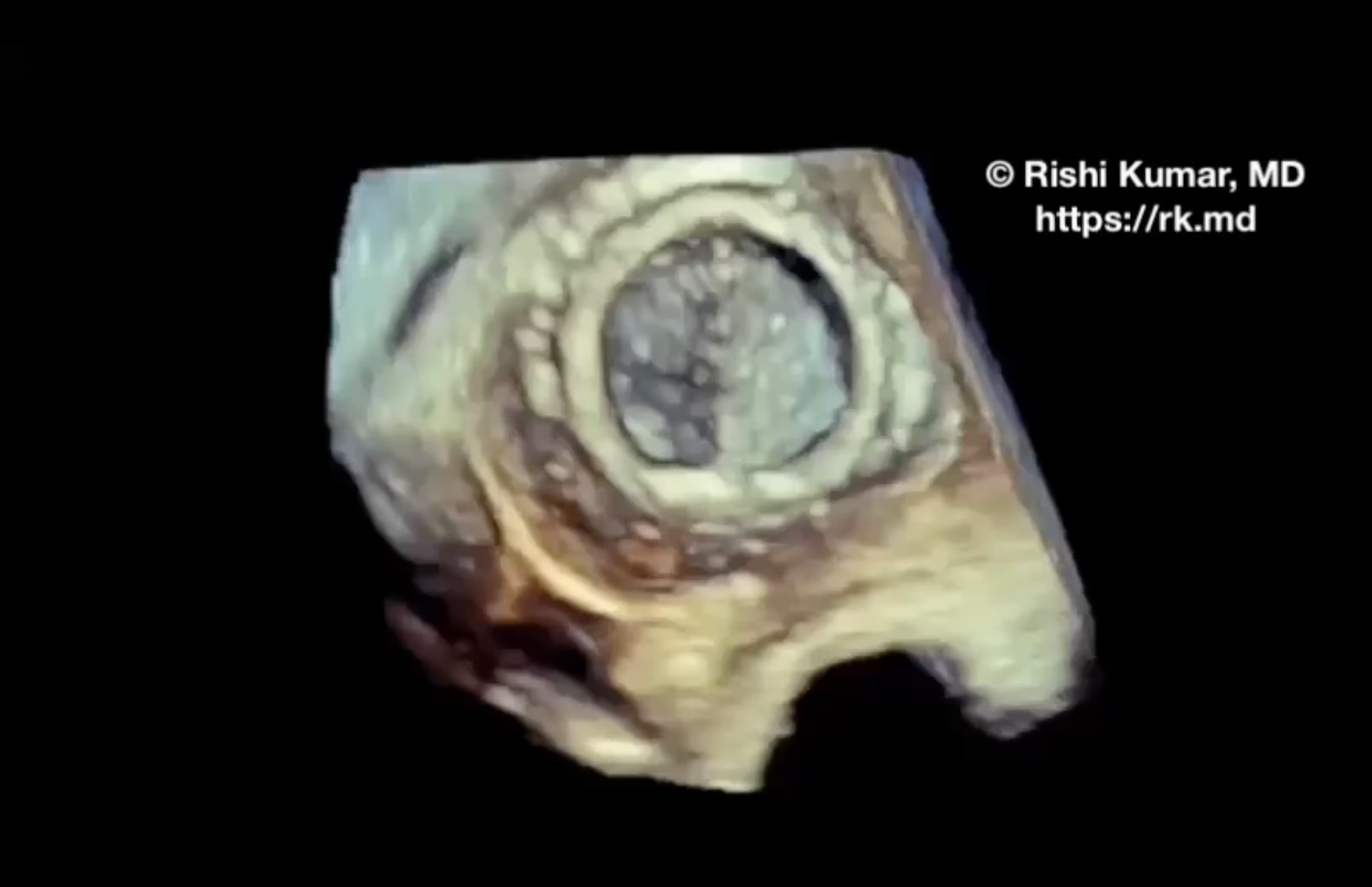
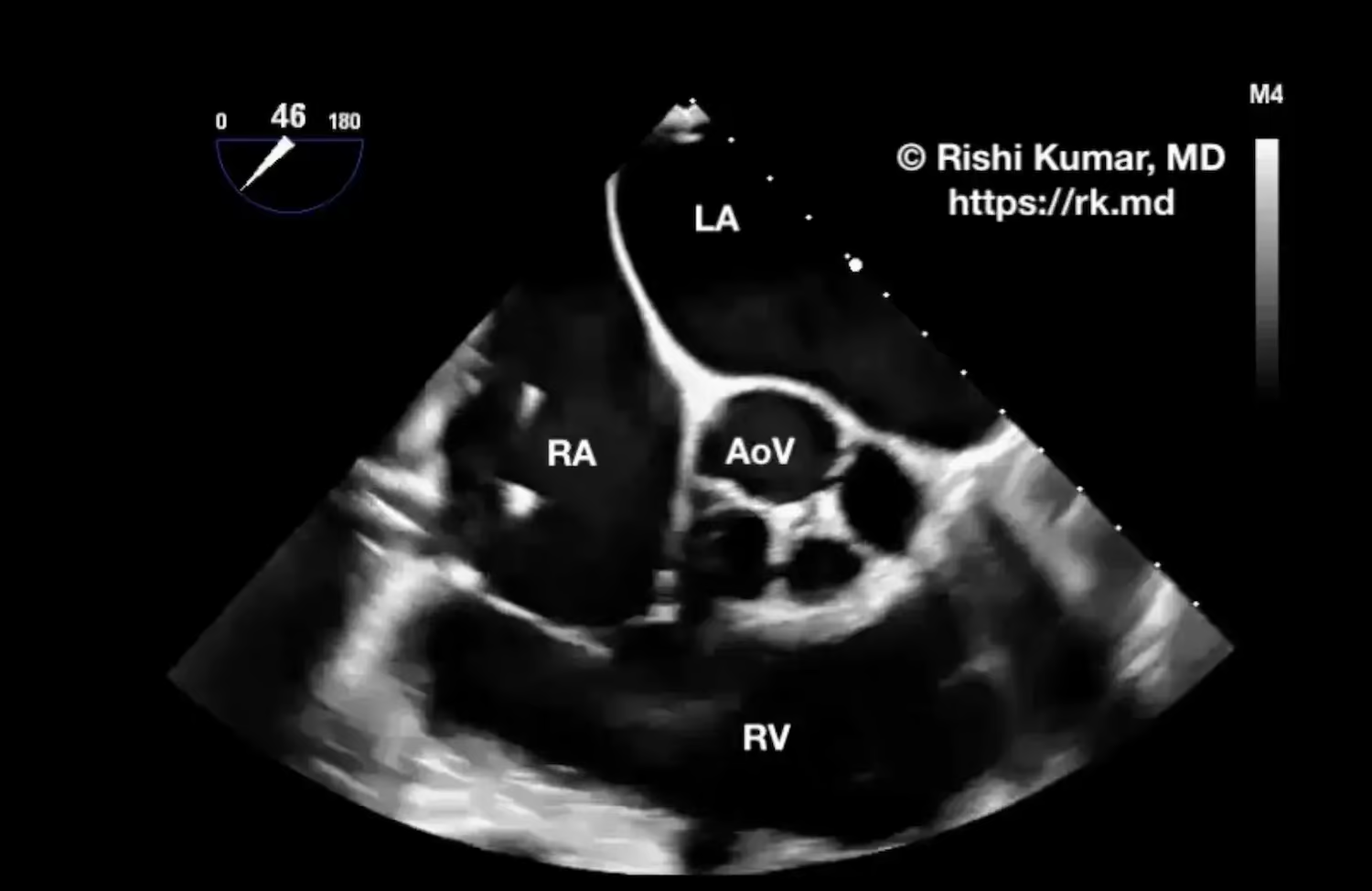
    The normal aortic valve is trileaflet and comprised of the non, left, and right coronary cusps. Quadricuspid aortic valve (QAV) is an extremely rare malformation occurring in only 0.008% of autopsies and 0.043% of cases examined through echocardiography. Hurwitz and Roberts proposed seven classes of QAV based on the arrangement…

    Read More

  • Aortic Dissection Flap Fenestrations

    Aortic Dissection Flap Fenestrations

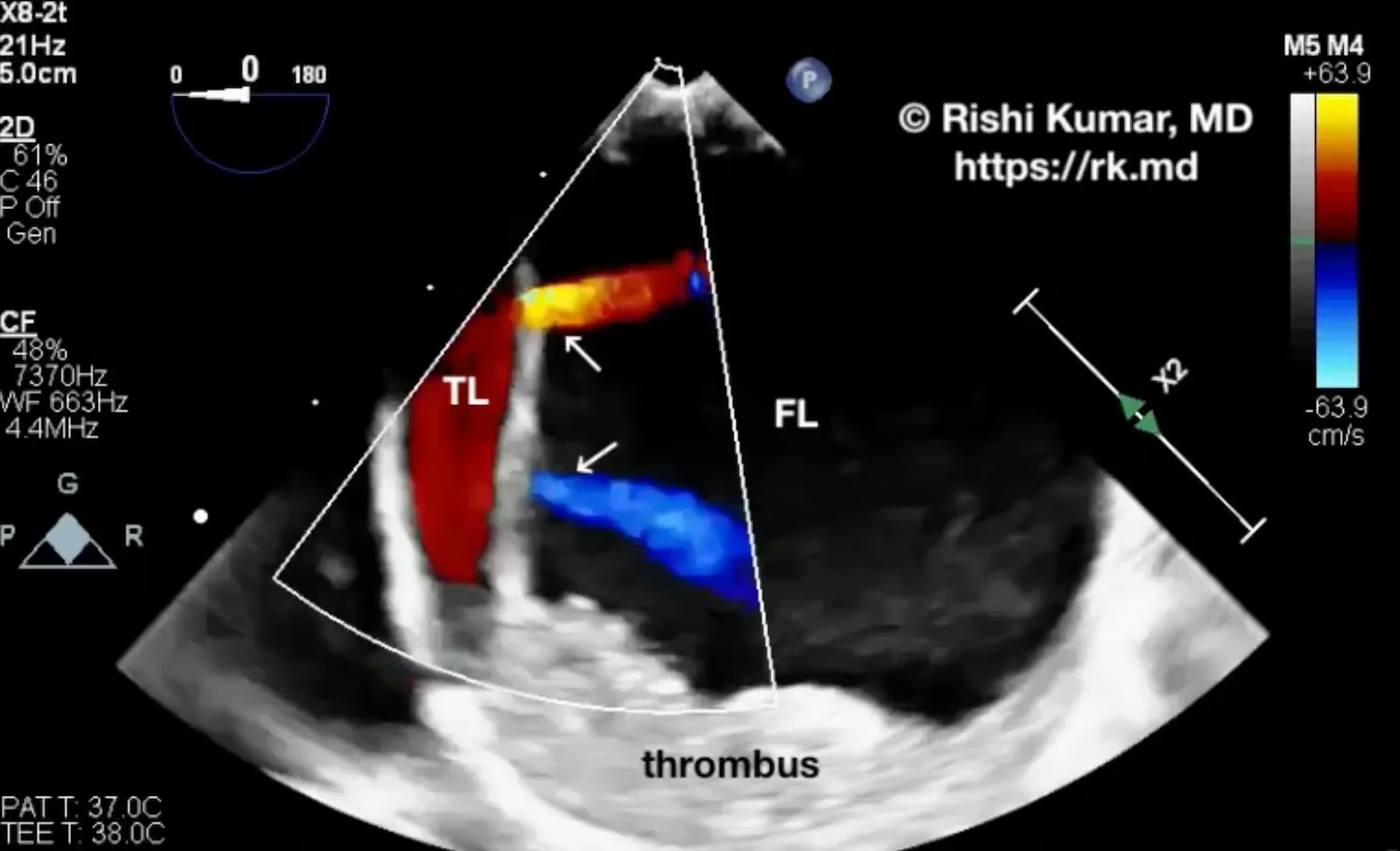
    Aortic dissection is a life-threatening condition characterized by a tear in the innermost layer of the aorta (tunica intima), permitting blood to enter and separate the intima from the aorta’s middle layer (tunica media). This event creates a false lumen (FL) alongside the true lumen (TL) of the aorta. Typically,…

    Read More

  • Concentric Left Ventricular Hypertrophy

    Concentric Left Ventricular Hypertrophy

    Concentric left ventricular hypertrophy (LVH) is characterized by adaptive thickening of the myocardium in response to pressure overload from chronic hypertension or aortic valve stenosis. LVH can also be seen in genetic conditions like Fabry disease or hypertrophic cardiomyopathy with chaotic sarcomeric disarray at the cellular level. LVH leads to…

    Read More

  • Pulmonary Velocity Acceleration Time (PVAT)

    Pulmonary Velocity Acceleration Time (PVAT)

    Pulmonary velocity acceleration time (PVAT), measured in milliseconds (ms), can be used to estimate pulmonary artery pressure (PAP) when a tricuspid regurgitation jet is difficult to locate or cannot be accurately interrogated with Doppler. In this parasternal short-axis transthoracic echo view directed anteriorly and to the patient’s right, pulsed-wave Doppler…

    Read More