
This post was updated in January 2026 based on the IRS limits for 2026.
A Roth individual retirement account (IRA) allows annual contributions of up to $7,500 for 2026. Contributions are made with post-tax funds, which can be invested in individual stocks, REITs, index funds, etc. Withdrawals after age 59 1/2 are tax-free on capital gains, leveraging the benefit of long-term compounding.
There are limits on Roth IRA contributions based on one’s modified adjusted gross income (MAGI). For example, in 2024, a single individual with a MAGI > $161,000 could not traditionally contribute to a Roth IRA. Enter the backdoor contribution.
I have several accounts within Fidelity, including a traditional IRA and a Roth IRA. You will need both kinds of accounts before proceeding. One can contribute to the previous year’s traditional IRA until April 15th of the current year. For example, I can contribute to my Roth for 2025 anywhere from January 1, 2025 – April 15th, 2026.
In this post, I outline how I perform this task through Fidelity.
Fair warning: I’m not a tax or financial expert, and these steps may need to be altered depending on your specific circumstances.
Step 1: Contribute To Traditional IRA
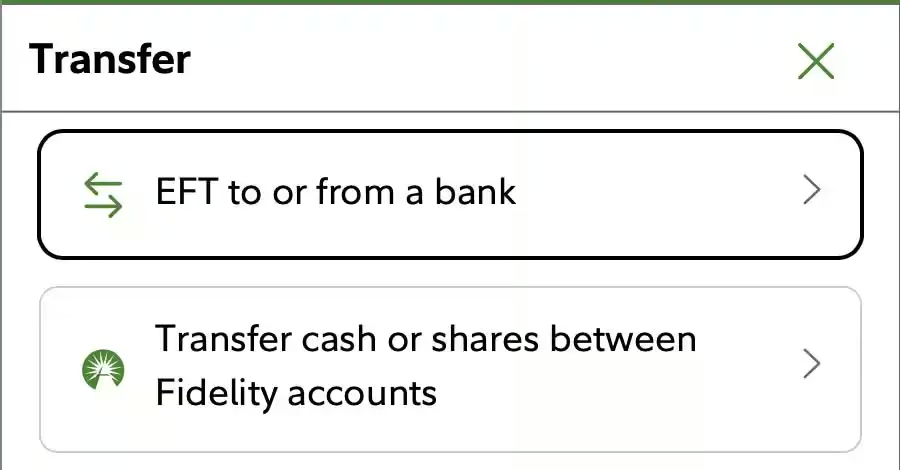
After logging in, to go Transfer → EFT to or from a bank (if moving funds from checking) or Transfer cash or shares between Fidelity accounts (if moving uninvested funds from another Fidelity account).
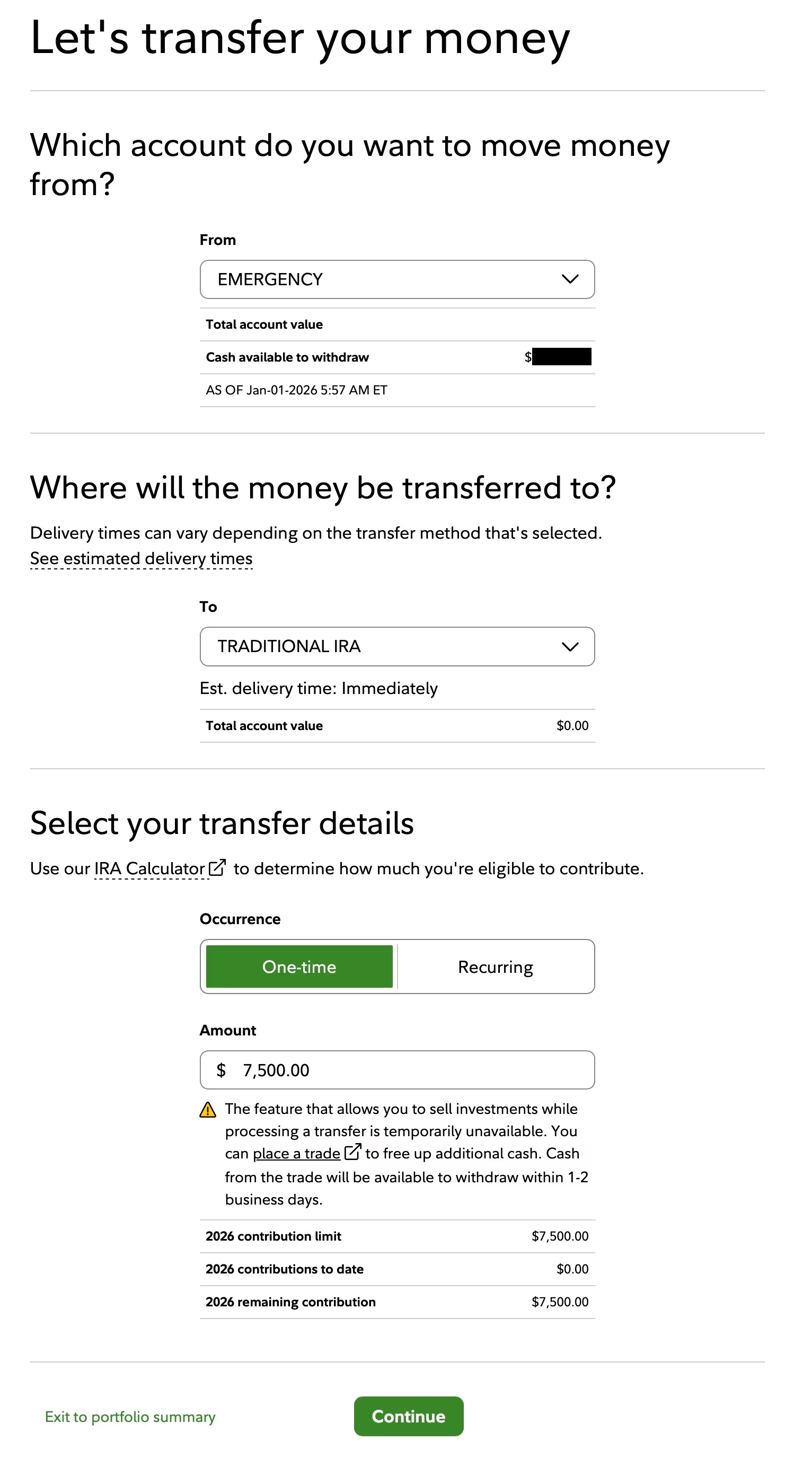
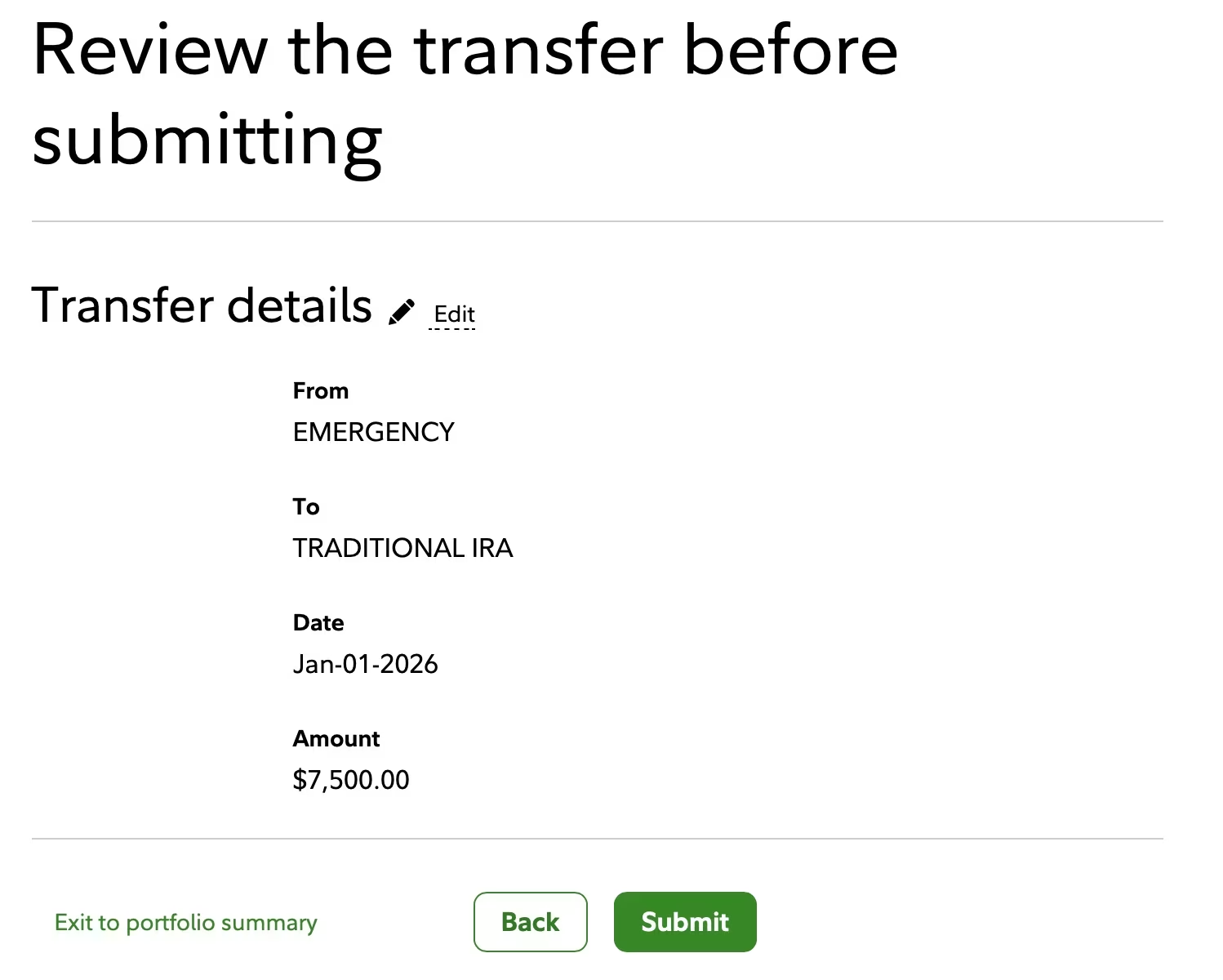
Next, you’ll specify the account you want to transfer from, the destination as your Traditional IRA, make the occurrence one-time, and the amount the maximum contribution limit for the year. Verify the transfer and submit. Before anyone comments, I have a taxable brokerage account (“Emergency”) with money market funds earmarked for the Roth contribution each January.
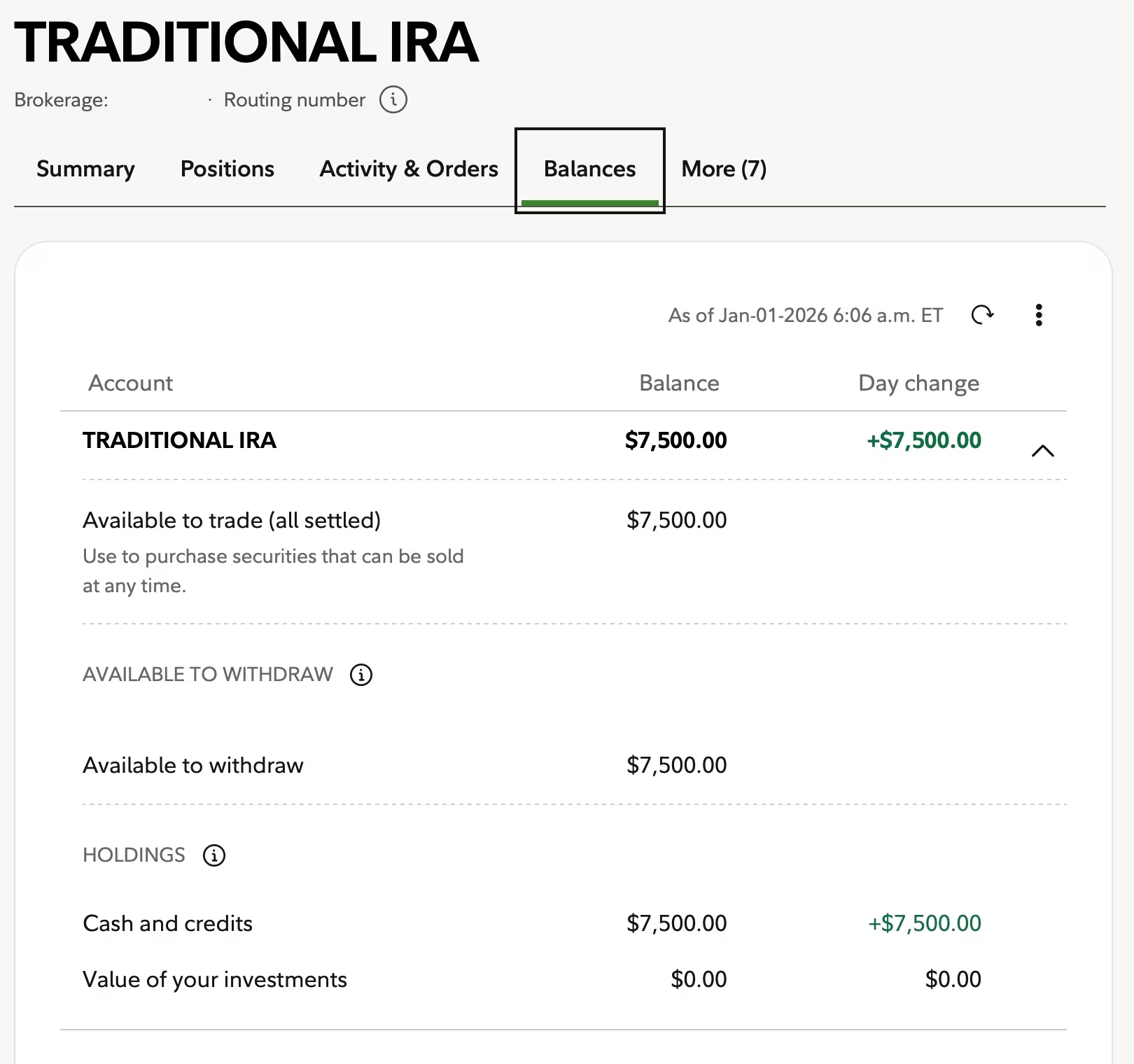
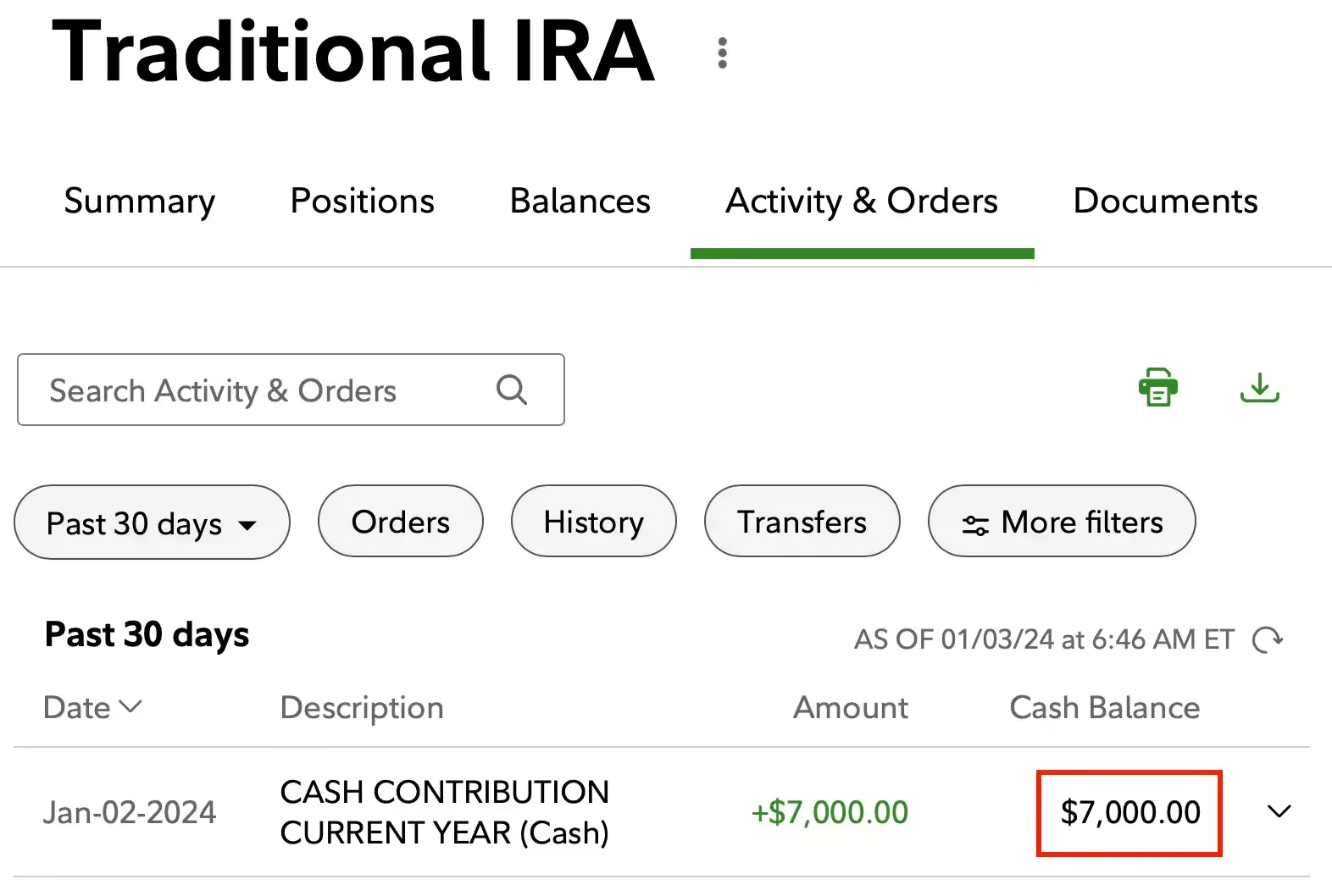
Anecdotally, funds have taken 1-2 business days to settle in the Traditional IRA depending on where you’re transferring from. Go to the Traditional IRA and click the Activity & Orders tab to check. If “cash balance” indicates “processing,” the funds haven’t settled. Wait until it displays your entire balance, as shown below in red for my contribution for 2024, before proceeding.
Step 2: Roth Conversion
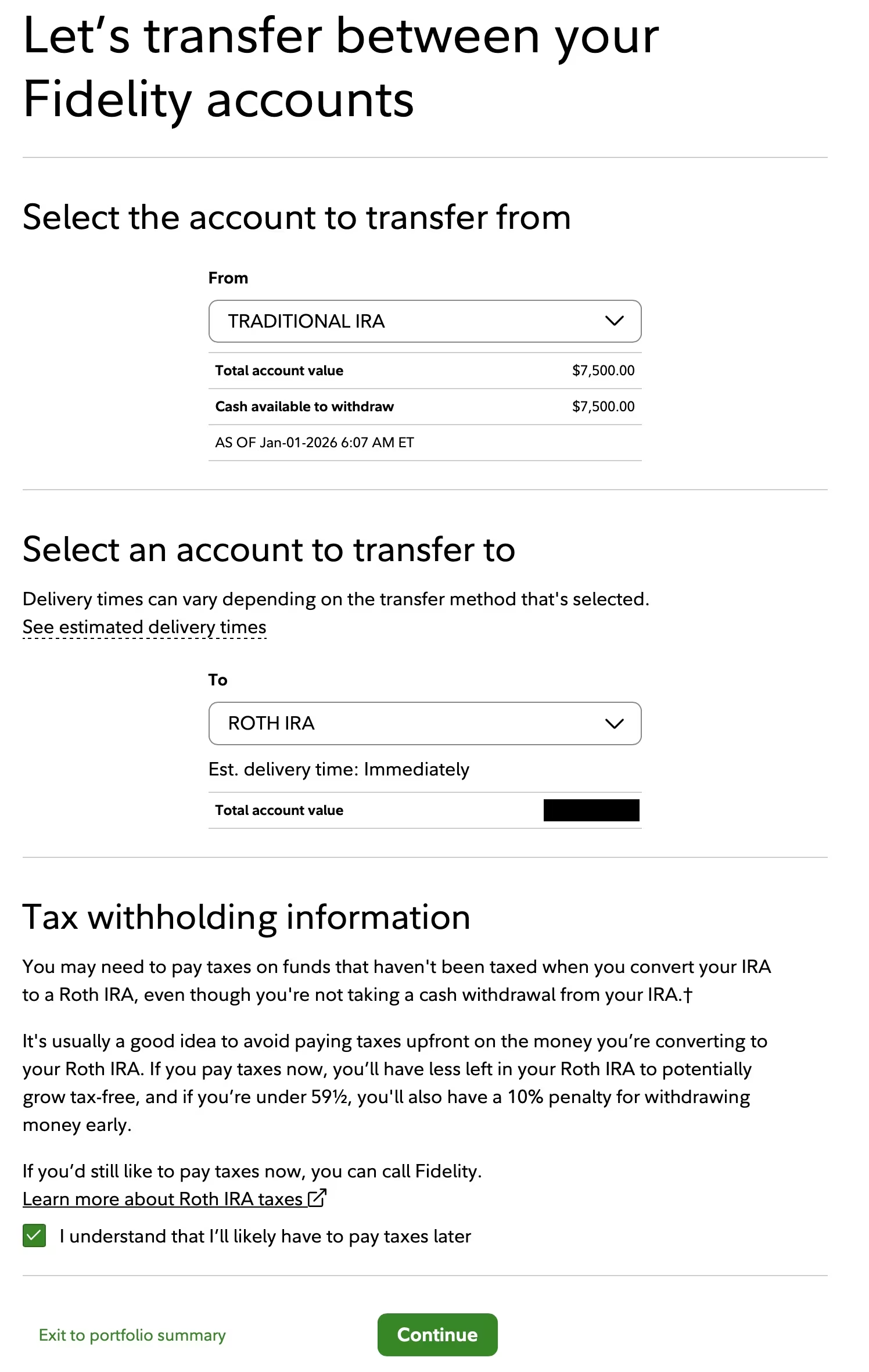
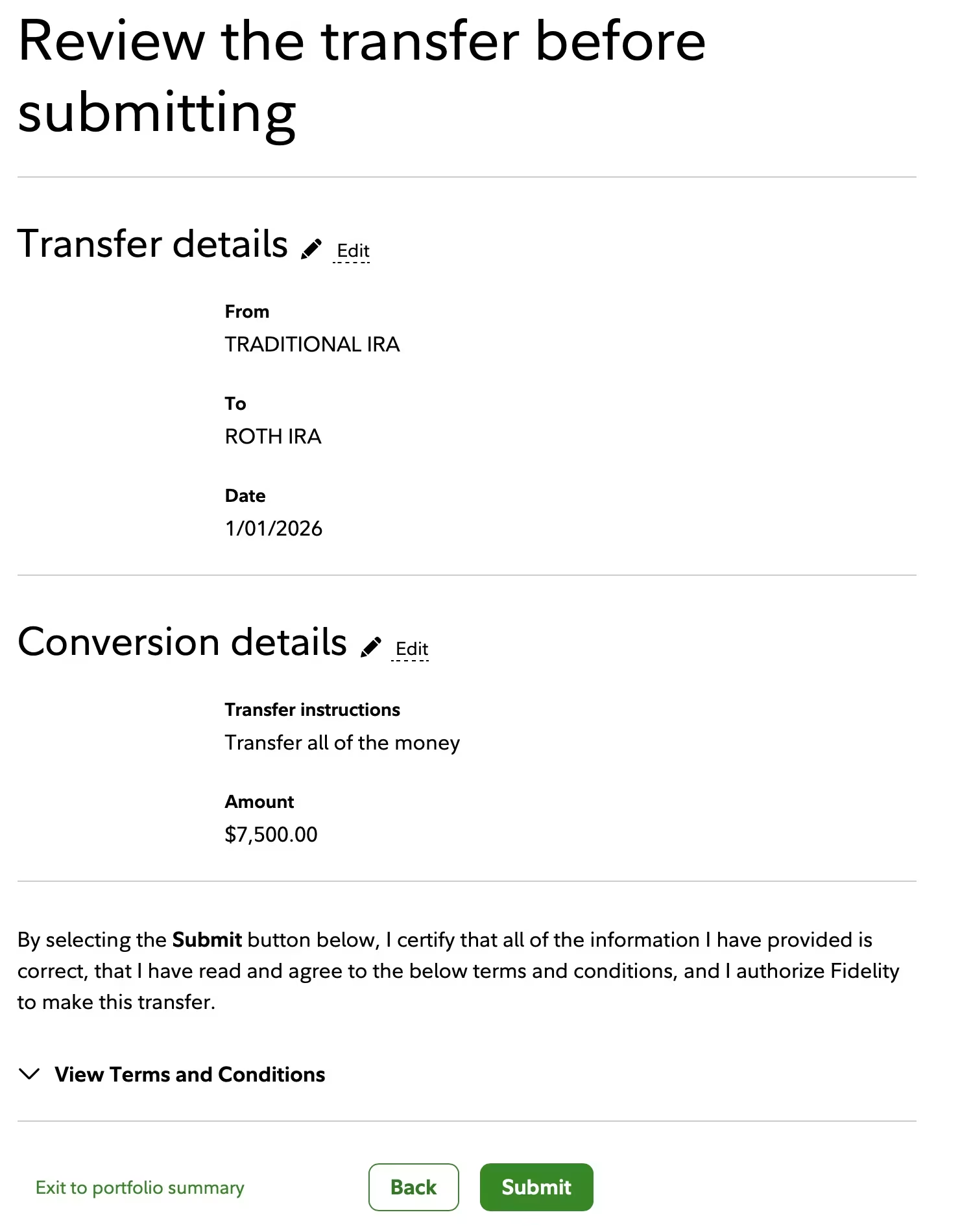
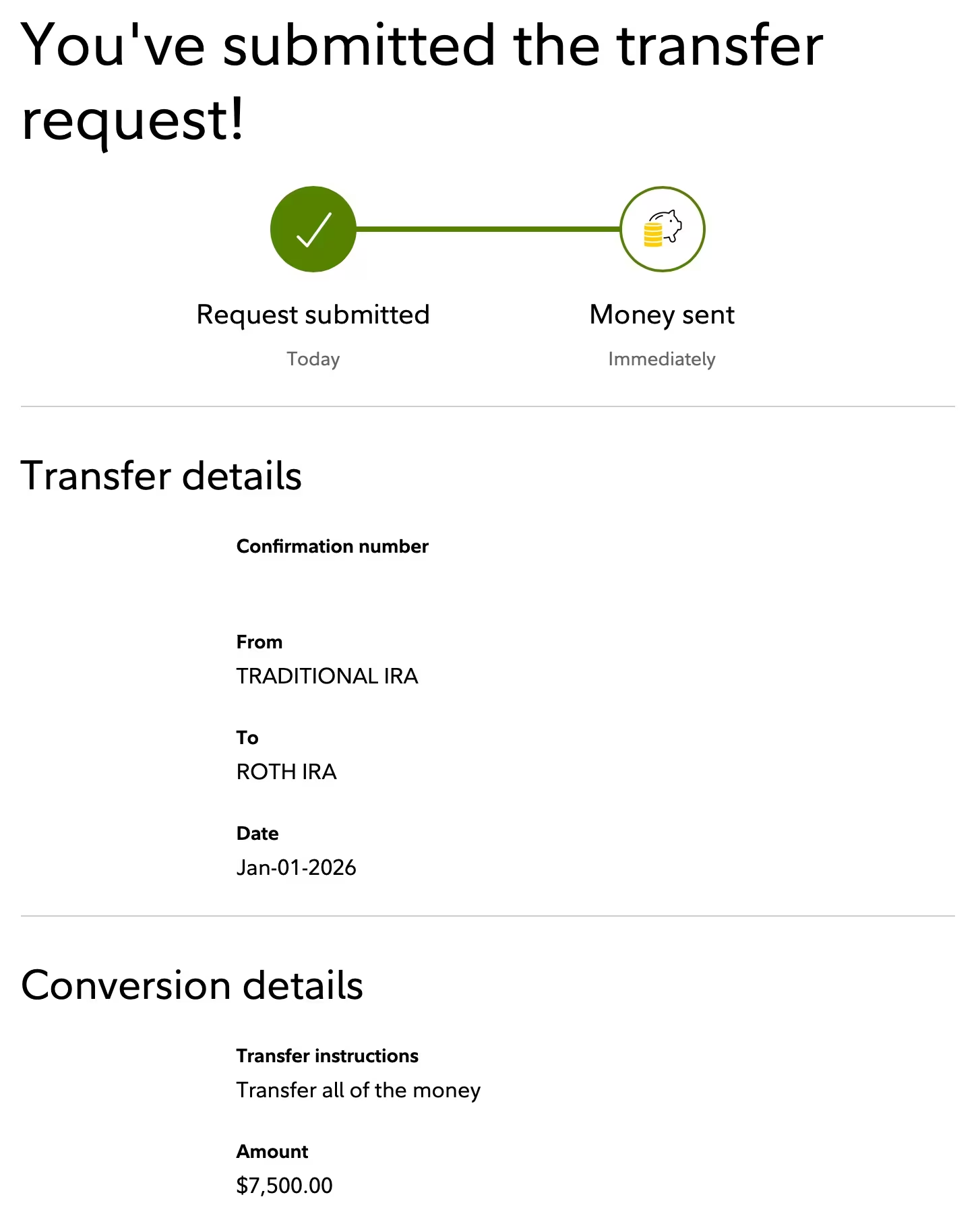
Go back to the Transfer option at the top of the Fidelity page. Then click Transfer cash or shares between Fidelity accounts to perform a Roth Conversion by transferring funds from the Traditional IRA to the Roth IRA.
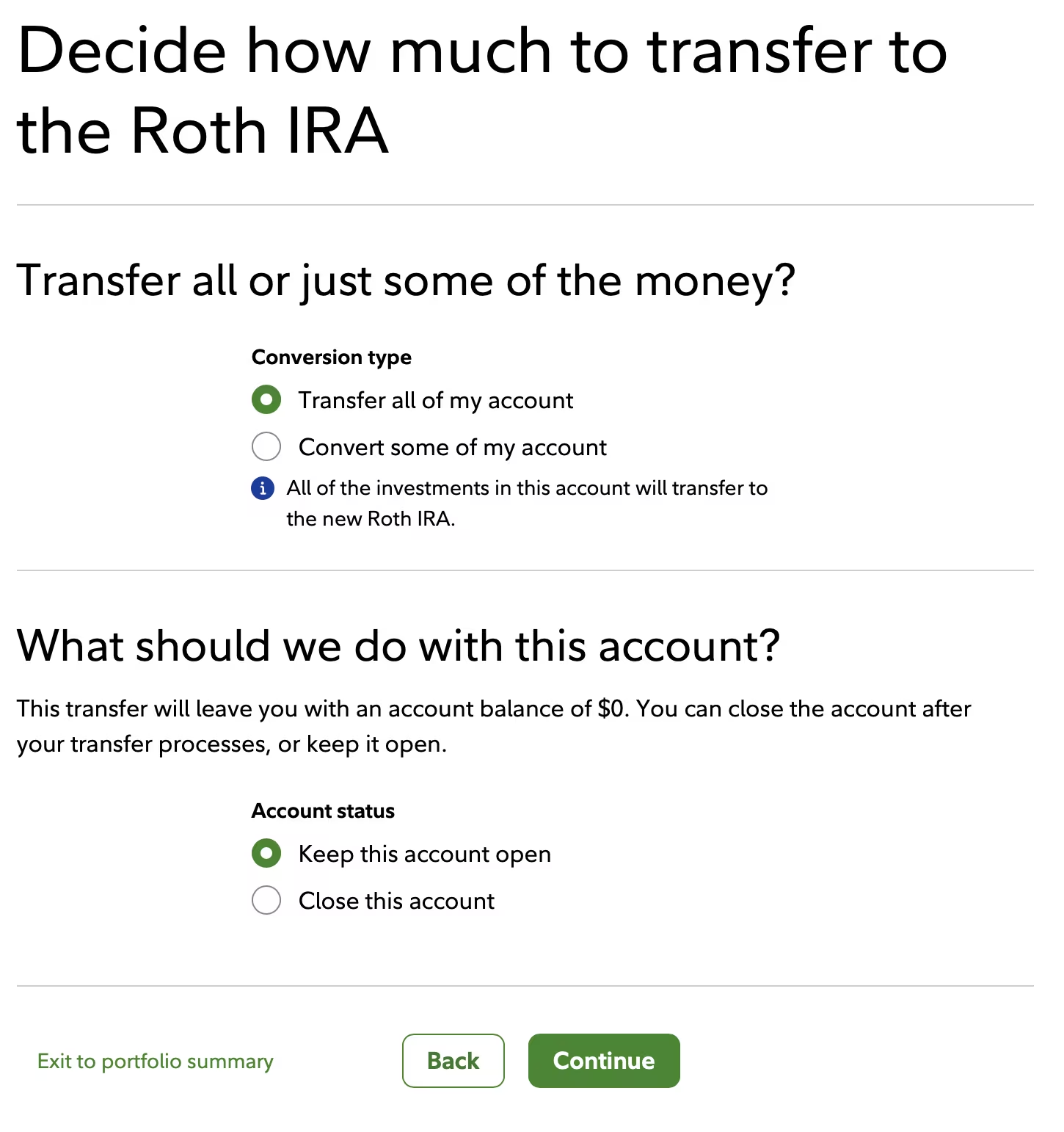
Convert the full amount from the traditional IRA to the Roth IRA annually, ensuring the traditional IRA balance is $0 throughout the year, except during the brief 1-3 days of Roth conversion. Keep the traditional IRA open for future backdoor Roth contributions. If you get an error like “We’re unable to process your transaction because you have another request in progress. To continue, wait until your request is complete.”, it’s probably because the funds from Step 1 haven’t settled yet. Wait a day and try again.
Step 3: Invest Roth Funds
Once the funds have settled in the Roth IRA, I’ll invest in exchange-traded funds (ETFs) like Vanguard’s Total Stock Market ETF (VTI, 0.03% expense ratio, represents the United States’ total stock market) and Vanguard Total International Stock ETF (VXUS, 0.05% expense ratio, represents the international market). This process is outside the scope of this article, but please drop me a comment if you have questions. Please don’t forget to invest your funds!
Step 4: IRS Form 8606
I complete IRS form 8606 for nondeductible IRAs every year. The only variation is the contribution amount, which I adjusted to match the annual maximum. Here’s an example of my 2023 form, when the Roth limit was $6,500. Each year, I change all instances of “6,500” to whatever the contribution limit is (e.g., 7,500 in 2026).
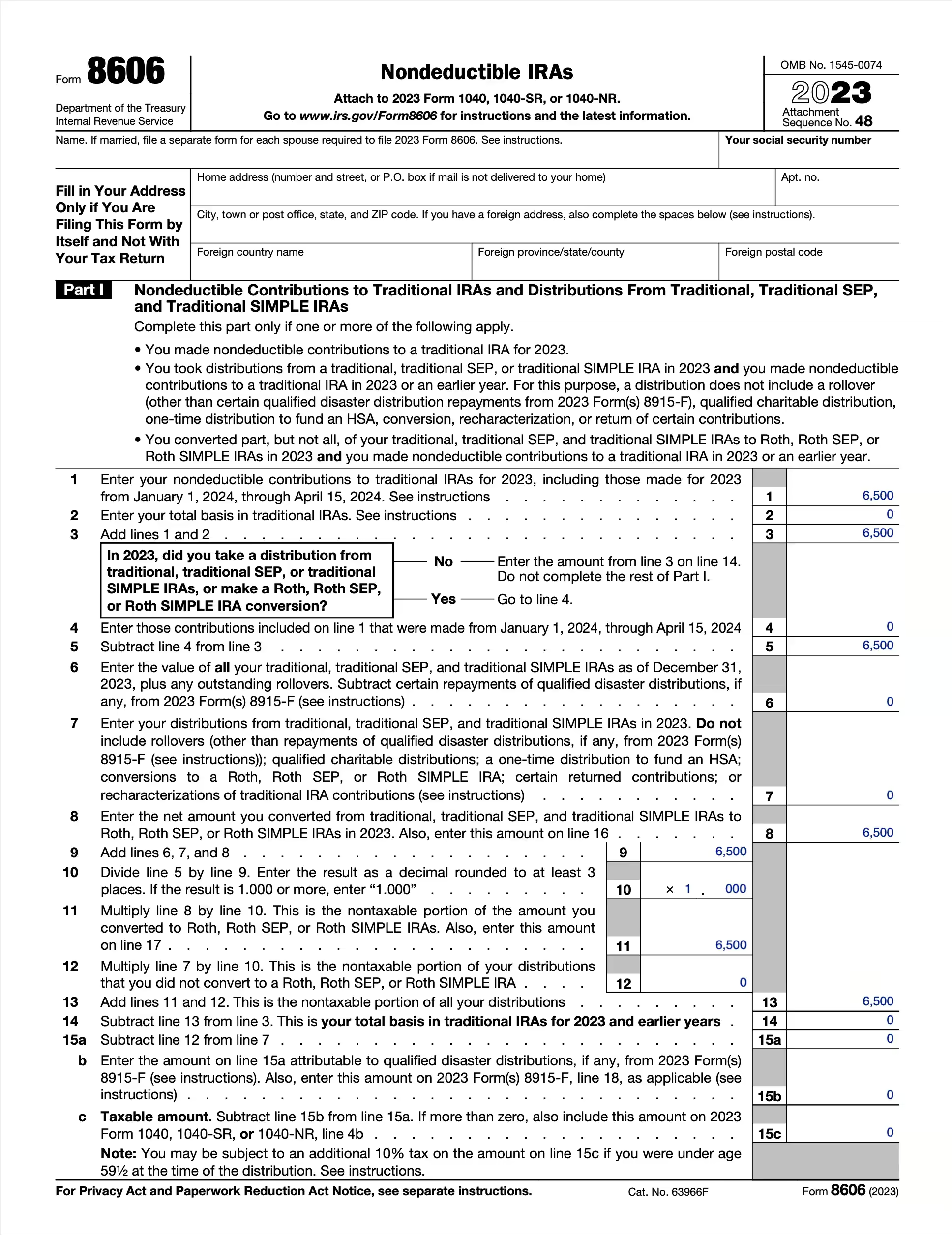
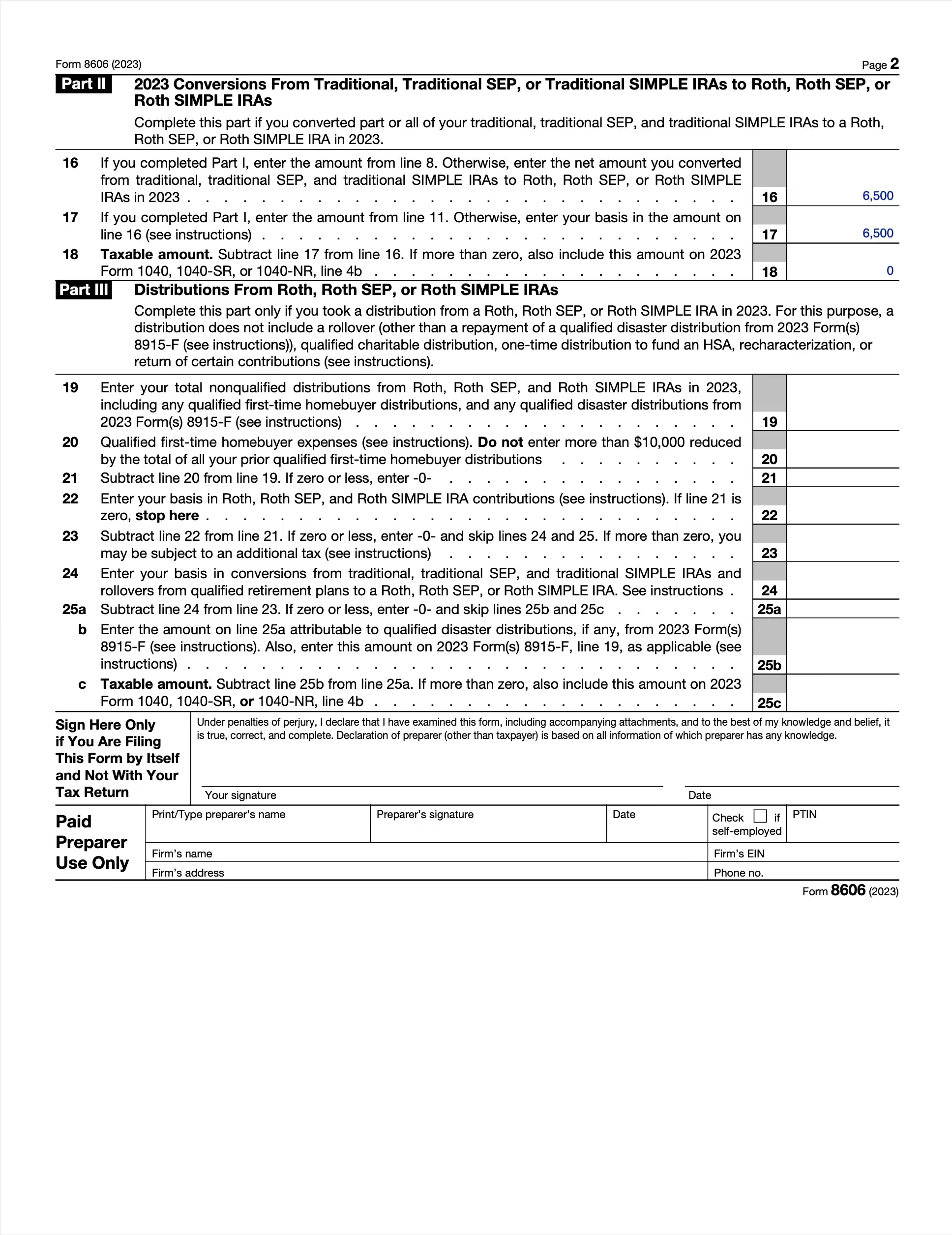
It’s easier to make contributions and conversions in the same calendar year as taxes. In other words, if I try to contribute to my 2023 taxes by going through the process above in January 2024, my 8606 tax form becomes a little more complicated. Instead, I complete the contribution AND conversion process in January as part of my yearly tasks – membership/subscription renewals, looking for competitive rates on utilities, rebalancing my portfolio, etc.
Drop me a comment below with your questions and experiences regarding Roth IRAs!




Leave a Reply