
Premature atrial complexes (PACs) are something I’ve explained to trainees and patients for years, but about a week ago, I started having them following a really rough stretch in the CVICU. As a cardiac anesthesiologist and intensivist, I know how common PACs are and how often they are benign, but when the rhythm is yours, physiology becomes personal very quickly.
I stopped all caffeine, slept more, hydrated more, and started magnesium supplementation. Although the PAC burden decreased over a few days, they were symptomatic and, quite frankly, becoming a hindrance to my activity. I reached out to one of my electrophysiology colleagues, who was kind enough to schedule a clinic appointment for the next day.
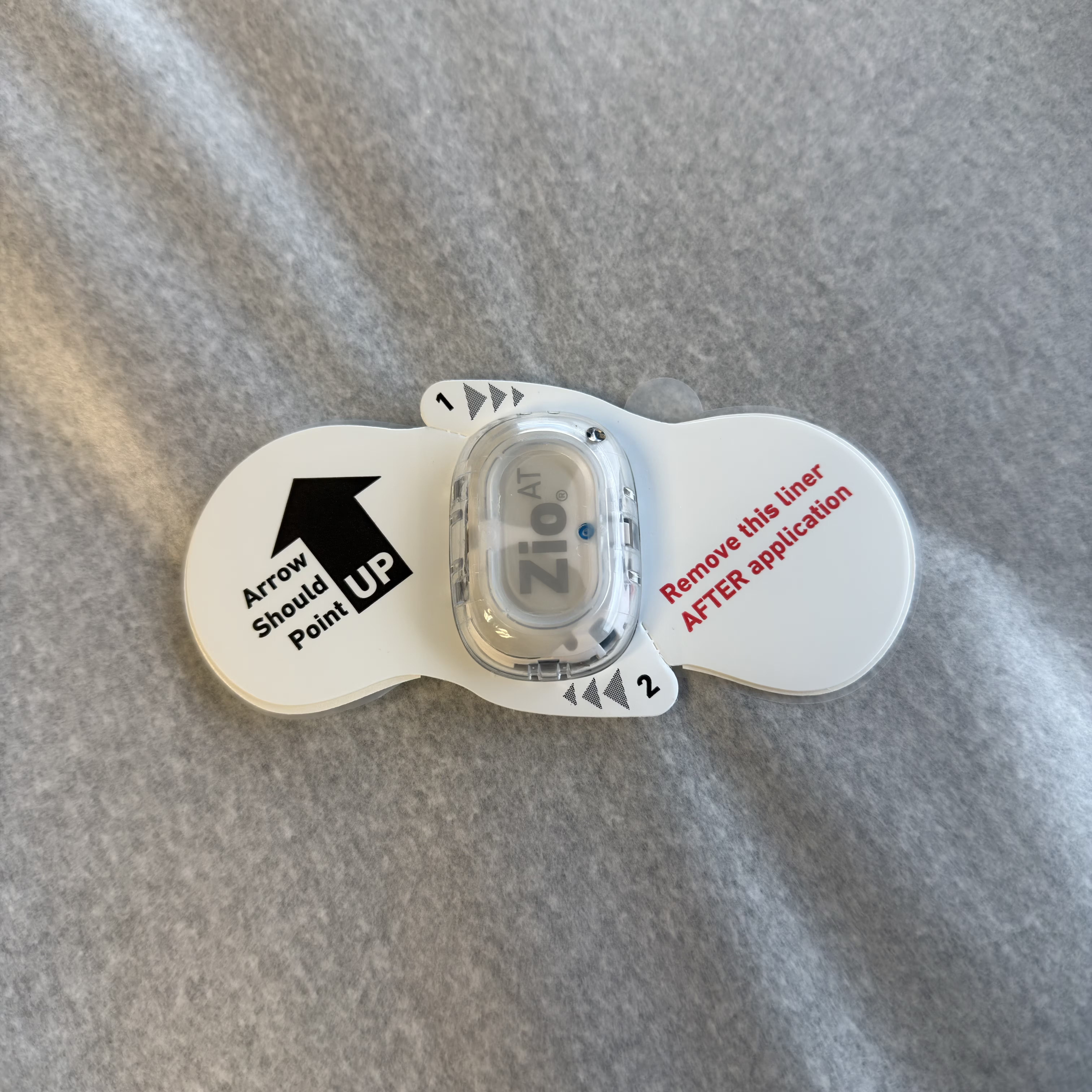
After the clinic visit, which deemed my heart structurally normal and my vitals within the normal range, they asked me to wear an iRhythm Zio AT cardiac monitor to better characterize the burden and pattern of my PACs. Over days of normal life, it quietly collects data that no snapshot ECG ever could. This kind of continuous ambulatory monitoring is incredibly powerful. It captures context, frequency, and correlation with symptoms rather than a single moment in time.
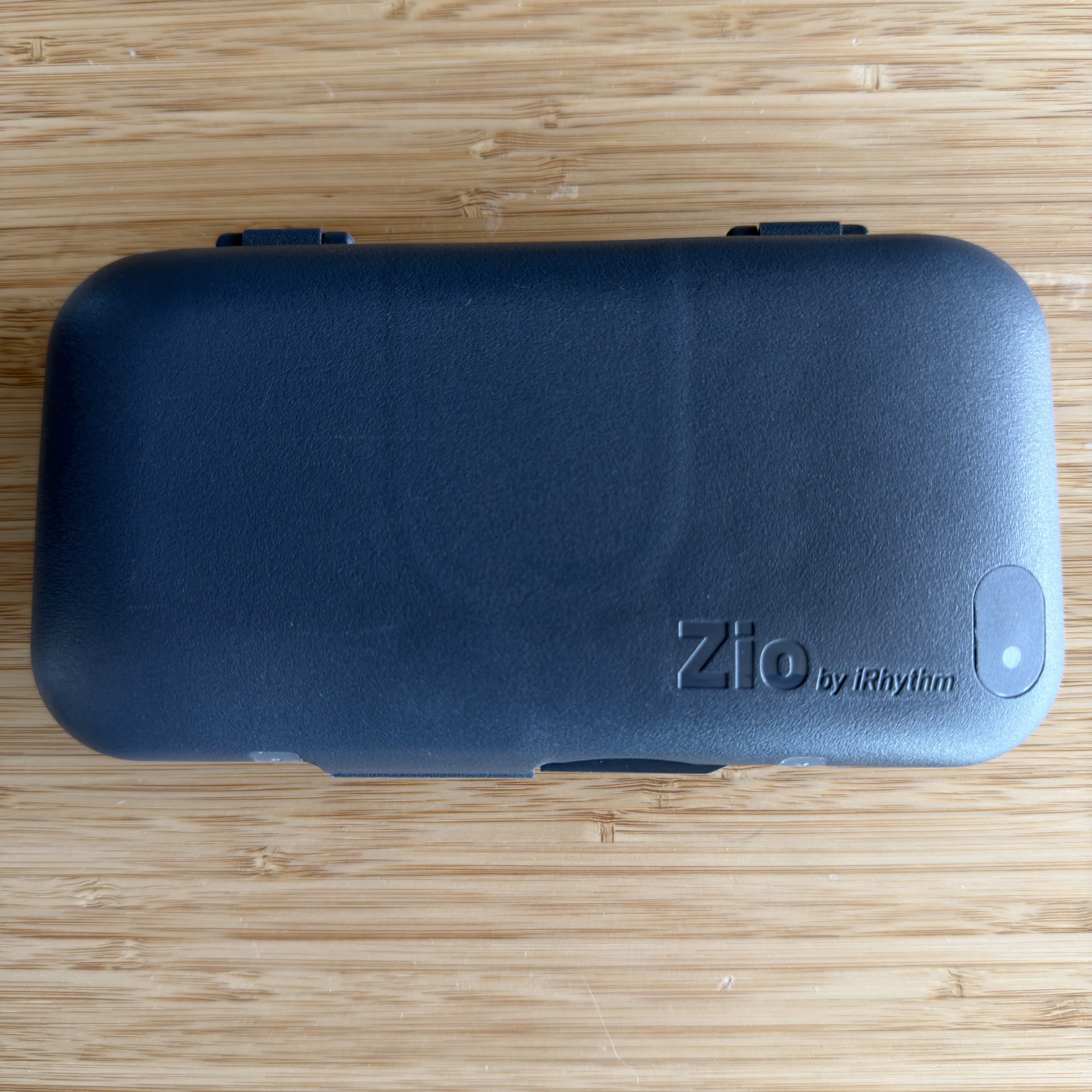
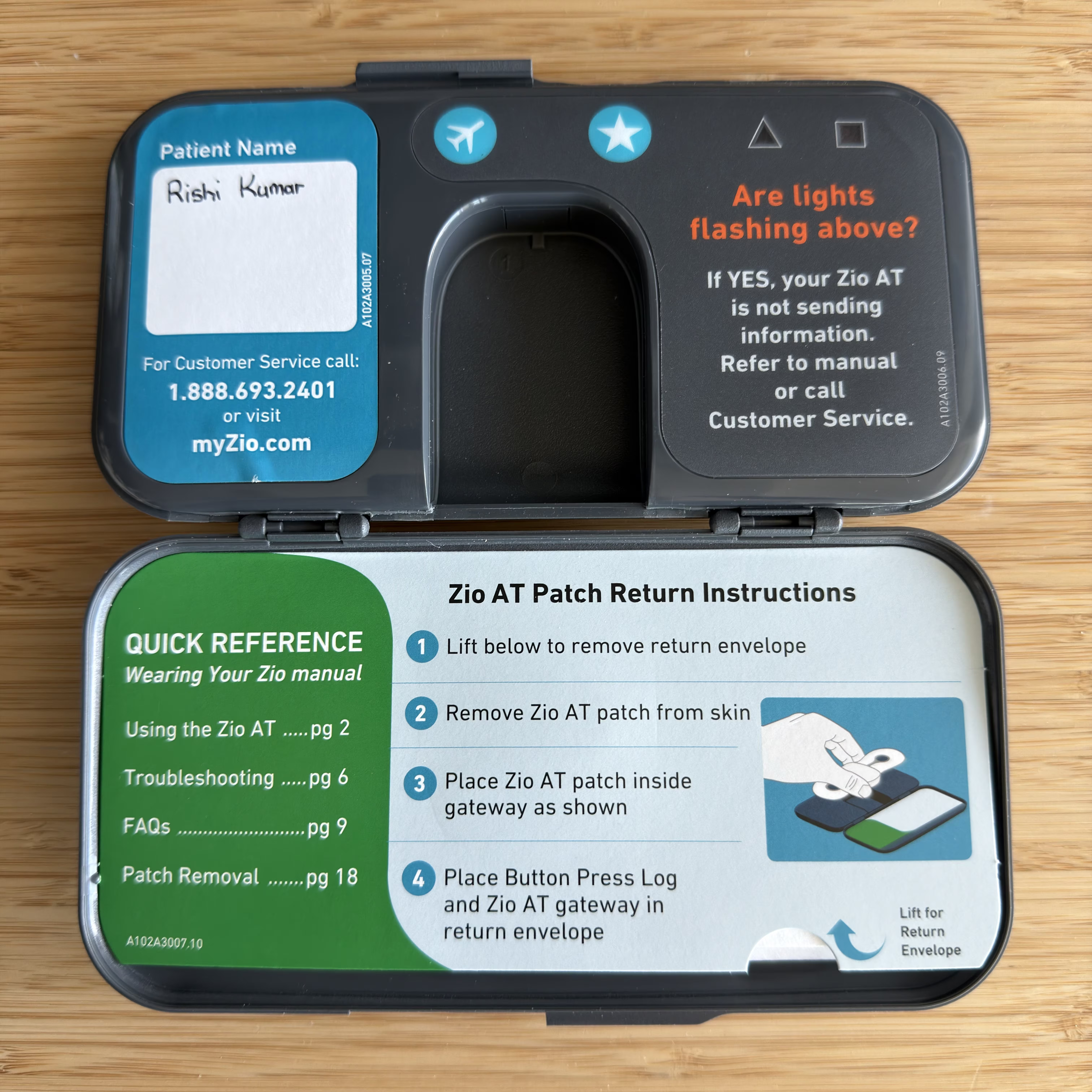
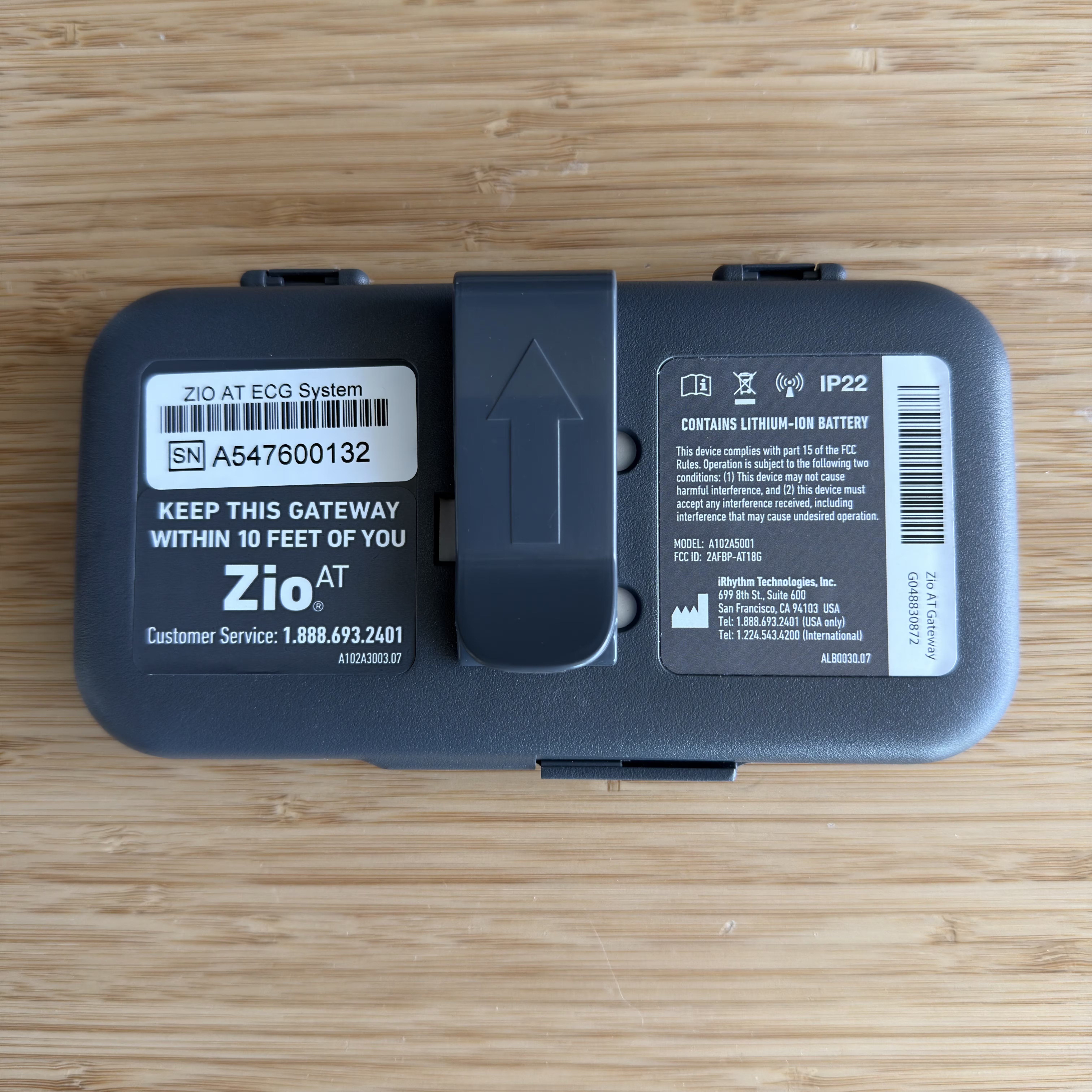
At the time of this writing, I’ve worn the device for four days and kept the associated hub within 10 feet of me at all times. The monitor interfaces with the hub via Bluetooth. I’ll ultimately package everything to mail back in a couple of days.
In the interim, I’ve really tried to focus on de-stressing techniques, which have significantly helped my PAC burden, but unfortunately, they’re not completely gone. My resting heart rate is usually mid-50s to 60 bpm, so I’m assuming I’ll start a low-dose beta-blocker next month after my follow-up. We’ll see!
Here are some images of the device:




Leave a Reply