• Pulmonary Alveolar Proteinosis

    Pulmonary Alveolar Proteinosis

    Pulmonary alveolar proteinosis (PAP) is a diffuse lung disease caused by problems with: surfactant metabolism, alveolar macrophage function, granulocyte-macrophage colony stimulating factor, or an unknown etiology. These can lead to the deposition of surfactant and apoproteins within the alveoli. Symmetric alveolar opacities in a classic “bat-wing” distribution are characteristic chest…
    Read More

  • Chlorothiazide

    Chlorothiazide

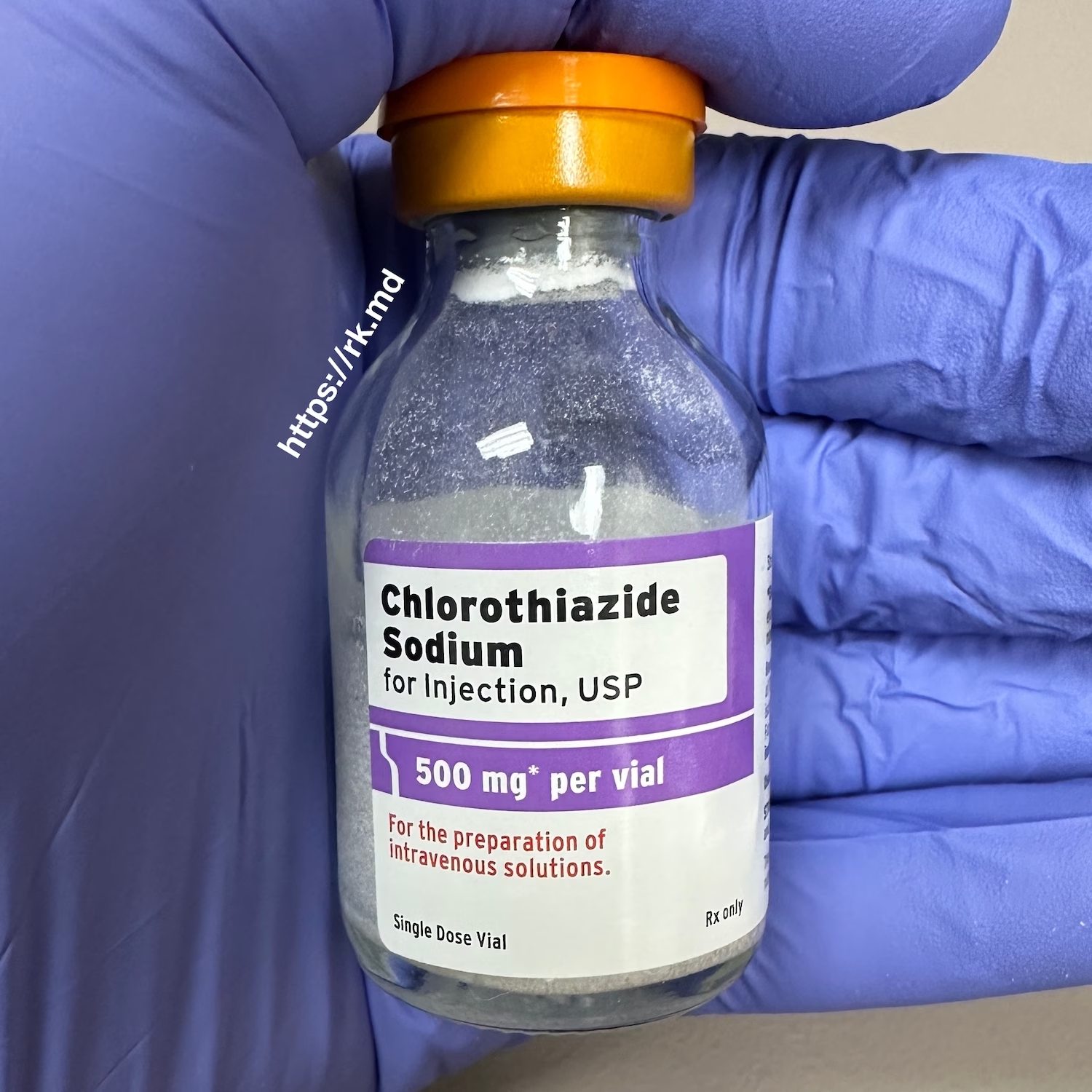
    Chlorothiazide (Diuril) is a thiazide diuretic that inhibits the sodium-chloride cotransporter in the nephron’s distal convoluted. As such, it increases the excretion of water, sodium, and chloride; however, not to the degree of loop diuretics like furosemide which work on the sodium-potassium-chloride transporter in the thick, ascending Loop of Henle.…

    Read More

  • Methylnaltrexone

    Methylnaltrexone

    Methylnaltrexone (Relistor) is a subcutaneous, peripheral μ-opioid receptor antagonist used primarily to offset the detrimental effects of opioids on the gastrointestinal (GI) tract, including constipation and decreased GI motility. Due to its charged, quaternary structure, methylnaltrexone does not cross the blood-brain barrier and does not negate the analgesic benefits of…

    Read More

  • Heliox

    Heliox

    Heliox is a gas mixture consisting of, in this example, 21% oxygen and 79% helium (although other ratios exist). Remember that atmospheric air contains ~21% oxygen and ~78% nitrogen. Although helium and air share a similar viscosity, substituting helium for nitrogen reduces the gas mixture’s overall density. Our large, conducting…

    Read More

  • Hemabate

    Hemabate

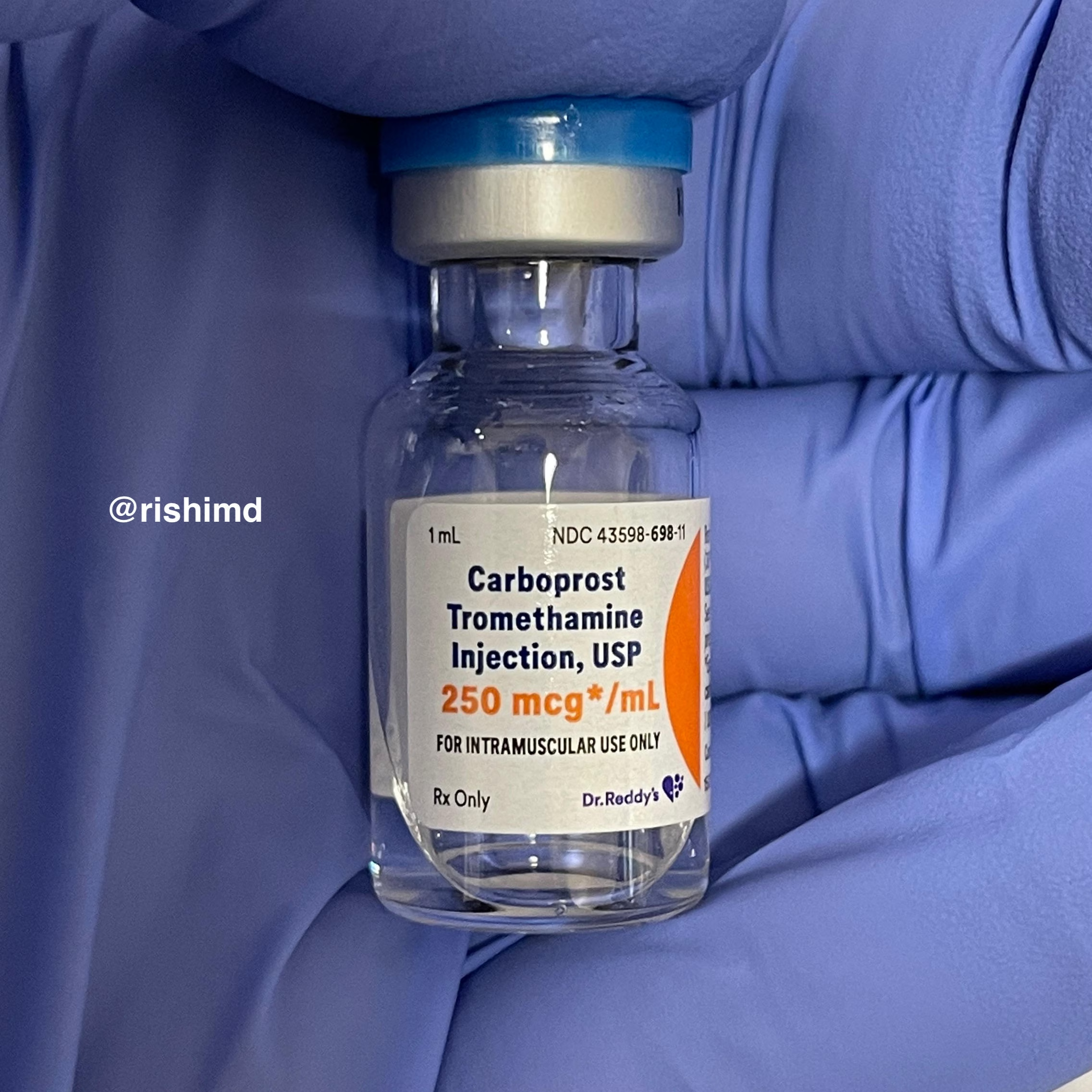
    Carboprost Tromethamine (Hemabate) is a synthetic 15-methyl-prostagladin F2 alpha (PGF2α) analog used primarily for postpartum hemorrhage related to uterine atony refractory to oxytocin administration. In my current practice, parturients with significant cardiovascular comorbidities (e.g., severe pulmonary hypertension, critical valvulopathies, cardiomyopathy, etc.) will have a primary obstetric anesthesiologist and a consulting…

    Read More

  • Isavuconazonium (Cresemba)

    Isavuconazonium (Cresemba)

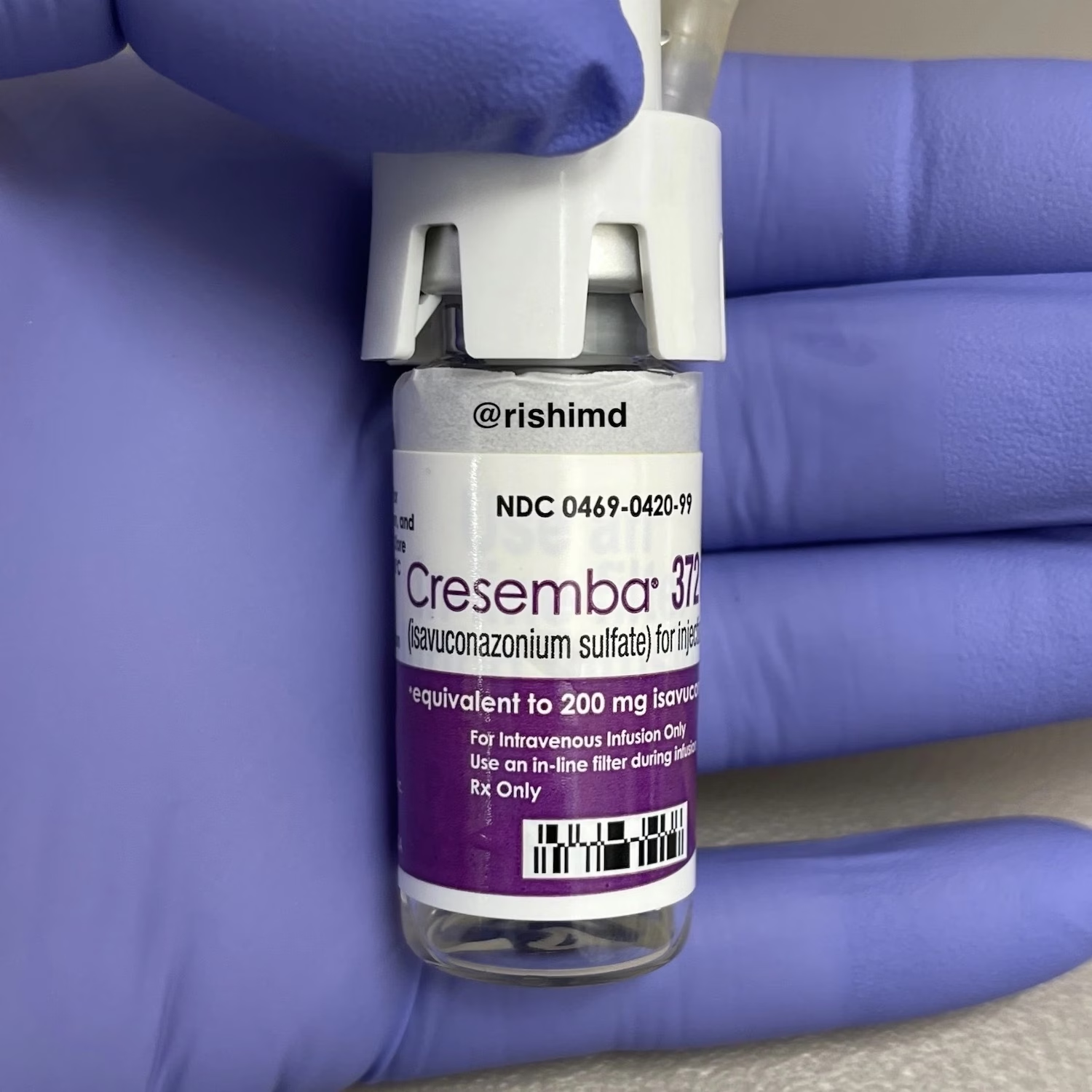
    Isavuconazonium (Cresemba) is an oral and intravenous antifungal agent used to treat invasive aspergillosis and mucormycosis in adult patients by disrupting fungal cell membrane formation. After it is converted to isavuconazole in the plasma, it inhibits lanosterol 14-α-demethylase which prevents lanosterol from getting converted to ergosterol. Isavuconazonium is also used…

    Read More

  • Carcinoid Heart Disease Echocardiography

    Carcinoid Heart Disease Echocardiography

    Carcinoid syndrome is most commonly caused by an overproduction of hormones from metastatic midgut tumors and is characterized by diarrhea, flushing, hypotension, and increased airway reactivity. Roughly half of these cases also have carcinoid heart disease associated with fibrous deposition in right-heart structures. In particular, tricuspid and pulmonic valve leaflets…

    Read More

  • Clindamycin

    Clindamycin

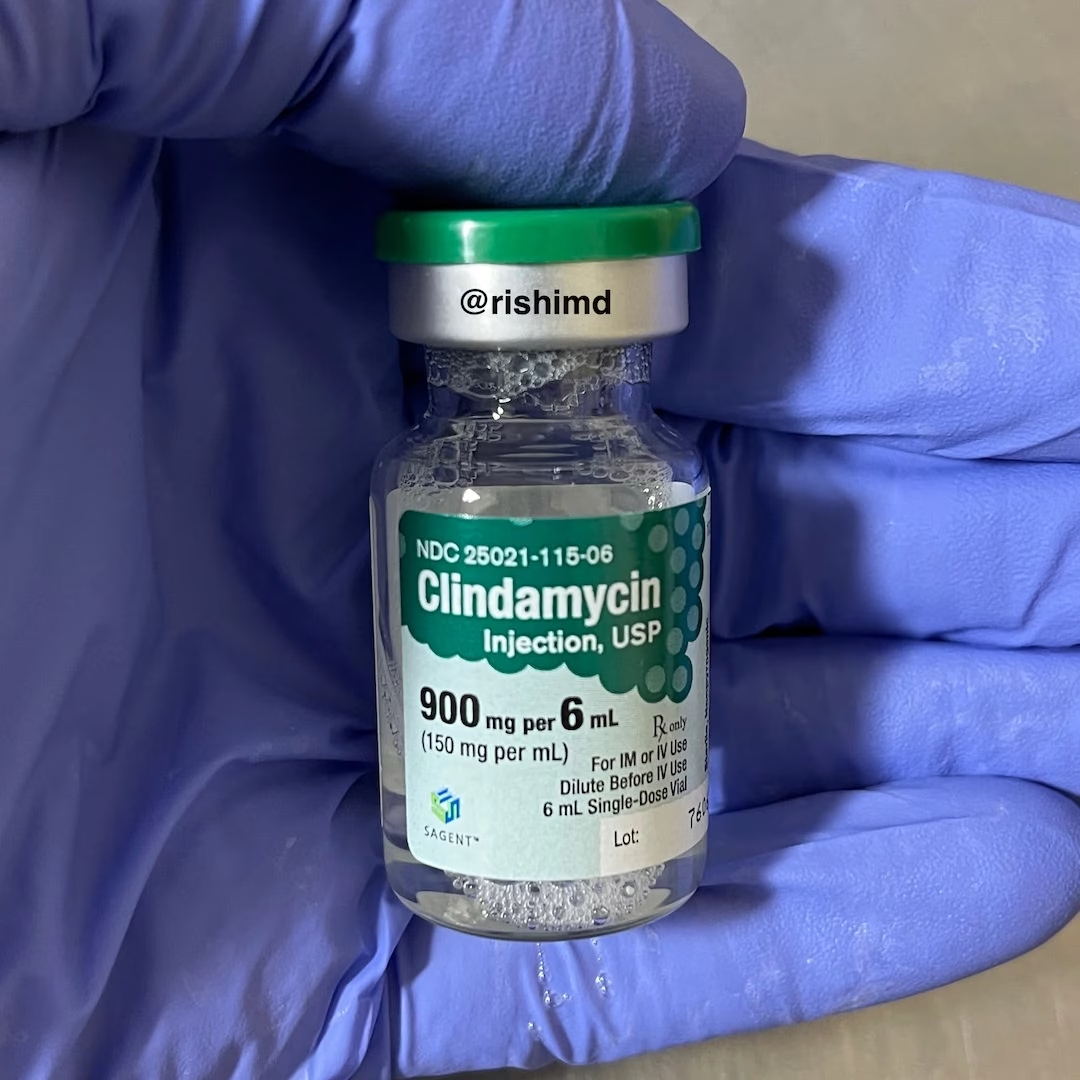
    Clindamycin is an oral and intravenous antibiotic that works by inhibiting the 50S ribosomal subunit required for bacterial protein synthesis. It has excellent activity against gram-positive cocci (e.g., Streptococcus and Staphylococcus, limited coverage of MRSA, not Enterococcus) and anaerobic organisms and is therefore used for infections involving the skin and…

    Read More

  • Von Willebrand Factor (vWF)

    Von Willebrand Factor (vWF)

    Von Willebrand Factor (vWF) is a glycoprotein that serves as a “glue” between subendothelial collagen and platelets. More specifically: subendothelial collagen ↔ vWF’s A3 domain ↔ vWF’s A1 domain ↔ GPIb platelet receptor. vWF also stabilizes factor VIII in circulation. vWF is composed of subunits that link together (dimerize) and…

    Read More

  • Left Atrial Myxoma

    Left Atrial Myxoma

    Myxomas are the most common primary, benign cardiac tumors occurring. They typically occur in middle-aged adults with a higher incidence in women. Most commonly, myxomas are located in the left atrium (LA). Large myxomas can cause obstruction of the mitral inflow leading to hemodynamic changes similar to mitral stenosis. Smaller…

    Read More