• Lumbar Puncture

    Lumbar Puncture

    Lumbar puncture (LP) is a bedside procedure I occasionally do as an intensivist to obtain a sample of cerebrospinal fluid (CSF) surrounding the spinal cord and brain. CSF analysis can help diagnose central nervous system pathologies like infections, autoimmune disorders, malignancy, etc. Pictured is the Safe-T PLUS Adult Lumbar Puncture…
    Read More

  • Lorazepam

    Lorazepam

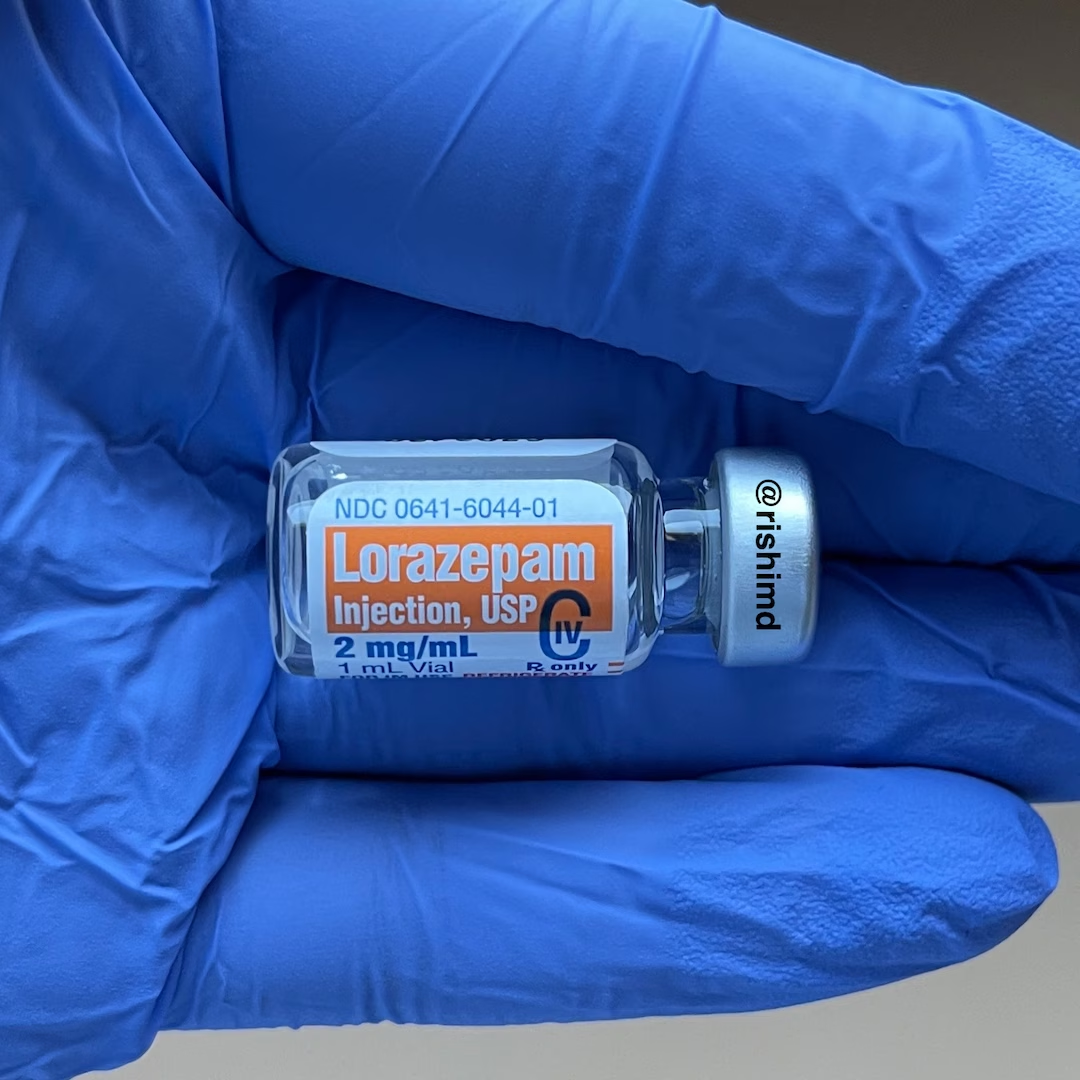
    Lorazepam (Ativan) is an IV, IM, and oral benzodiazepine medication which potentiates the GABA(A) receptor resulting in anxiolysis, sedation, amnesia, and muscle relaxation. Since lorazepam has limited lipid solubility but is highly protein-bound, it tends to remain in the intravascular space resulting in sustained peak effects. Its metabolites are also…

    Read More

  • Left Ventricular Pseudoaneurysm

    Left Ventricular Pseudoaneurysm

    A left ventricular (LV) pseudoaneurysm is an LV outpouching devoid of myocardium/endocardium contained by the pericardium and adhesions. As one can imagine, this pathology carries a high risk of rupture and mortality. LV pseudoaneurysms are most commonly linked to myocardial infarction (inferior > anterior) but can also follow open-heart surgery…

    Read More

  • Fundoscopic Examination

    Fundoscopic Examination

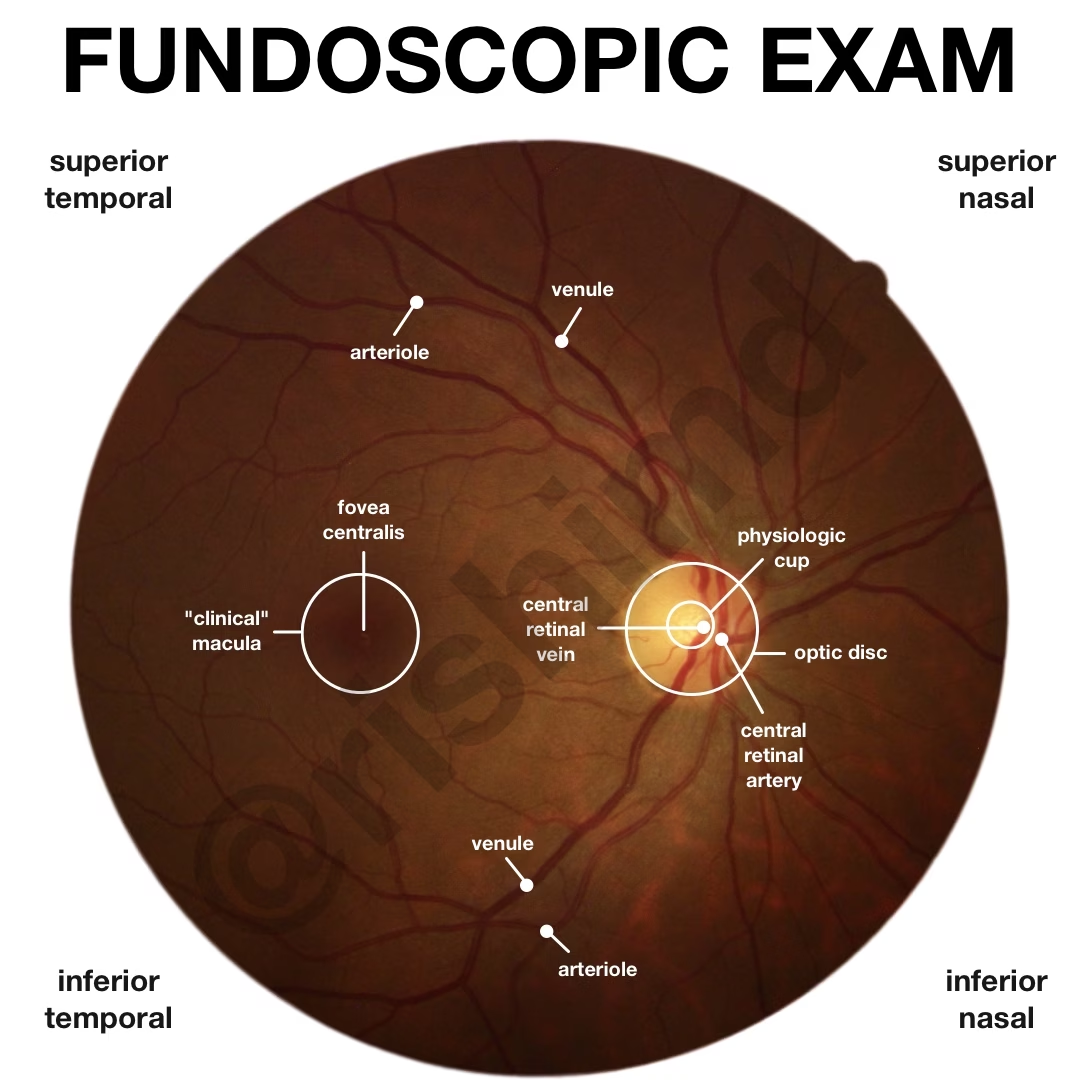
    Fundoscopy examines the interior, back surface of the eye, including the retina, blood vessels, macula, and optic disc. Before learning pathology, one must first understand the “normal” anatomy of the retina. Let’s use a digital image of my right eye’s retinal structures for this purpose! The visualized field can be…

    Read More

  • Visipaque

    Visipaque

    Iodixanol (Visipaque) is an iodinated intravenous (IV) contrast agent which is iso-osmolar with plasma. Unlike the non-ionic monomer iohexol (Omnipaque), Visipaque is a non-ionic dimer; however, both agents are routinely utilized for angiography, venography, contrast-enhanced CT scans, and other diagnostic/interventional procedures. Tissue extravasation can result in localized necrosis, and certain…

    Read More

  • Persistent Left Superior Vena Cava (SVC)

    Persistent Left Superior Vena Cava (SVC)

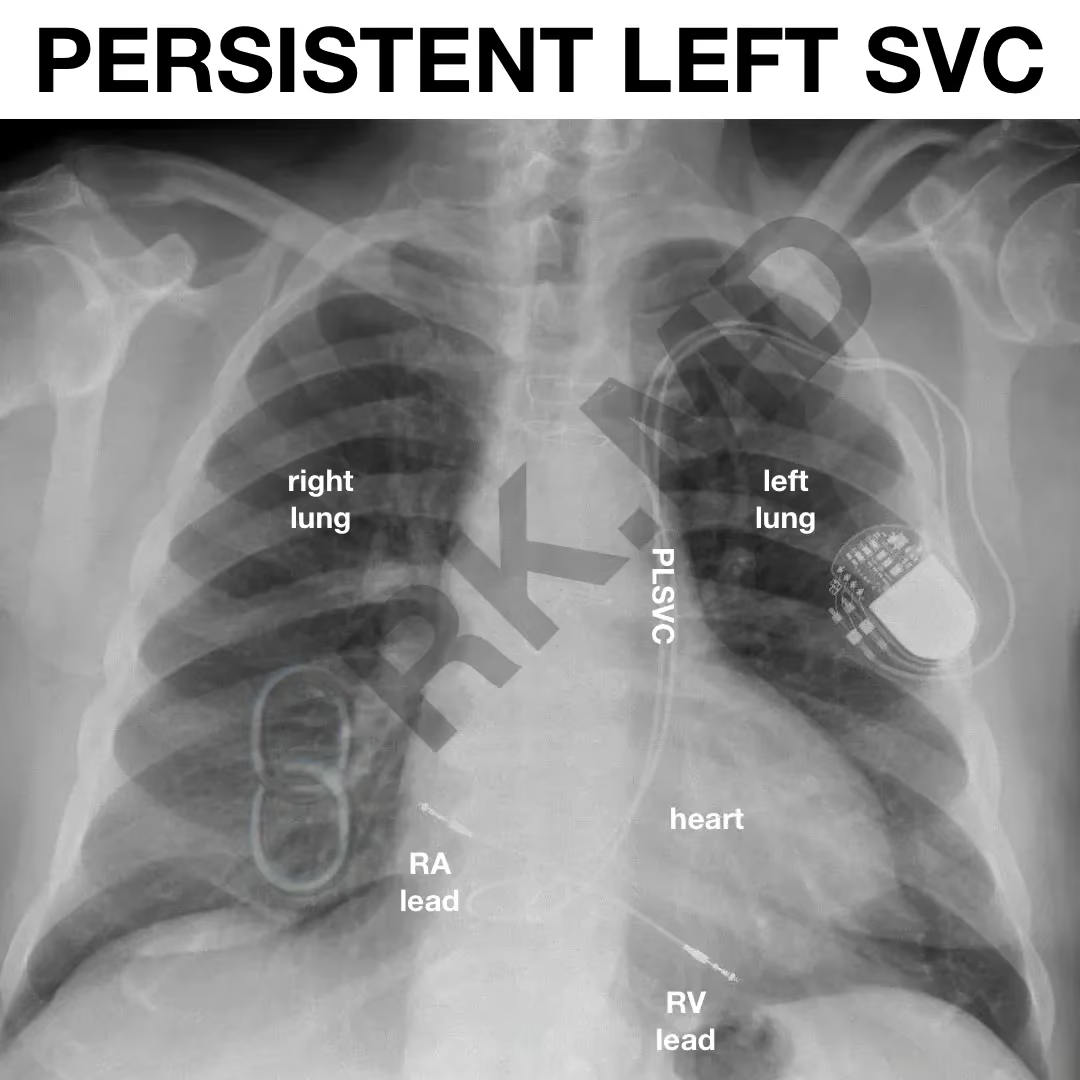
    Persistent left superior vena cava (PLSVC) is a rare (~0.5% of the general population) venous anomaly when the left superior cardinal vein fails to degenerate. This can make entering the right heart from the left upper body (e.g., pacing leads, PA catheters, etc.) more challenging as the PLSVC drains directly…

    Read More

  • Donation After Cardiac Death (DCD)

    Donation After Cardiac Death (DCD)

    Donation after cardiac death (DCD) is an organ procurement process for transplantation in patients with irreversible brain injuries who do not meet the formal criteria of brain death. These patients are transitioned to “comfort measures only”, liberated from the mechanical ventilator, and given 60-120 minutes (depending on the institution) for…

    Read More

  • Certification In Medical Quality (CMQ) Exam Process

    Certification In Medical Quality (CMQ) Exam Process

    The American College of Medical Quality (ACMQ) offers a Certification In Medical Quality (CMQ) designation which I was interested in pursuing. Anesthesiology is at the forefront of medical specialties when it comes to patient safety, a vital part of quality, and its relevance spans both my OR and ICU practices.…

    Read More

  • What Is Cell Saver?

    What Is Cell Saver?

    As a cardiothoracic anesthesiologist, hemostasis, coagulopathy, and blood salvation are important considerations in the operations I’m involved with. Cell Saver is one technique our perfusion team routinely utilizes to facilitate blood conservation. Blood loss on the surgical field is collected, run through a filter, washed, and returned to the patient…

    Read More

  • Cefoxitin

    Cefoxitin

    Cefoxitin (Mefoxin) is an intravenous cephamycin antibiotic (sometimes classified as a second-generation cephalosporin subgroup) that binds penicillin-binding proteins thereby disrupting the formation of bacterial cell walls. Compared to first-generation cephalosporins like cefazolin, cefoxitin is less active against Staph species. As a tradeoff, it has activity against some gram-negative rods, and…

    Read More