• Acute Cardiac Allograft Rejection

    Acute Cardiac Allograft Rejection

    According to data from the United Network for Organ Sharing (UNOS), 3,552 orthotopic heart transplants (OHT) were performed in 2019. That’s up slightly from 3,408 the year before. After these transplants, one of the biggest concerns is acute rejection of the allograft. As a cardiac anesthesiologist, I’m tasked with ensuring…

    Read More

  • Severe Transaminitis

    Severe Transaminitis

    Transaminitis refers to an increase in circulating levels of transaminases (ie, AST and ALT) classically indicative of liver injury. Hepatobiliary disease spans a wide breadth of various pathologies and should consider a patient’s physical exam, clinical context, imaging, other labs (GGT, bilirubin, alkaline phosphatase, etc); however, having AST and ALT…

    Read More

  • Lumbar Drain

    Lumbar Drain

    Lumbar drains are a mainstay for spinal cord protection when patients undergo operations like thoracoabdominal aortic aneurysm (TAAA) repairs and thoracic endovascular aortic repairs (TEVAR) with subclavian artery debranching. Why? Because the anterior spinal artery receives contributions from paired intercostal arteries that can be disrupted by the aortic pathology itself…

    Read More

  • Procainamide

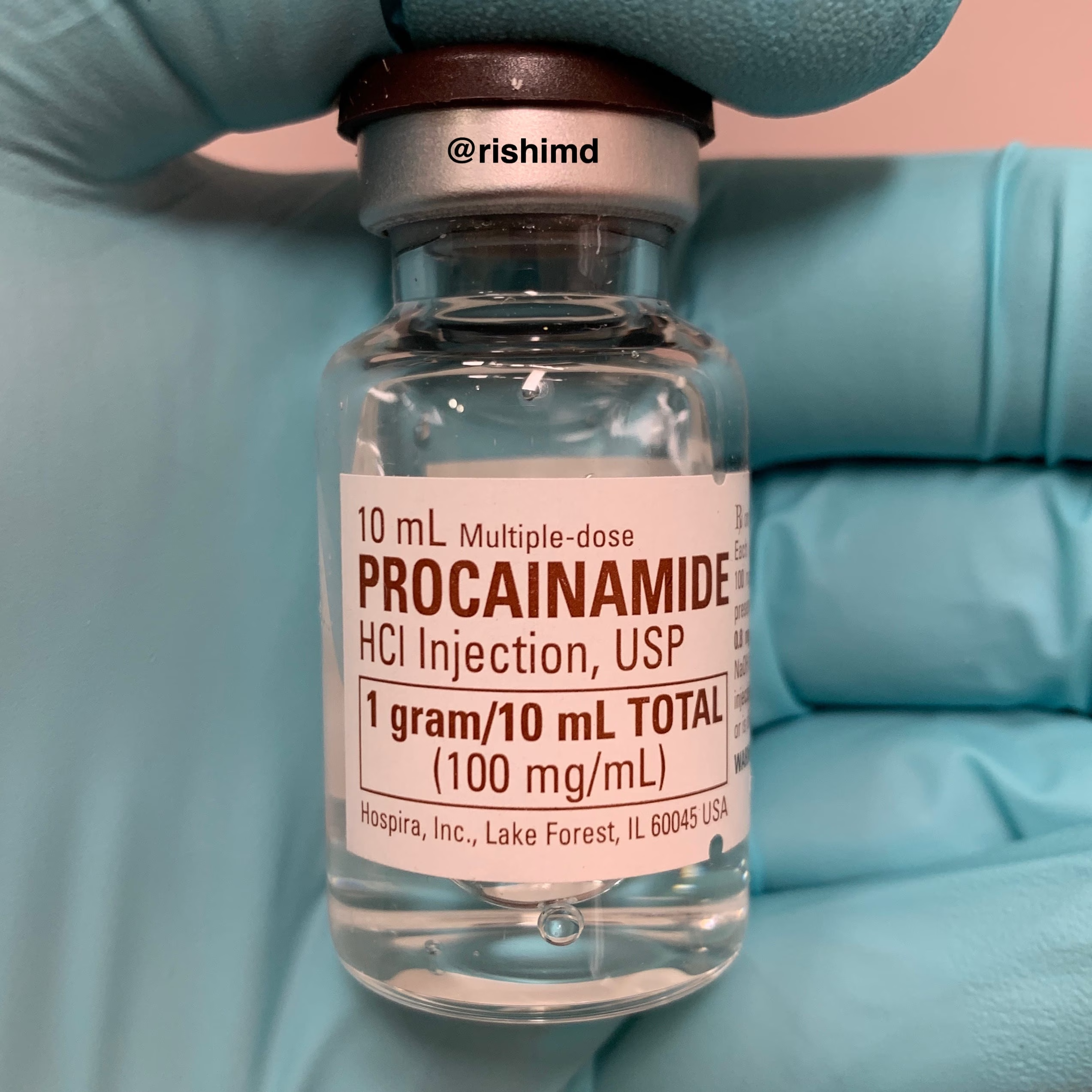
    Procainamide

    Procainamide is a type IA antiarrhythmic which prolongs repolarization via sodium channel blockade. This is achieved by slowing conduction through the ventricular His-Purkinje system thereby widening the QRS complex (and ultimately the QT interval).

    Read More

  • Henderson-Hasselbalch Equation

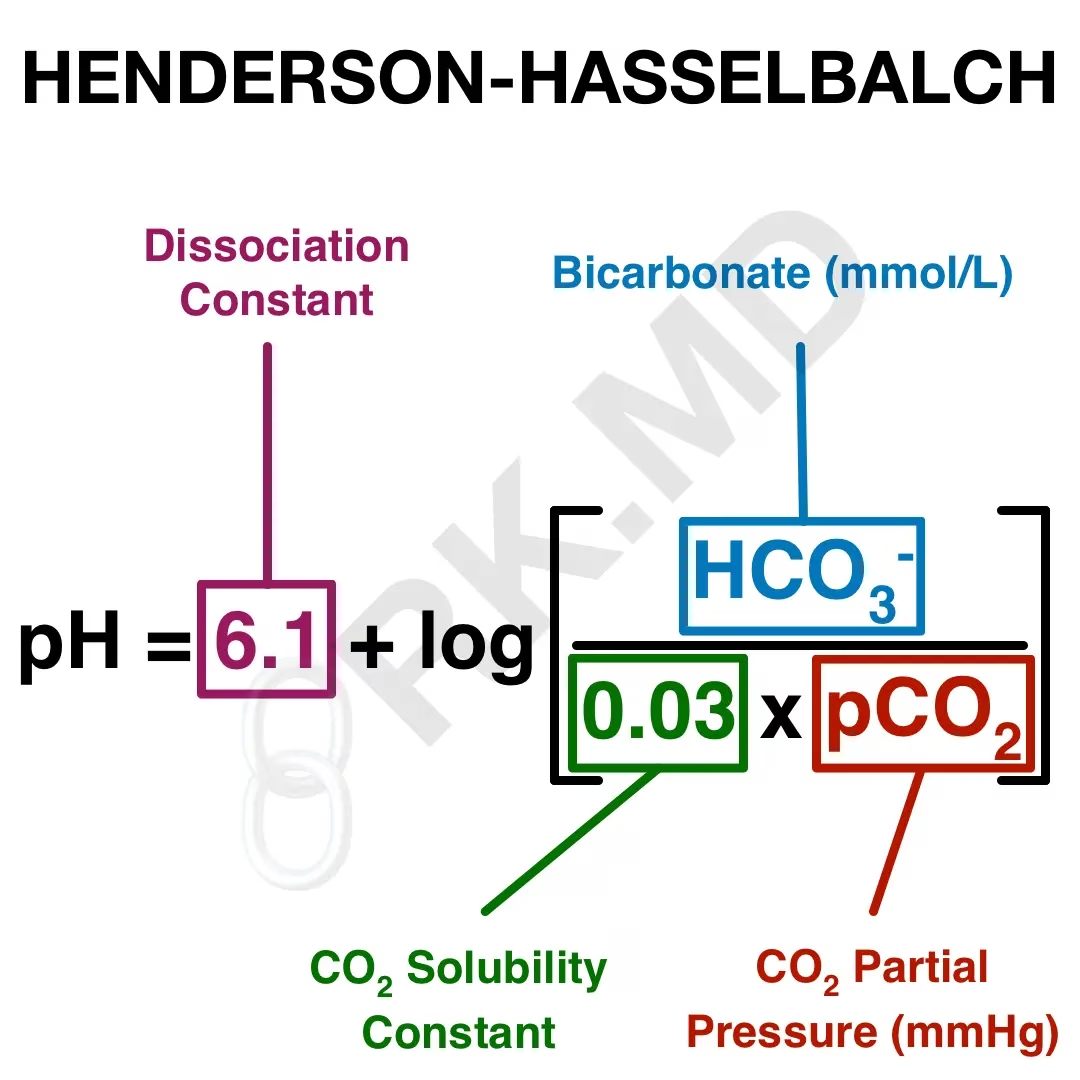
    Henderson-Hasselbalch Equation

    The Henderson-Hasselbalch (H-H) equation illustrates the incredibly important role of the bicarbonate buffer system comprised of the partial pressure of carbon dioxide (PaCO2, primarily regulated by the lungs) and bicarbonate (HCO3–, primarily regulated by the kidneys). It represents the most extensive buffer system in the extracellular space.

    Read More

  • Micropuncture Kit

    Micropuncture Kit

    As a cardiothoracic anesthesiologist and intensivist, my patients have significant comorbidities and have often times had prior instrumentation of their venous systems to place AICD leads, venous stents, temporary pacing wires, etc. This makes it more challenging to place lines that I might need for surgery or with acute decompensation…

    Read More

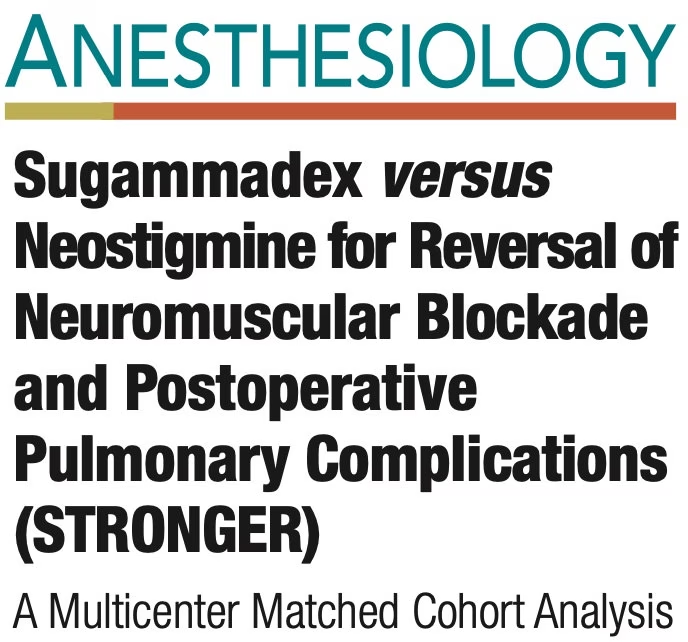
  • Reversal With Sugammadex Versus Neostigmine – Postoperative Pulmonary Complications (STRONGER)
  • Fluconazole

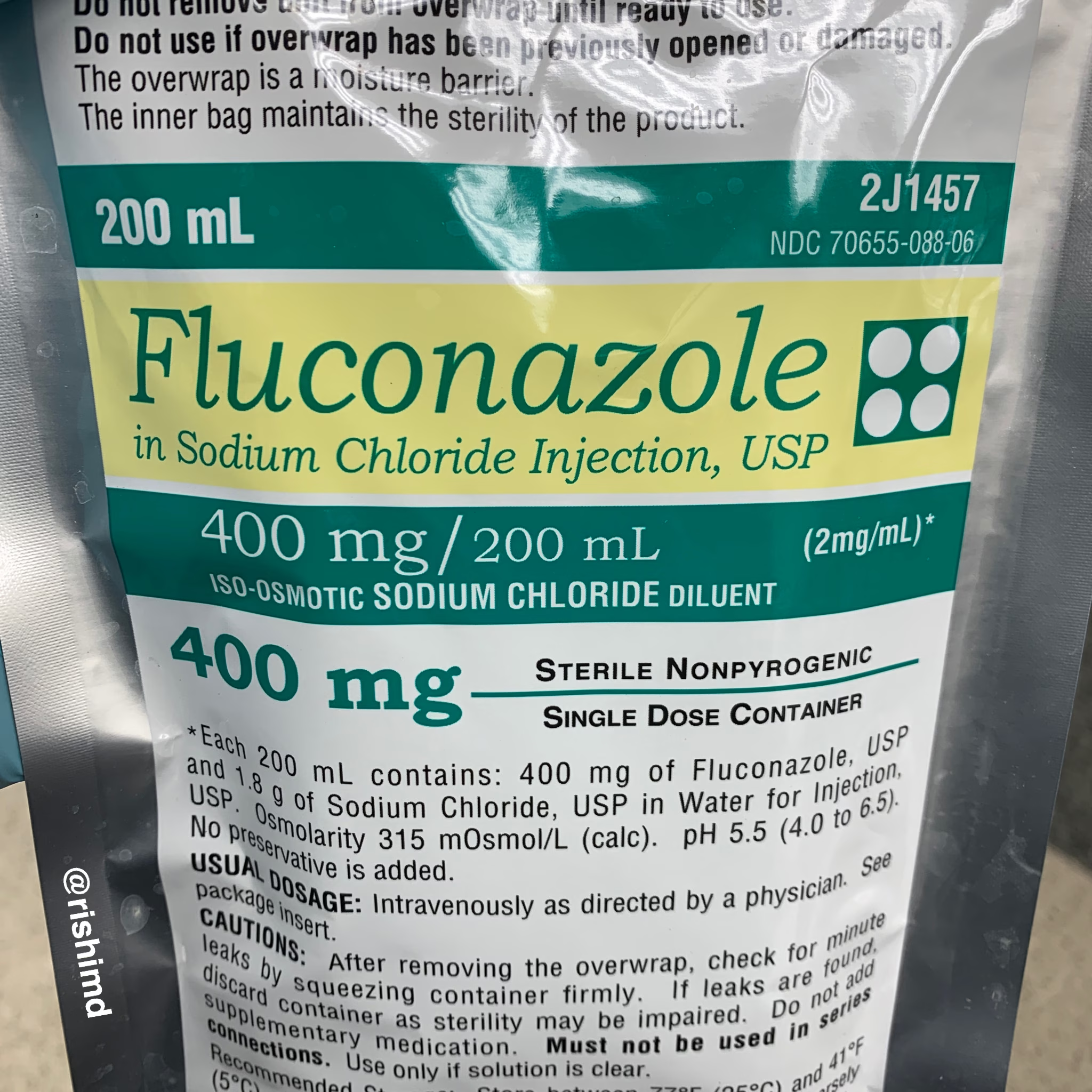
    Fluconazole

    Fluconazole (Diflucan) is an intravenous and oral antifungal medication that inhibits ergosterol synthesis (an important component of fungal cell membranes). As an intensivist, I most often use this medication to cover Candida albicans infections (especially symptomatic cystitis given fluconazole’s excellent urine penetration); however, it doesn’t cover C. krusei and has…

    Read More

  • Factors Contributing To Mean Arterial Pressure

    Factors Contributing To Mean Arterial Pressure

    In this video, I go over how I approach hypotension/hypertension considering the factors that contribute to mean arterial pressure. Often times, many of these variables affect overall forward flow, so it’s important to have a methodical approach to blood pressure management.

    Read More

  • Right Bundle Branch Block ECG Findings

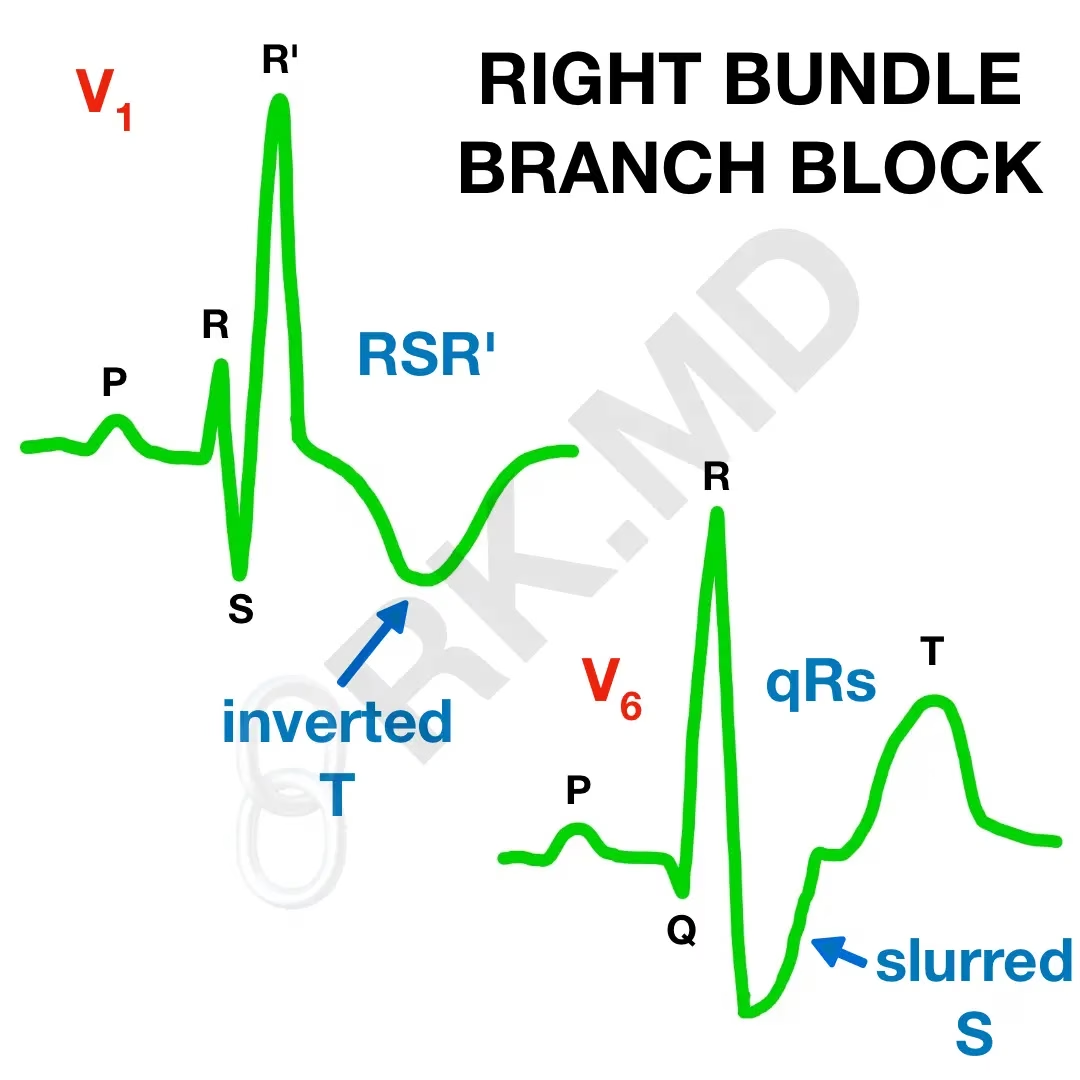
    Right Bundle Branch Block ECG Findings

    In right bundle branch block (RBBB), the His-Purkinje conduction system cannot conduct normally into the right ventricle (RV). Therefore, the RV is depolarized across the interventricular septum AFTER the left ventricle (LV) is depolarized. This delay creates several key ECG findings.

    Read More