• VivaSight Double Lumen Endotracheal Tube

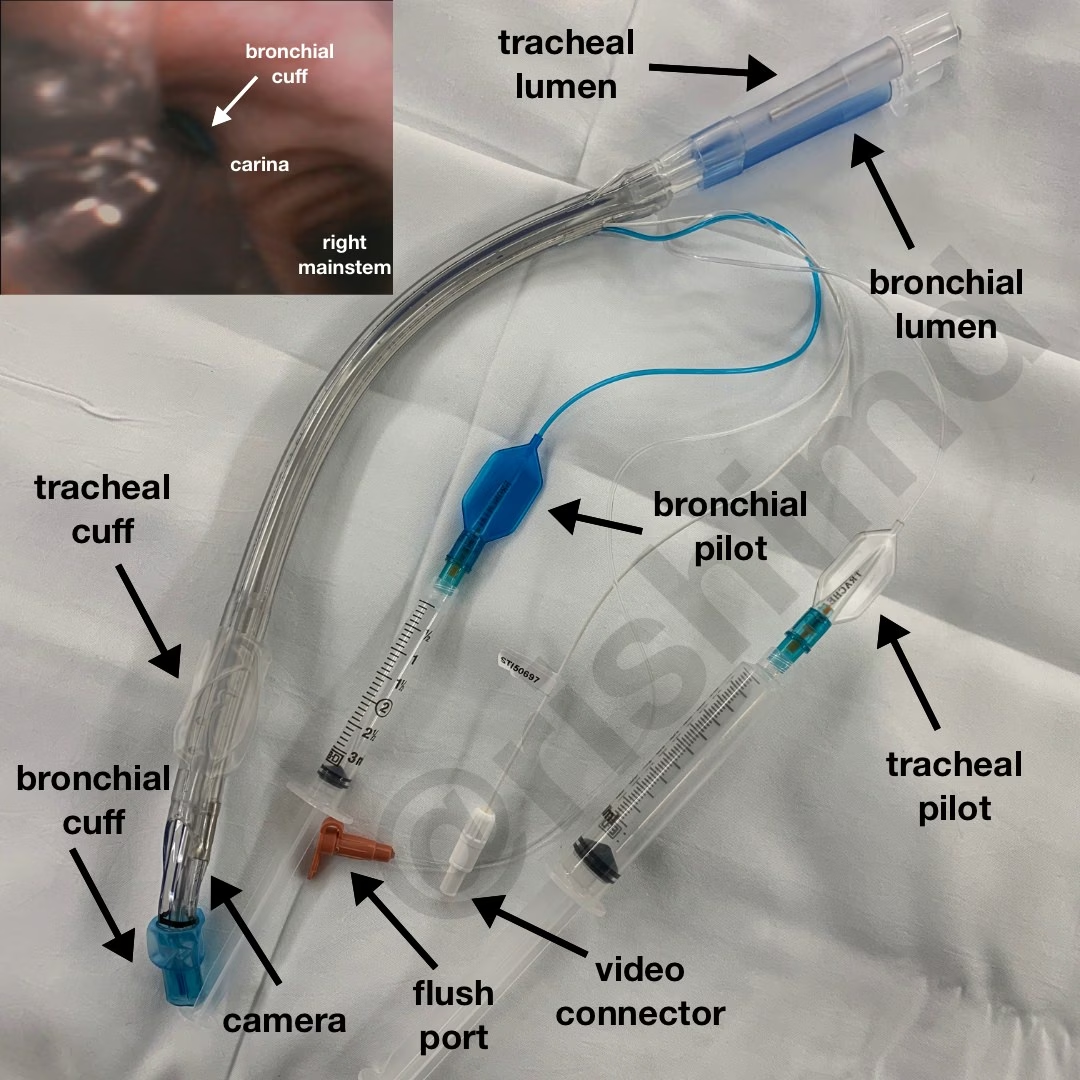
    VivaSight Double Lumen Endotracheal Tube

    As a cardiothoracic anesthesiologist, lung isolation (selectively ventilating only one lung) is an important technique I utilize for pneumonectomies, video-assisted thoracoscopic surgeries, sternum-sparing left ventricular assist device (LVAD) implantation, open thoracoabdominal aortic aneurysm repair, etc. As an intensivist, I rarely utilize lung isolation in the ICU to protect a healthy…
    Read More

  • Unasyn

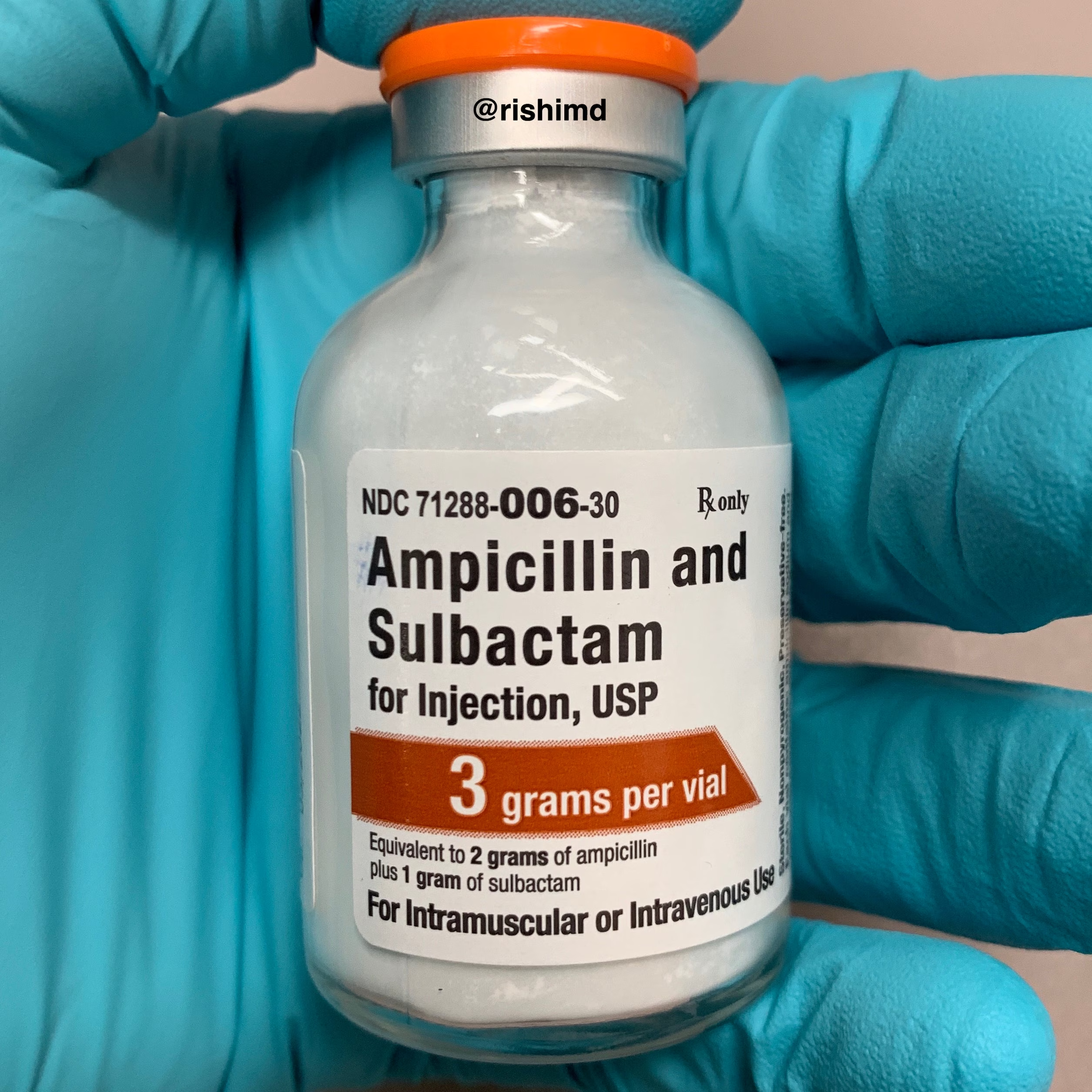
    Unasyn

    Unasyn (ampicillin-sulbactam) is an intravenous antibiotic that I most often use for ENT-related infections/prophylaxis but sometimes gynecologic and intraabdominal infections as well (Zosyn being another common alternative).

    Read More

  • Post-Operative Atelectasis Responsible For Early Fevers?

    Post-Operative Atelectasis Responsible For Early Fevers?

    “Wind, water, wound, walking, wonder drugs” are described as the “Ws” of post-operative fevers (atelectasis, UTI, wound infection, DVTs, and drug fevers, respectively). As a medical student, all of these made sense to me except the mechanism by which atelectasis, something applicable to ALL patients under general anesthesia, causes a…

    Read More

  • Oxygen Therapy Systems

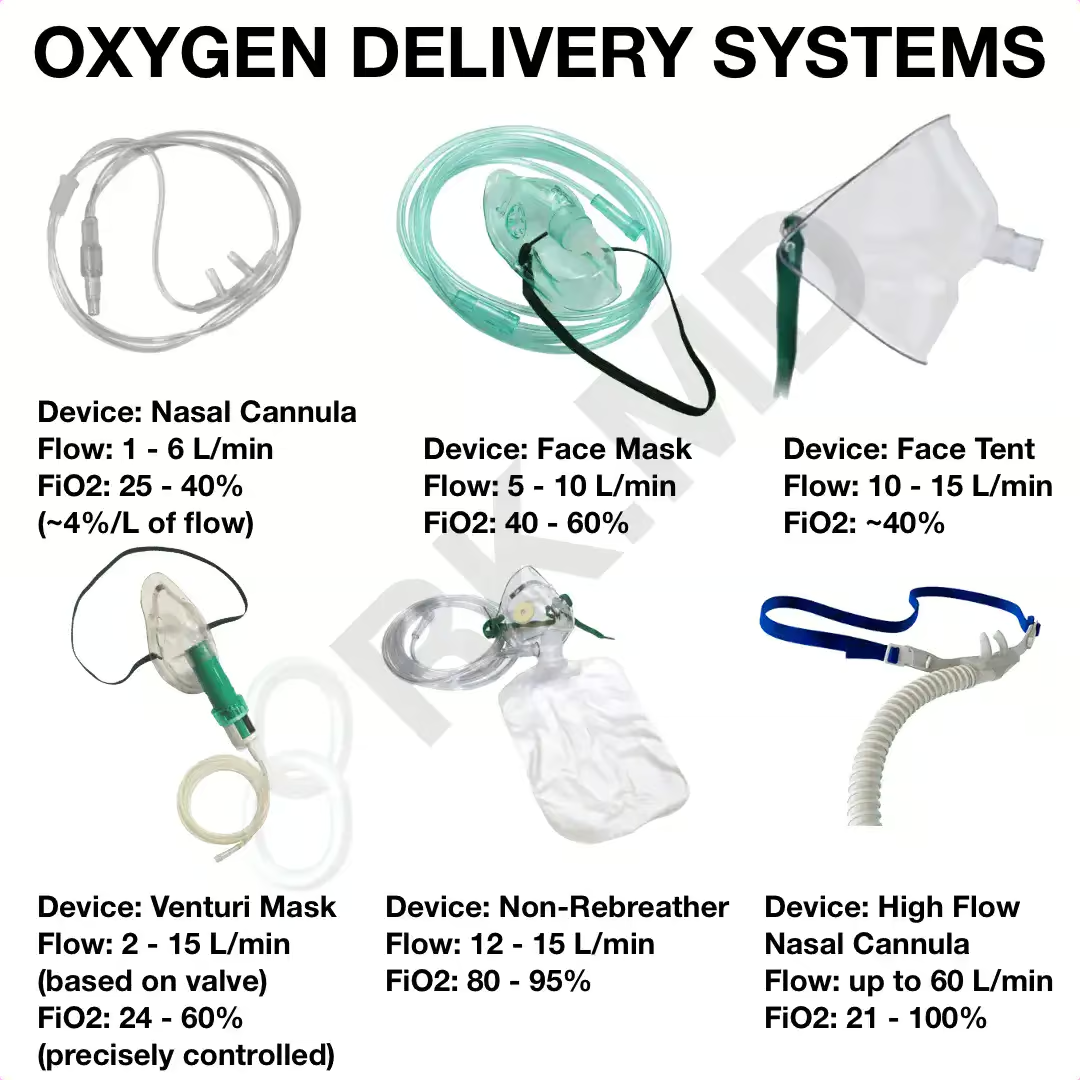
    Oxygen Therapy Systems

    When discussing options for hypoxemia, there seem to be so many noninvasive oxygen delivery systems! Nasal cannula, high flow nasal cannula (HFNC), non-rebreathers (NRB), and more are routinely used in the settings I’ve worked in.

    Read More

  • Volume Control (VC) Versus Volume Control Auto Flow (VC-AF)

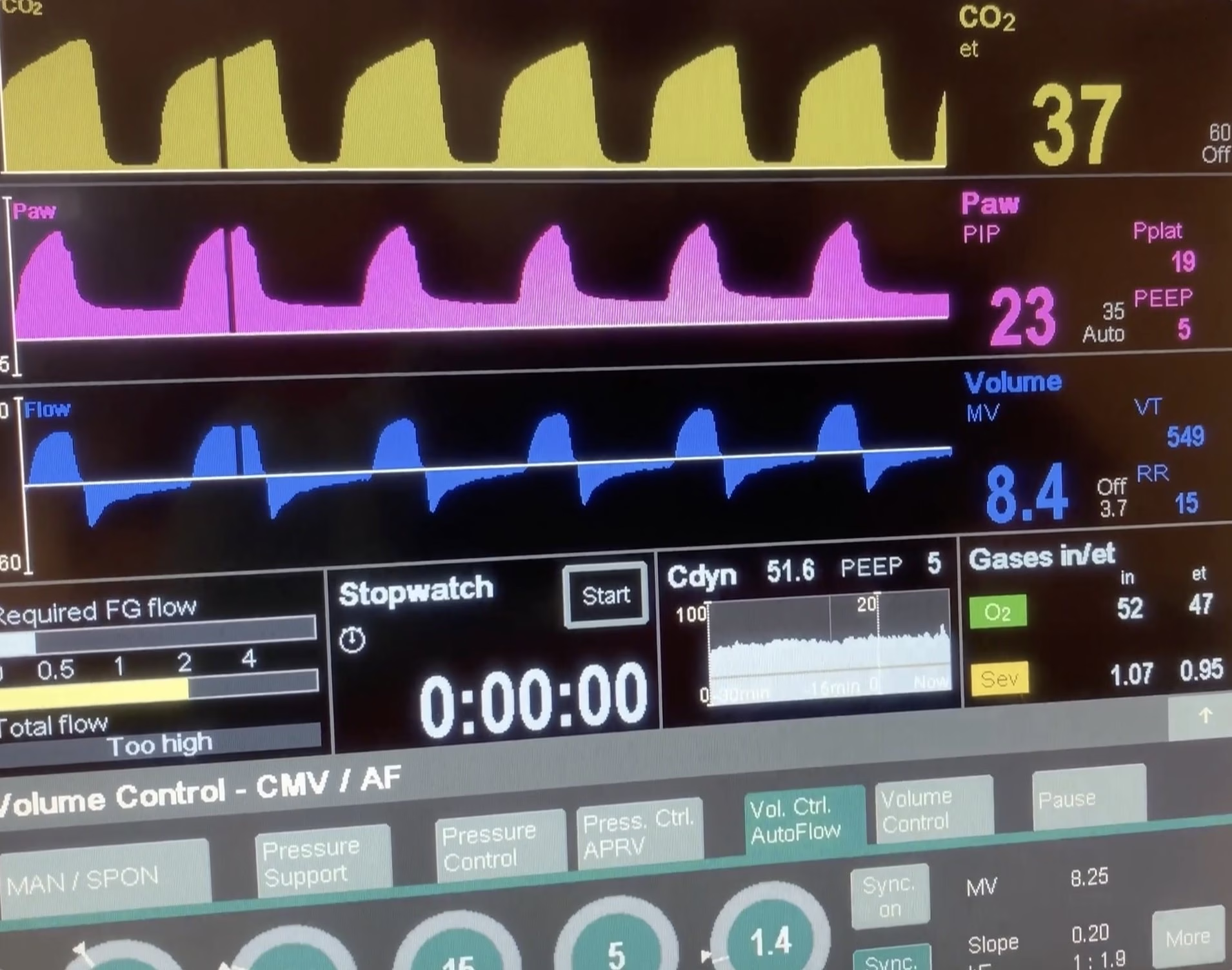
    Volume Control (VC) Versus Volume Control Auto Flow (VC-AF)

    Assist-control (AC) ventilation is traditionally categorized into two types: pressure-control (PC), where an inspiratory pressure is set, and volume-control (VC), where a target tidal volume is set. Both styles of ventilation allow parameters like the fraction of inspired oxygen (FiO2), respiratory rate (RR), and positive end-expiratory pressure (PEEP) to be…

    Read More

  • RK.MD Perioperative And Critical Care Reference Sheet

    RK.MD Perioperative And Critical Care Reference Sheet

    Here’s a free reference sheet (front and back) with “high-yield” information in critical care and perioperative medicine. I’m well-suited to pursue this educational endeavor, given my training as a physician who works in both settings, and I hope that many of you will benefit from the information. Now some details:

    Read More

  • Common Types Of Adult Nasogastric Tubes (NGTs)

    Common Types Of Adult Nasogastric Tubes (NGTs)

    As an anesthesiologist, I’ve placed nasogastric/orogastric tubes (NGTs/OGTs) in patients who will remain intubated post-operatively to decompress the stomach and to provide a short-term enteral route of administration while the patient remains on mechanical ventilation. As an intensivist, I more commonly place NGTs to deliver nutrition (i.e., tube feeds) and…

    Read More

  • Central Line Guidewire Confirmation With TEE

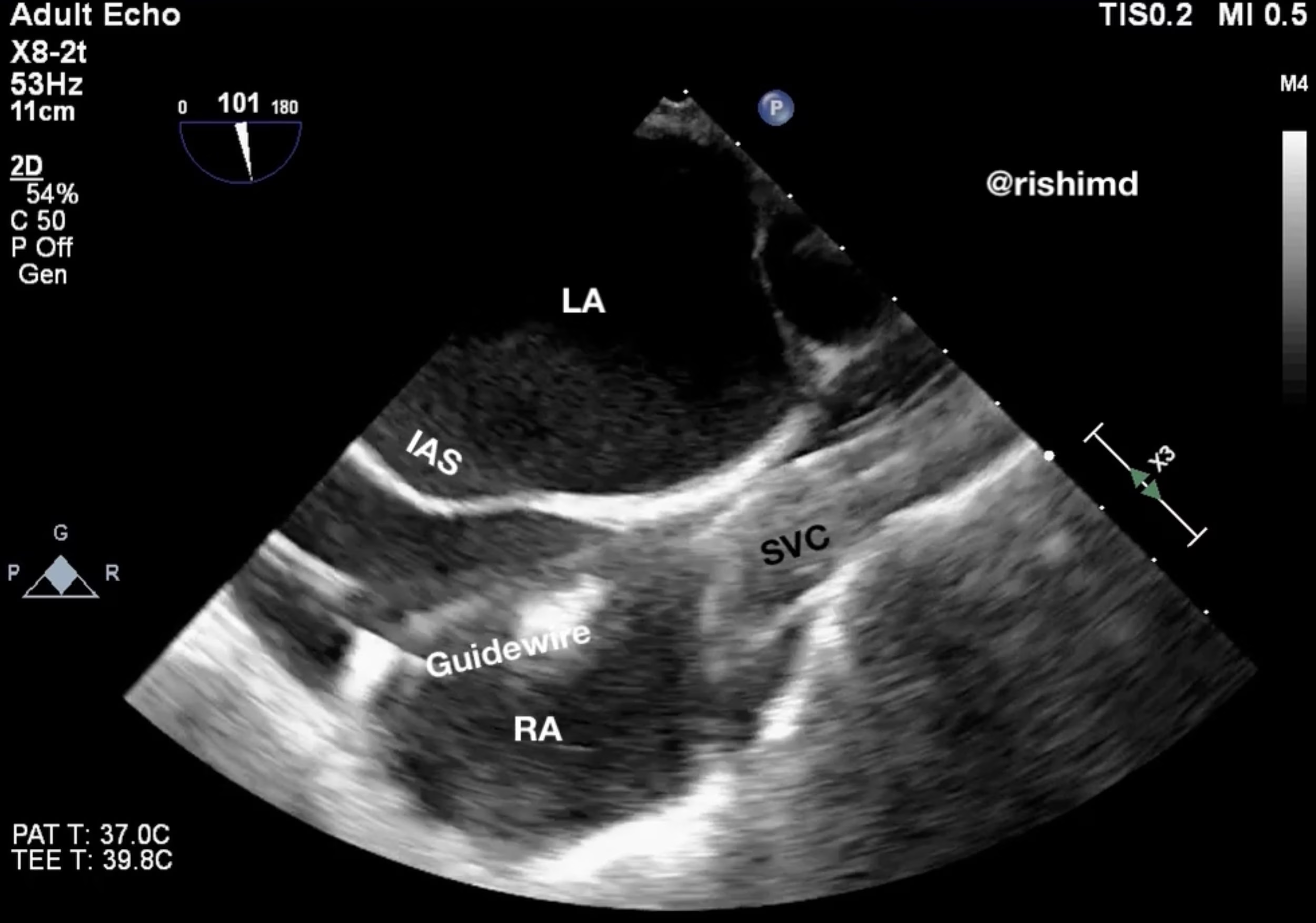
    Central Line Guidewire Confirmation With TEE

    Whenever my residents/fellows or I place central venous catheters (CVCs) in the operating room for a case involving intraoperative transesophageal echocardiography (TEE), I always place the TEE probe beforehand. I obtain a midesophageal bicaval view looking for preexisting hardware in the patient’s right atrium (RA), such as ICD wires, PICC…

    Read More

  • Dopamine In Shock And Kidney Injury

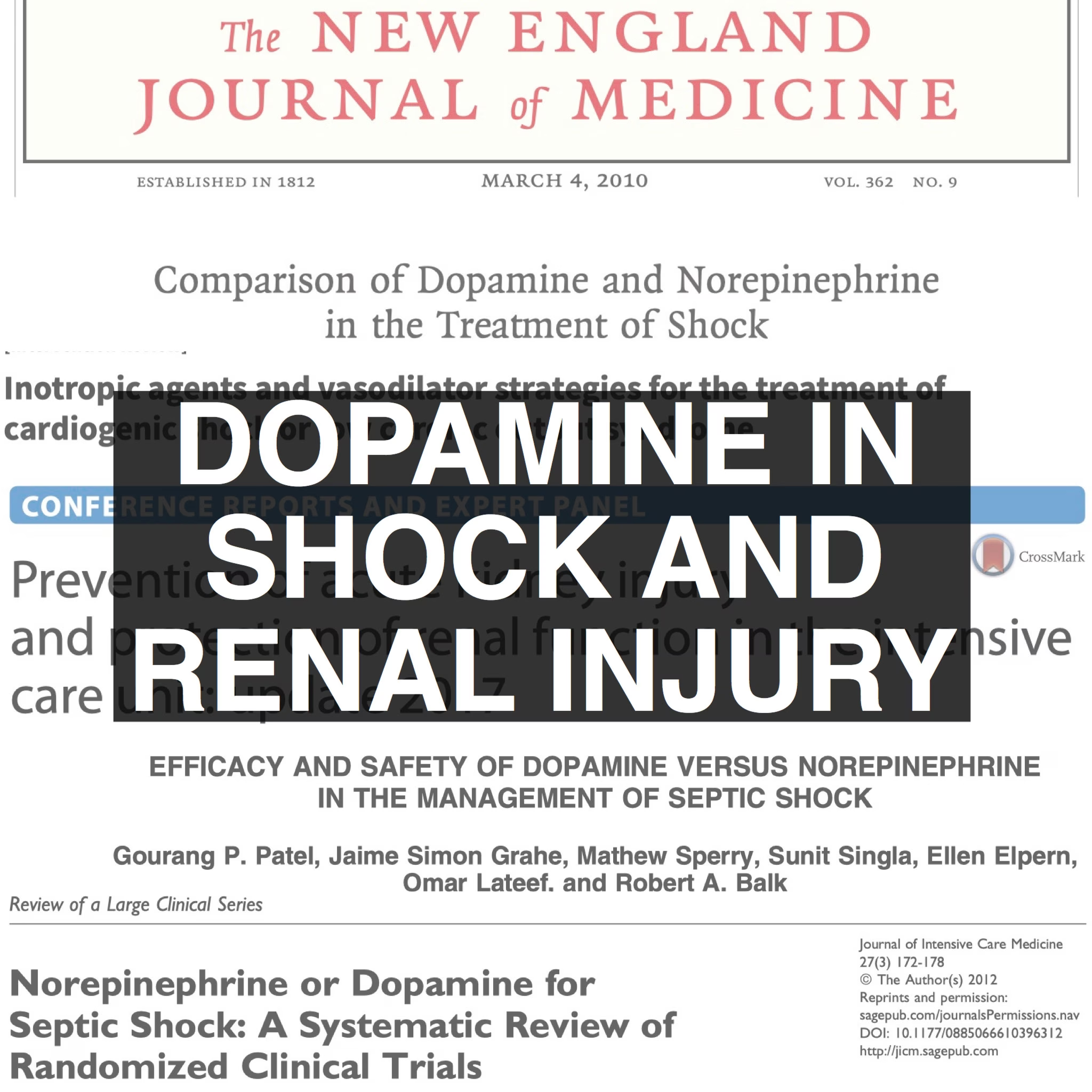
    Dopamine In Shock And Kidney Injury

    In pursuit of evidence-based rationales for my hatred of dopamine, I turned to PubMed and queried the database for “dopamine shock” filtered for meta-analyses, randomized controlled trials, and systematic reviews in adult patients since 2009. I then ventured into the PubMed black hole. :razz:

    Read More

  • Pharmacokinetics

    Pharmacokinetics

    Pharmacokinetic models describe the rate of absorption, distribution, metabolism, and elimination of a particular drug. This can vary significantly based on properties of the drug itself, varying levels of metabolism in the context of organ impairment or enzyme polymorphisms, plasma protein binding, and other patient factors (ie, obesity).

    Read More