• Needle Cricothyrotomy

    Needle Cricothyrotomy

    As an anesthesiologist and intensivist, the “can’t intubate, can’t ventilate” situation is one of my worst nightmares. Airway rescue procedures like needle cricothyrotomy are essential to know. This rescue technique can be utilized if more conventional airway techniques (e.g., mask ventilation, supraglottic airway, endotracheal intubation) fail. Remember, this is a…

    Read More

  • Right Upper Lobe Bronchoscopy

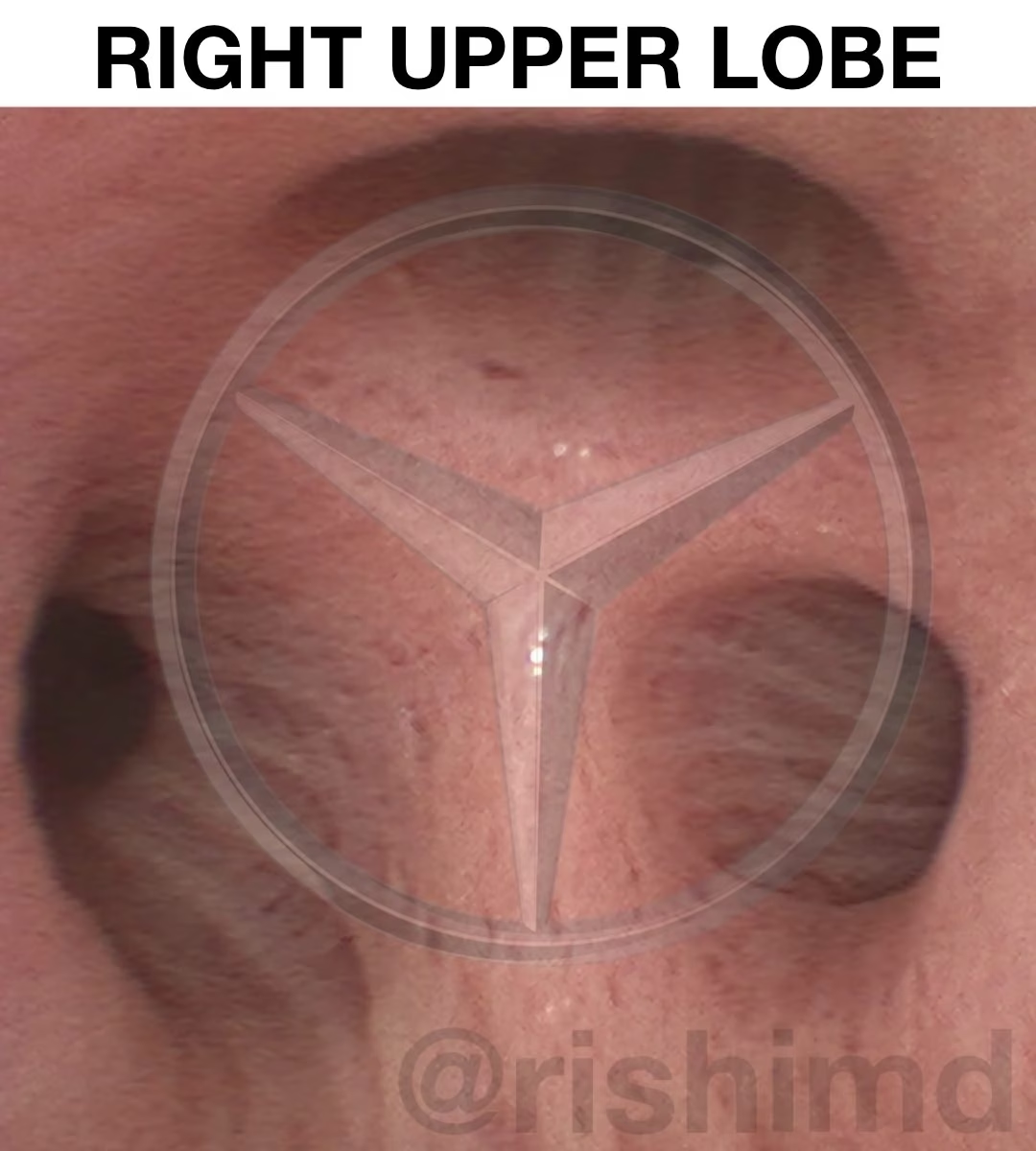
    Right Upper Lobe Bronchoscopy

    As an intensivist and cardiothoracic anesthesiologist, bronchoscopy is an incredibly common procedure I perform in the ICU (from in front of the patient) and OR (from behind the patient). A small camera on the end of a flexible tube is sent down an indwelling endotracheal or tracheostomy tube to visualize…

    Read More

  • Posey Cufflator Manometer

    Posey Cufflator Manometer

    Endotracheal tubes (ETTs) and tracheostomy tubes have pilot balloons which are inflated to expand a pilot cuff situated within the trachea below the vocal cords. This is termed a “secure airway.”

    Read More

  • Tracheostomy Dislodgment

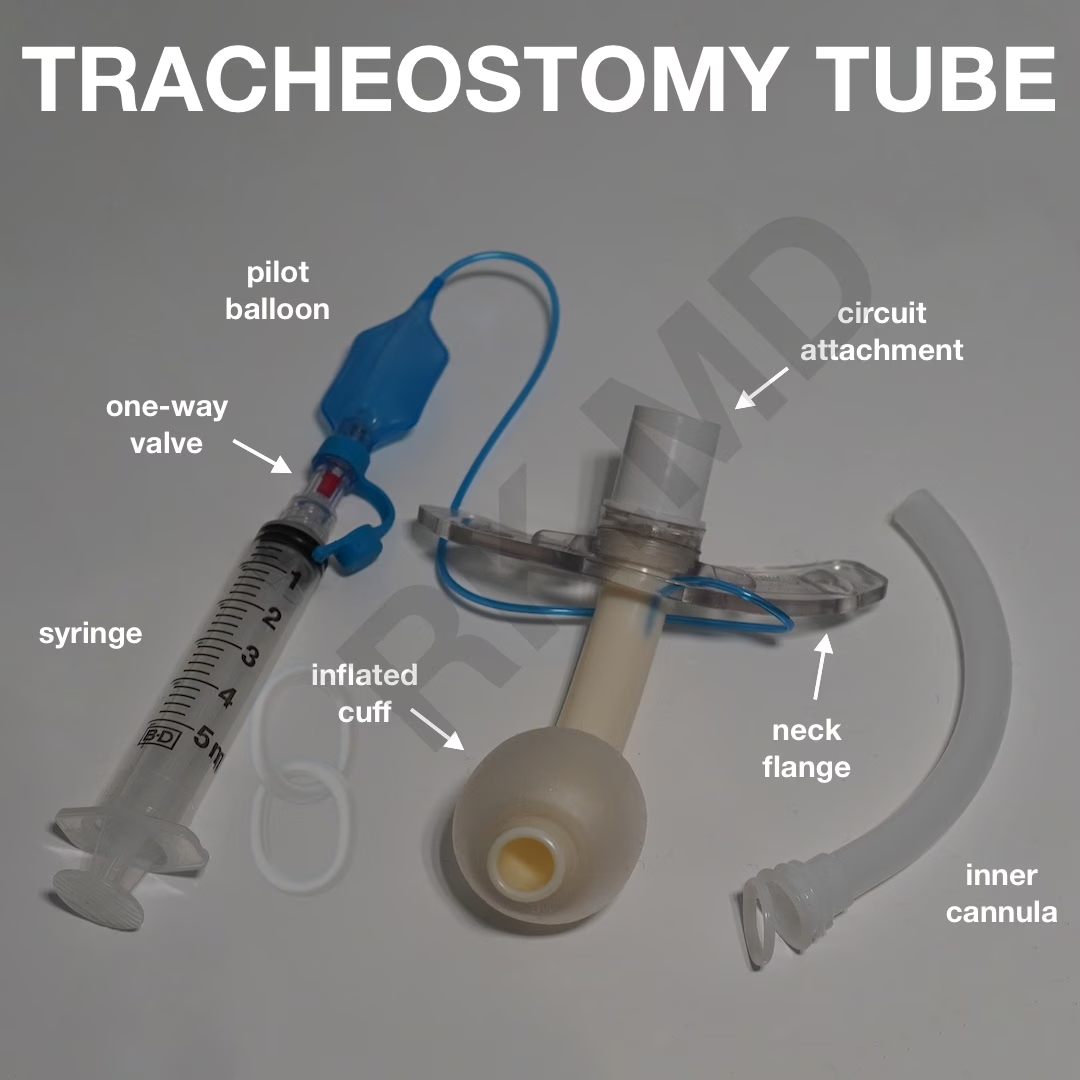
    Tracheostomy Dislodgment

    The COVID-19 era has forced many healthcare workers with no prior experience regarding tracheostomy tubes (“trachs”) to learn how to handle them. These airways can be placed surgically or percutaneously at the bedside. In either case, the tubes are secured using ties and/or sutures for at least the first week…

    Read More

  • Chewing Gum Before Surgery

    Chewing Gum Before Surgery

    The American Society of Anesthesiologists (ASA) preoperative fasting guidelines outline a certain number of hours patient should fast based on their last intake (ie, 6 hours for a light meal) The goal is to prevent perioperative aspiration of gastric contents into the airway. Fortunately, the new paradigm is now timely…

    Read More

  • VivaSight Double Lumen Endotracheal Tube

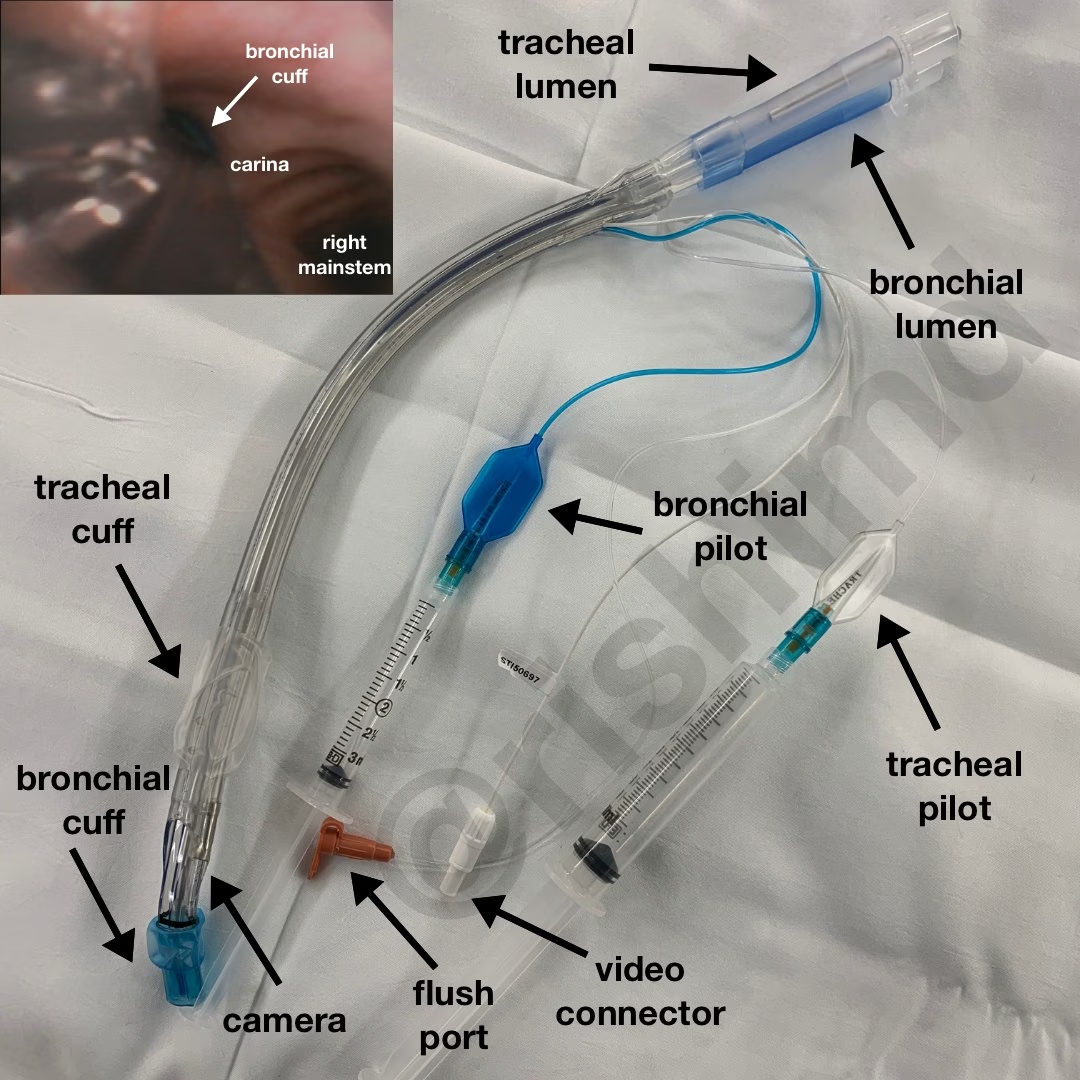
    VivaSight Double Lumen Endotracheal Tube

    As a cardiothoracic anesthesiologist, lung isolation (selectively ventilating only one lung) is an important technique I utilize for pneumonectomies, video-assisted thoracoscopic surgeries, sternum-sparing left ventricular assist device (LVAD) implantation, open thoracoabdominal aortic aneurysm repair, etc. As an intensivist, I rarely utilize lung isolation in the ICU to protect a healthy…

    Read More

  • Univent Endotracheal Tube (ETT)

    Univent Endotracheal Tube (ETT)

    Although double-lumen endotracheal tubes (ETTs) remain the gold standard for lung isolation for lateralized pulmonary hemorrhage/infection, massive bronchopleural fistulas, or facilitating certain surgeries, my trainees need to understand ALL the available options they have when it comes to airway management.

    Read More

  • LMA Supreme

    LMA Supreme

    I don’t consider myself fashionable or “brand aware” by any means, but I do get a chuckle every time I reach for a particular laryngeal mask airway (LMA) – the LMA Supreme™. Makes me feel a little bougie. 😉

    Read More

  • Lung Isolation With A Fogarty Balloon Catheter

    Lung Isolation With A Fogarty Balloon Catheter

    Independently controlling ventilation to each lung requires some form of lung isolation. This technique is a pivotal part of managing thoracic trauma and facilitating surgery in the chest (VATS, thoracoabdominal aneurysm repairs, esophagectomies, etc). Although a double lumen endotracheal tube (DL ETT) is considered the “gold standard”, bronchial blockers can…

    Read More

  • Performing A “Deep” Extubation

    Performing A “Deep” Extubation

    A “deep” extubation refers to removing an endotracheal tube (ETT) or laryngeal mask airway (LMA) while the patient is still under anesthesia and their airway reflexes (ie, gag) have not returned. Although there are no absolute indications for deep extubation, it’s often performed in pediatric anesthesia, neurosurgery, and ENT cases…

    Read More