• Maintenance of Certification in Anesthesiology (MOCA)

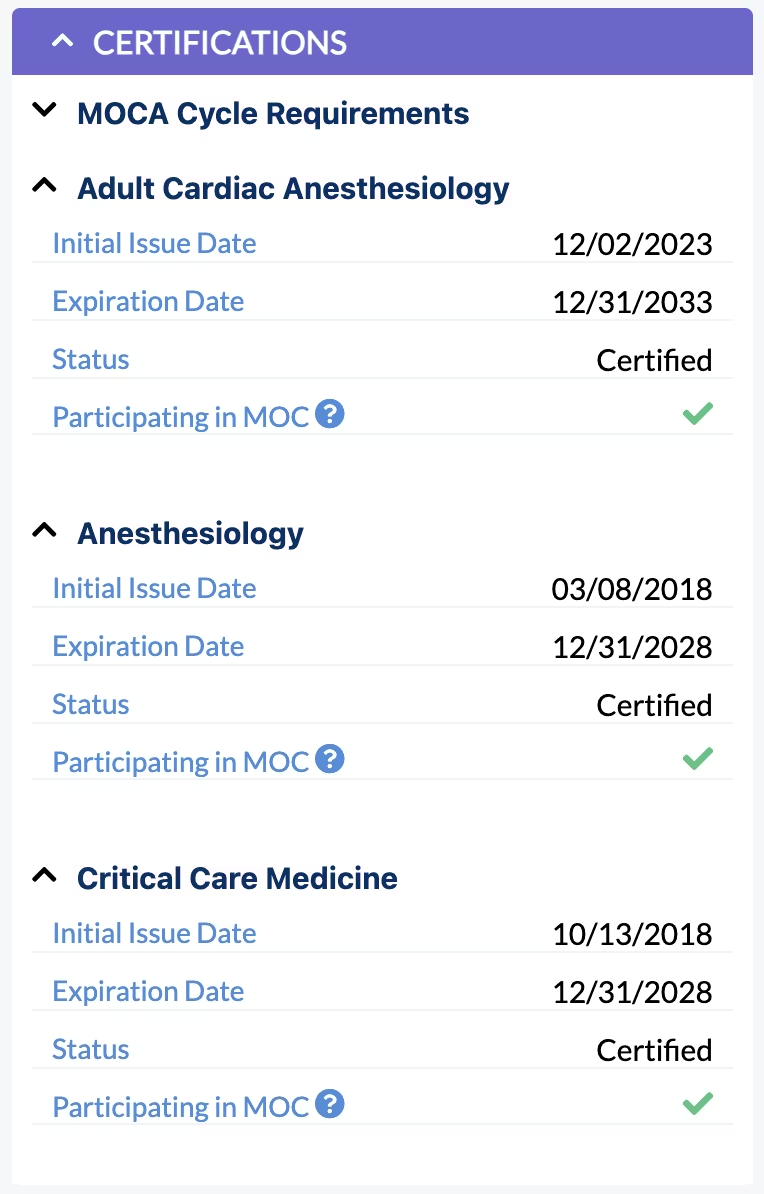
    Maintenance of Certification in Anesthesiology (MOCA)

    Maintenance of certification in anesthesiology (MOCA) evolved from an exam taken every decade to now having to complete 30 online questions every quarter, maintain an unrestricted license to practice medicine, obtain 250 category 1 continuing medical education (CME) credits (20 of which are approved as “patient safety” CMEs), and quality…

    Read More

  • Eutectic Mixture Of Local Anesthetics (EMLA)

    Eutectic Mixture Of Local Anesthetics (EMLA)

    A eutectic mixture refers to a combination of two or more substances that, when mixed in a specific ratio, form a mixture with a lower melting point than any of the individual components alone. As a cardiac anesthesiologist and intensivist, I occasionally use a eutectic mixture of local anesthetics (EMLA)…

    Read More

  • Paravertebral Nerve Block

    Paravertebral Nerve Block

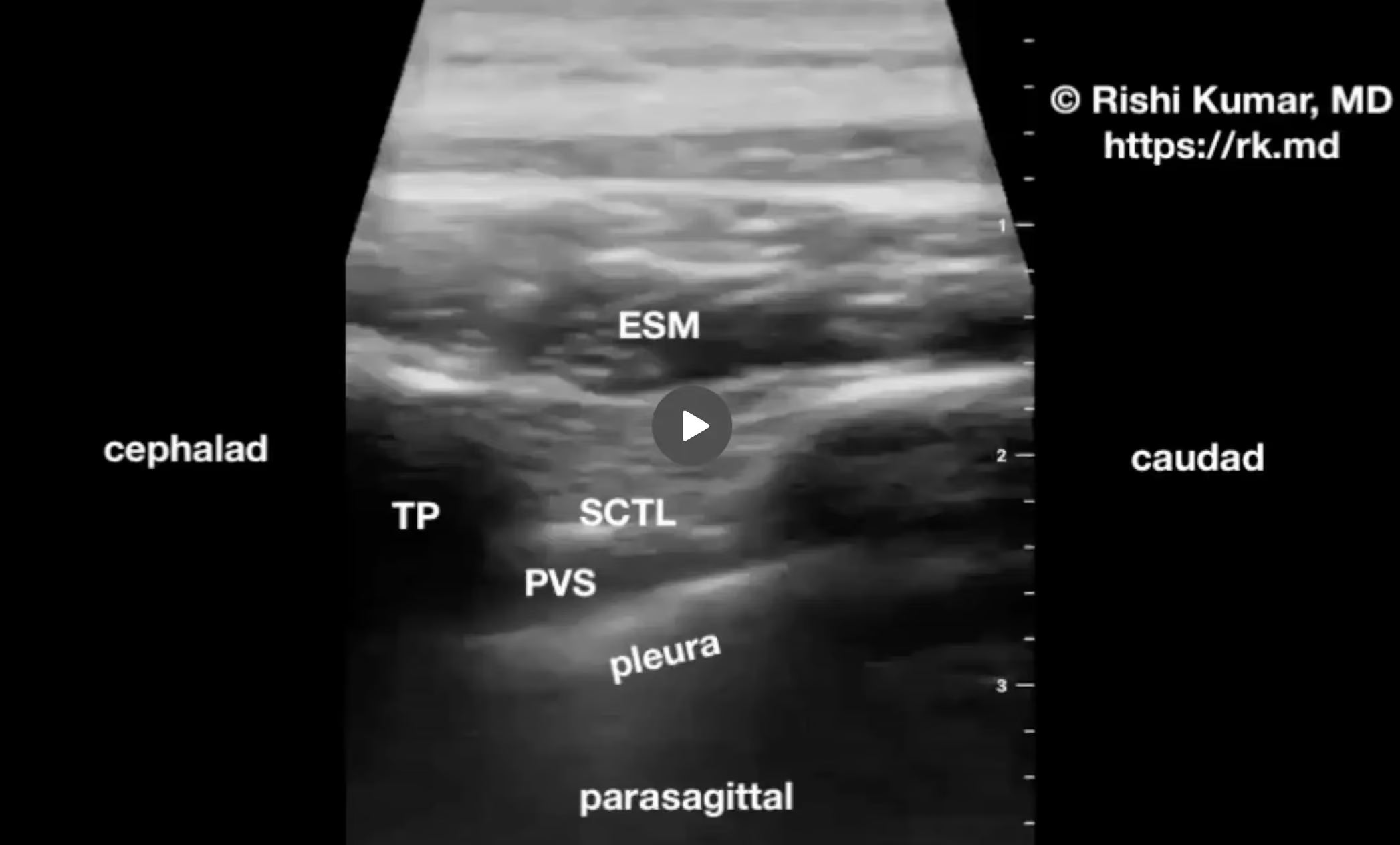
    Paravertebral nerve blocks (PVBs) are regional anesthetic techniques that target the paravertebral space (PVS), where spinal nerves emerge from the intervertebral foramina. They allow for segmental, unilateral anesthesia without the sympathectomy and motor blockade seen in neuraxial techniques. To facilitate extubation in the OR and a shorter overall hospital course,…

    Read More

  • Aprepitant

    Aprepitant

    Aprepitant (Emend) is a potent, oral antiemetic used to prevent chemotherapy-induced nausea and vomiting (CINV) and postoperative nausea and vomiting (PONV). Fosaprepitant is a prodrug of aprepitant, with the benefit that it can be administered intravenously for patients who are too nauseous to reliably take oral aprepitant. Aprepitant specifically targets and inhibits NK1 receptors,…

    Read More

  • Intravenous Fluid Comparison Table

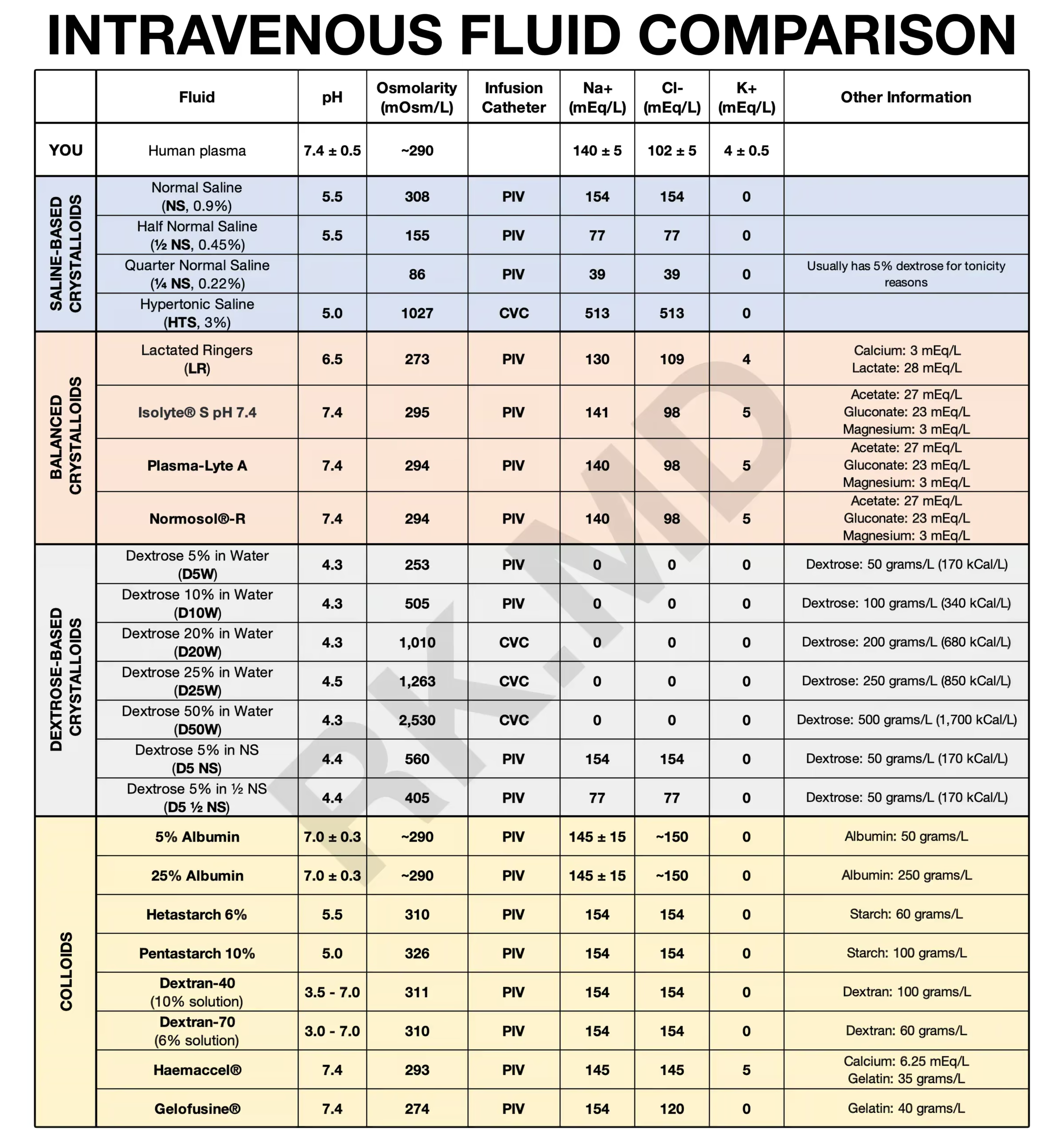
    Intravenous (IV) fluids are ubiquitous in medicine. Crystalloid fluids consist of electrolytes and/or dextrose. They are traditionally used to replace ongoing fluid losses, hydrate patients who cannot tolerate enteral intake, reconstitute medications, etc. Colloids contain larger molecular weight substances such as albumin and starch for low oncotic pressure (although their…

    Read More

  • Posey Cufflator Manometer

    Posey Cufflator Manometer

    Endotracheal tubes (ETTs) and tracheostomy tubes have pilot balloons which are inflated to expand a pilot cuff situated within the trachea below the vocal cords. This is termed a “secure airway.”

    Read More

  • Chewing Gum Before Surgery

    Chewing Gum Before Surgery

    The American Society of Anesthesiologists (ASA) preoperative fasting guidelines outline a certain number of hours patient should fast based on their last intake (ie, 6 hours for a light meal) The goal is to prevent perioperative aspiration of gastric contents into the airway. Fortunately, the new paradigm is now timely…

    Read More

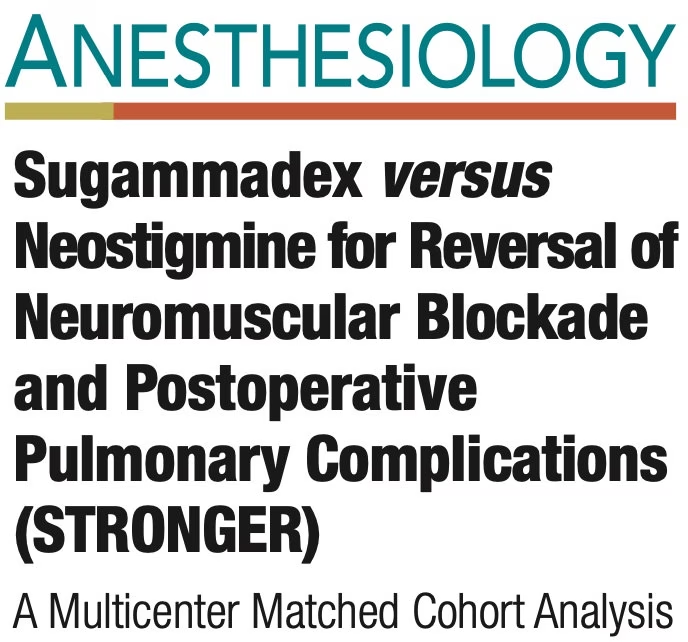
  • Reversal With Sugammadex Versus Neostigmine – Postoperative Pulmonary Complications (STRONGER)
  • Anesthetic Considerations For Cardiac Compression And Tamponade

    Anesthetic Considerations For Cardiac Compression And Tamponade

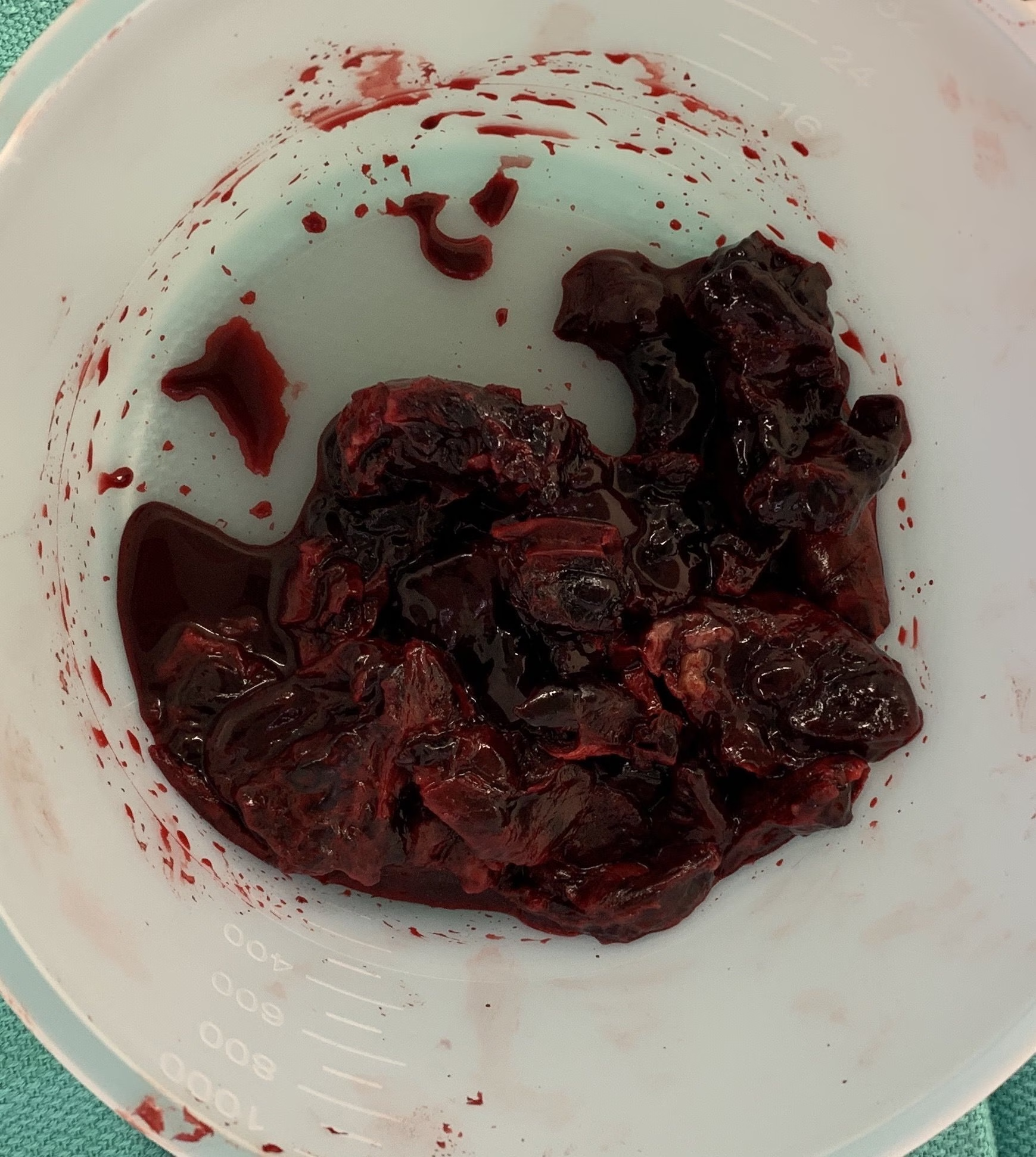
    Over the course of my training as a cardiac anesthesiologist and intensivist, I’ve come across many manifestations of cardiac compression ranging from hemorrhagic pericardial effusions to massive clots. Although the general teaching is to keep these patients “fast, full, and forward” by increasing the heart rate and intravascular volume status,…

    Read More

  • 7 Steps Of Medical Direction For Anesthesiologists

    7 Steps Of Medical Direction For Anesthesiologists

    As an anesthesiologist working with resident physicians and anesthesiologist assistants (AAs), I’m held accountable for the following seven steps of medical direction. In many cases, payers require documentation of these elements (even with I’m working alone). Electronic health records have (fortunately) streamlined many parts of this process through formal attestations…

    Read More