• 7 Steps Of Medical Direction For Anesthesiologists

    7 Steps Of Medical Direction For Anesthesiologists

    As an anesthesiologist working with resident physicians and anesthesiologist assistants (AAs), I’m held accountable for the following seven steps of medical direction. In many cases, payers require documentation of these elements (even with I’m working alone). Electronic health records have (fortunately) streamlined many parts of this process through formal attestations…

    Read More

  • You Pick Your Surgeon – Not Your Anesthesiologist

    You Pick Your Surgeon – Not Your Anesthesiologist

    Working “behind the curtain” in the operating room has given me insight about the incredible commitment we as anesthesiologists have to patient safety. In the course of a routine cardiac surgery, I administer a plethora of medications to maintain the anesthetic and hemodynamics but also make crucial decisions with my…

    Read More

  • “Awareness” During Monitored Anesthesia Care (MAC)

    “Awareness” During Monitored Anesthesia Care (MAC)

    Over the years, I’ve read and received accounts of patient experiences along the lines of: “I woke up during anesthesia!” This piqued my interest as awareness with recall during general anesthesia (GA) is a dreaded albeit rare complication occurring in ~0.1% of general anesthetics. Emergent cardiac, trauma, and obstetric surgeries…

    Read More

  • “Redheads Need More Anesthesia” – Fact Or Fiction?

    “Redheads Need More Anesthesia” – Fact Or Fiction?

    The notion that natural redheads need “more anesthesia” and/or are resistant to certain medications has been spread by the media (ie, The New York Times), the scientific literature, and even seasoned anesthesiologists who (anecdotally) claim this to be true.

    Read More

  • What To Expect The Day Of Heart Surgery

    What To Expect The Day Of Heart Surgery

    As a cardiothoracic anesthesiologist, I often meet patients who have wrapped their head around the fact that they are getting surgery, but they have a lot of fear about the anesthesia, cardiopulmonary bypass, and what to expect post-operatively in the ICU. So much of fear/anxiety is driven by the fact…

    Read More

  • Transporting Critically Ill Patients To The Operating Room

    Transporting Critically Ill Patients To The Operating Room

    For critically ill inpatients on multiple pressors, mechanical ventilation, and/or mechanical circulatory support devices, it’s customary for the anesthesiologist to be a part of the transport team. Over the years, I’ve seen countless styles of preparation for this important task that MANY operative staff take for granted. So much can…

    Read More

  • Premedication Before Surgery

    Premedication Before Surgery

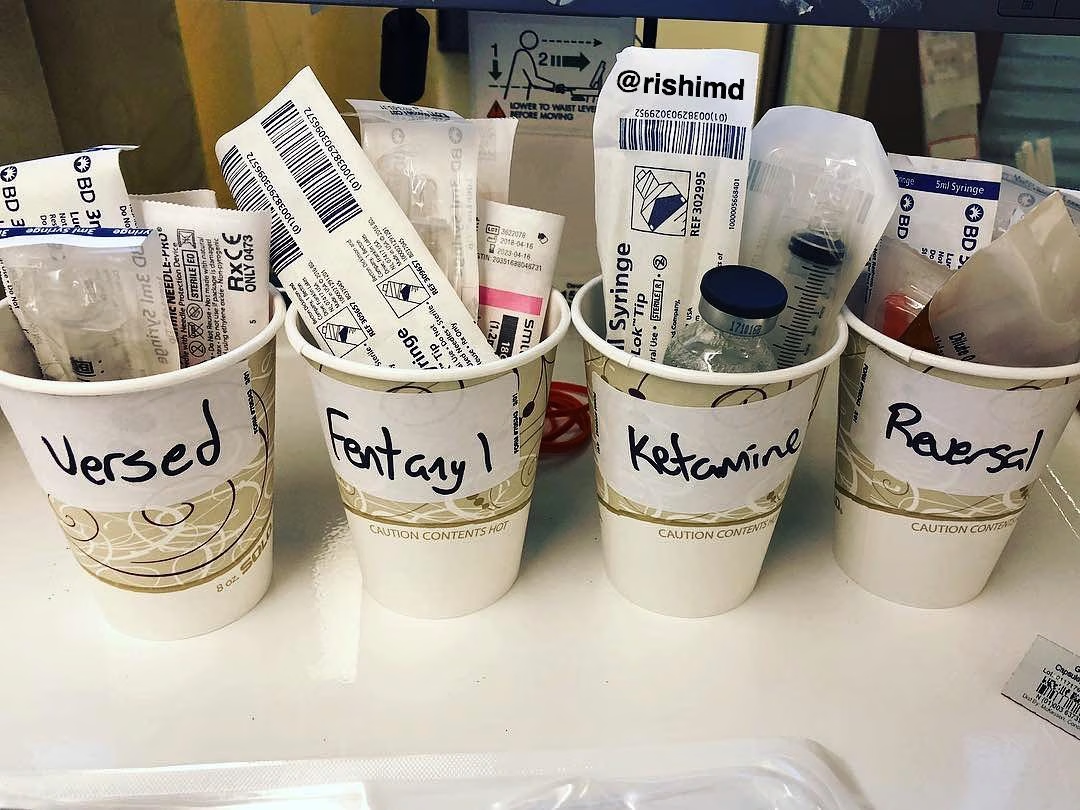
    In the perioperative world, “premedication” refers to pharmacologic therapy administered to relieve anxiety, provide light sedation, and even create some degree of antegrade amnesia prior to an operation. While there are many styles, I’m certainly a proponent of “verbal anxiolysis” by using humor, reassurance, and crystal clear language to paint…

    Read More

  • Intralipid

    Intralipid

    Intralipid (20% fat emulsion) is a formulation of intravenous fat primarily of soybean oil, glycerin, and egg yolk-derived phospholipids. As an intensivist, Intralipid provides supplementary nutrition to patients on parenteral nutrition; however, as an anesthesiologist, Intralipid is the “rescue” for local anesthetic systemic toxicity (LAST). Although I’ve never seen this…

    Read More

  • Total Intravenous Anesthesia (TIVA)

    Total Intravenous Anesthesia (TIVA)

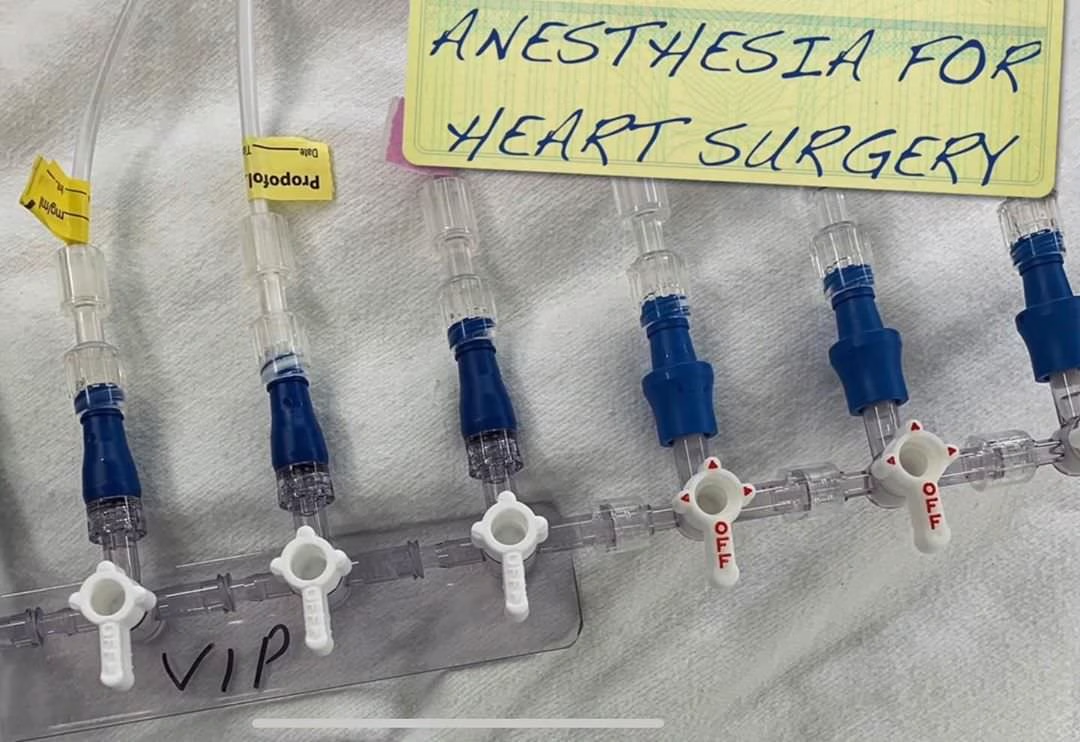
    Total intravenous anesthesia (TIVA) traditionally refers to general anesthesia maintained by intravenous medications without using inhaled volatile (“gas”) anesthetics. To safely accomplish this, one must understand the pharmacokinetics involved with maintaining an appropriate plasma/brain concentration for a given medication (propofol, dexmedetomidine, opioids, ketamine, etc.) and the synergy/side effects of these…

    Read More

  • Visiting The Ether Dome

    Visiting The Ether Dome

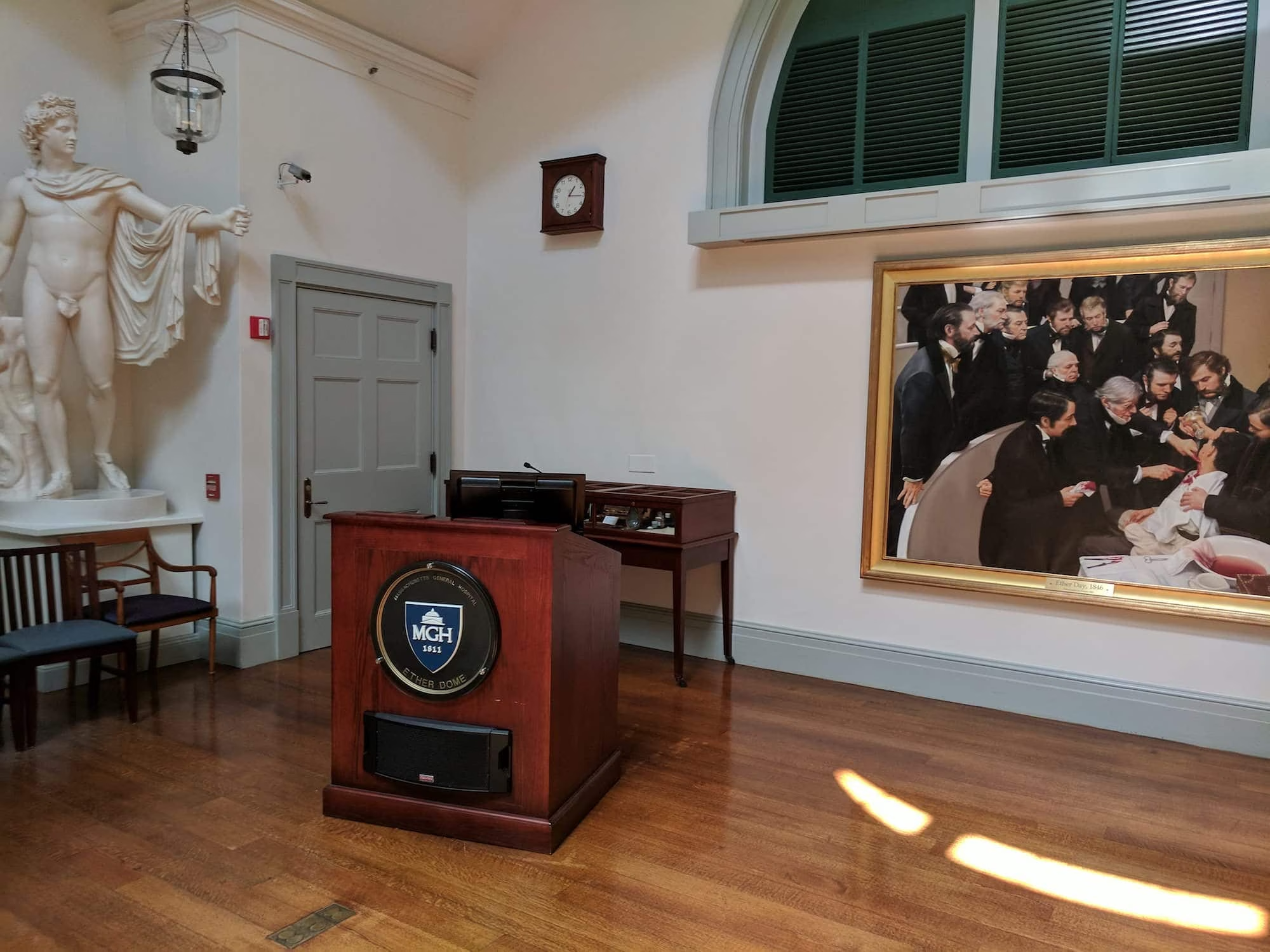
    The Ether Dome at Massachusetts General Hospital is a historical site in medicine for serving as the amphitheater for the first public demonstration of surgical anesthesia by William T.G. Morton on October 16, 1946. Here are some pictures from when I visited. :-)

    Read More