• Ertapenem

    Ertapenem

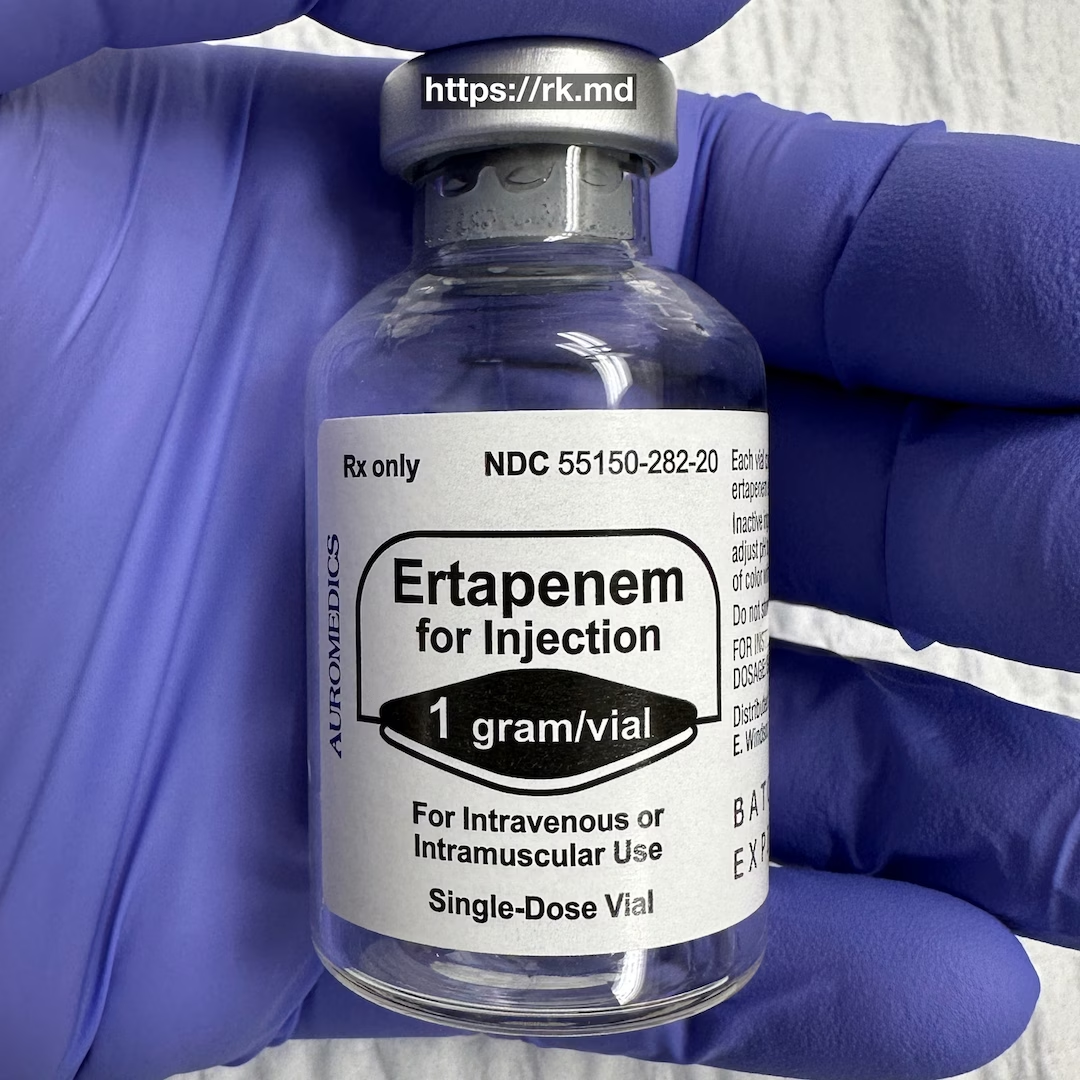
    Ertapenem (Invanz) is an intravenous carbapenem antibiotic. Compared to meropenem, ertapenem has a more limited spectrum of activity, notably lacking activity against Pseudomonas, Acinetobacter, and Enterococcus – some very important healthcare-associated organisms. Furthermore, it’s not an excellent option for penicillin-resistant pneumococci. Although I rarely use this antibiotic in my OR…
    Read More

  • Clindamycin

    Clindamycin

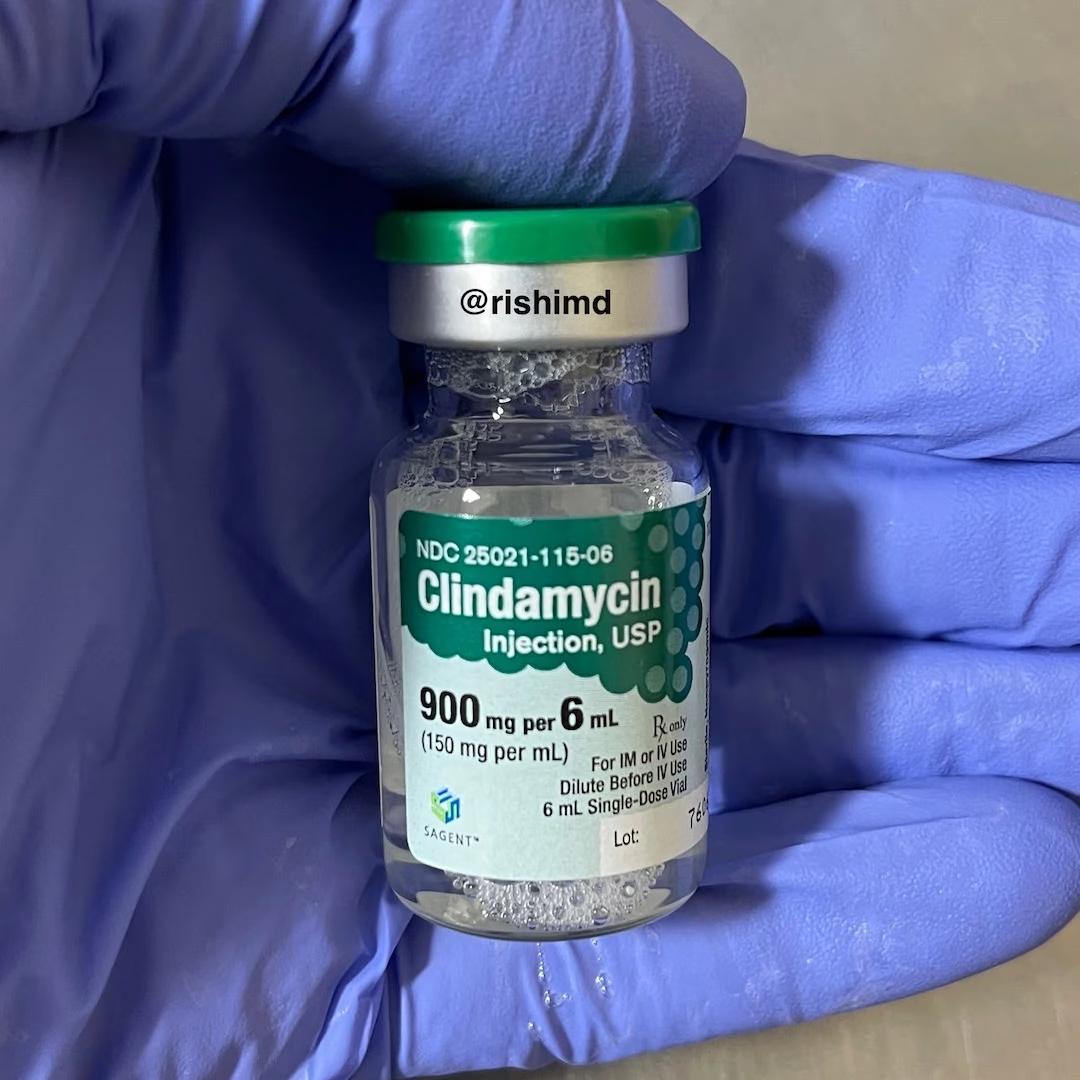
    Clindamycin is an oral and intravenous antibiotic that works by inhibiting the 50S ribosomal subunit required for bacterial protein synthesis. It has excellent activity against gram-positive cocci (e.g., Streptococcus and Staphylococcus, limited coverage of MRSA, not Enterococcus) and anaerobic organisms and is therefore used for infections involving the skin and…

    Read More

  • Cefoxitin

    Cefoxitin

    Cefoxitin (Mefoxin) is an intravenous cephamycin antibiotic (sometimes classified as a second-generation cephalosporin subgroup) that binds penicillin-binding proteins thereby disrupting the formation of bacterial cell walls. Compared to first-generation cephalosporins like cefazolin, cefoxitin is less active against Staph species. As a tradeoff, it has activity against some gram-negative rods, and…

    Read More

  • Gentamicin

    Gentamicin

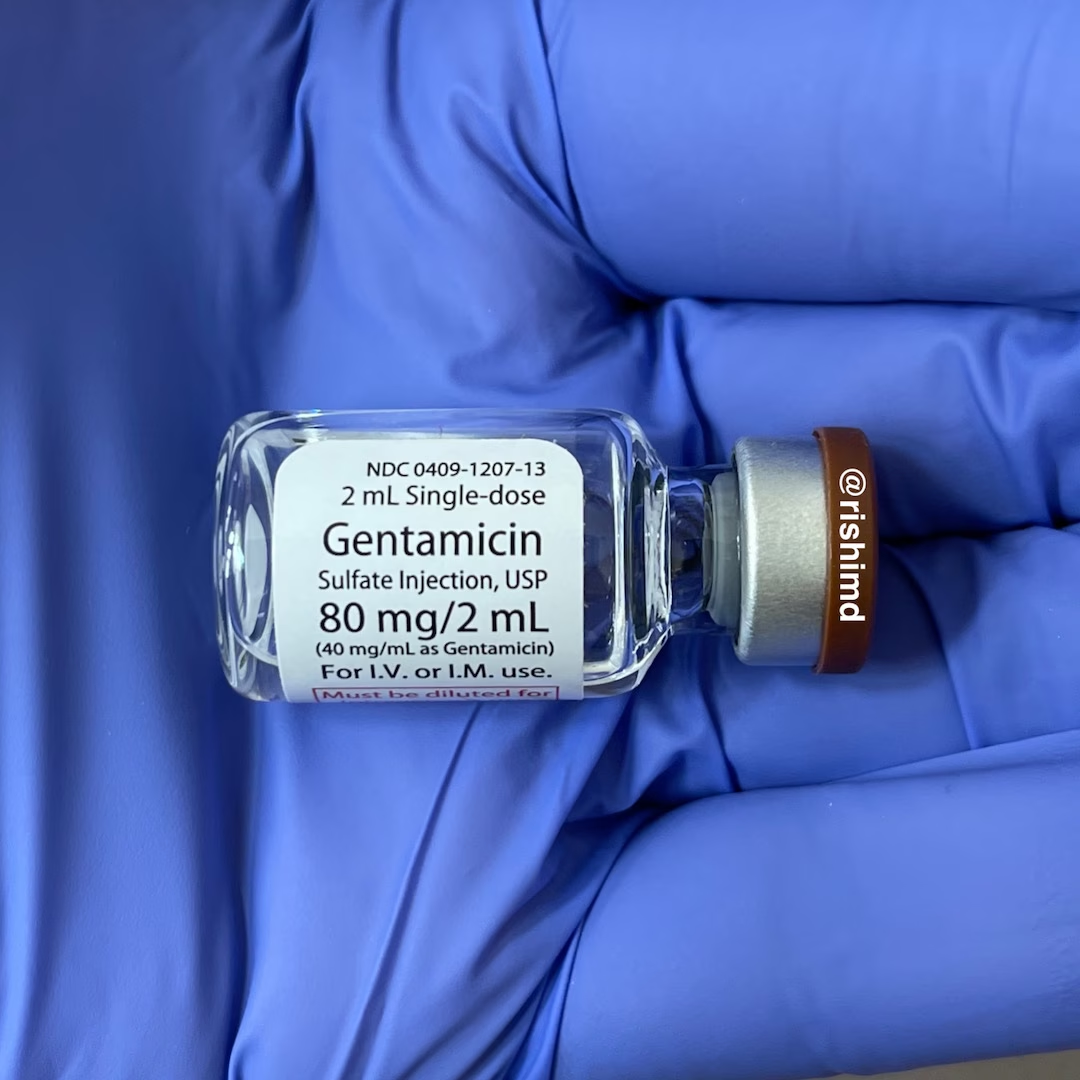
    Gentamicin is an intravenous, intramuscular, and topical aminoglycoside bactericidal antibiotic that works by interfering with bacterial protein synthesis. By binding the 30S subunit of the bacterial ribosome, proteins are improperly translated leading to bacterial death.

    Read More

  • Polymyxin B

    Polymyxin B

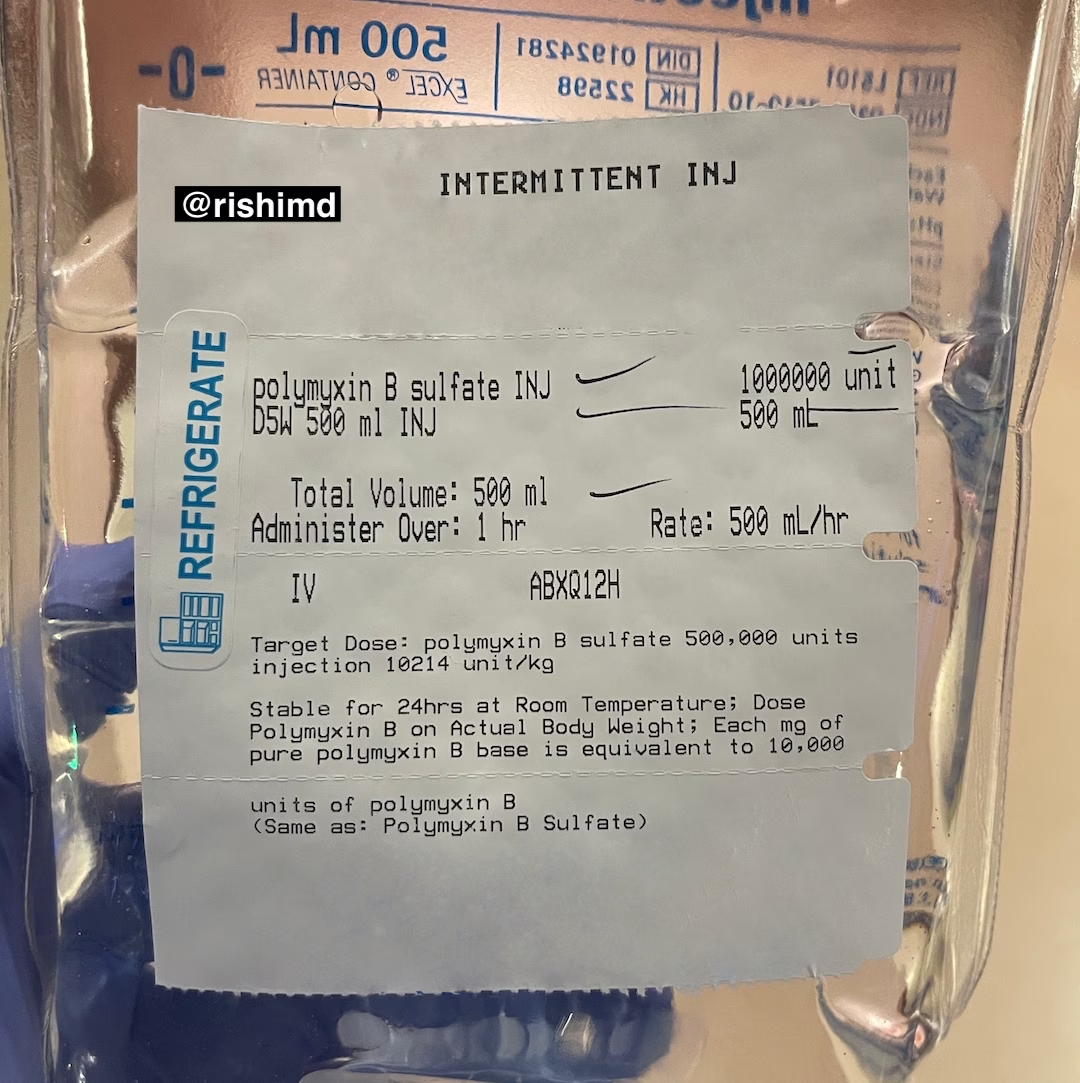
    Polymyxin B is a “last-line” antibiotic primarily used to treat hospital-acquired gram-negative infections that are resistant to essentially all other conventional antibiotics. As an intensivist, I’ve had to use polymyxin B for two very resistant nosocomial bugs: Acinetobacter and Stenotrophomonas. It can also be used for resistant Enterobacteriaceae, Pseudomonas, Salmonella,…

    Read More

  • Avycaz

    Avycaz

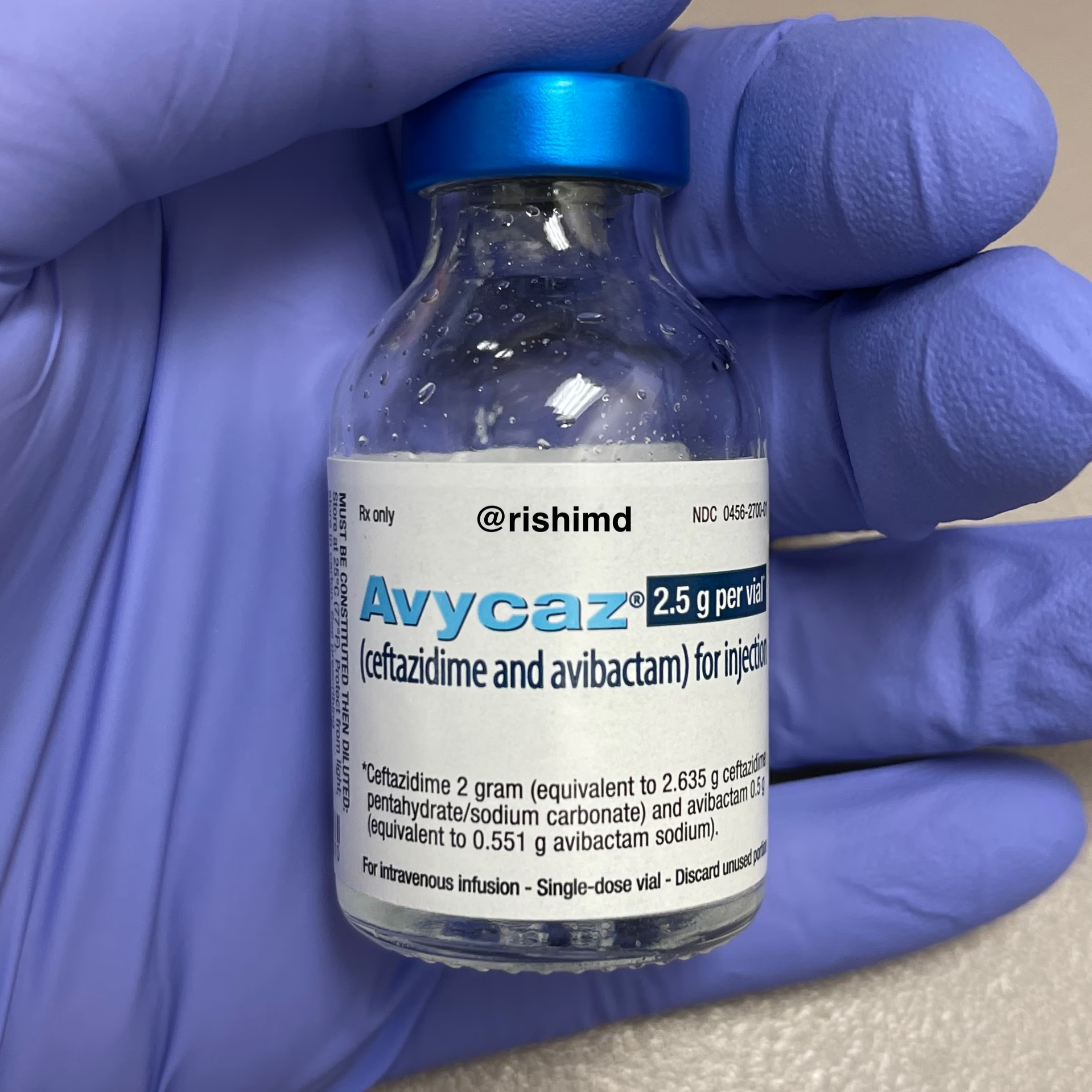
    Ceftazidime-avibactam (Avycaz) is an intravenous antibiotic combining a third-generation cephalosporin (inhibits cross-linking of peptidoglycan used to form the bacterial cell wall) with a β-lactamase inhibitor (inhibits a bacterial enzyme which degrades β-lactam antibiotics). Avycaz is used to treat complicated intra-abdominal infections (often with metronidazole), complicated urinary tract infections, and hospital-acquired pneumonia.…

    Read More

  • Tigecycline

    Tigecycline

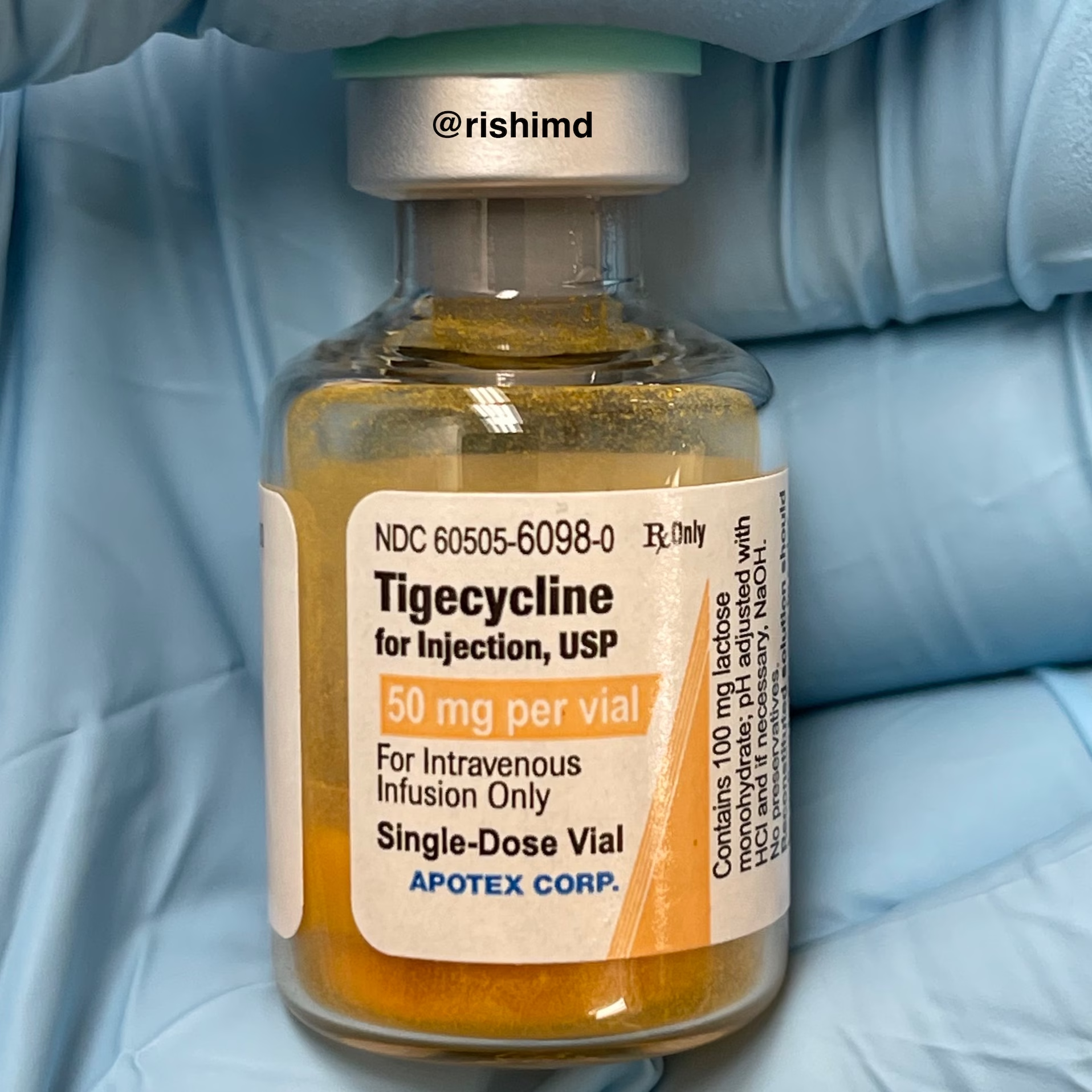
    Tigecycline (Tygacil) is an intravenous glycylcycline antibiotic used to treat a variety of skin/soft tissue infections, complicated intra-abdominal infections, and community-acquired pneumonia (NOT hospital/ventilator-acquired pneumonia).

    Read More

  • Doxycycline

    Doxycycline

    Doxycycline is an oral and intravenous bacteriostatic tetracycline antibiotic which binds to the 30S bacterial ribosomal subunit rendering protein synthesis ineffective. This class of antibiotics has a broad range encompassing some coverage for MRSA, gram negatives, and atypical organisms. Among these are early Lyme disease, vibrio, brucellosis, Q fever, anthrax,…

    Read More

  • Rifampin

    Rifampin

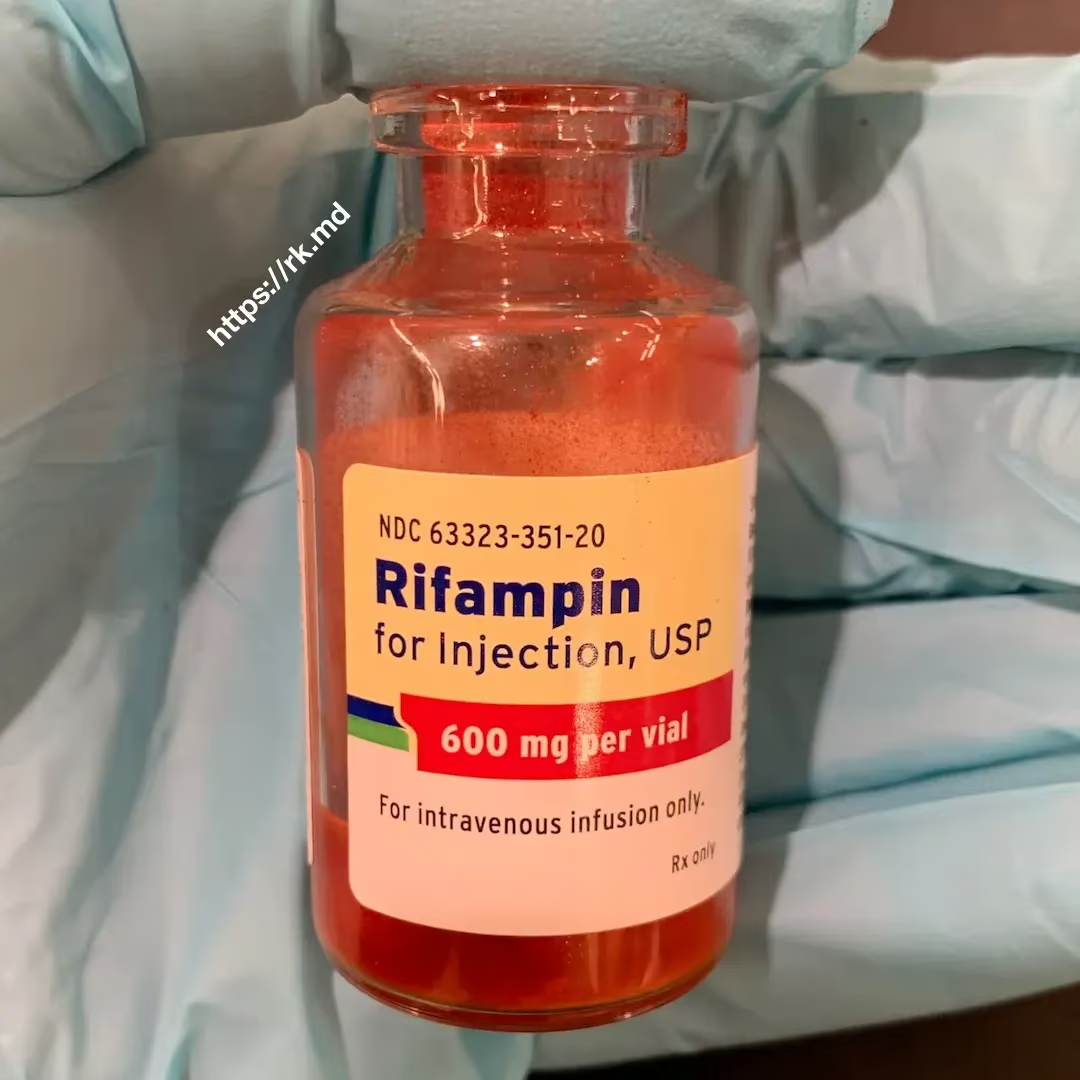
    Rifampin is the most commonly used oral/IV antibiotic among the rifamycins (rifabutin, rifapentine, etc.) Rifampin acts at the level of RNA transcription by inhibiting bacterial DNA-dependent RNA polymerase. This drug has excellent oral bioavailability and tends to concentrate intracellularly. Classically, rifampin is used in combination with medications like isoniazid to…

    Read More

  • HCQ Or Chloroquine +/- Macrolide For COVID-19

    HCQ Or Chloroquine +/- Macrolide For COVID-19

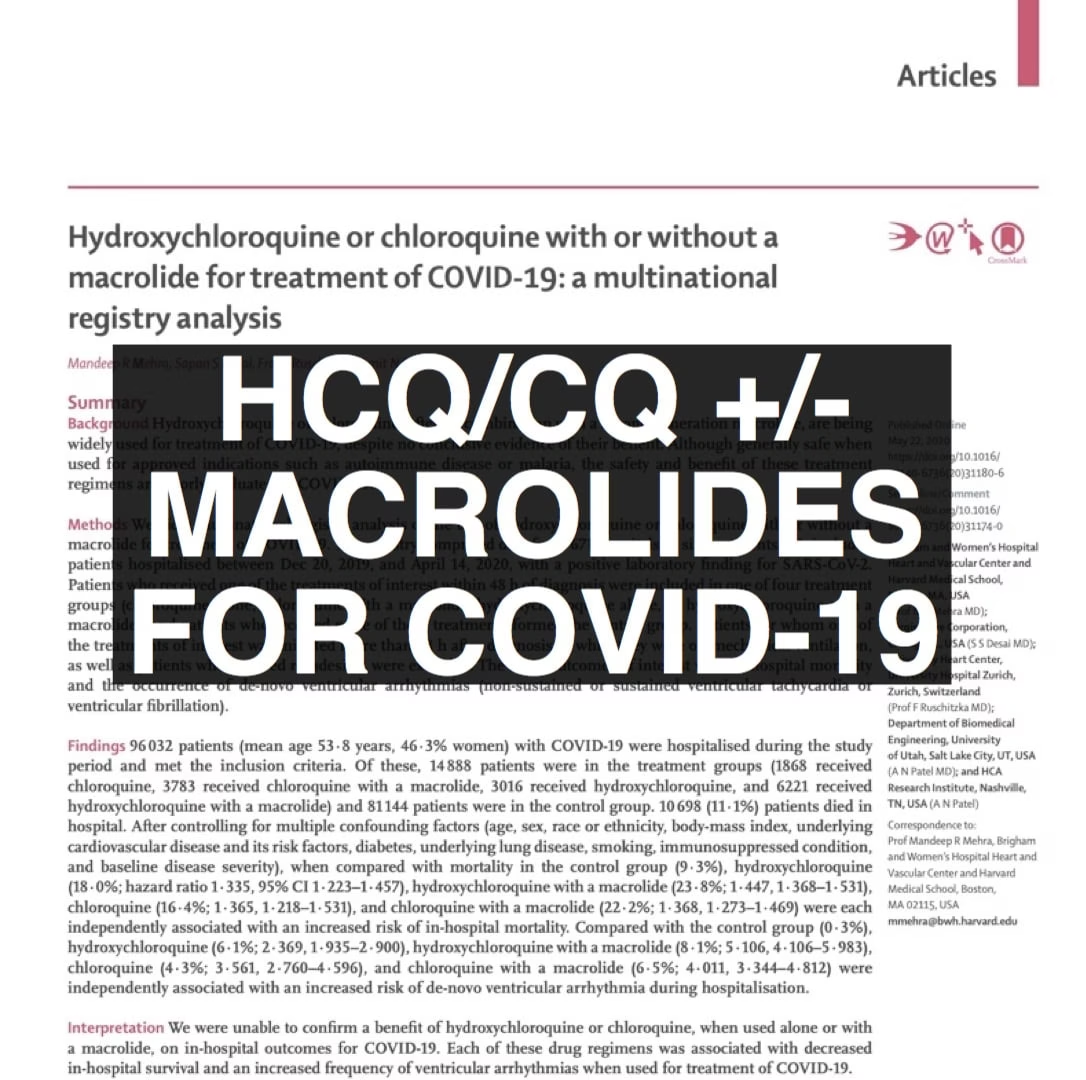
    This observational Lancet study compared ~96,000 patients across 671 international hospitals with a positive COVID-19 diagnosis who received hydroxychloroquine (HCQ) +/- a macrolide (ie, azithro) or chloroquine +/- a macrolide (four total treatment arms) to a control arm that received none of the aforementioned therapies. The primary outcome was In-hospital…

    Read More