• Fluconazole

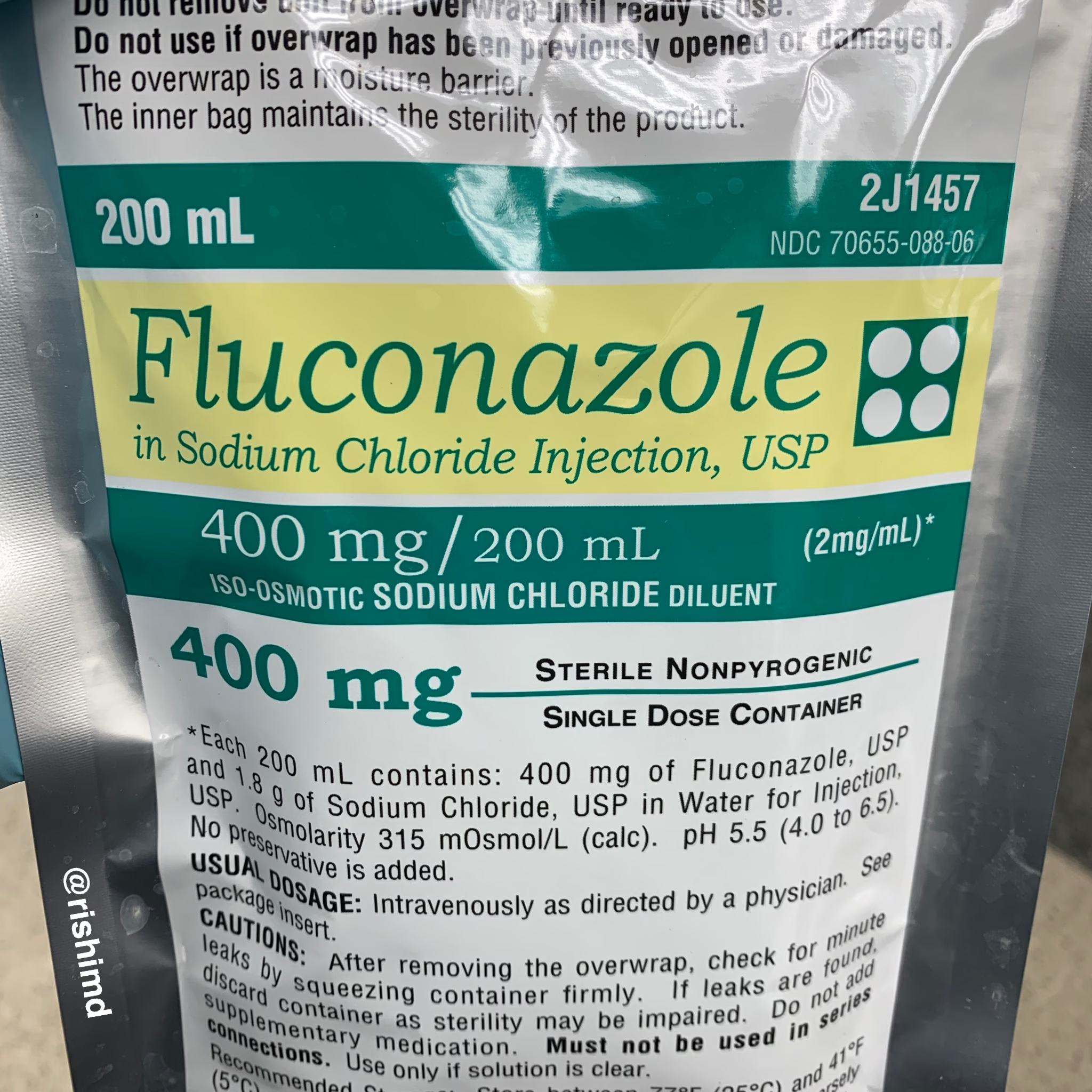
    Fluconazole

    Fluconazole (Diflucan) is an intravenous and oral antifungal medication that inhibits ergosterol synthesis (an important component of fungal cell membranes). As an intensivist, I most often use this medication to cover Candida albicans infections (especially symptomatic cystitis given fluconazole’s excellent urine penetration); however, it doesn’t cover C. krusei and has…
    Read More

  • Unasyn

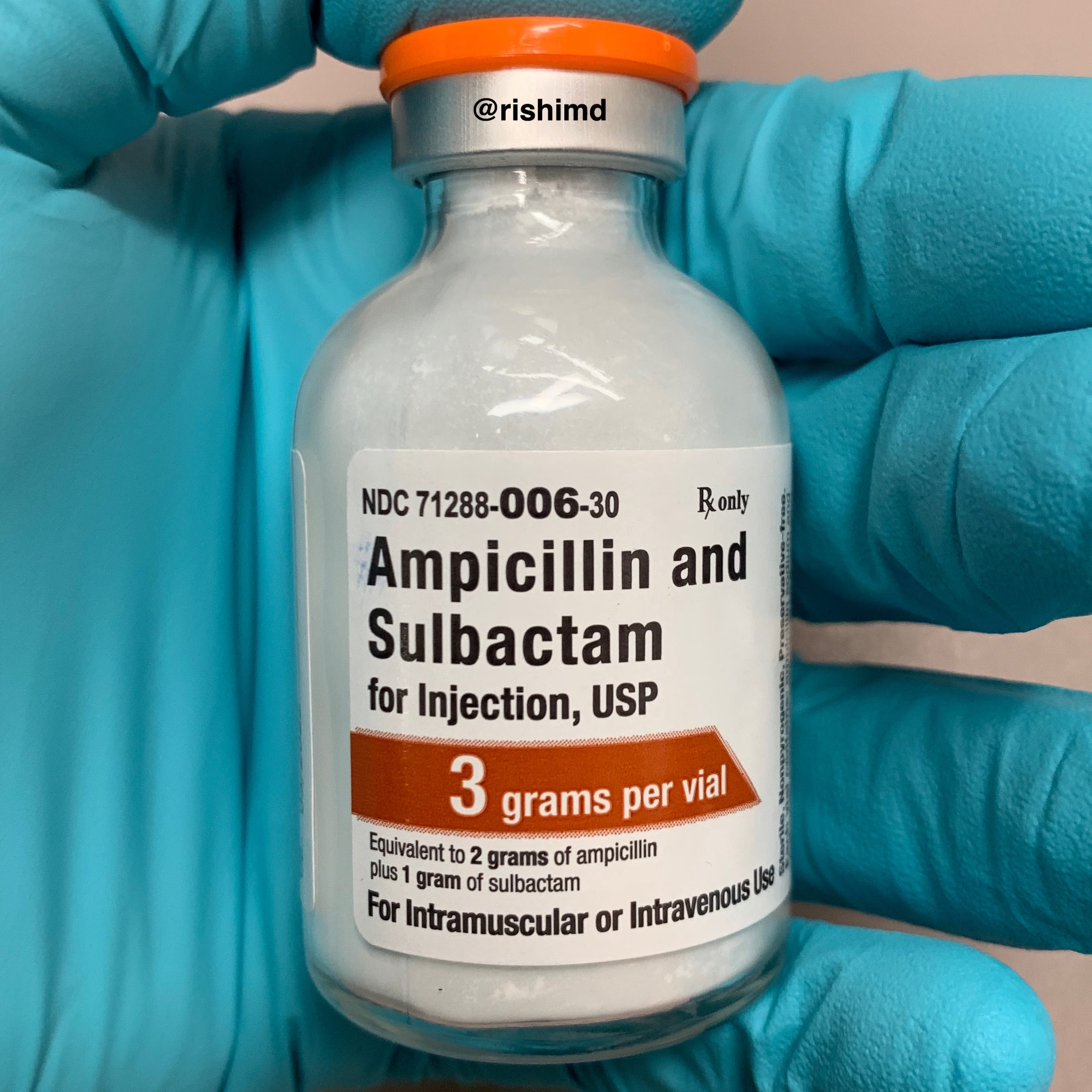
    Unasyn

    Unasyn (ampicillin-sulbactam) is an intravenous antibiotic that I most often use for ENT-related infections/prophylaxis but sometimes gynecologic and intraabdominal infections as well (Zosyn being another common alternative).

    Read More

  • Lefamulin

    Lefamulin

    Lefamulin (Xenleta) is an intravenous and oral antibiotic approved for community acquired bacteria pneumonia (CABP). Similar to antibiotics like clindamycin and linezolid, lefamulin inhibits bacterial protein synthesis by acting on the 50S ribosomal subunit. What’s wonderful about this new antibiotic is that is has activity against the most common causes…

    Read More

  • Azithromycin

    Azithromycin

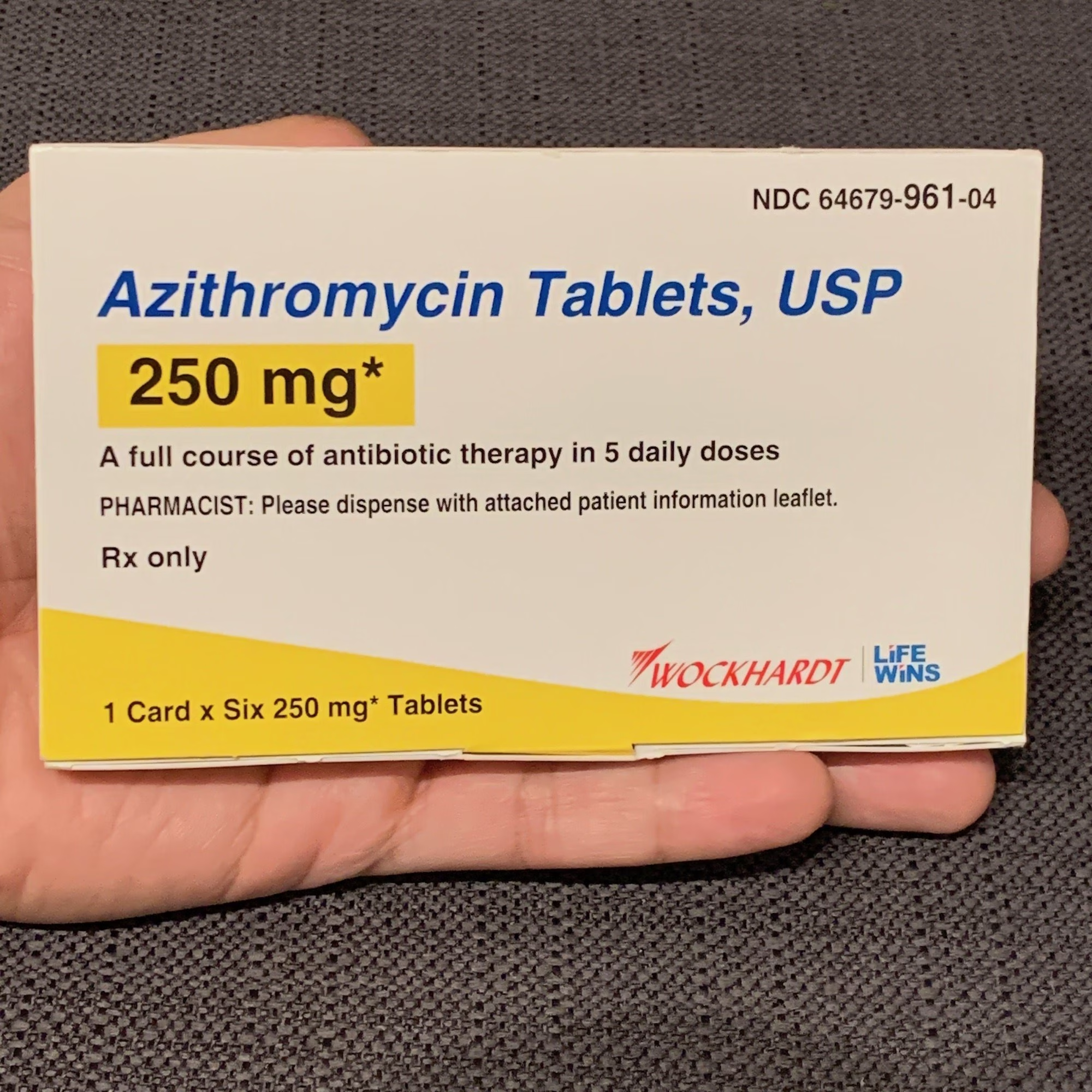
    Azithromycin (Zithromax) is an oral and intravenous macrolide antibiotic I most commonly use to treat atypical and community-acquired pneumonias (CAP) in the intensive care unit. Outside of the ICU, the classic “Z-Pak” consists of a 500 mg load on day 1 followed by 250 mg daily on days 2-5. Similar…

    Read More

  • Ceftriaxone

    Ceftriaxone

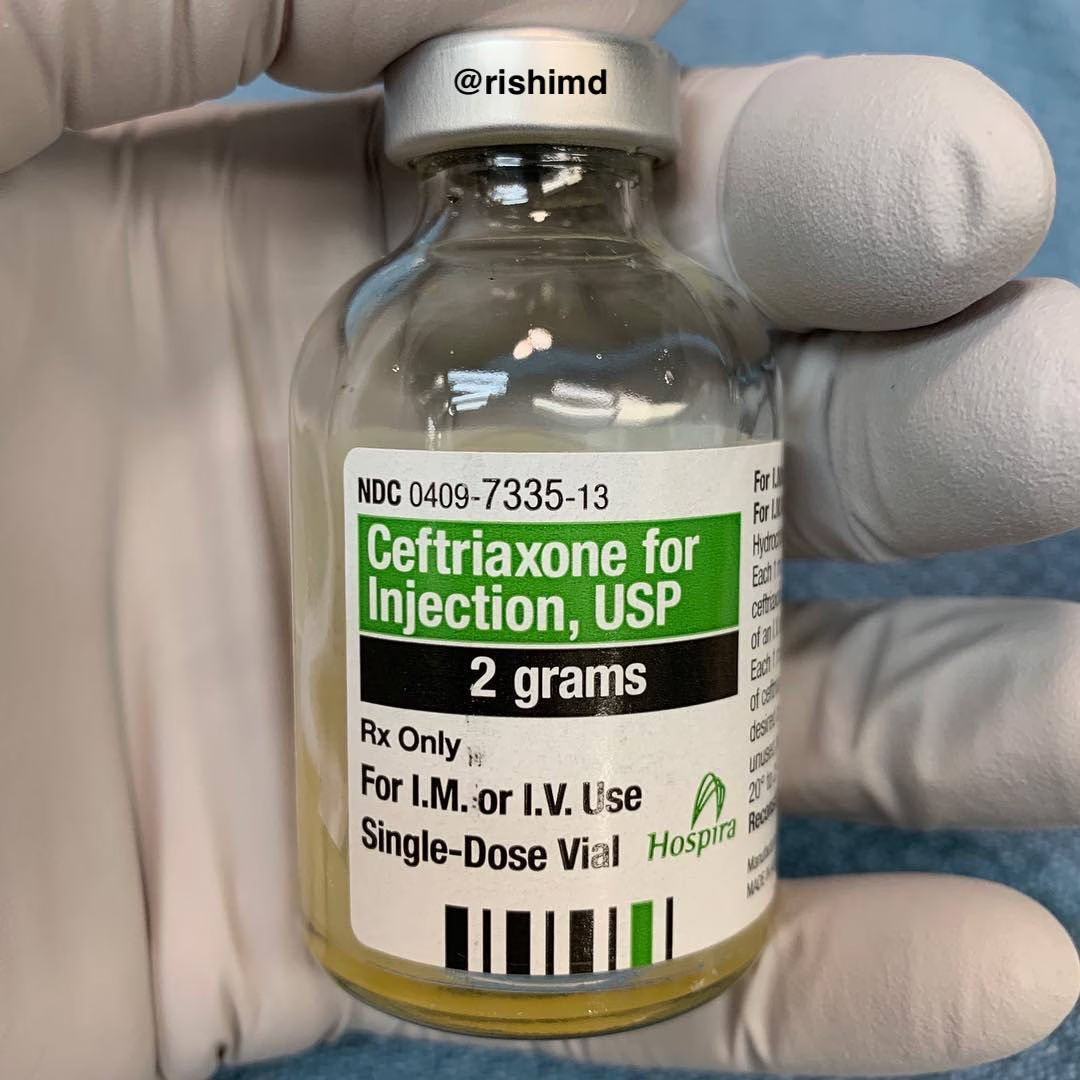
    Ceftriaxone (Rocephin) is an intravenous/intramuscular third generation cephalosporin that provides decent aerobic gram positive coverage (ie, pneumococcus although bacterial resistance is growing) but wonderful gram negative coverage against organisms like E. coli, Klebsiella, H. flu, and Proteus. Anaerobic bacteria and Pseudomonas are NOT covered by ceftriaxone.

    Read More

  • Cefazolin

    Cefazolin

    Cefazolin (Ancef) is a first generation cephalosporin and arguably the most common antibiotic used for surgical prophylaxis (typically for skin flora). It provides gram positive coverage but only minor gram negative coverage.

    Read More

  • Meropenem

    Meropenem

    Meropenem (Merrem) is a broad spectrum intravenous antibiotic and member of the carbapenem β-lactam drug class. These antibiotics are often reserved for multidrug resistant organisms (MDR) causing a wide variety of serious infections like hospital acquired pneumonia, intraabdominal infections, neutropenic fever, complicated soft tissue infections, and gram negative sepsis.

    Read More

  • Zosyn

    Zosyn

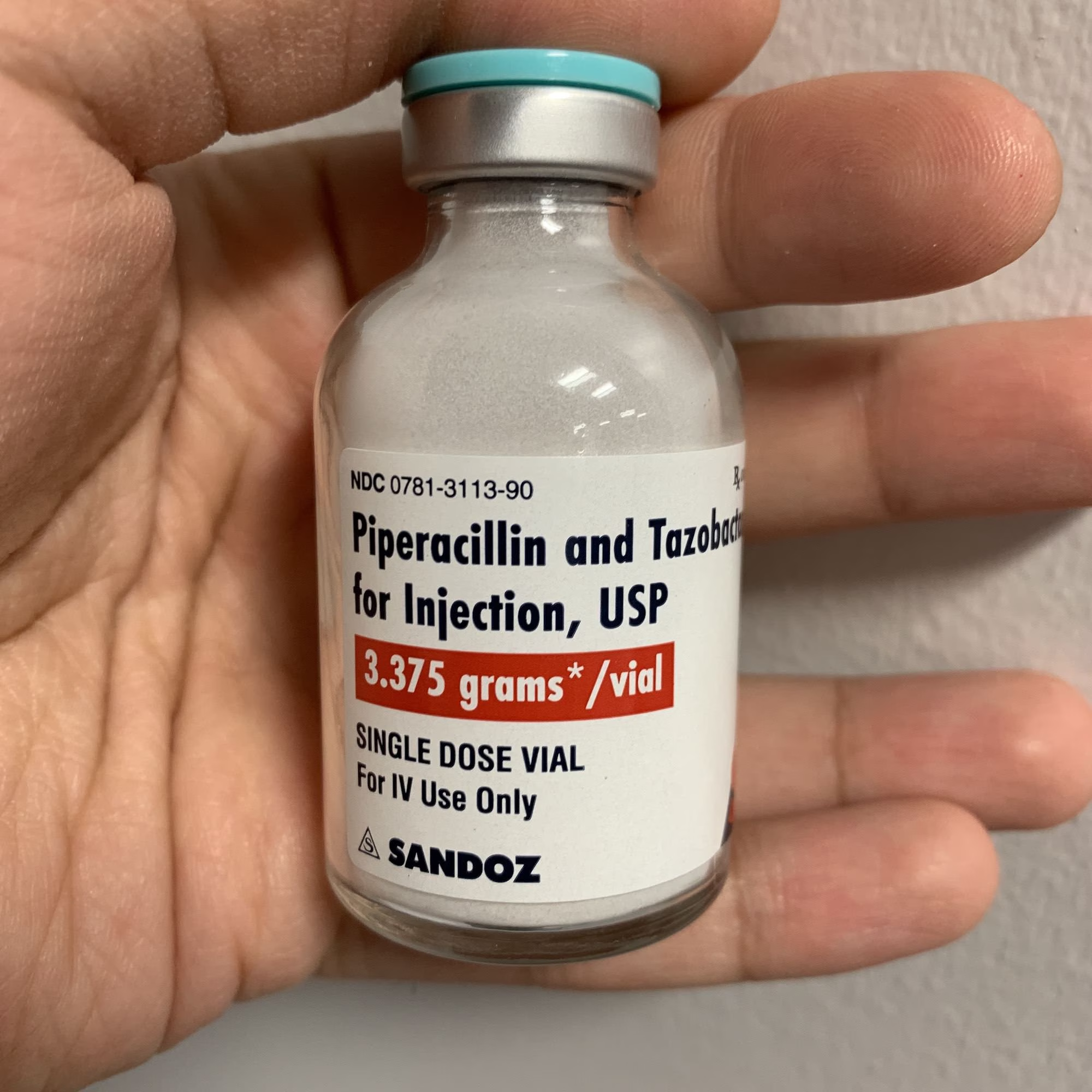
    Zosyn (pipercillin-tazobactam or “pip-tazo”) is an intravenous combination of a β-lactam antibiotic with a β-lactamase inhibitor. β-lactamase is an enzyme implicated in antibiotic resistance that breaks down penicillins, cephalosporins, etc., so inhibiting it may make the antibiotic more efficacious in settings where it would be rendered inactive. Zosyn has gram…

    Read More

  • Cefepime

    Cefepime

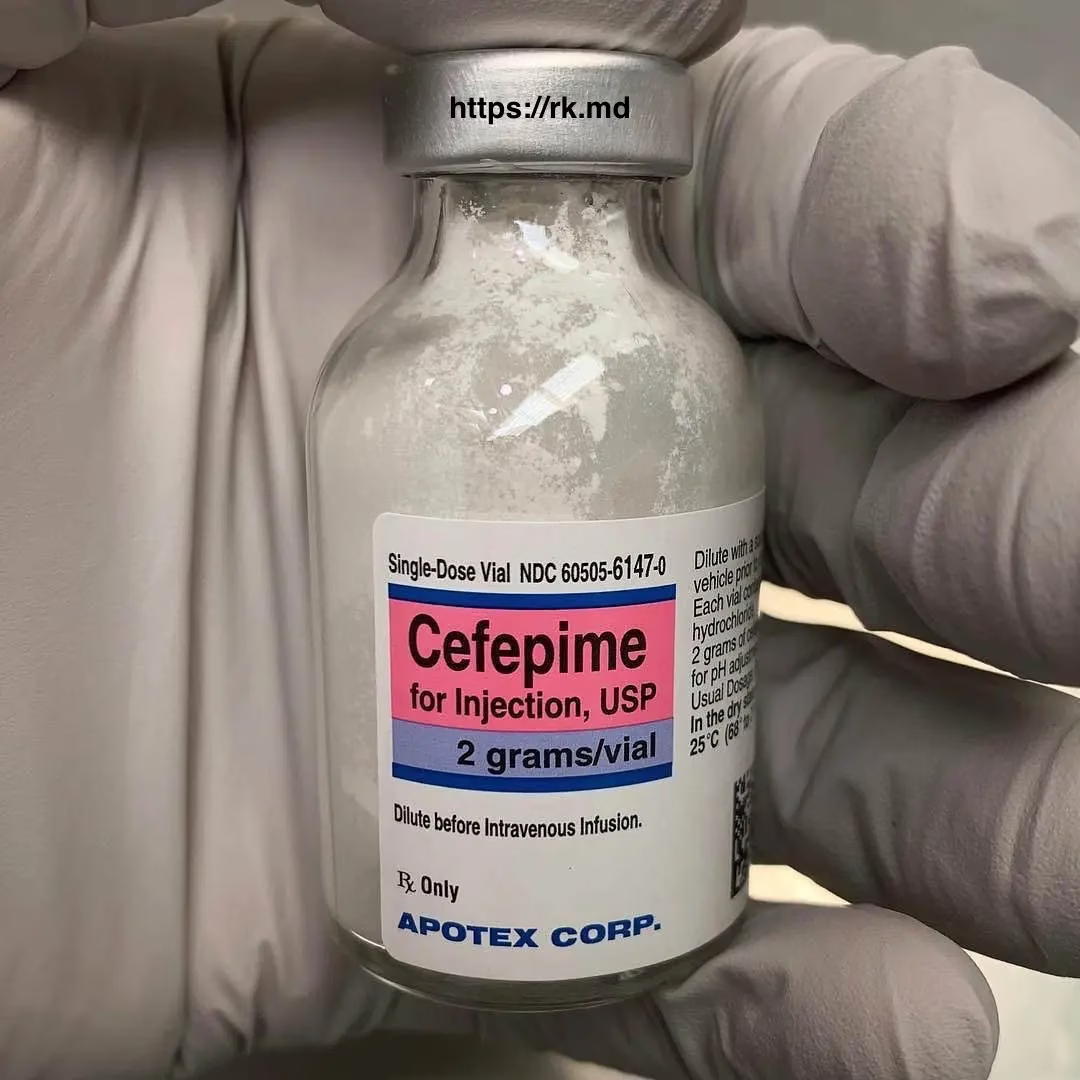
    Cefepime (Maxipime) is a broad-spectrum intravenous antibiotic commonly used to treat infections in inpatient and intensive care settings. Cefepime exerts its antibacterial effect by inhibiting bacterial cell wall synthesis. Specifically, it binds to penicillin-binding proteins (PBPs), essential for cell wall synthesis’s final stages. This results in the inhibition of bacterial…

    Read More

  • Ciprofloxacin

    Ciprofloxacin

    Ciprofloxacin (Cipro) is a relatively inexpensive intravenous, oral, and topical fluoroquinolone antibiotic used to treat a myriad of conditions ranging from complicated urinary tract infections (UTIs) and infectious diarrhea to intraabdominal infections and even the plague and inhalational anthrax post-exposure. This class of bactericidal medications works by inhibiting DNA gyrase…

    Read More