
• Halogenated Volatiles

    Halogenated Volatiles

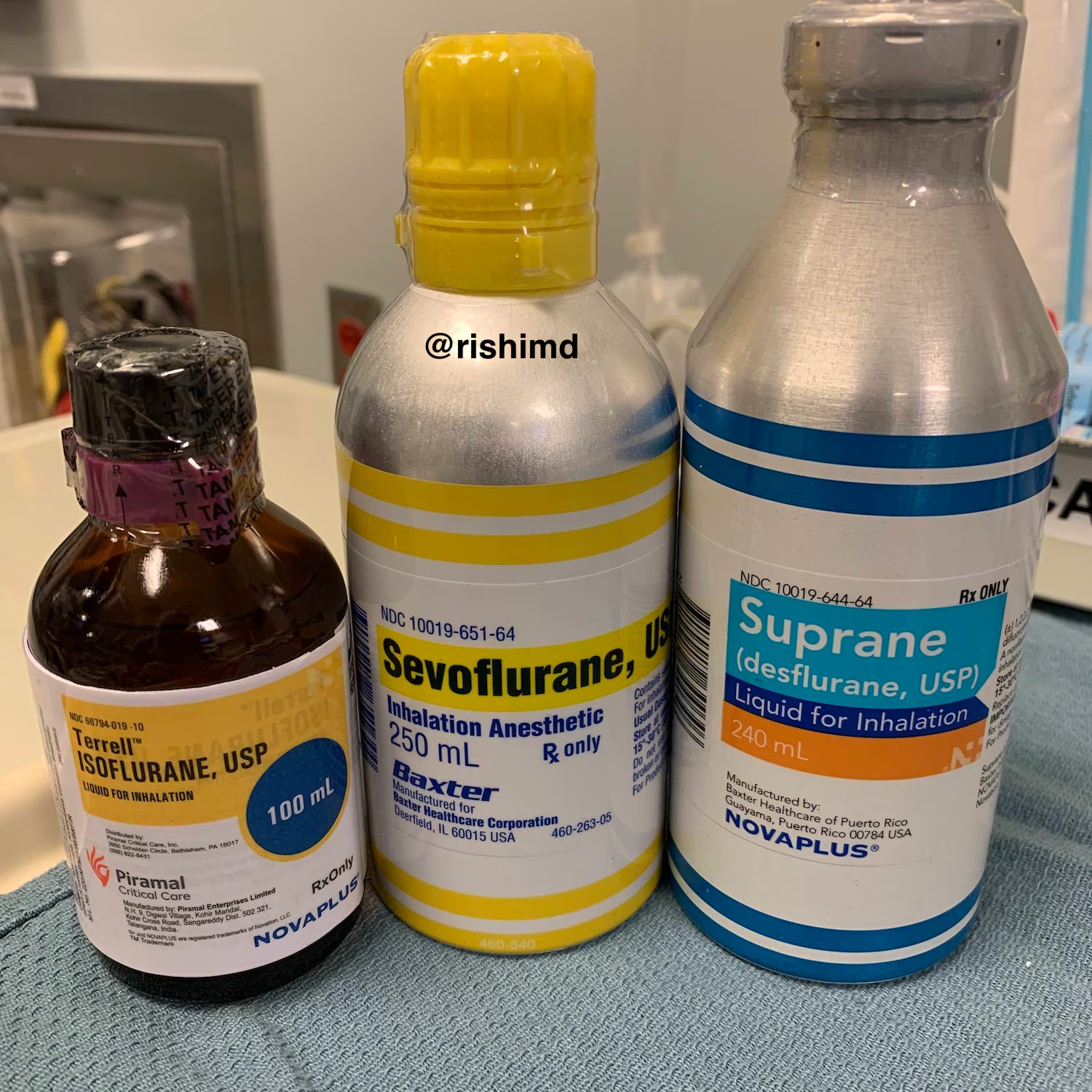
    Halogenated volatile anesthetics (“anesthesia gases”) serve as the backbone for maintaining most of the general anesthetics I perform. Although their mechanism is not completely understood, studies suggest that they alter membrane proteins in the lipid bilayer while potentiating the effects of GABA – an inhibitory neurotransmitter – in the brain…
    Read More

  • Propofol

    Propofol

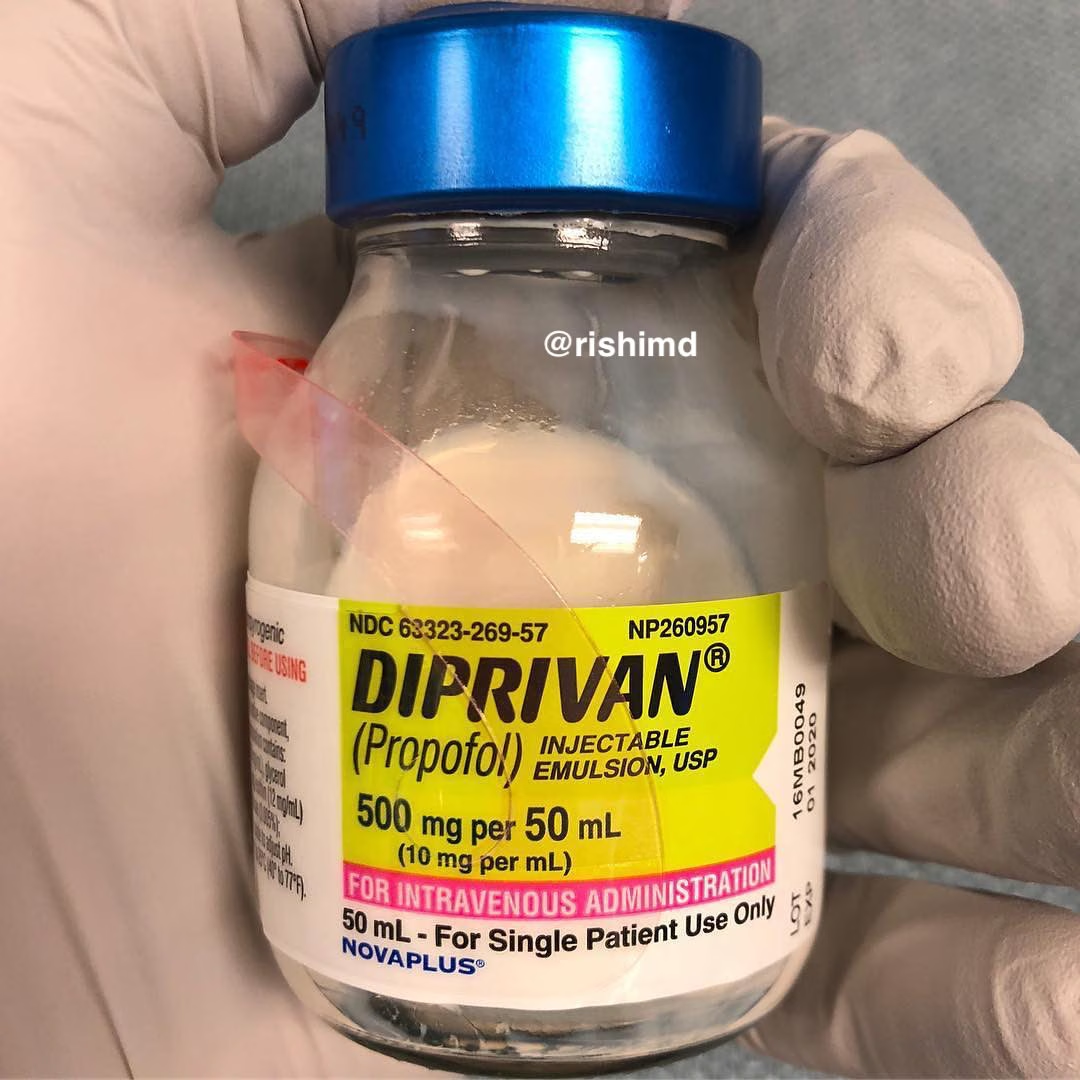
    Propofol (Diprivan) is perhaps the most well known intravenous hypnotic used in perioperative and intensive care medicine. This “milk of amnesia” is prepared in a lecithin-based (purified egg yolk) emulsion. Similar to many other IV anesthetics, propofol potenPropofol (Diprivan) is perhaps the most well-known intravenous hypnotic used in perioperative and…

    Read More

  • Etomidate

    Etomidate

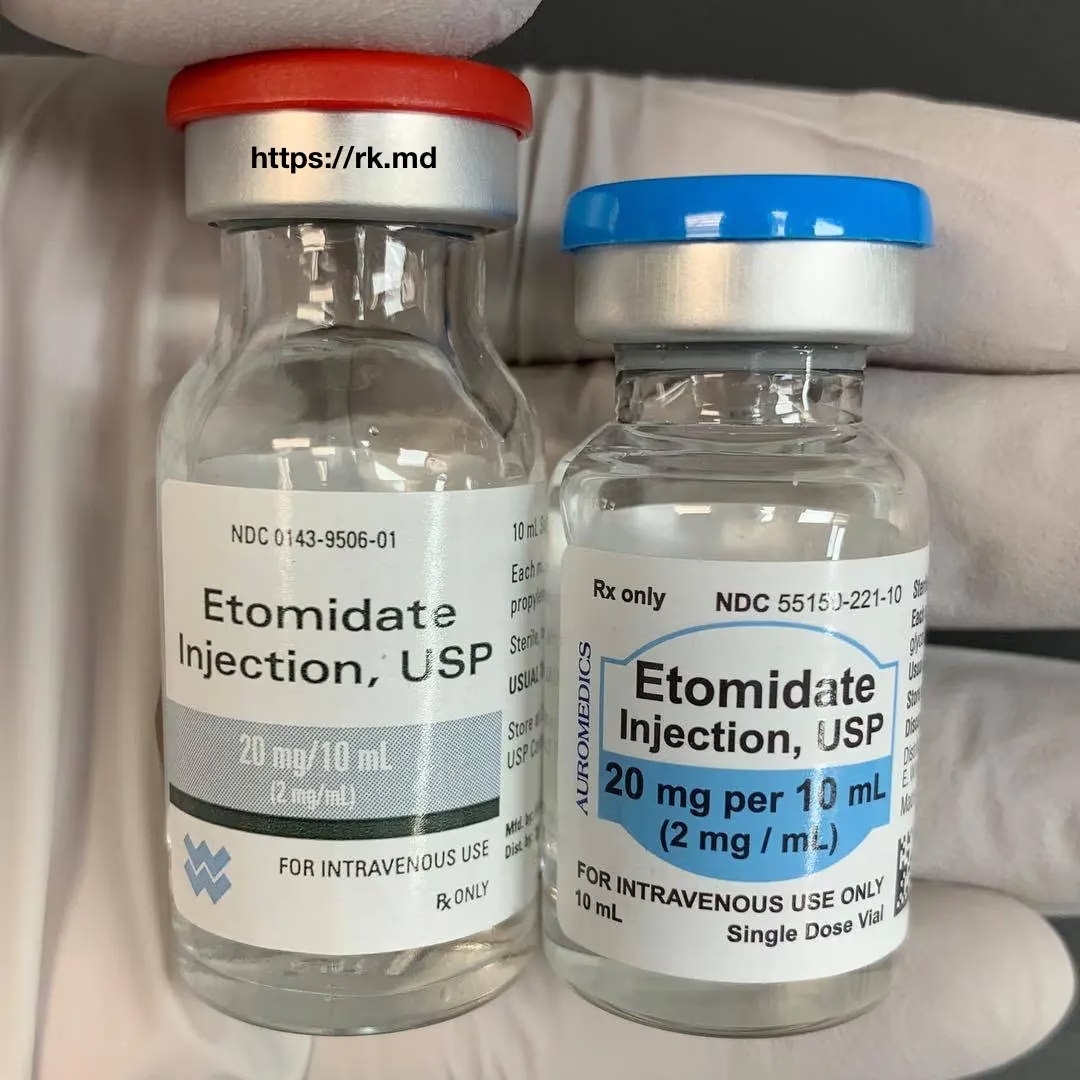
    Etomidate (Amidate) is an intravenous hypnotic agent most commonly used as an induction agent for general anesthesia. Similar to propofol, it works by potentiating GABA, one of the primary inhibitory neurotransmitters in the central nervous system, to hyperpolarize post-synaptic neurons. From a molecular standpoint, etomidate has more in common with…

    Read More

  • Ketamine

    Ketamine

    Ketamine (Ketalar) is my FAVORITE medication in perioperative and critical care medicine! It’s a unique dissociative amnestic, an almost complete anesthetic in itself, has tremendous versatility in terms of routes of administration (IV, IM, oral, subcutaneous, intranasal, sublingual, rectal, epidural, transdermal), and unique properties as an analgesic and antidepressant!

    Read More