• Isopropyl Alcohol (IPA) Aromatherapy for Nausea Relief

    Isopropyl Alcohol (IPA) Aromatherapy for Nausea Relief

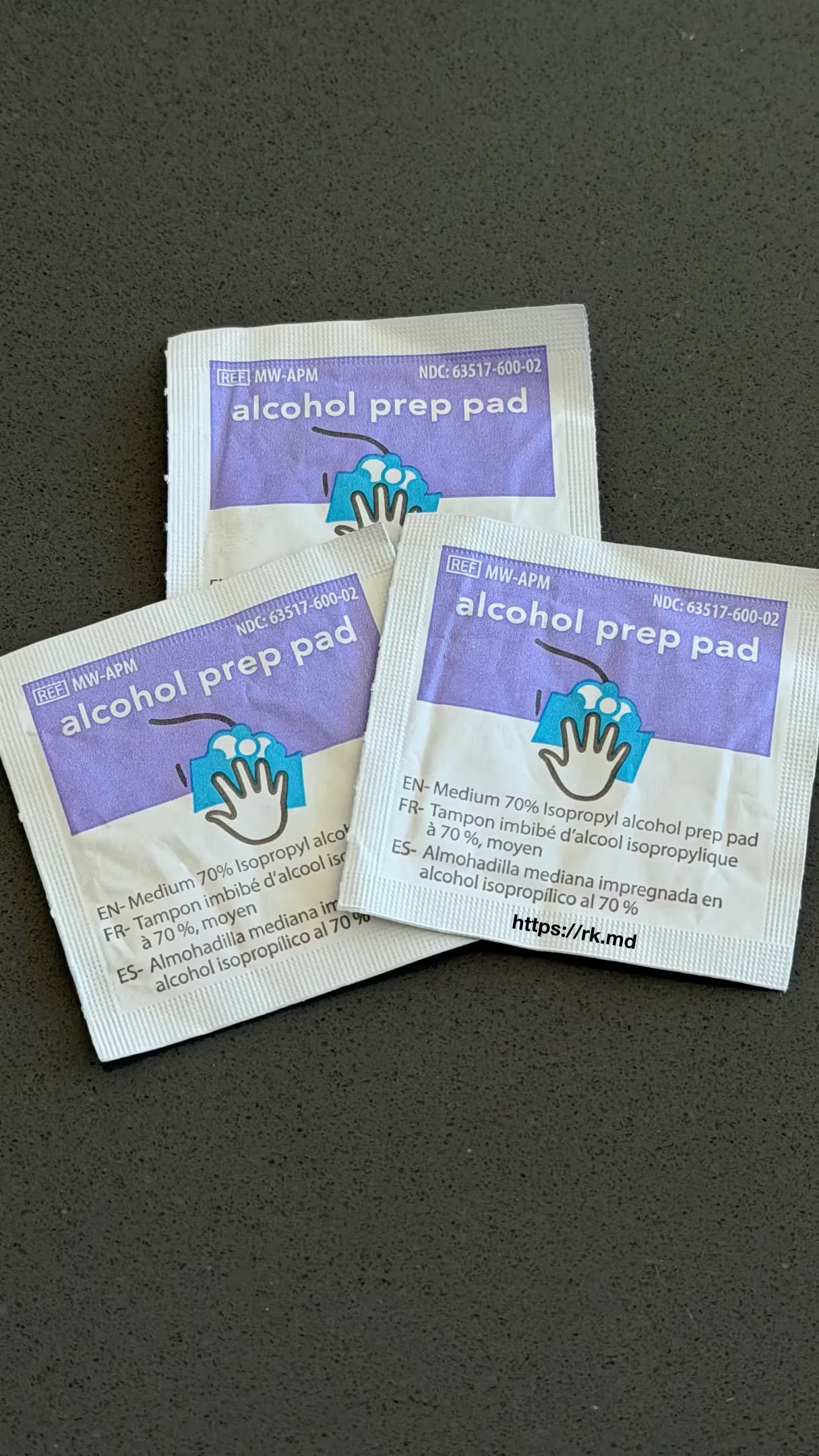
    Isopropyl alcohol (IPA) aromatherapy by means of inhaling the vapors from an IPA pad has been a simple bedside practice used to relieve nausea. Several studies suggest that IPA inhalation can provide a quick, modest reduction in nausea severity in an inexpensive, safe, and easy-to-administer intervention. However, other trials and…
    Read More

  • Promethazine

    Promethazine

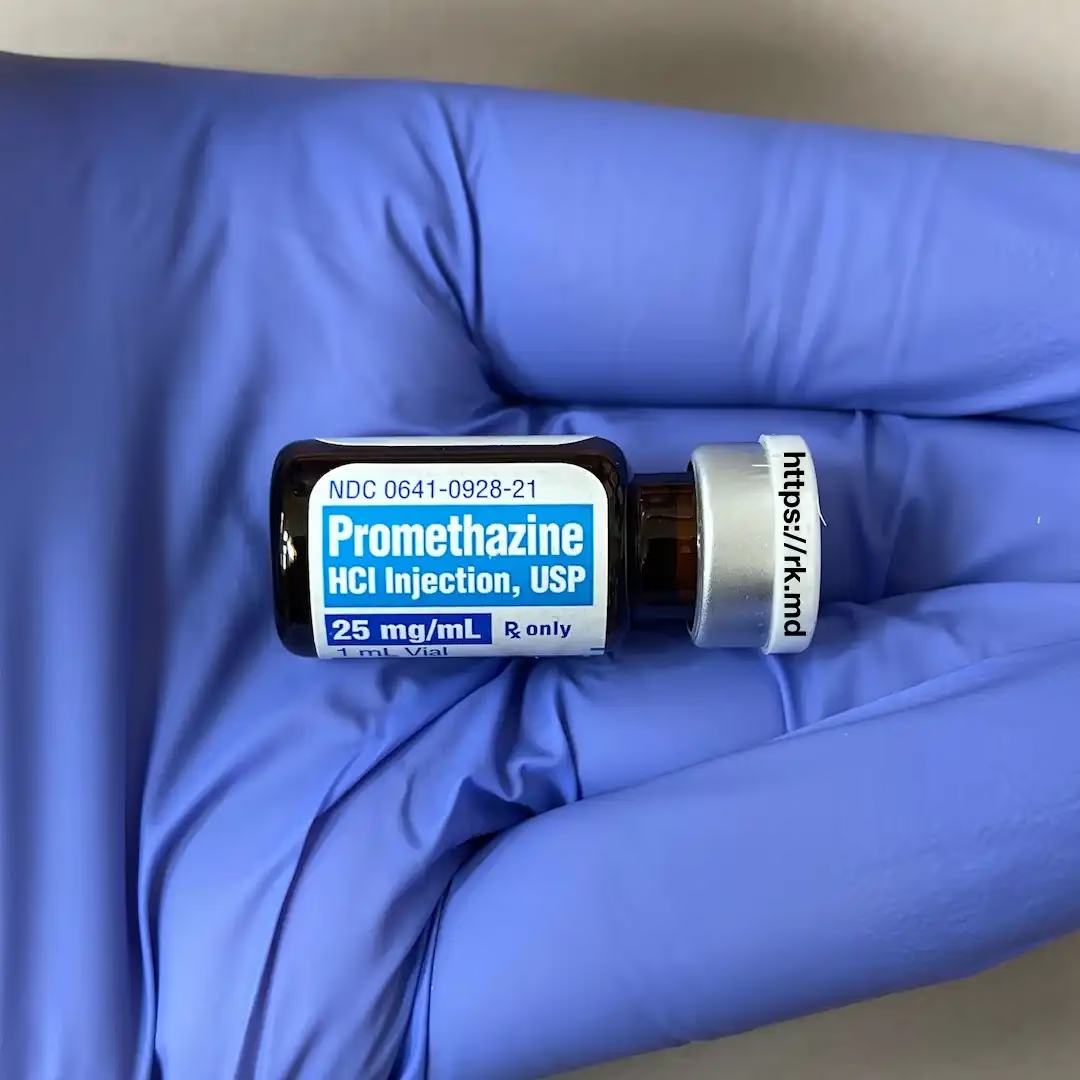
    Promethazine (Phenergan) is an oral, intramuscular (IM), rectal, and intravenous (albeit with caution!) phenothiazine derivative that is both a first-generation antihistamine (H1 receptor antagonism) and a weak typical antipsychotic (D2 receptor antagonism). It also demonstrates antagonism of muscarinic acetylcholine receptors (anticholinergic) and NMDA receptors (similar to ketamine), conferring some degree…

    Read More

  • Bicitra

    Bicitra

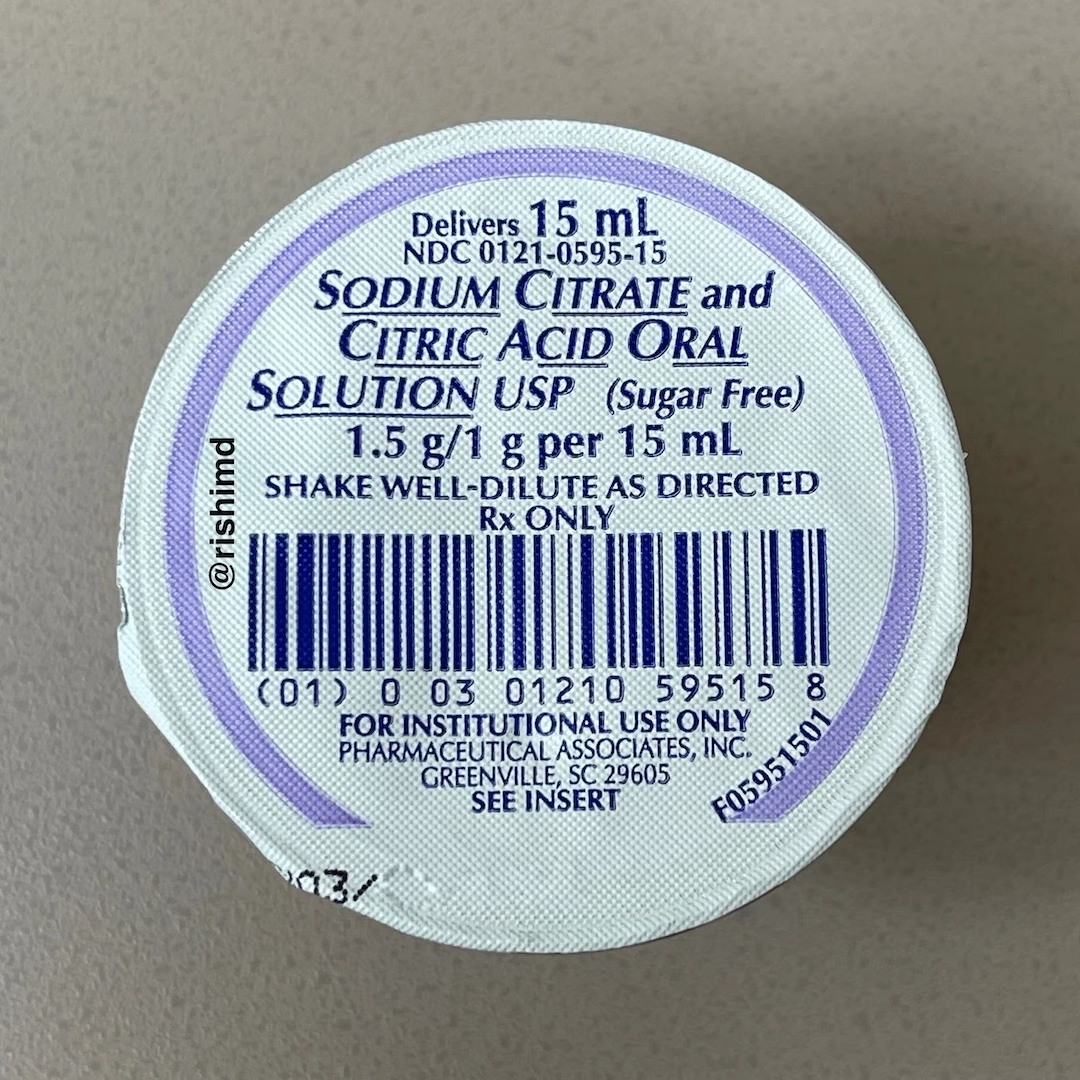
    Sodium citrate/citric acid (Bicitra) is an oral solution I most commonly administered as an anesthesiology resident for aspiration prophylaxis in patients at high risk for aspiration (e.g., obstetric patients prior to C-section) to neutralize gastric acid.

    Read More

  • Scopolamine

    Scopolamine

    Scopolamine is a tertiary amine that crosses the blood-brain barrier to exert its anticholinergic effects in the central nervous system (antiemetic, sedative, amnestic) and the periphery. It is available PO, subcutaneously, intravenously, and transdermally – classically a “patch” used for motion sickness and nausea effectively for up to three days.…

    Read More

  • Dexamethasone

    Dexamethasone

    Dexamethasone (Decadron) is synthetic adrenocortical steroid roughly 25 times more potent than hydrocortisone and devoid of mineralcorticoid (“sodium retaining”) properties. Therefore, it’s primarily used for long acting, anti-inflammatory effects.

    Read More

  • Ondansetron

    Ondansetron

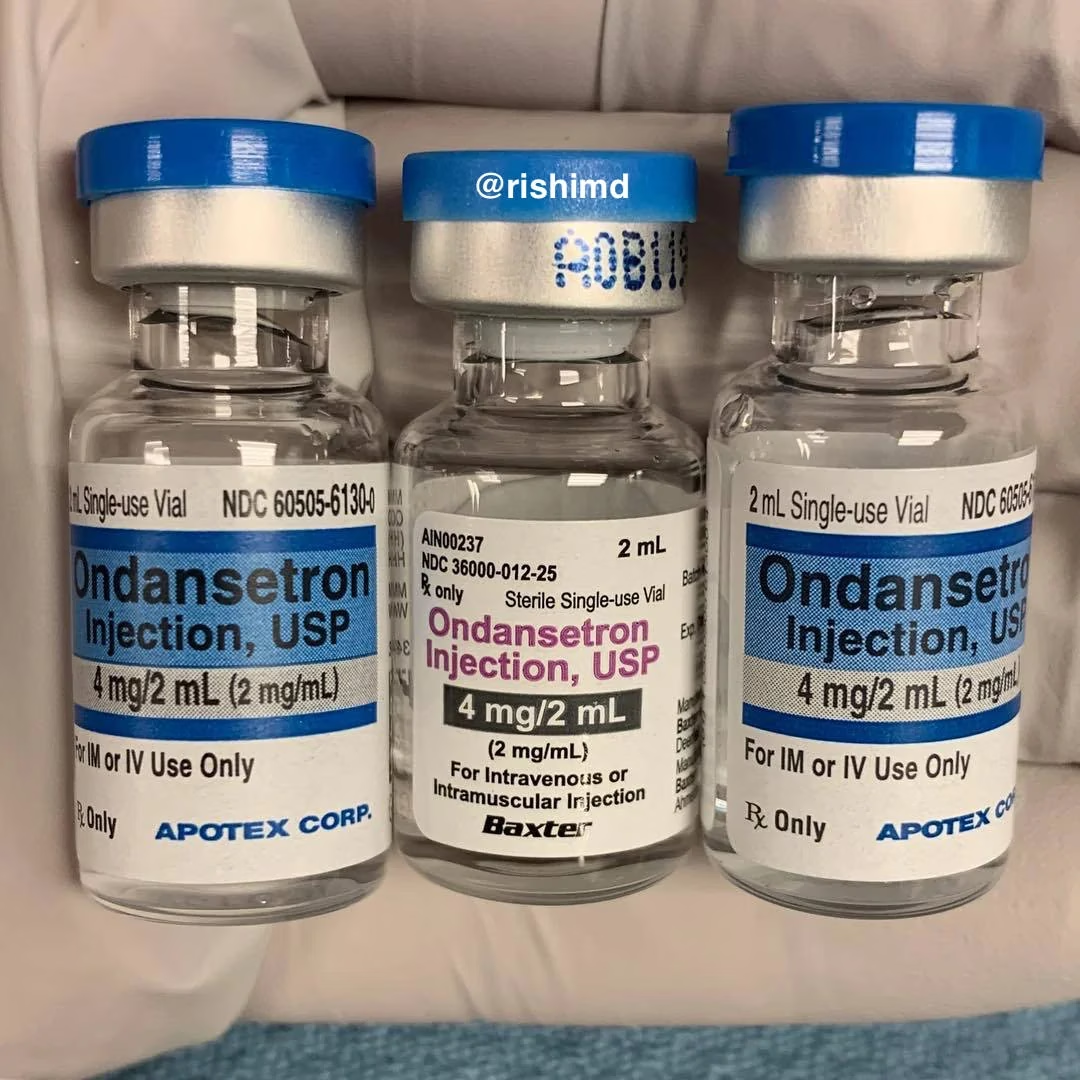
    Ondansetron (Zofran) is a common oral and IV medication I use for post-operative nausea/vomiting prophylaxis. It works by antagonizing serotonergic (5-HT3) receptors located in peripheral vagal terminals and in the medulla’s area postrema within the chemoreceptor trigger zone (same place propofol works as an anti-emetic).

    Read More