
Isopropyl alcohol (IPA) aromatherapy by means of inhaling the vapors from an IPA pad has been a simple bedside practice used to relieve nausea. Several studies suggest that IPA inhalation can provide a quick, modest reduction in nausea severity in an inexpensive, safe, and easy-to-administer intervention. However, other trials and meta-analyses have shown no significant difference compared to placebo or conventional antiemetics. The variability likely stems from small sample sizes, differing patient populations, and methodological inconsistencies in measuring nausea relief.
So why is this even a thing?
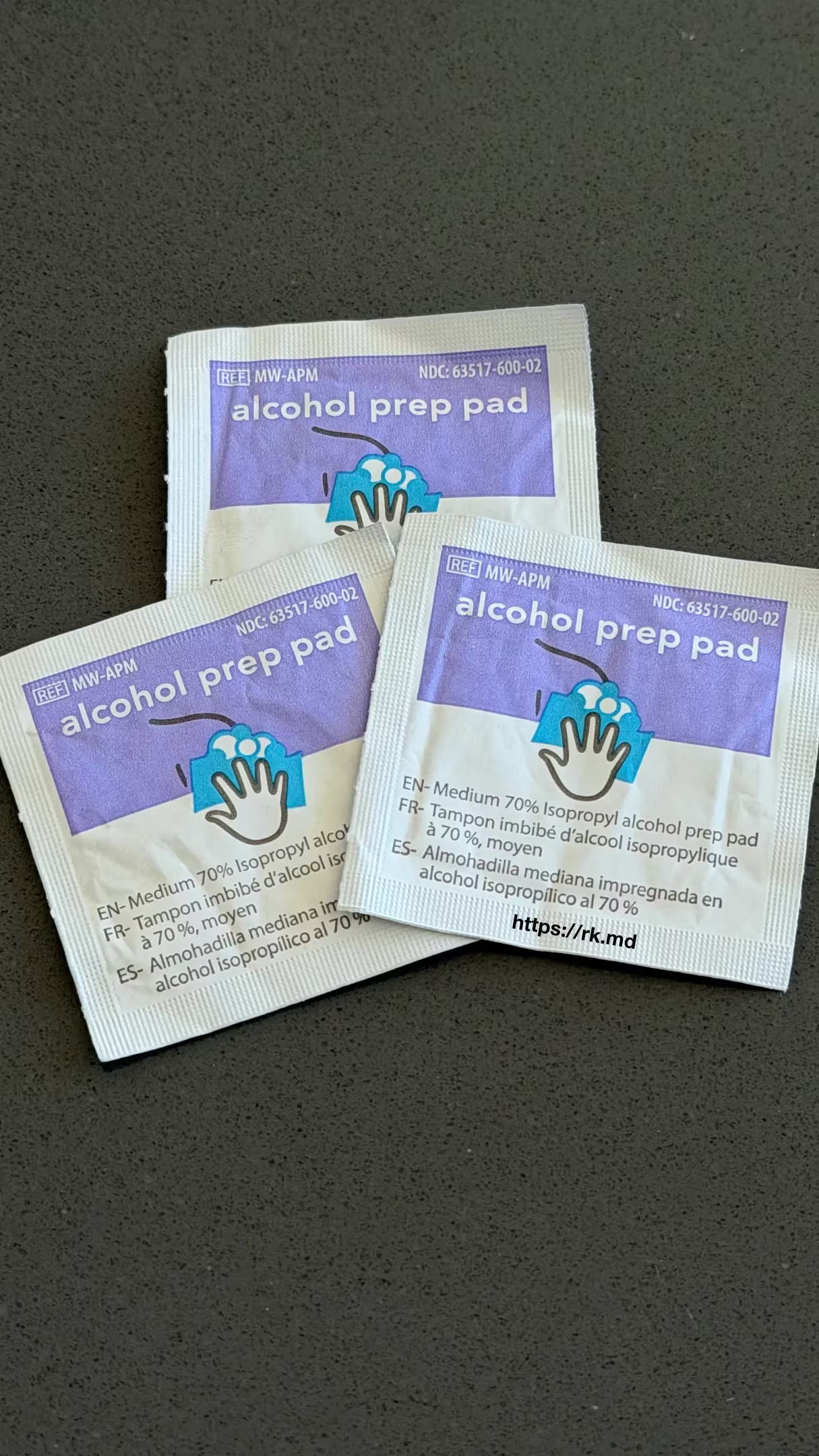
The underlying mechanism is thought to involve direct stimulation of sensory pathways in the nasal mucosa. Inhaled IPA activates both olfactory and trigeminal nerve fibers, sending strong sensory inputs to the brainstem regions involved with nausea and vomiting. This stimulation appears to engage non-vagal neural circuits that compete with emetogenic signals. The intense, volatile odor effectively “resets” nausea perception by introducing a competing sensory stimulus that distracts and overrides the central nausea response.
In other words, the benefit may come less from any pharmacologic property of IPA and more from how the nervous system integrates sensory information. This is why alternative aromas (ginger, spearmint, cardamom, etc.) have also been utilized. By hijacking the same central processing centers that mediate the urge to vomit, inhaled IPA vapor can momentarily interrupt that feedback loop.
Here are some PubMed IDs to review the data: 37076258, 37704796, 26679977, 29463461, 36178929, 29523018, 22392970


Leave a Reply