• RiaSTAP

    RiaSTAP

    RiaSTAP is a fibrinogen concentrate made from pooled human plasma (may not be an option in Jehovah’s Witness patients). It was FDA approved for acute bleeding in patients with congenital fibrinogen deficiency (ie, afibrinogenemia or hypofibrinogenemia), but as an anesthesiologist, I’ve used it in the context of low fibrinogen levels…
    Read More

  • Epoprostenol

    Epoprostenol

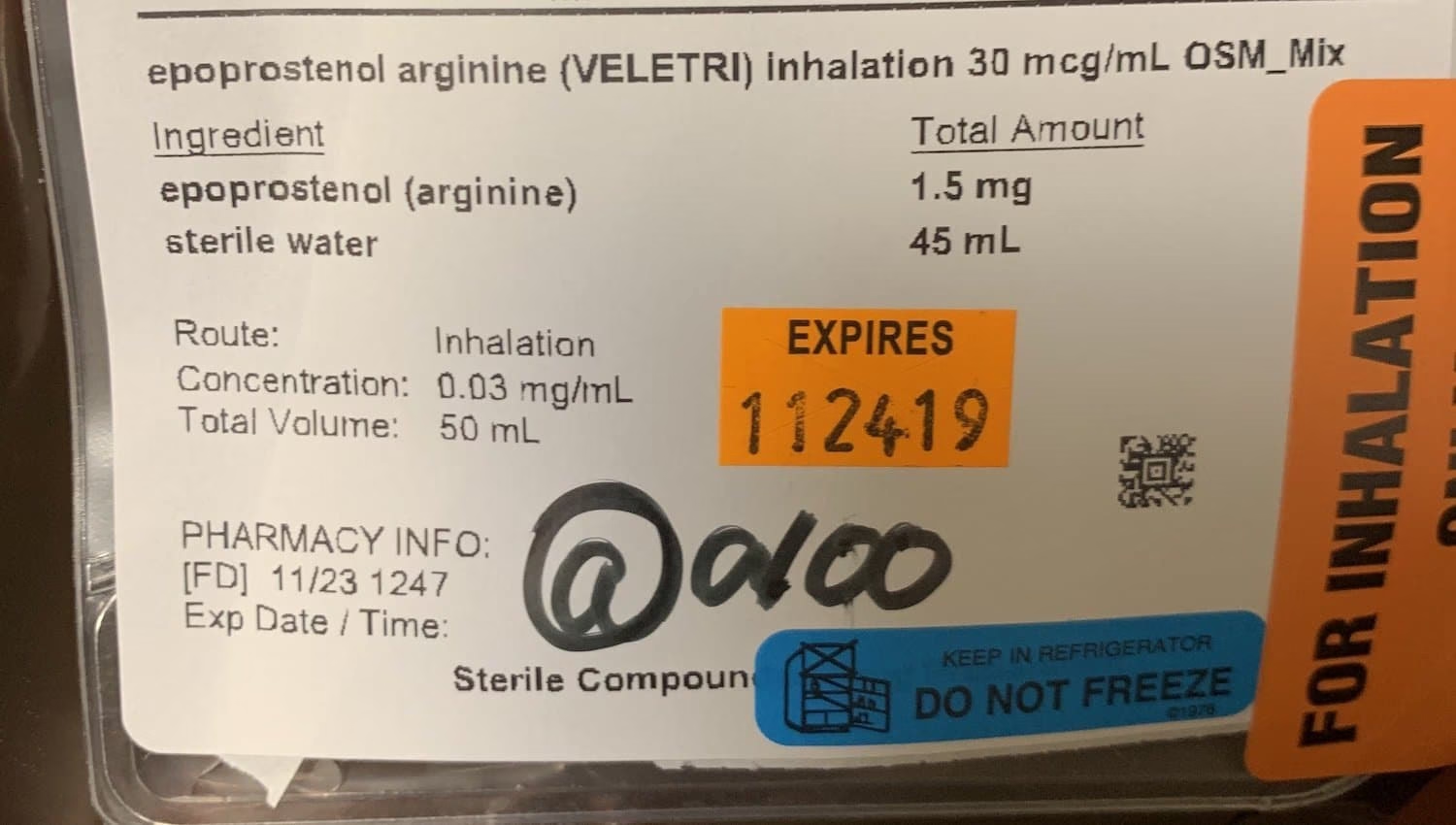
    Epoprostenol (Veletri or Flolan) is an inhaled or intravenous prostanoid vasodilator which is most often used as a therapeutic option for pulmonary arterial hypertension (pHTN). When given intravenously, it dilates both the systemic and pulmonary arterial vasculature to decrease both systemic and pulmonary vascular resistances to augment cardiac output; however,…

    Read More

  • The ‘Q’ In “V/Q Mismatch”

    The ‘Q’ In “V/Q Mismatch”

    You can’t read about pulmonary physiology without encountering the topic of V/Q mismatch, otherwise known as ventilation-perfusion mismatch. In fact, of the five major etiologies of hypoxemia, V/Q mismatch is the most common!

    Read More

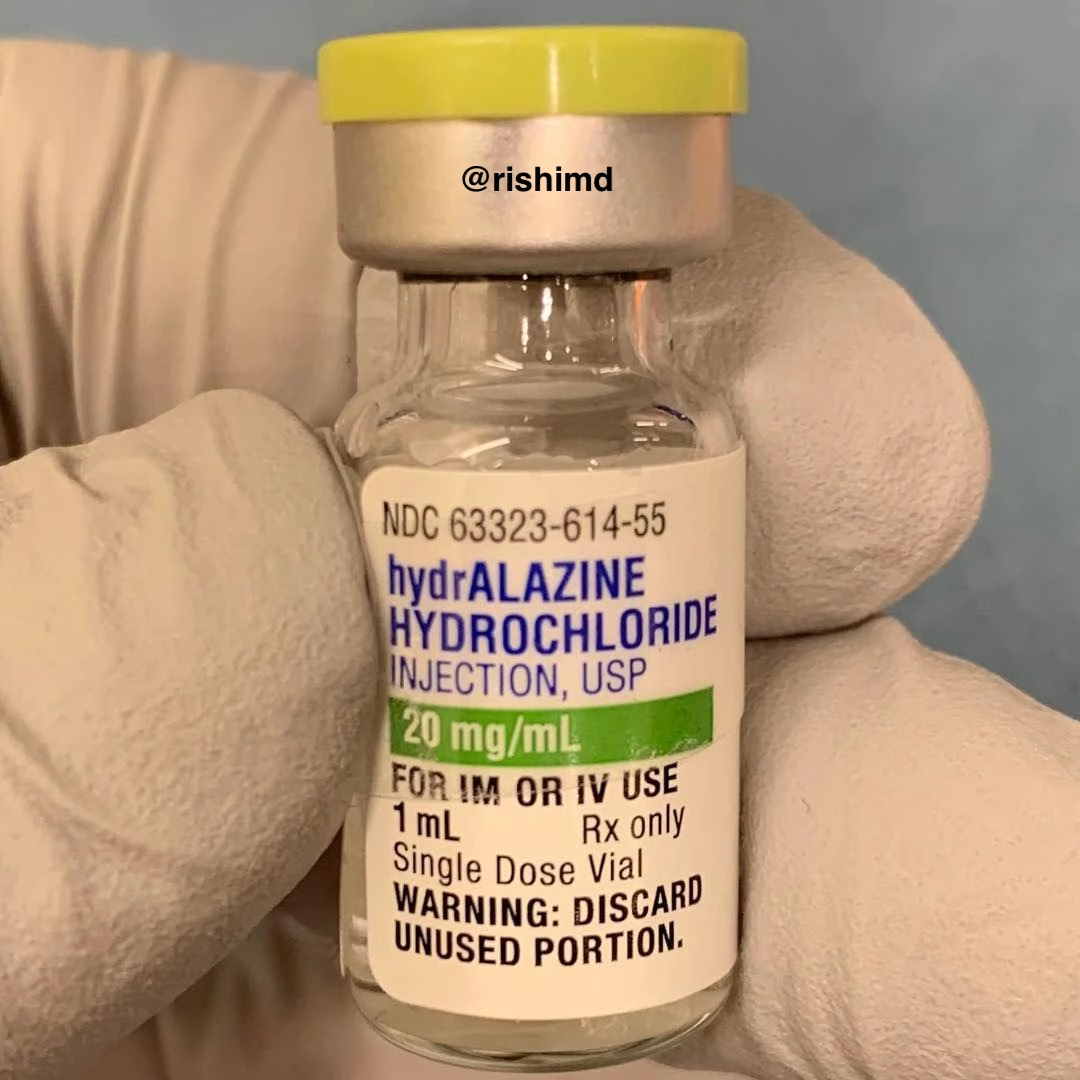
  • Hydralazine

    Hydralazine

    Hydralazine (Apresoline) is an intravenous and oral antihypertensive that promotes the direct relaxation of arterioles through an unclear mechanism potentially involving calcium flux within the vascular smooth muscle. By acting primarily as a vasodilator (compared to venodilator), peripheral vascular resistance decreases causing the diastolic blood pressure to drop more than…

    Read More

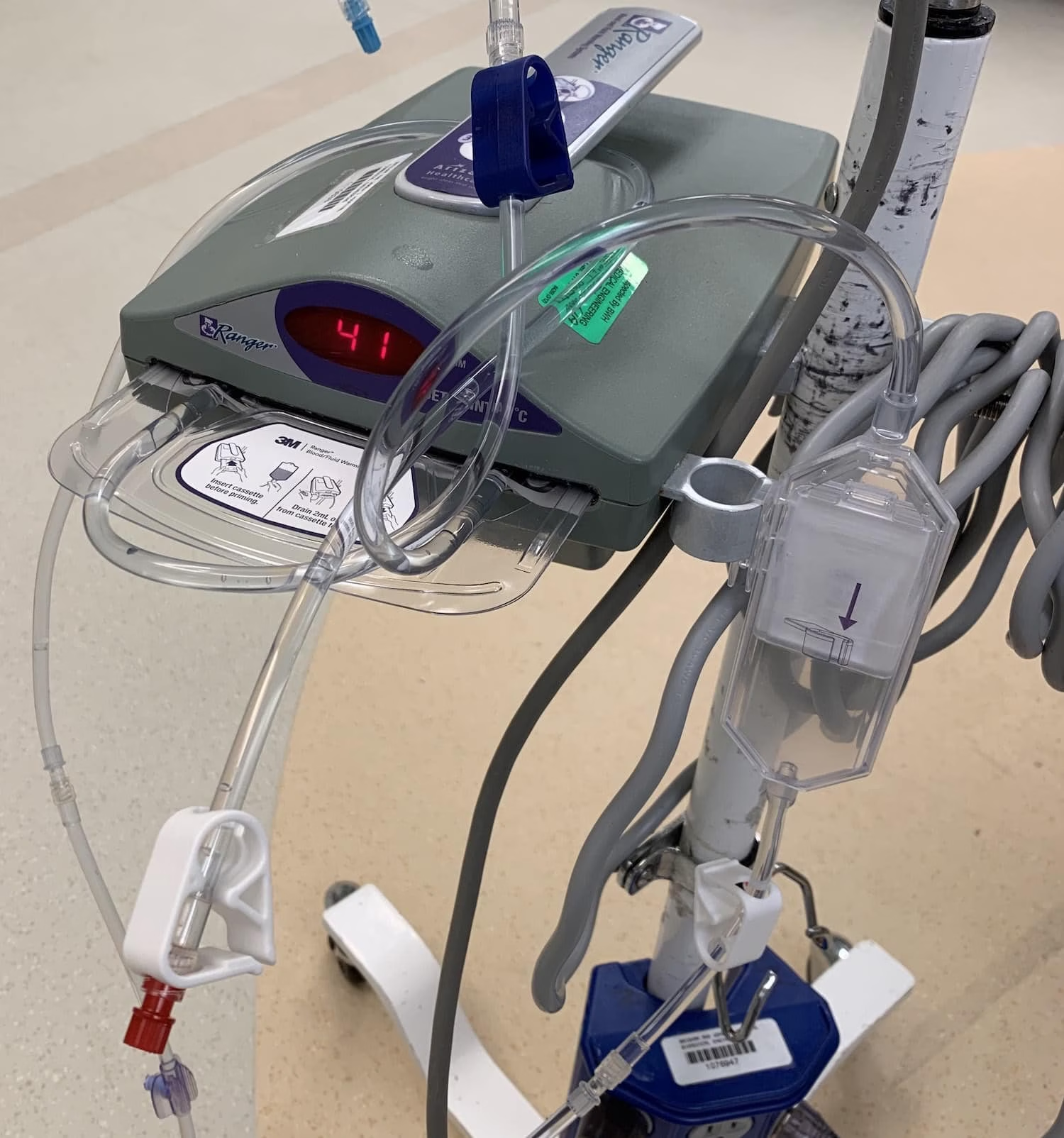
  • Fluid Warmers

    Fluid Warmers

    Hypothermia has a profound impact on the entire body – it compromises the immune system leading to a higher risk of post-operative wound infections, promotes coagulopathy, decreases drug metabolism and wound healing, delays emergence from anesthesia, alters mental status, and negatively affects hemodynamics. As an anesthesiologist and intensivist, I’m often…

    Read More

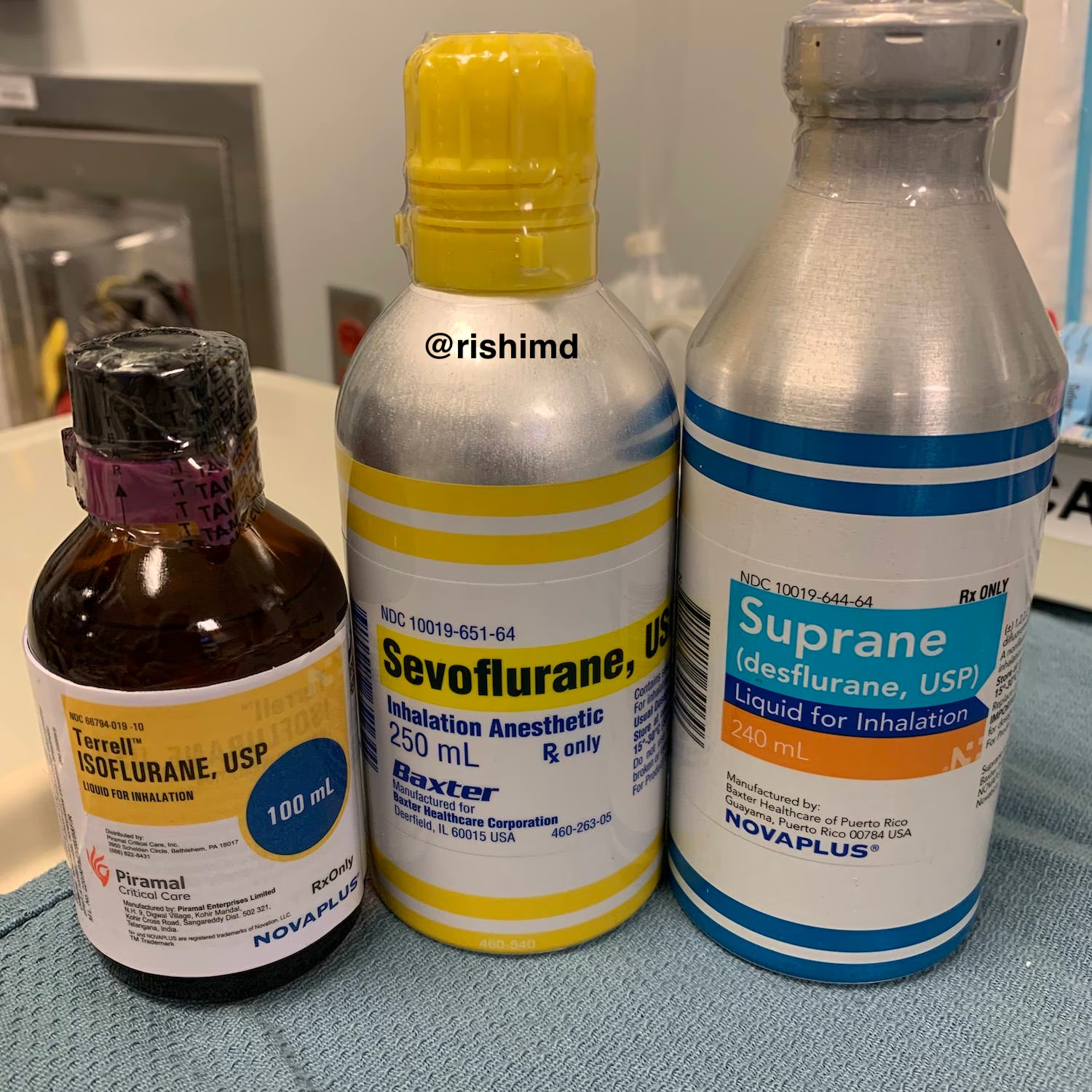
  • Halogenated Volatiles

    Halogenated Volatiles

    Halogenated volatile anesthetics (“anesthesia gases”) serve as the backbone for maintaining most of the general anesthetics I perform. Although their mechanism is not completely understood, studies suggest that they alter membrane proteins in the lipid bilayer while potentiating the effects of GABA – an inhibitory neurotransmitter – in the brain…

    Read More

  • Intraosseous (IO) Access

    Intraosseous (IO) Access

    Intraosseous (IO) access is a quick, relatively inexpensive, and simple route for obtaining “central” access in trauma and resuscitation settings when peripheral access is difficult to acquire. When placing an IO line, care must be taken to avoid fractured bones, active infections, and patients with underlying bone pathology like osteopetrosis.…

    Read More

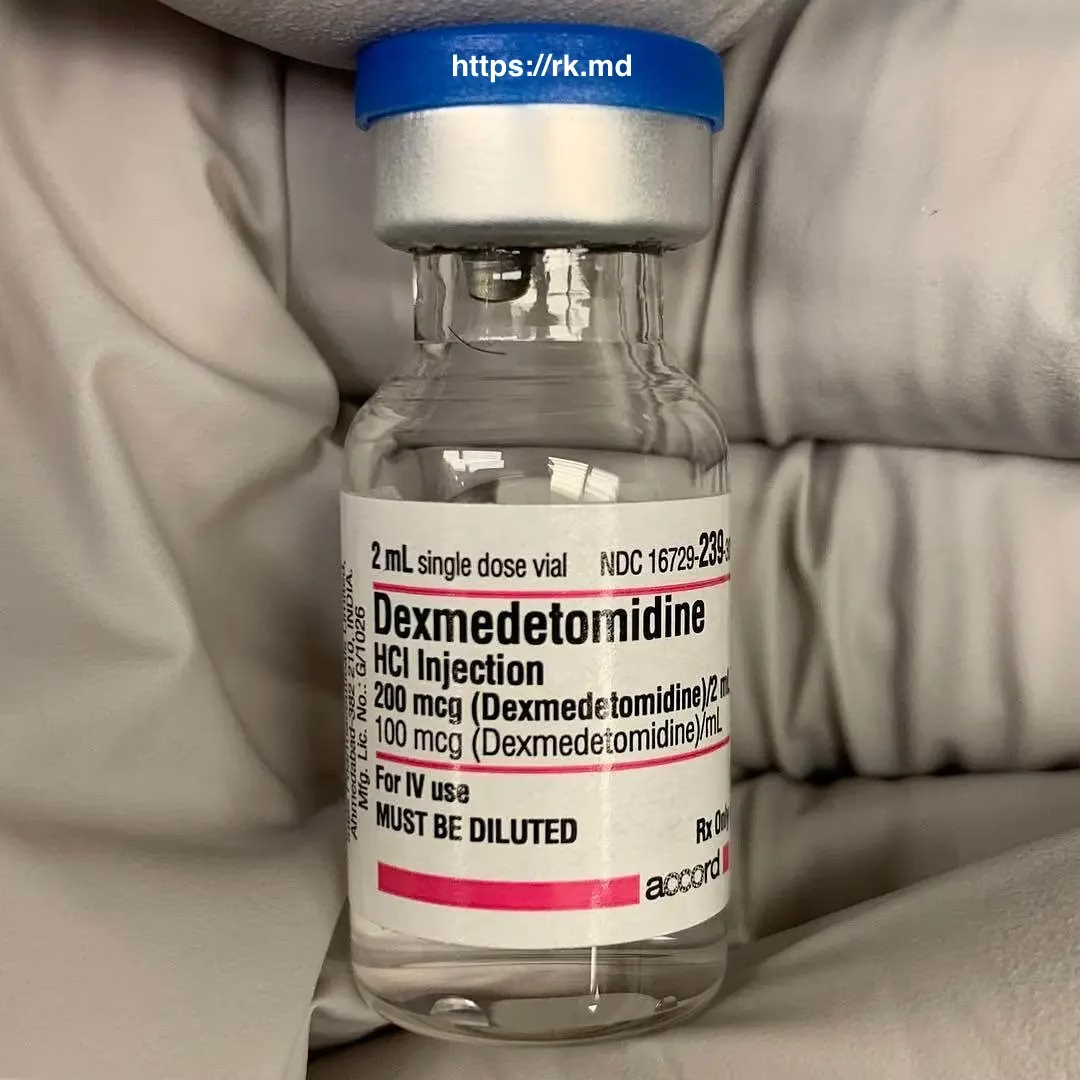
  • Dexmedetomidine

    Dexmedetomidine

    Dexmedetomidine (Precedex) is a selective intravenous alpha-2 agonist approved for sedation in non-intubated patients in the perioperative setting and short-term sedation for patients on mechanical ventilation. A negative feedback loop is potentiated by binding alpha-2 receptors, decreasing the further release of neurotransmitters from the pre-synaptic neuron. This reduces the sympathetic…

    Read More

  • Suture Sizes

    Suture Sizes

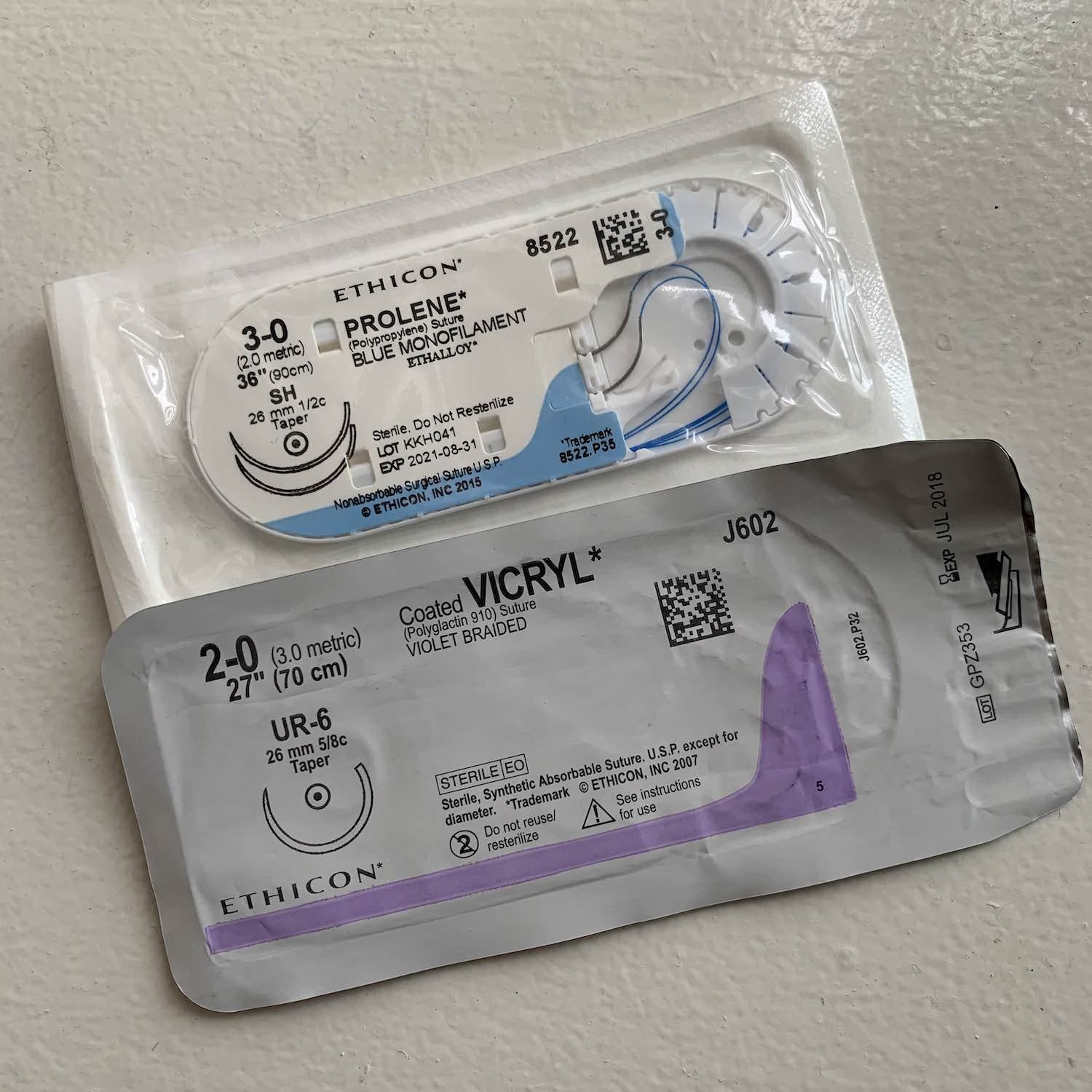
    Before learning HOW to stitch tissues or tie knots, one must understand the available options so the right decision can be made for a given clinical situation. Absorbable sutures like PDS, vicryl, and chromic gut are degraded through enzymes or simple hydrolysis over several weeks. In the interim, the body…

    Read More

  • Magnesium Sulfate

    Magnesium Sulfate

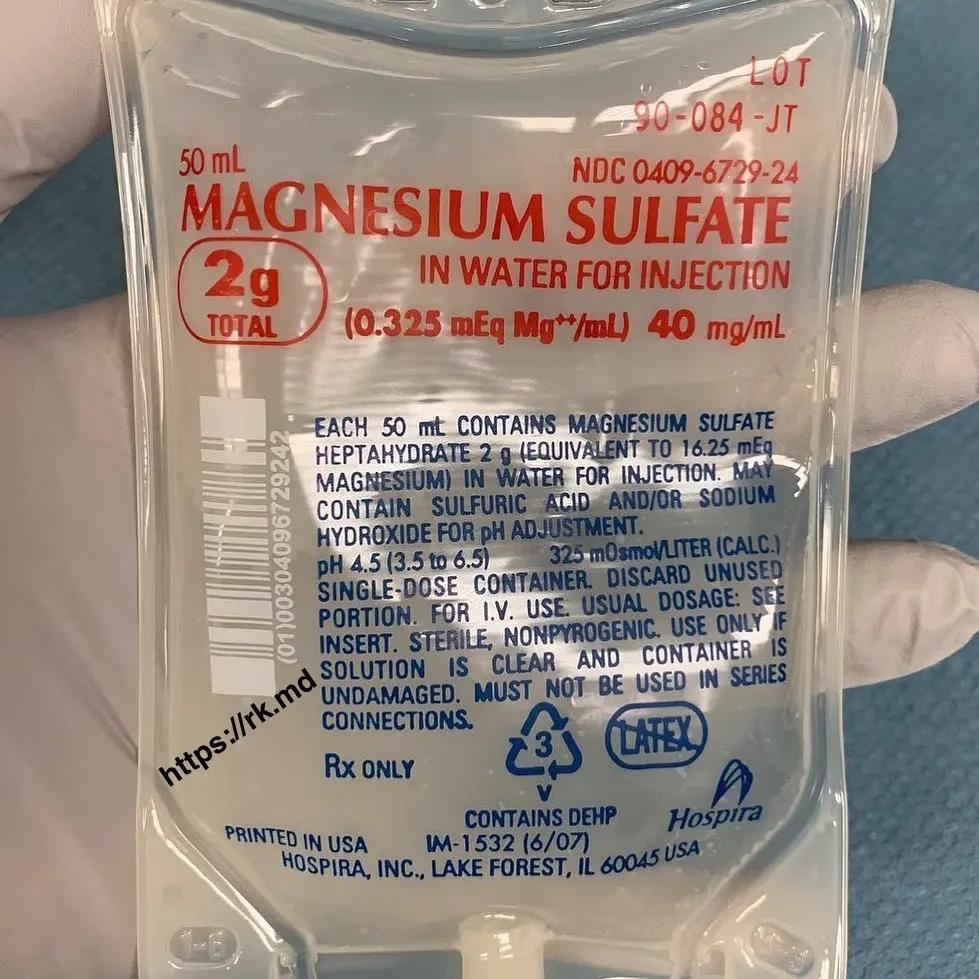
    Magnesium is an important intracellular electrolyte that regulates neuronal conduction, vascular tone, myocardial excitation, and muscular contraction. Patients often lose magnesium through significant NG tube drainage, diarrhea, and diuresis. Many of them also come in with baseline malnutrition secondary to poor absorption and alcoholism.As a med student/resident, I saw magnesium…

    Read More