• Adenosine

    Adenosine

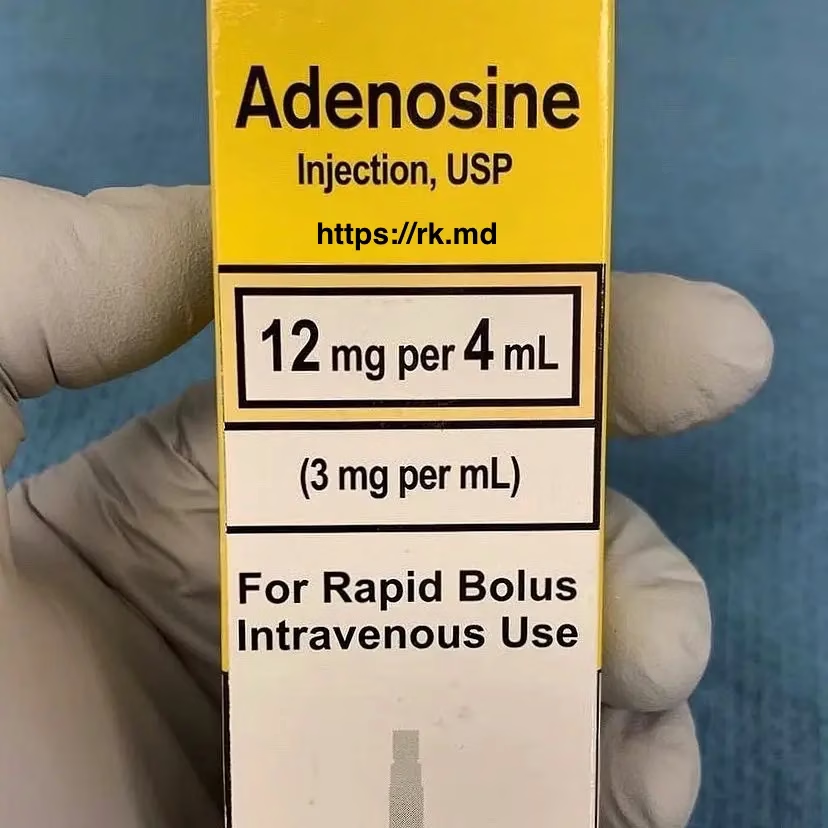
    Adenosine is a nucleoside that forms the backbone for energy substrates like ATP and signal transduction/second messenger systems like cyclic AMP. Clinically, it converts supraventricular tachycardias that involve the atrioventricular (AV) node like certain AV reentrant and AV nodal reentrant tachycardias. Adenosine transiently blocks the AV node via inhibition of…

    Read More

  • Dobutamine

    Dobutamine

    Dobutamine (Dobutrex) is a synthetic adrenergic agonist structurally similar to isoproterenol working on the same receptor profile – primarily beta 1 and beta 2 – to create the net effect of increased chronotropy (heart rate), inotropy (contractility) and vasodilation (decreased afterload). With these hemodynamic goals, dobutamine aims to increase forward…

    Read More

  • Peripheral Nerve Stimulator

    Peripheral Nerve Stimulator

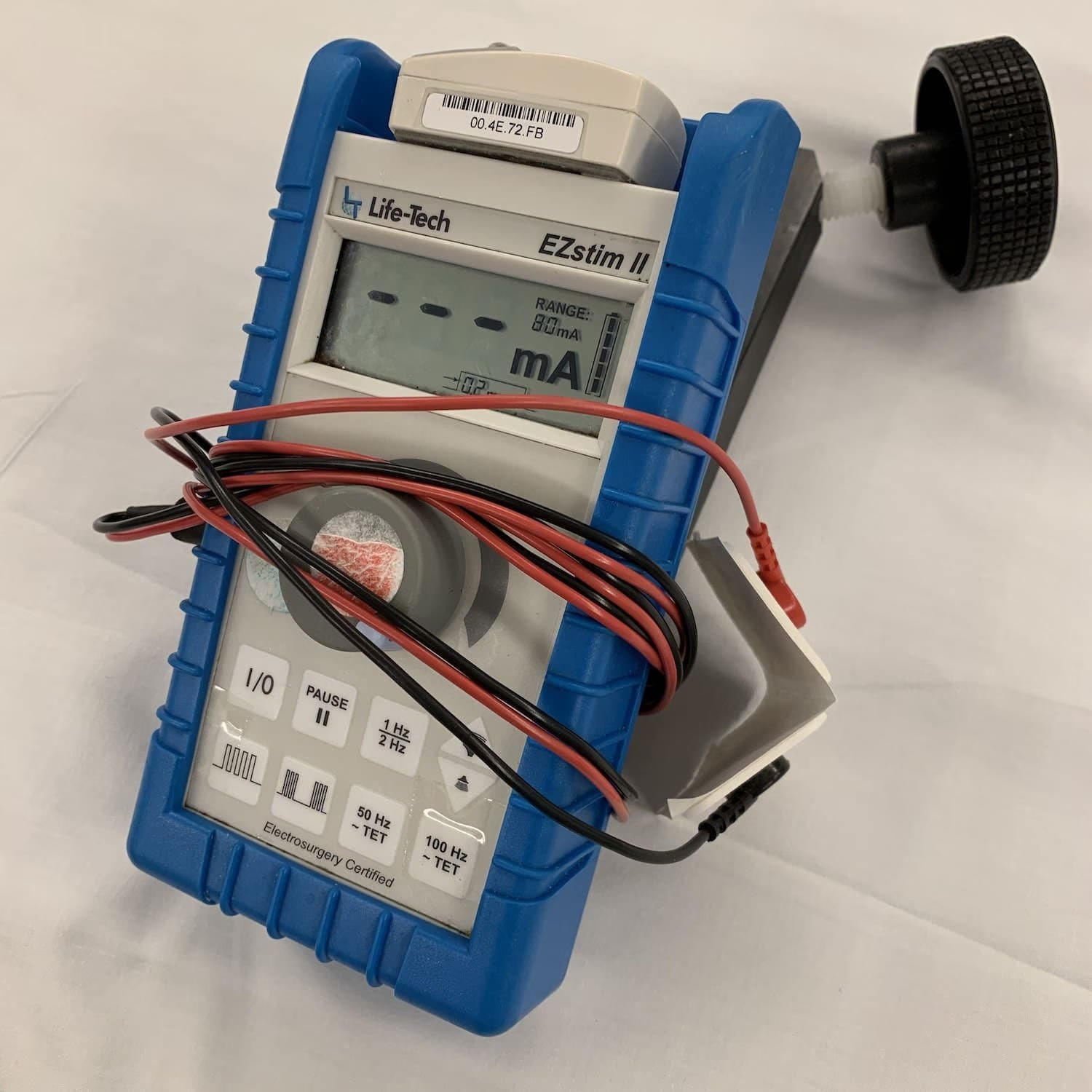
    The peripheral nerve stimulator can deliver different types of stimuli to elicit an assessment of the depth of neuromuscular blockade. This is an important monitor when using neuromuscular blocking agents (NMBAs) since there’s tremendous variability in how patients respond based on how concurrent comorbidities/pharmacotherapy that can shorten or prolong the…

    Read More

  • Ceftaroline

    Ceftaroline

    Ceftaroline (Teflaro) is a fifth generation intravenous cephalosporin used to treat community acquired pneumonia (CAP) and acute skin infections. Similar to later generation cephalosporins, ceftaroline retains antimicrobial activity against many common gram negative bacteria with two important exceptions – Acinetobacter and Pseudomonas.

    Read More

  • Hydrocortisone

    Hydrocortisone

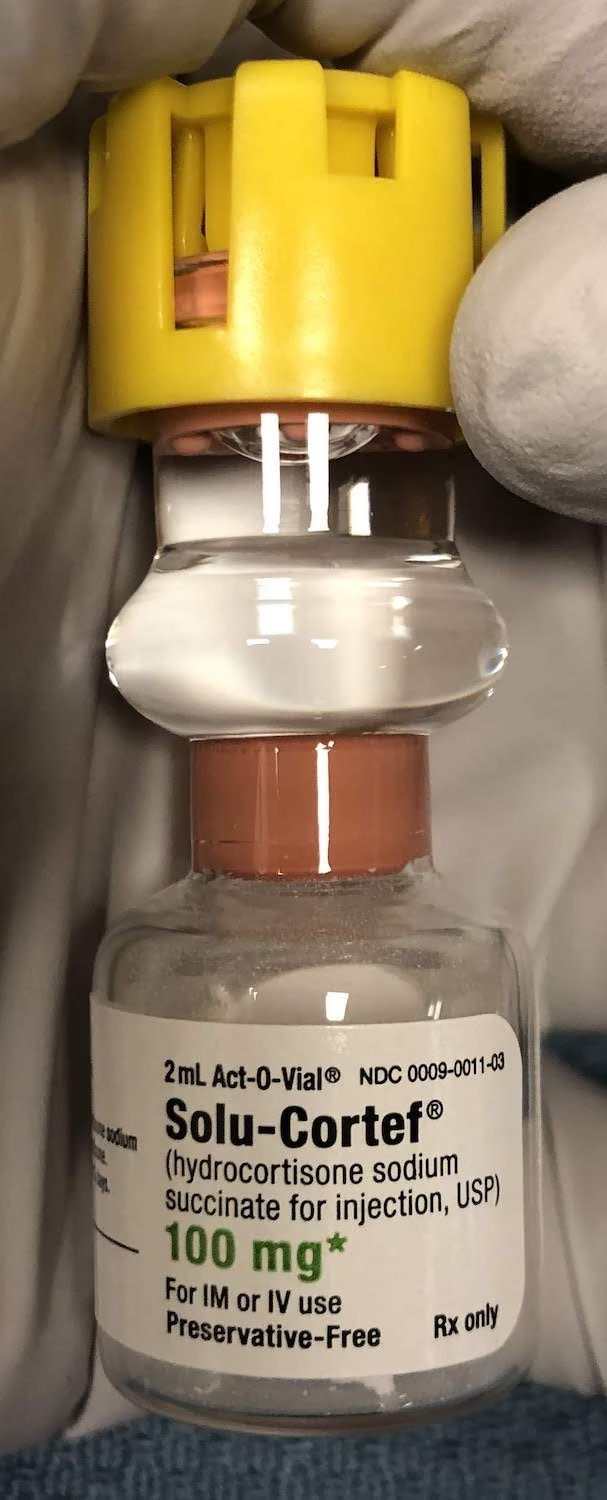
    Hydrocortisone (Solu-Cortef) is a pharmacologic analog of the steroid hormone cortisol (identical structure) that serves as a reference to gauge the relative mineralcorticoid and glucocorticoid potencies of other steroids. This is similar to how morphine equivalents are used to gauge the analgesic potencies of other opioids.

    Read More

  • Midazolam

    Midazolam

    Midazolam (Versed) is a relatively short-acting benzodiazepine (“benzo”) which can be administered IV, PO, PR, and even within the neuraxial space to extend the duration/strength of the epidural/spinal block. For these reasons, it’s the most commonly used benzo in anesthesiology. Like all medications in this class, midazolam potentiates the effects…

    Read More

  • Dopamine

    Dopamine

    Dopamine is a natural catecholamine that is the biochemical precursor to norepinephrine and epinephrine. In human physiology, it plays a pivotal role in regulating mood, lymphocyte activity, gastrointestinal motility, movement, the release of other neurotransmitters, and renal blood flow/sodium excretion. Specifically, dopamine decreases the release of prolactin from the anterior…

    Read More

  • Methylene Blue

    Methylene Blue

    Methylene blue (ProvayBlue) is an intravenous medication and dye best known for treating methemoglobinemia but has been found to have potential benefits in other areas of medicine.

    Read More

  • Tranexamic Acid

    Tranexamic Acid

    Tranexamic acid (“TXA”, Cyklokapron) is an analog of the amino acid lysine that works as an antifibrinolytic by binding lysine receptor sites on plasminogen to competitively inhibit its conversion to plasmin – the enzyme responsible for degrading fibrin clots. It’s roughly ten times more potent than aminocaproic acid (another antifibrinolytic),…

    Read More

  • Isoproterenol

    Isoproterenol

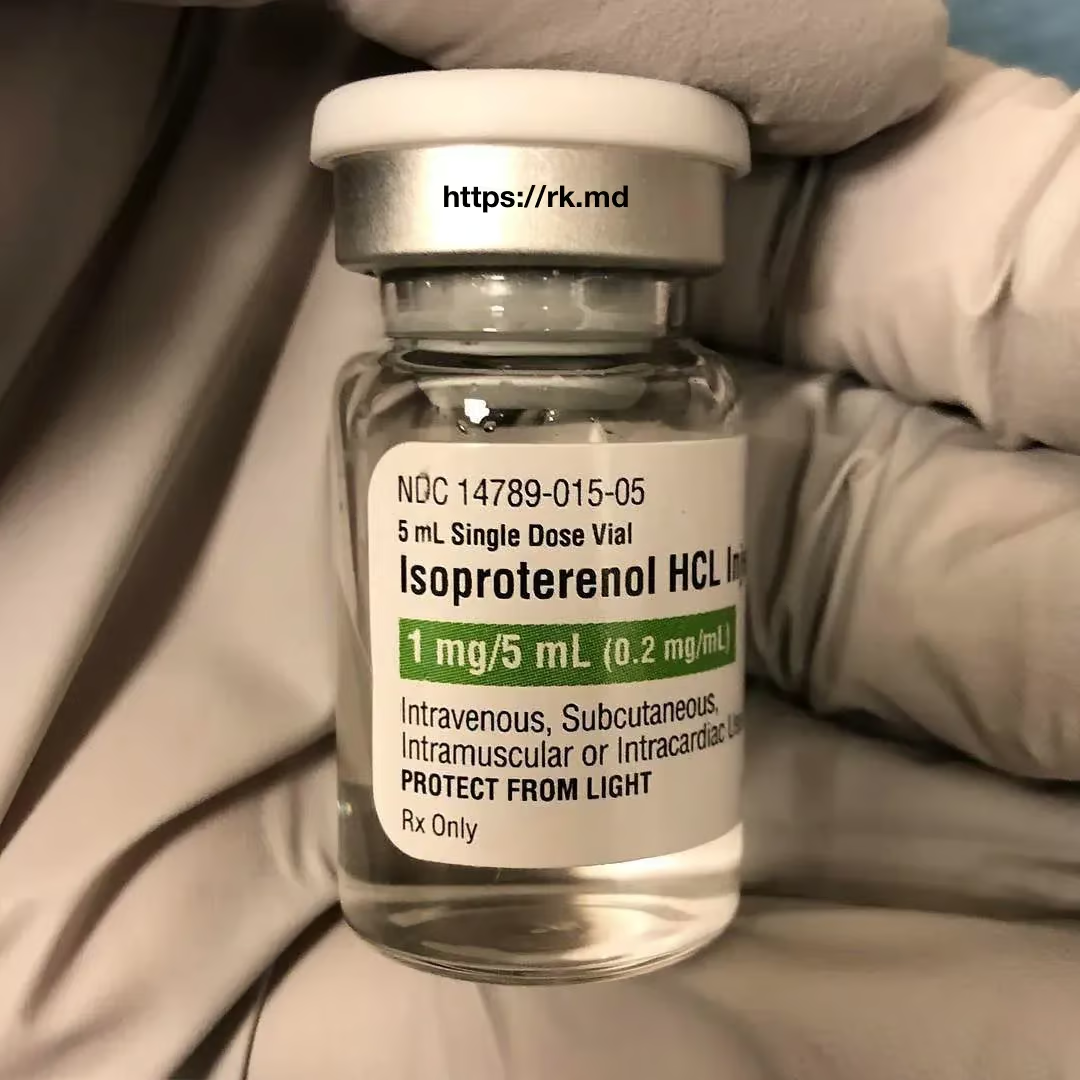
    Isoproterenol (Isuprel) is a nonselective beta-adrenergic agonist structurally very similar to epinephrine, which I commonly use in the electrophysiology (EP) lab to induce tachyarrhythmias for the electrophysiologist to map out and ablate. Unfortunately, this medication is also a classic example of the price gouging imposed by pharmaceutical companies. Production rights…

    Read More