• Diphenhydramine

    Diphenhydramine

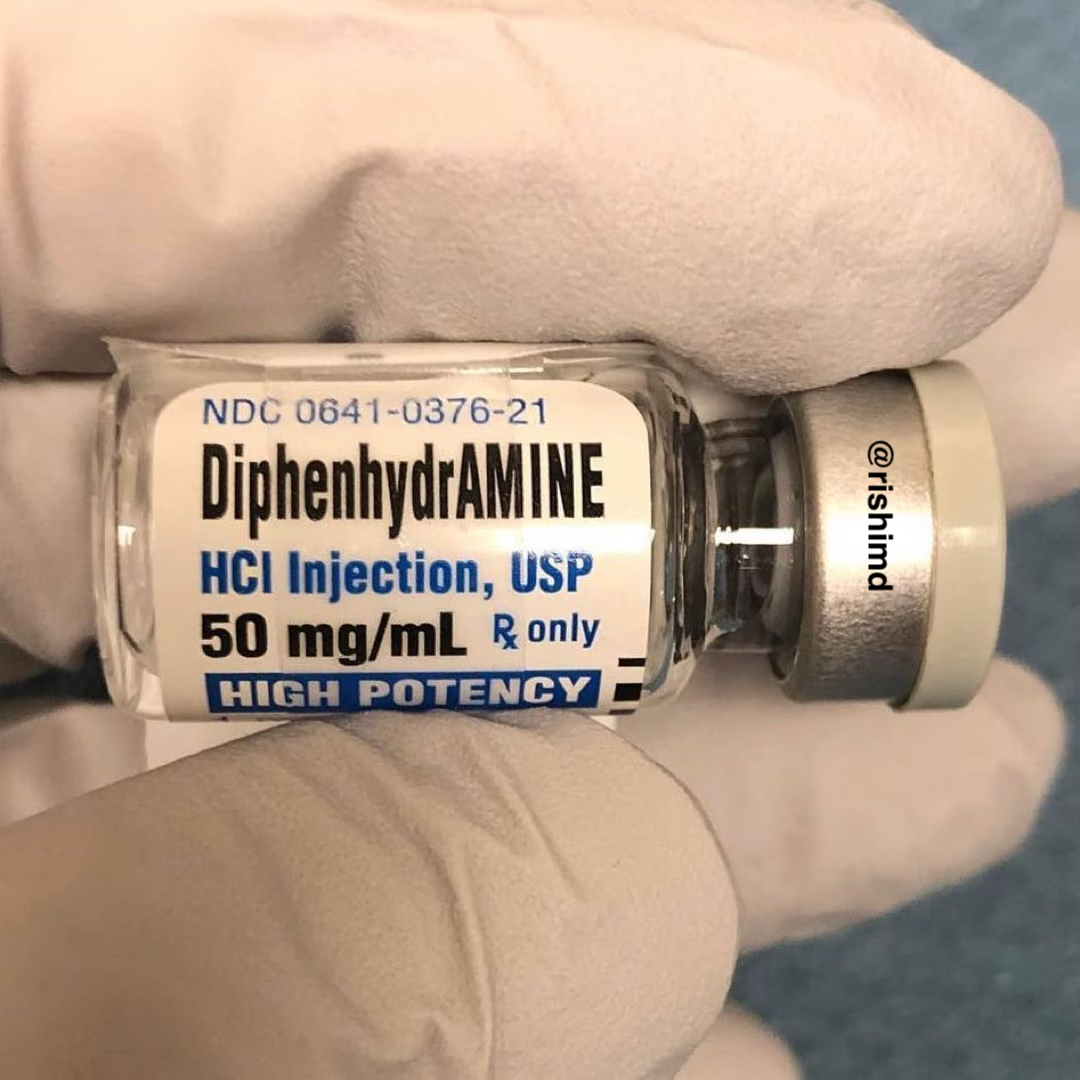
    Diphenhydramine (Benadryl) is a first-generation antihistamine that blocks H1 histamine receptors. Unlike many second-generation antihistamines, first-generation medications like diphenhydramine cross the blood-brain barrier and inhibit histamine’s important role in sleep and wakefulness. Couple this with diphenhydramine’s anticholinergic effects in the central nervous system, and one can understand the sedating and…
    Read More

  • Factor Eight Inhibitor Bypass Agent (FEIBA)

    Factor Eight Inhibitor Bypass Agent (FEIBA)

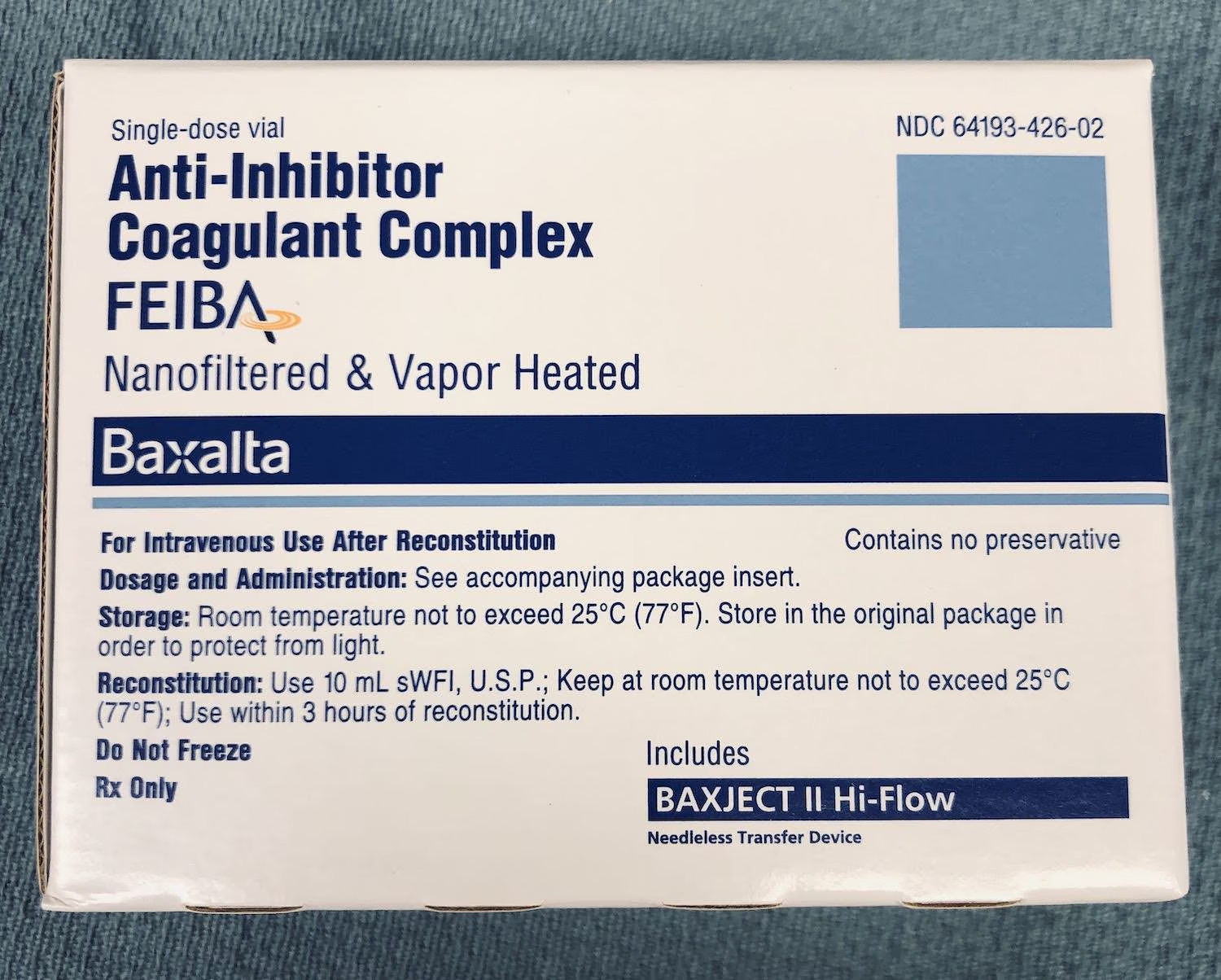
    Factor eight inhibitor bypass agent (FEIBA) is a plasma derived procoagulant that contains primarily inactivated factors II (prothrombin), IX, and X. Additionally, it contains activated factor VII. FEIBA controls bleeding by facilitating the generation of thrombin through the prothrombinase complex.

    Read More

  • Propofol

    Propofol

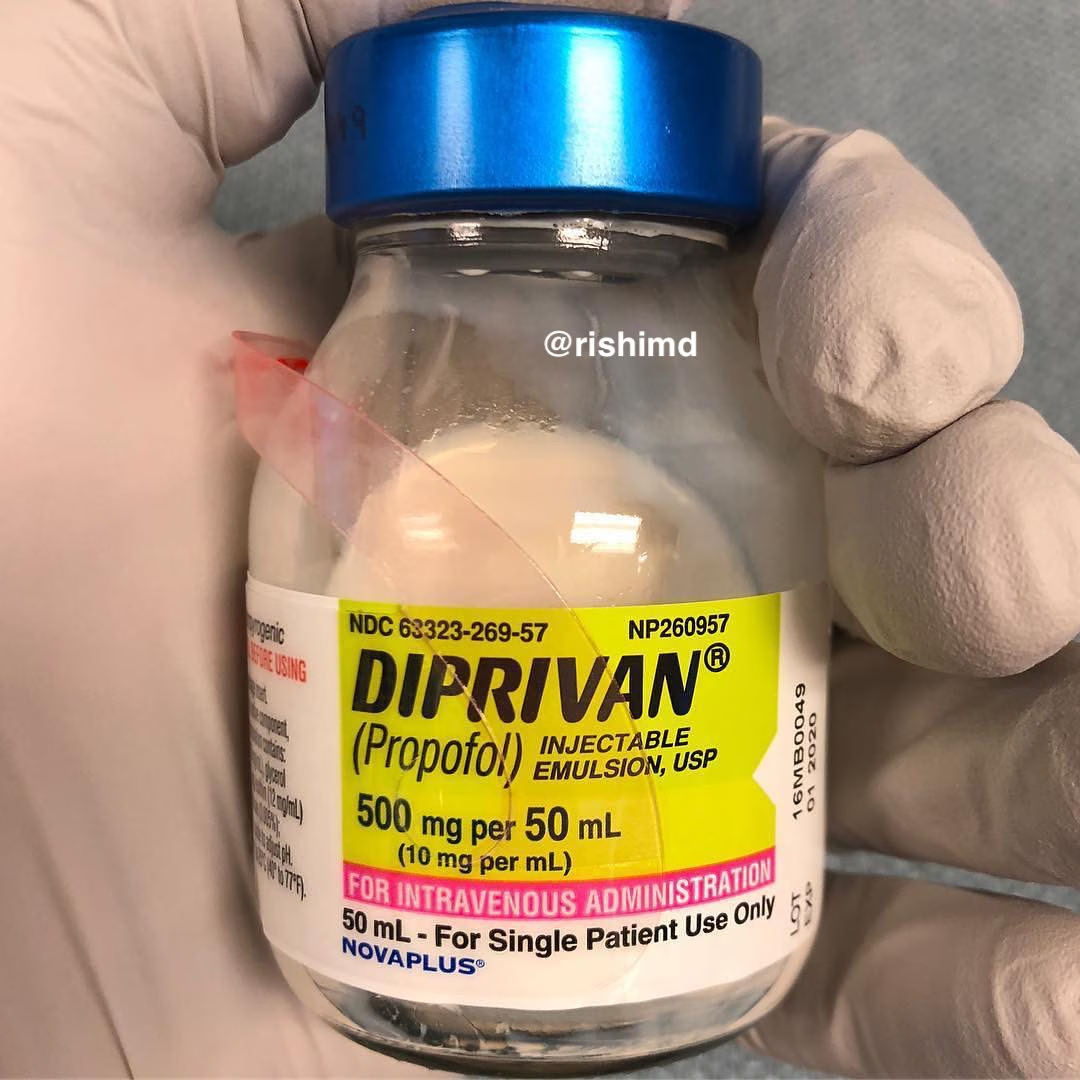
    Propofol (Diprivan) is perhaps the most well known intravenous hypnotic used in perioperative and intensive care medicine. This “milk of amnesia” is prepared in a lecithin-based (purified egg yolk) emulsion. Similar to many other IV anesthetics, propofol potenPropofol (Diprivan) is perhaps the most well-known intravenous hypnotic used in perioperative and…

    Read More

  • Bispectral Index (BIS) Monitor

    Bispectral Index (BIS) Monitor

    The bispectral index (BIS) monitor is a noninvasive derivative of the electroencephalogram (EEG) used to assess the depth of anesthesia to help prevent intraoperative awareness – a rare (~ 0.1% of general anesthetics) but serious complication that can lead to post-traumatic stress disorder (PTSD). To avoid this, some providers run…

    Read More

  • Heparin

    Heparin

    Heparin is a naturally occurring, negatively charged carbohydrate consisting of molecules with different lengths (unfractionated). It potentiates the activity of antithrombin (AT) III which inactivates thrombin and factor Xa based on the size of the heparin molecule. Fractionated, low molecular weight forms of heparin (ie, enoxaparin) are more selective for…

    Read More

  • The Lethal Diamond In Trauma

    The Lethal Diamond In Trauma

    The lethal diamond in trauma – acidosis, hypothermia, hypocalcemia, and coagulopathy – defines much of what I do in the ICU and cardiothoracic ORs. It’s important to appreciate the interplay between these three derangements, anticipate problems, and intervene quickly.

    Read More

  • Atropine

    Atropine

    Atropine is an anticholinergic (specifically an antimuscarinic) that works by inhibiting the parasympathetic nervous system. It can be administered IV, IM, SC, and even down an endotracheal tube! However, since atropine crosses the blood-brain barrier, it can cause central anticholinergic syndrome – a spectrum of confusion and delirium, especially in the…

    Read More

  • Albumin

    Albumin

    Albumin is the most abundant globular plasma protein, an important transport protein, and the primary determinant of oncotic pressure (the colloid osmotic pressure that opposes hydrostatic pressure in determining transcapillary flow). The colloid versus crystalloid debate is a timeless point of contention in acute care medicine, but the general teaching…

    Read More

  • Neostigmine

    Neostigmine

    Neostigmine is a polar acetylcholinesterase inhibitor (does NOT cross the blood-brain barrier) that is routinely used to reverse non-depolarizing neuromuscular blocking agents (NMBA) like rocuronium, vecuronium, and cisatracurium. These NMBAs are competitive inhibitors at the nicotinic acetylcholine receptor (AChR). Neostigmine prevents the degradation of acetylcholine (ACh) allowing more of this…

    Read More

  • Calcium Chloride

    Calcium Chloride

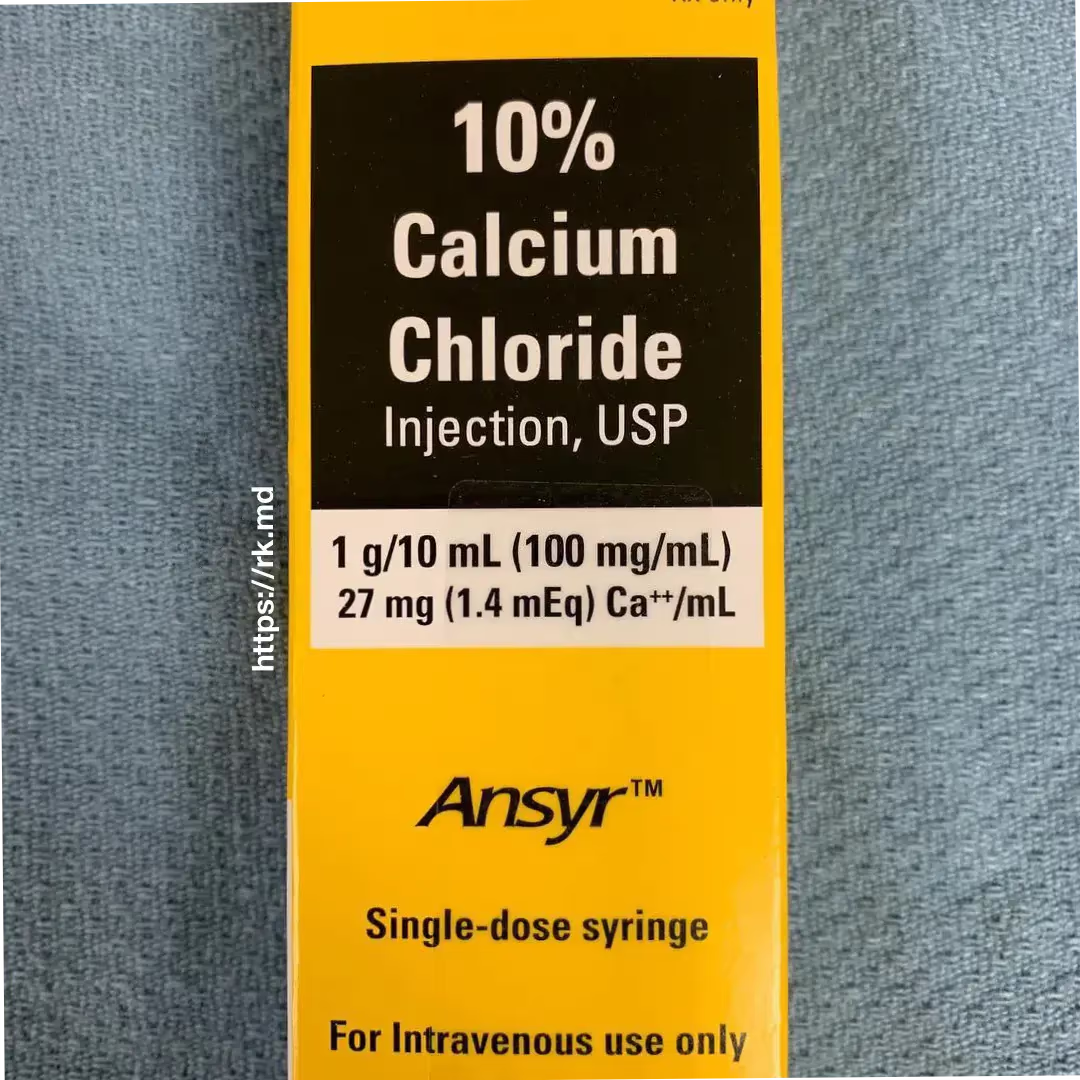
    Calcium chloride (CaCl2) is an ionic form of intravenous calcium repletion with roughly three times more bioavailable calcium than its organic counterpart – calcium gluconate.

    Read More