• Hydralazine

    Hydralazine

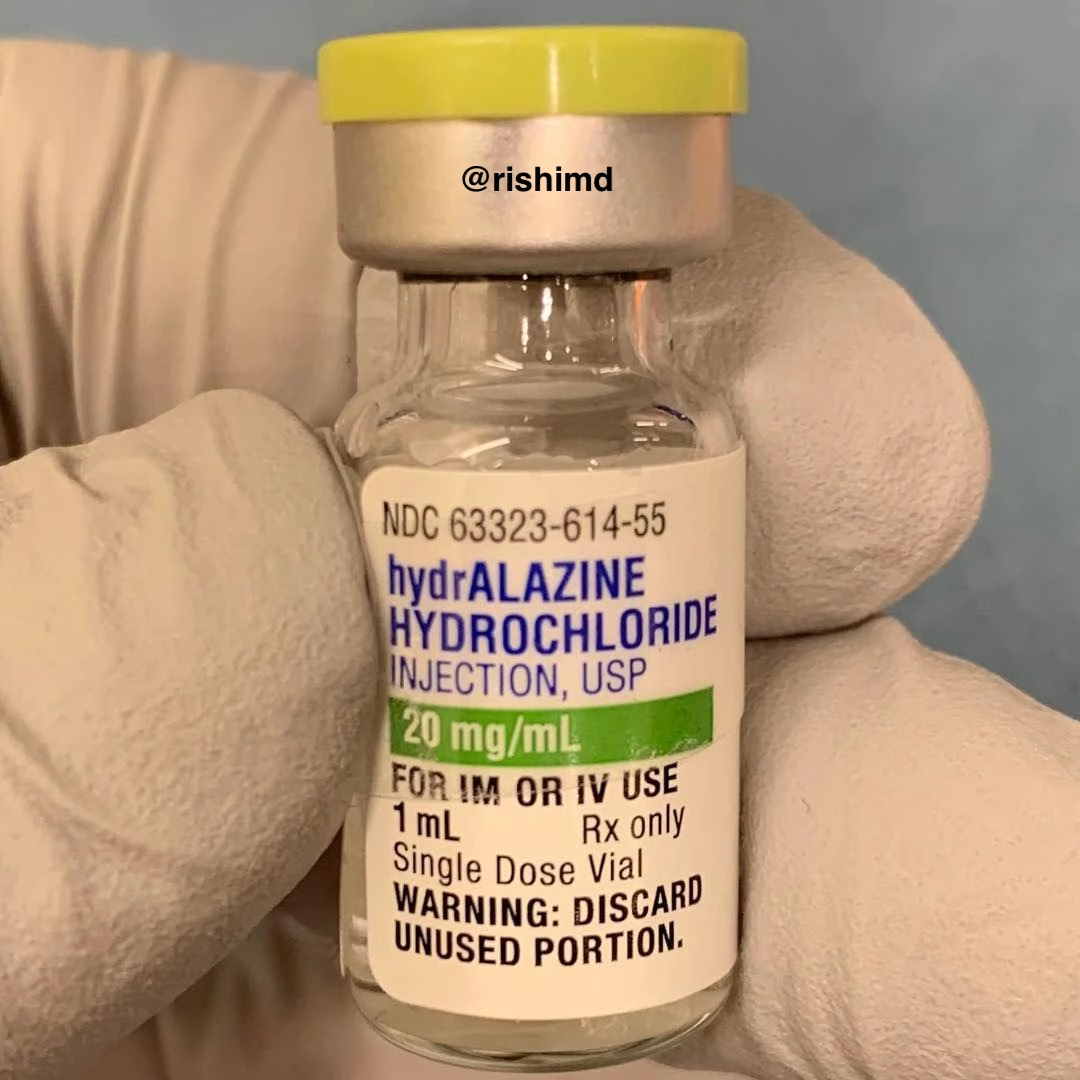
    Hydralazine (Apresoline) is an intravenous and oral antihypertensive that promotes the direct relaxation of arterioles through an unclear mechanism potentially involving calcium flux within the vascular smooth muscle. By acting primarily as a vasodilator (compared to venodilator), peripheral vascular resistance decreases causing the diastolic blood pressure to drop more than…
    Read More

  • Halogenated Volatiles

    Halogenated Volatiles

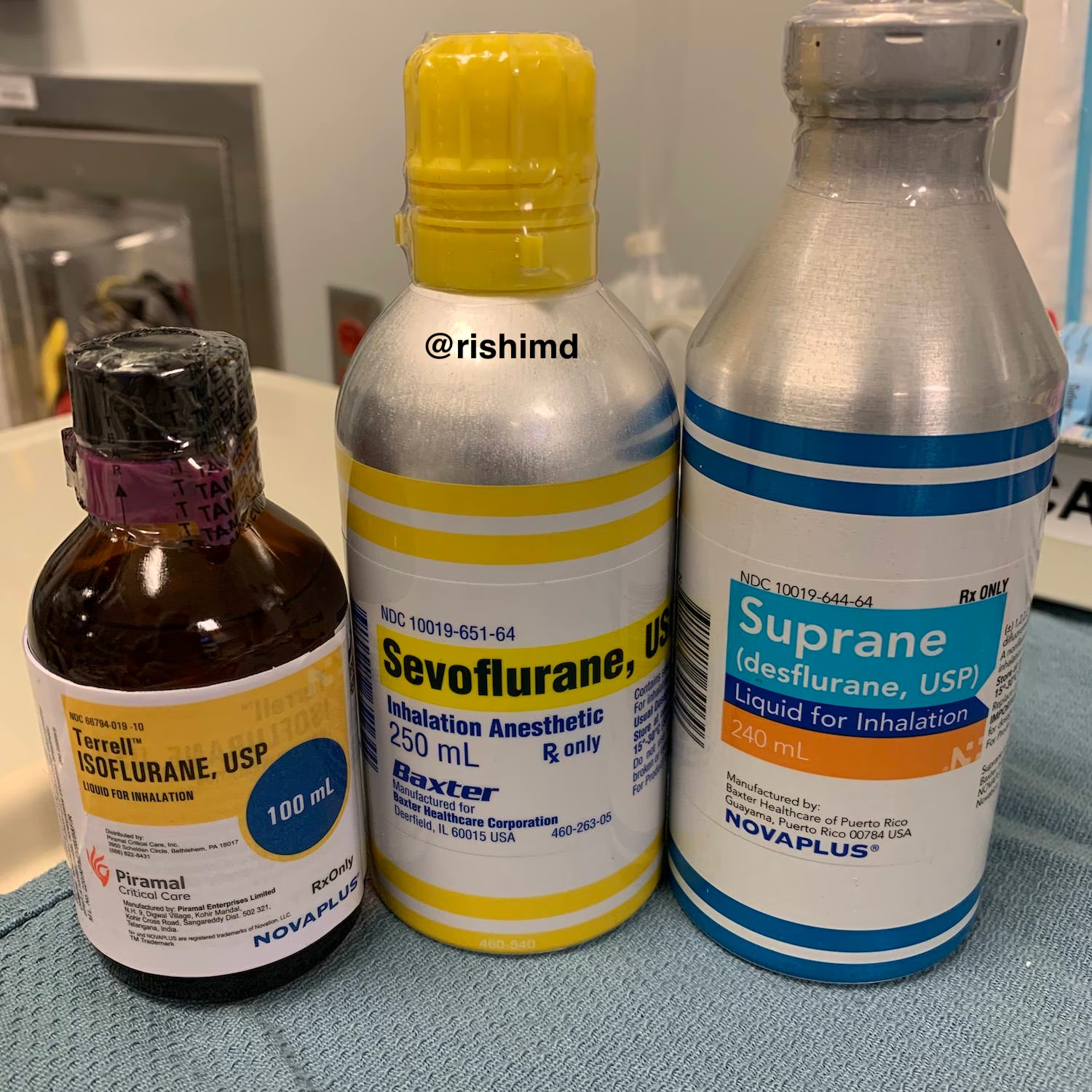
    Halogenated volatile anesthetics (“anesthesia gases”) serve as the backbone for maintaining most of the general anesthetics I perform. Although their mechanism is not completely understood, studies suggest that they alter membrane proteins in the lipid bilayer while potentiating the effects of GABA – an inhibitory neurotransmitter – in the brain…

    Read More

  • Dexmedetomidine

    Dexmedetomidine

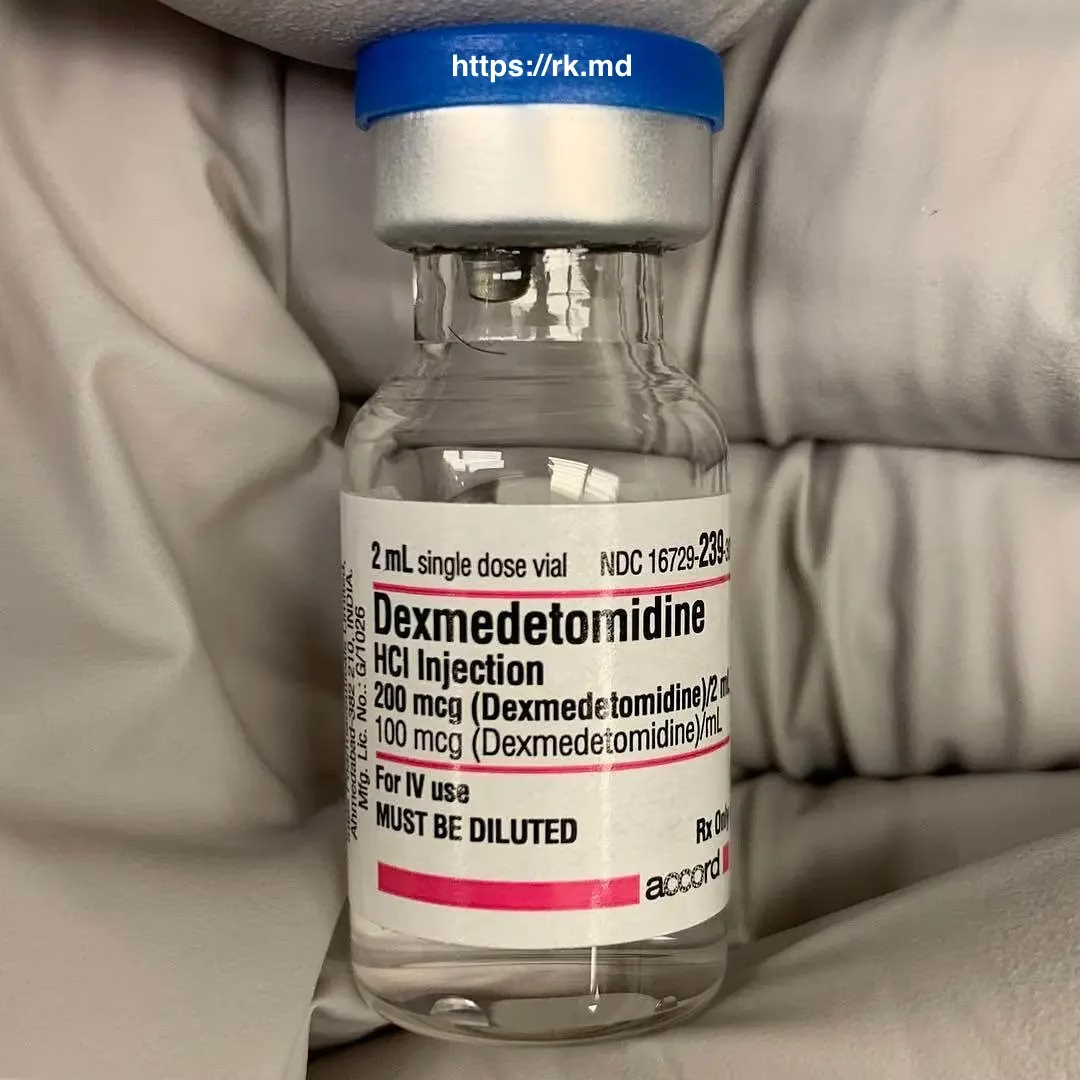
    Dexmedetomidine (Precedex) is a selective intravenous alpha-2 agonist approved for sedation in non-intubated patients in the perioperative setting and short-term sedation for patients on mechanical ventilation. A negative feedback loop is potentiated by binding alpha-2 receptors, decreasing the further release of neurotransmitters from the pre-synaptic neuron. This reduces the sympathetic…

    Read More

  • Magnesium Sulfate

    Magnesium Sulfate

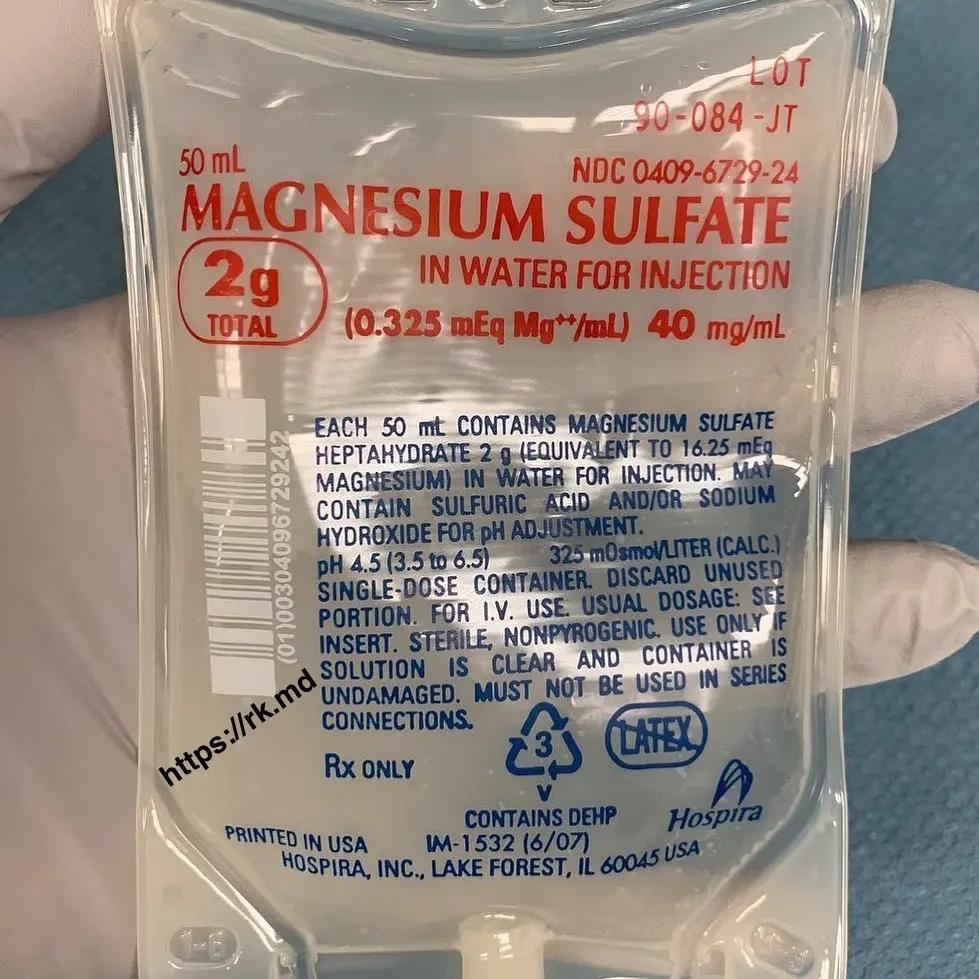
    Magnesium is an important intracellular electrolyte that regulates neuronal conduction, vascular tone, myocardial excitation, and muscular contraction. Patients often lose magnesium through significant NG tube drainage, diarrhea, and diuresis. Many of them also come in with baseline malnutrition secondary to poor absorption and alcoholism.As a med student/resident, I saw magnesium…

    Read More

  • Adenosine

    Adenosine

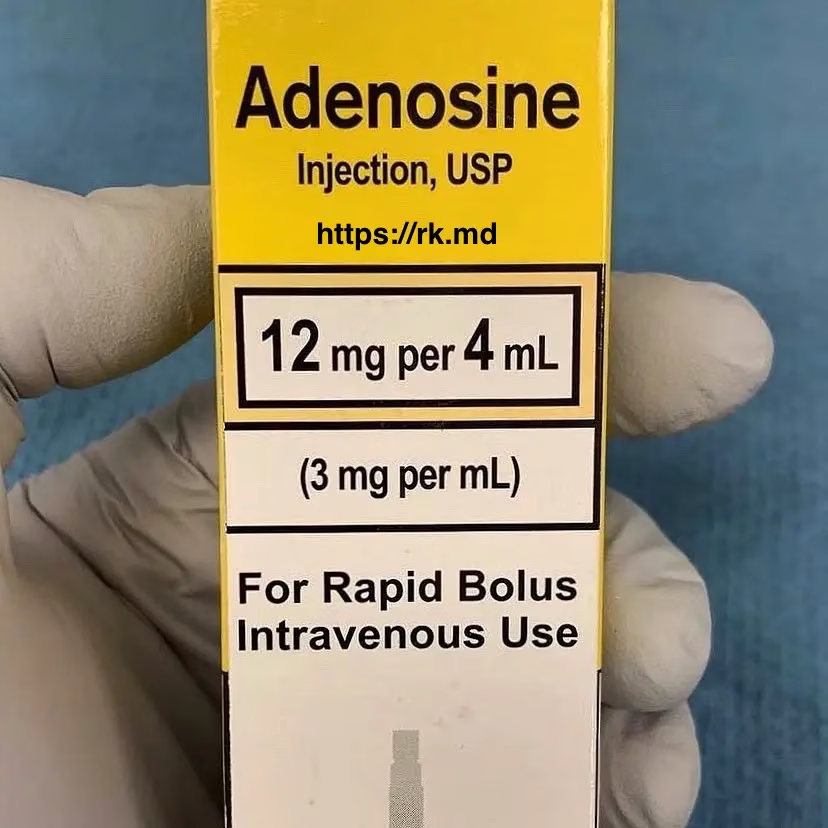
    Adenosine is a nucleoside that forms the backbone for energy substrates like ATP and signal transduction/second messenger systems like cyclic AMP. Clinically, it converts supraventricular tachycardias that involve the atrioventricular (AV) node like certain AV reentrant and AV nodal reentrant tachycardias. Adenosine transiently blocks the AV node via inhibition of…

    Read More

  • Dobutamine

    Dobutamine

    Dobutamine (Dobutrex) is a synthetic adrenergic agonist structurally similar to isoproterenol working on the same receptor profile – primarily beta 1 and beta 2 – to create the net effect of increased chronotropy (heart rate), inotropy (contractility) and vasodilation (decreased afterload). With these hemodynamic goals, dobutamine aims to increase forward…

    Read More

  • Ceftaroline

    Ceftaroline

    Ceftaroline (Teflaro) is a fifth generation intravenous cephalosporin used to treat community acquired pneumonia (CAP) and acute skin infections. Similar to later generation cephalosporins, ceftaroline retains antimicrobial activity against many common gram negative bacteria with two important exceptions – Acinetobacter and Pseudomonas.

    Read More

  • Hydrocortisone

    Hydrocortisone

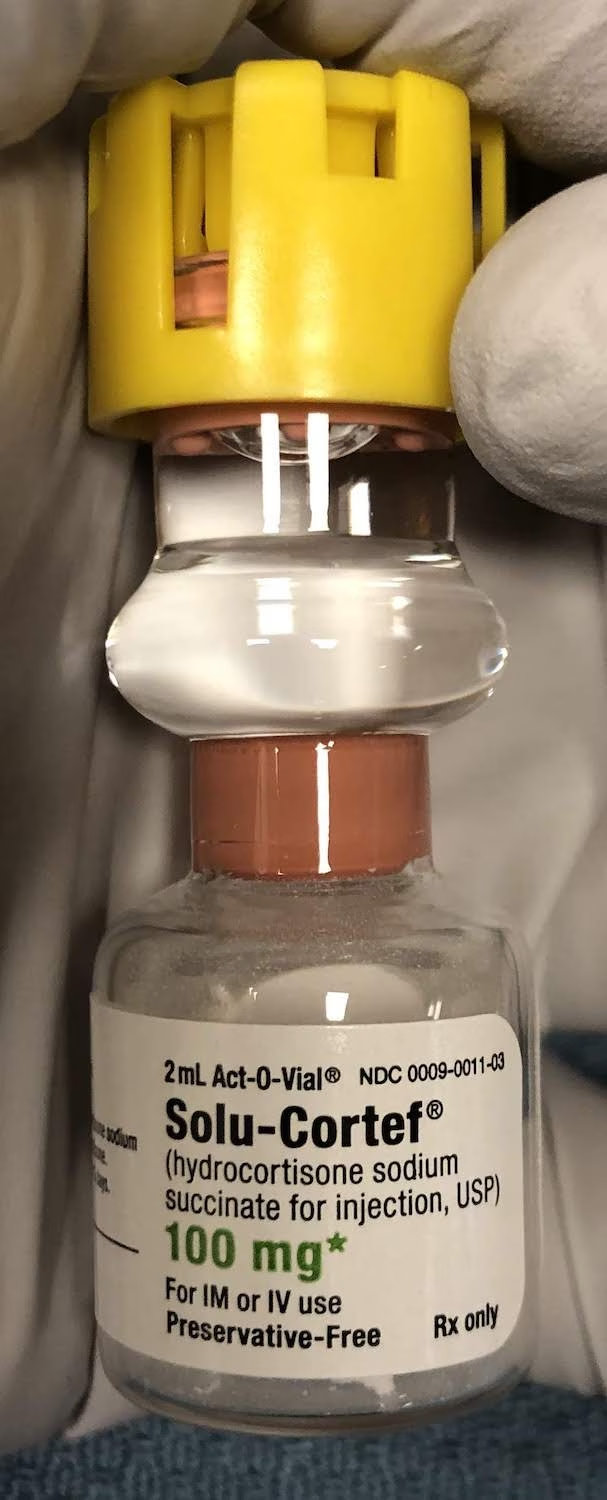
    Hydrocortisone (Solu-Cortef) is a pharmacologic analog of the steroid hormone cortisol (identical structure) that serves as a reference to gauge the relative mineralcorticoid and glucocorticoid potencies of other steroids. This is similar to how morphine equivalents are used to gauge the analgesic potencies of other opioids.

    Read More

  • Midazolam

    Midazolam

    Midazolam (Versed) is a relatively short-acting benzodiazepine (“benzo”) which can be administered IV, PO, PR, and even within the neuraxial space to extend the duration/strength of the epidural/spinal block. For these reasons, it’s the most commonly used benzo in anesthesiology. Like all medications in this class, midazolam potentiates the effects…

    Read More

  • Dopamine

    Dopamine

    Dopamine is a natural catecholamine that is the biochemical precursor to norepinephrine and epinephrine. In human physiology, it plays a pivotal role in regulating mood, lymphocyte activity, gastrointestinal motility, movement, the release of other neurotransmitters, and renal blood flow/sodium excretion. Specifically, dopamine decreases the release of prolactin from the anterior…

    Read More