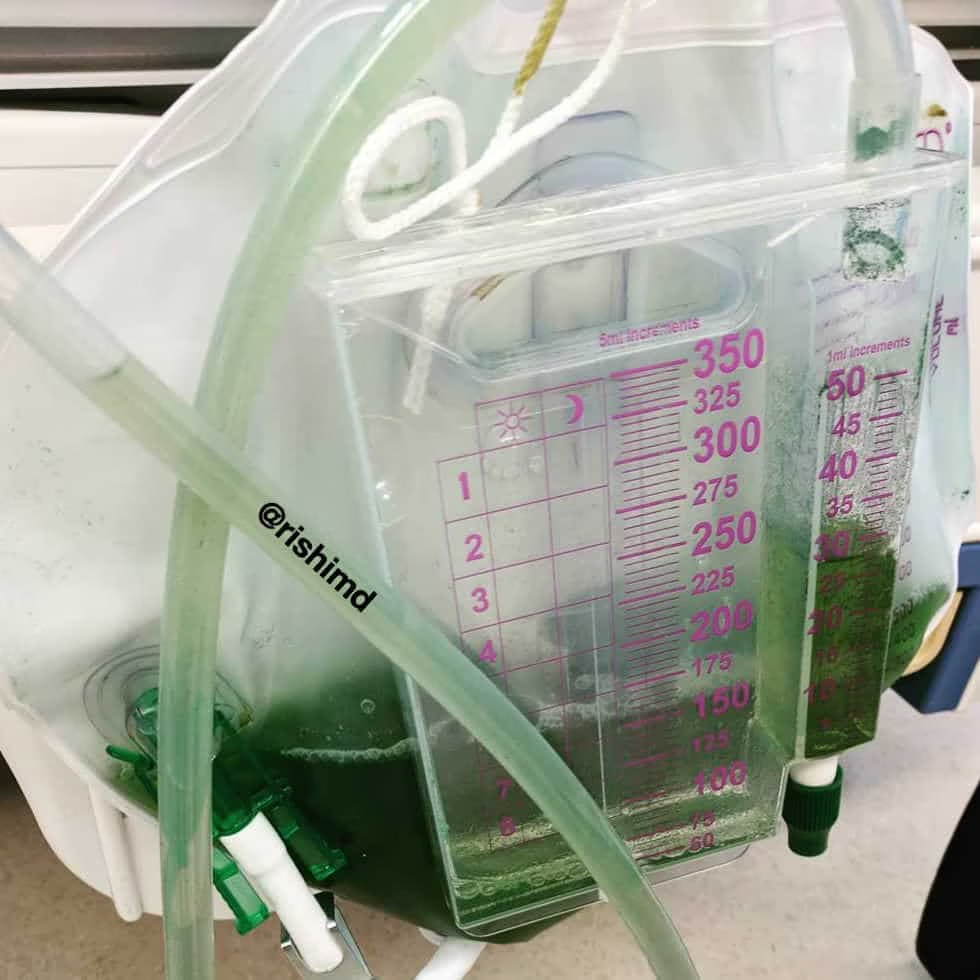
• Green Urine Discoloration

    Green Urine Discoloration

    Urine color is often under-appreciated in working up a patient’s clinical status (especially in the ICU and OR). “Highlighter” yellow urine is often seen in patients on B vitamin complexes (it’s a water-soluble vitamin, and your body doesn’t need 1,000% of the daily requirement, lol), red/brown urine can be related…
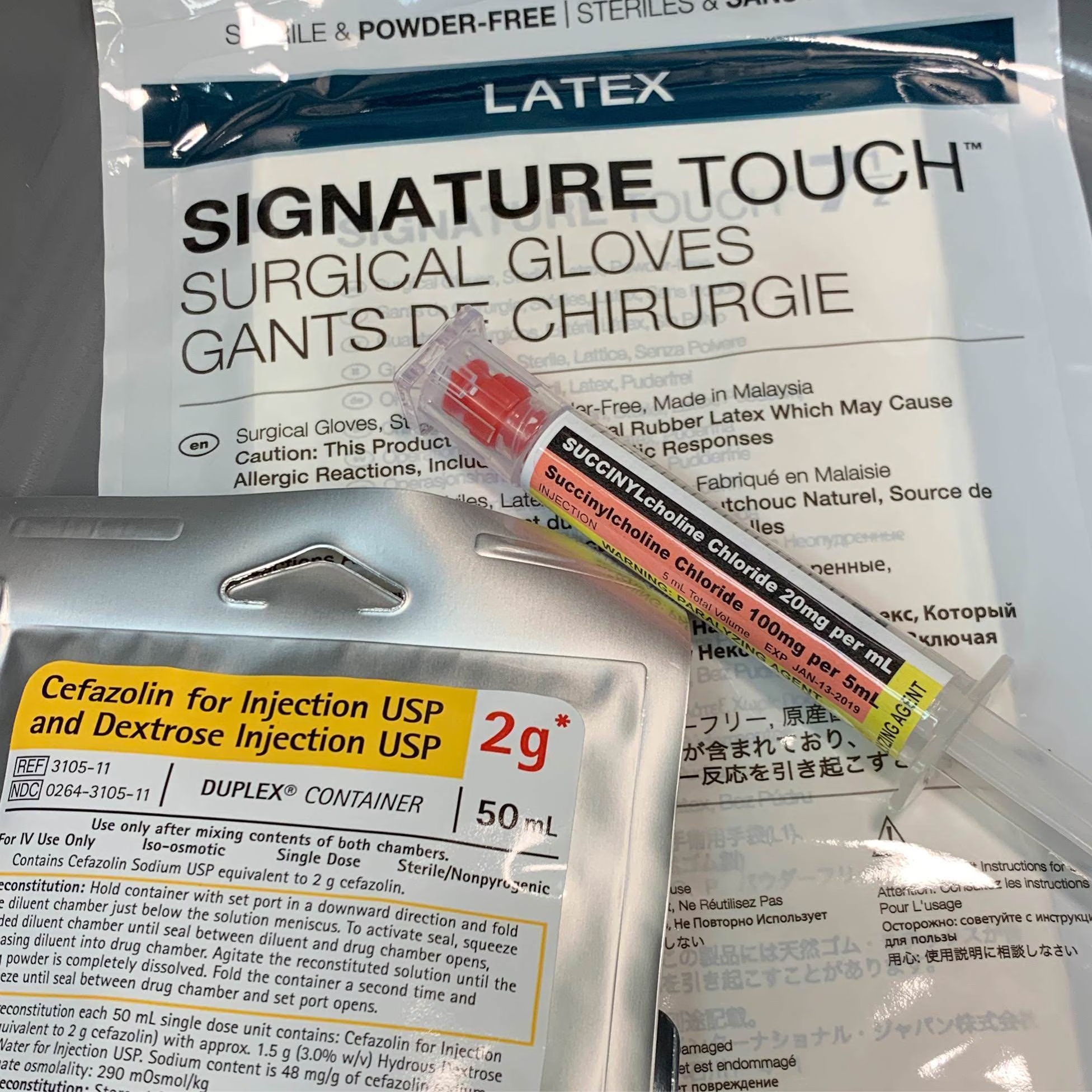
    Read More

  • Anaphylaxis

    Anaphylaxis

    True anaphylaxis is a type 1 hypersensitivity reaction where histamine, serotonin, leukotrienes, and other mediators are released from basophils and mast cells via an IgE-mediated mechanism. Although patients classically present with cutaneous findings (urticaria, erythema, etc.), respiratory symptoms (wheezing, stridor), gastrointestinal disturbances, tachycardia, and hypotension are also frequently associated with…

    Read More

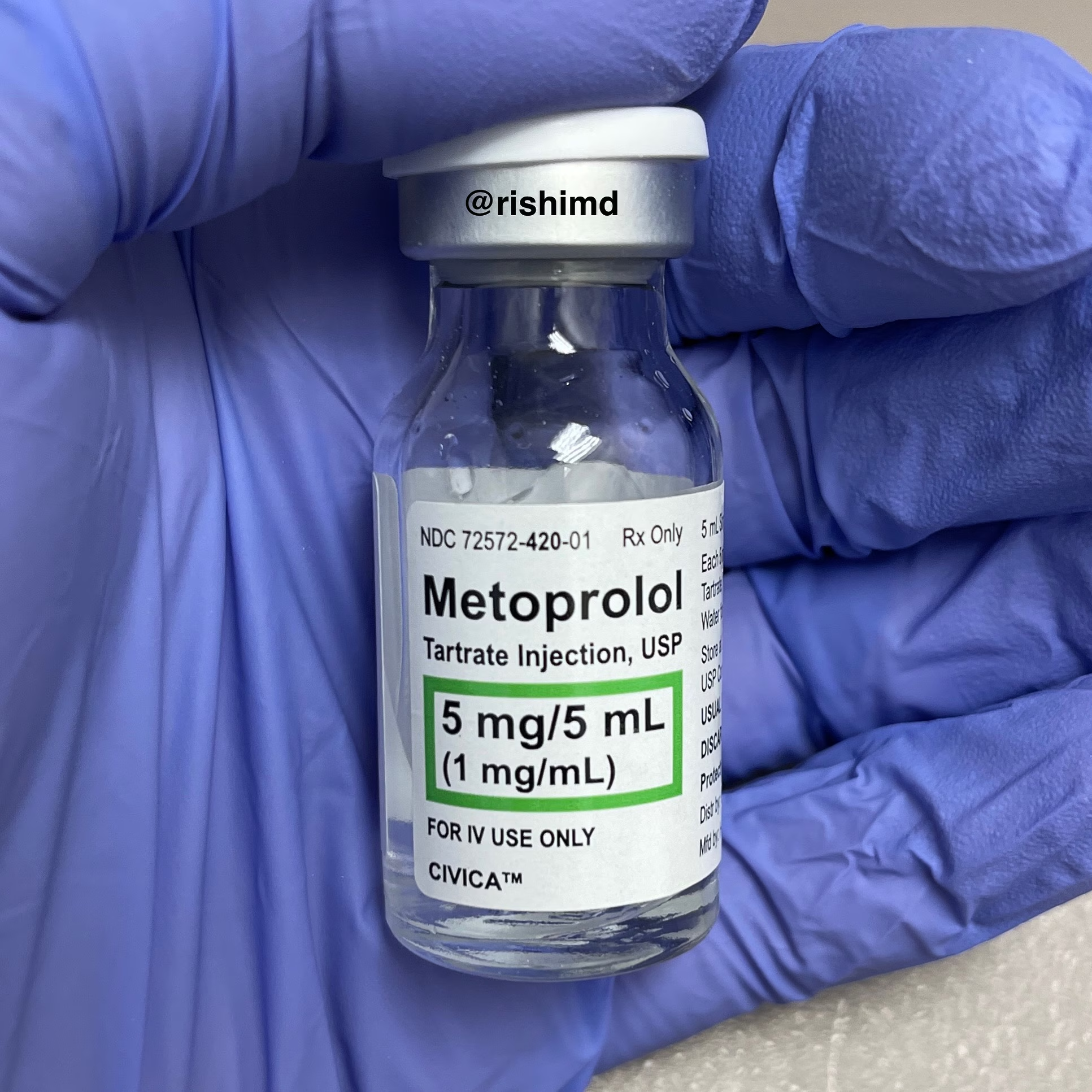
  • Metoprolol

    Metoprolol

    Metoprolol (Lopressor) is a selective beta-1 receptor blocker used primarily to decrease heart rate (chronotropy) and cardiac contractility (inotropy) in those with anginal chest pain, acute myocardial infarctions, supraventricular tachycardias, and even off-label for anxiety disorders.

    Read More

  • Nitroglycerin

    Nitroglycerin

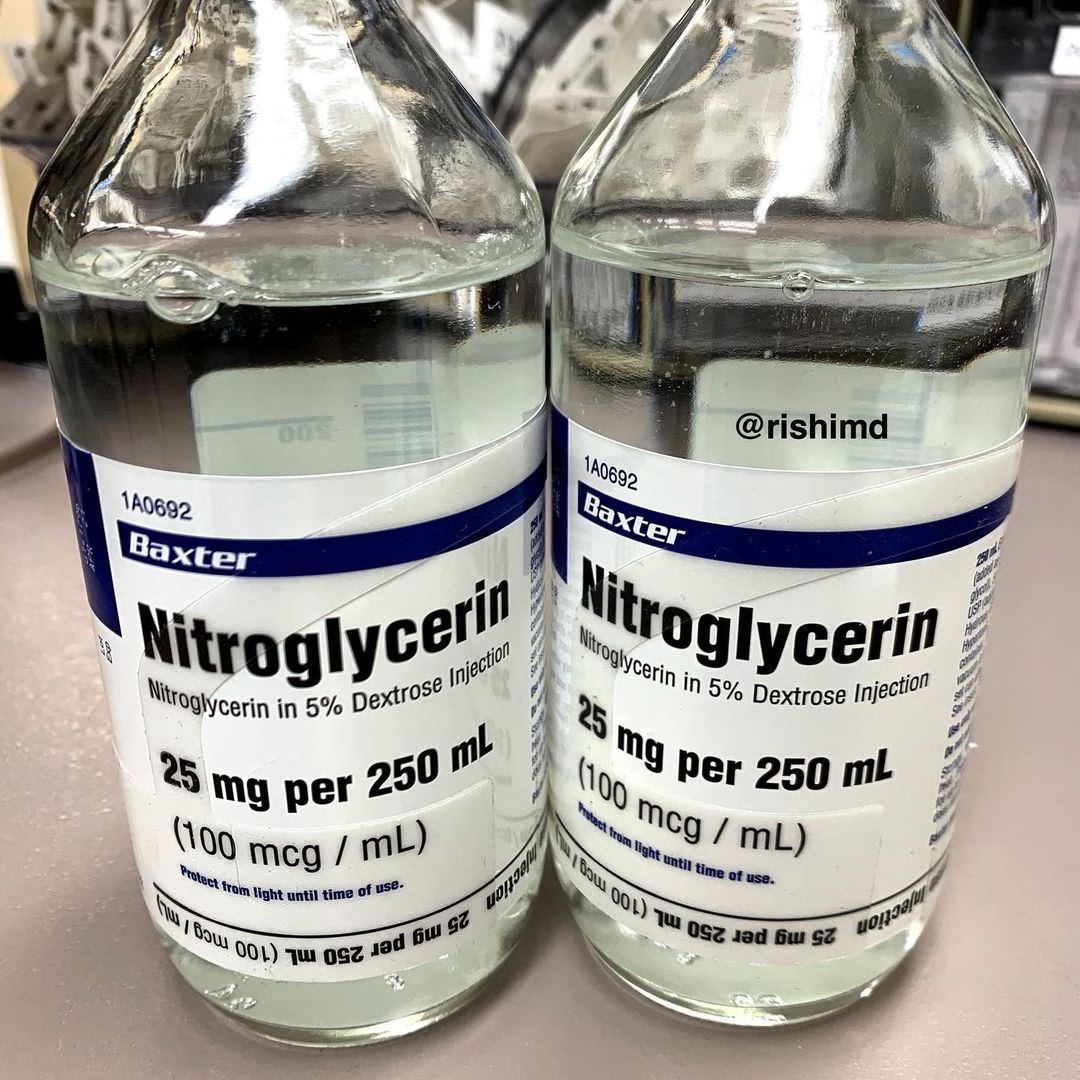
    Nitroglycerin (NTG) is short-acting venodilator (vasodilator at higher doses) which, like all nitrates, is converted to nitric oxide to exert its effects. In medicine, NTG is routinely used to improve the mismatch between cardiac oxygen supply and demand by dilating the coronary arteries as well as the large venous capacitance…

    Read More

  • Mannitol

    Mannitol

    Mannitol is a carbohydrate often administered as a hypertonic solution that is freely filtered by the renal glomerulus and not reabsorbed. Therefore, it serves as an osmotic diuretic that, if left unchecked, can lead to electrolyte derangements and hypovolemia.

    Read More

  • Exparel

    Exparel

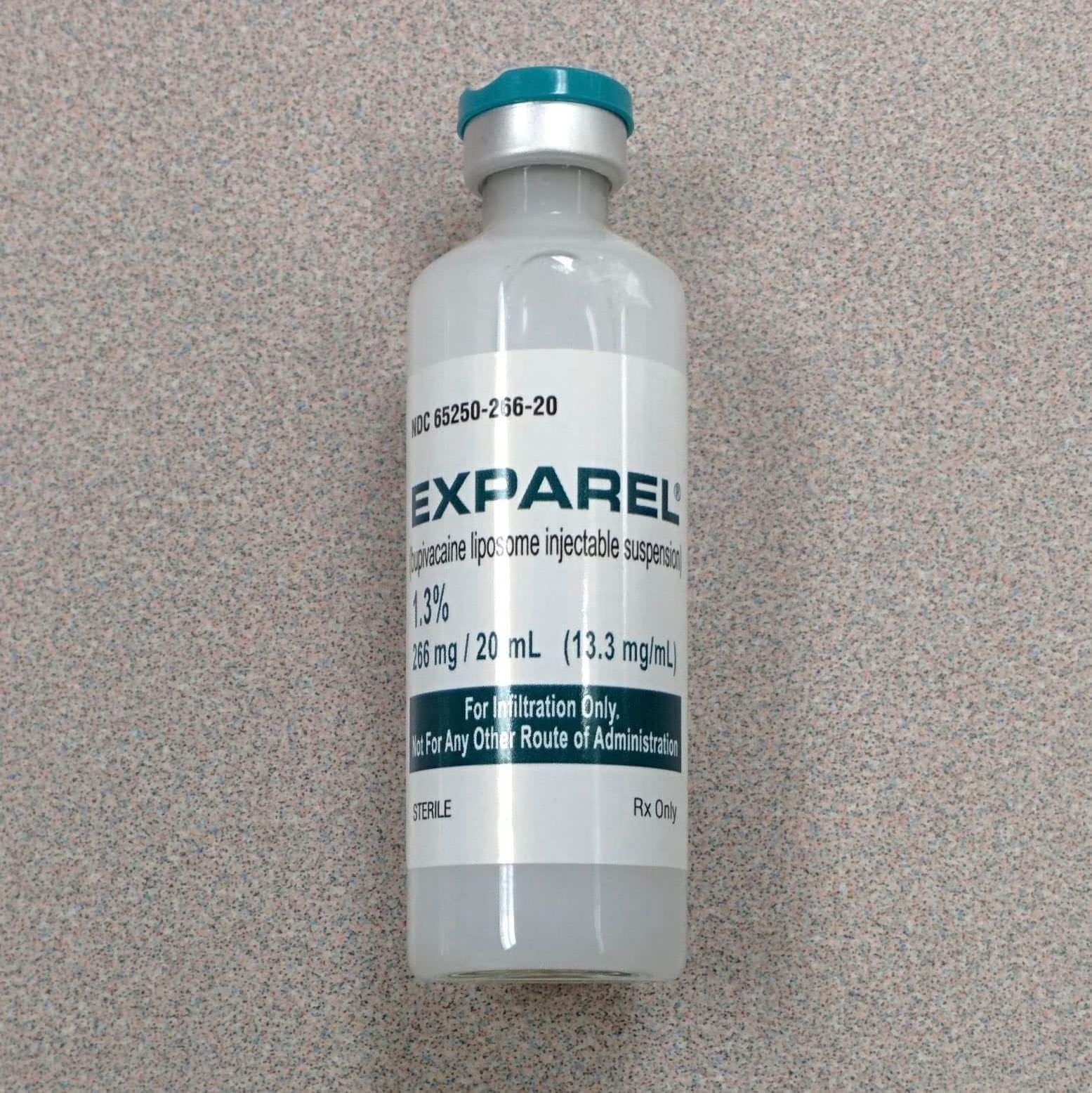
    Liposomal bupivacaine (Exparel) is a local anesthetic touted for the long duration of its activity. Molecules of bupivacaine are encapsulated within  multivesicular liposomes composed of endogenous lipids like cholesterol and phospholipids; these liposomes undergo rearrangement to cause a slow release of bupivacaine over 2-3 days. 

    Read More

  • Celecoxib

    Celecoxib

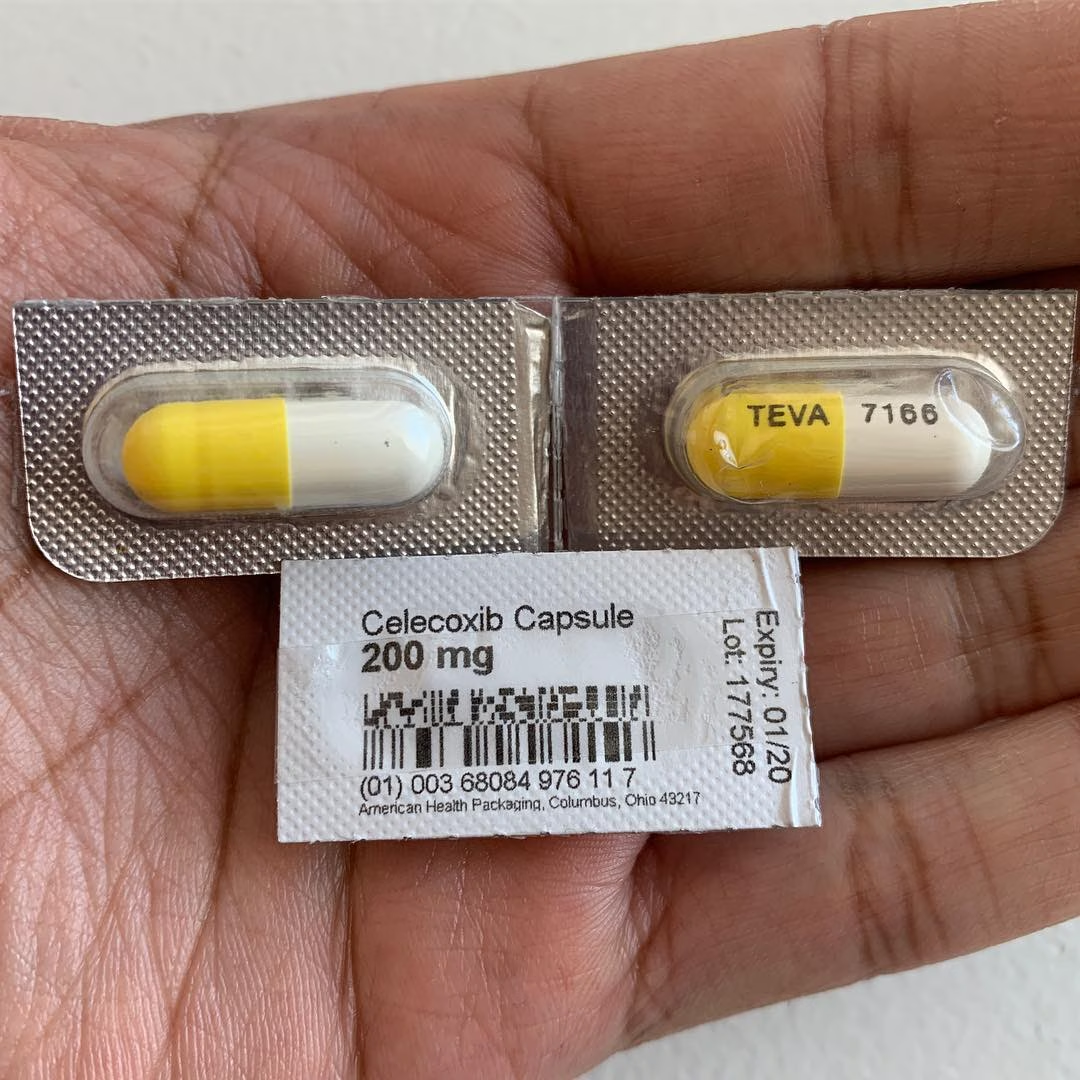
    Celecoxib (Celebrex) is an oral, non-steroidal anti-inflammatory drug (NSAID). This class of medications typically inhibits two major isozymes: COX-1 (responsible for platelet aggregation, kidney perfusion, and gastrointestinal mucosa protection) and COX-2 (produced as a result of tissue damage to mitigate the inflammatory response). By selectively inhibiting COX-2, celecoxib tries to…

    Read More

  • Zerbaxa

    Zerbaxa

    Zerbaxa (ceftolozane-tazobactam) is a potent intravenous antibiotic used for gram-negative intraabdominal and urinary tract infections resistant to more traditional antibiotics. It is active against P. aeruginosa, E. coli, and various other gram negative bugs like species of Proteus, Citrobacter, Serratia, and Salmonella.

    Read More

  • RiaSTAP

    RiaSTAP

    RiaSTAP is a fibrinogen concentrate made from pooled human plasma (may not be an option in Jehovah’s Witness patients). It was FDA approved for acute bleeding in patients with congenital fibrinogen deficiency (ie, afibrinogenemia or hypofibrinogenemia), but as an anesthesiologist, I’ve used it in the context of low fibrinogen levels…

    Read More

  • Epoprostenol

    Epoprostenol

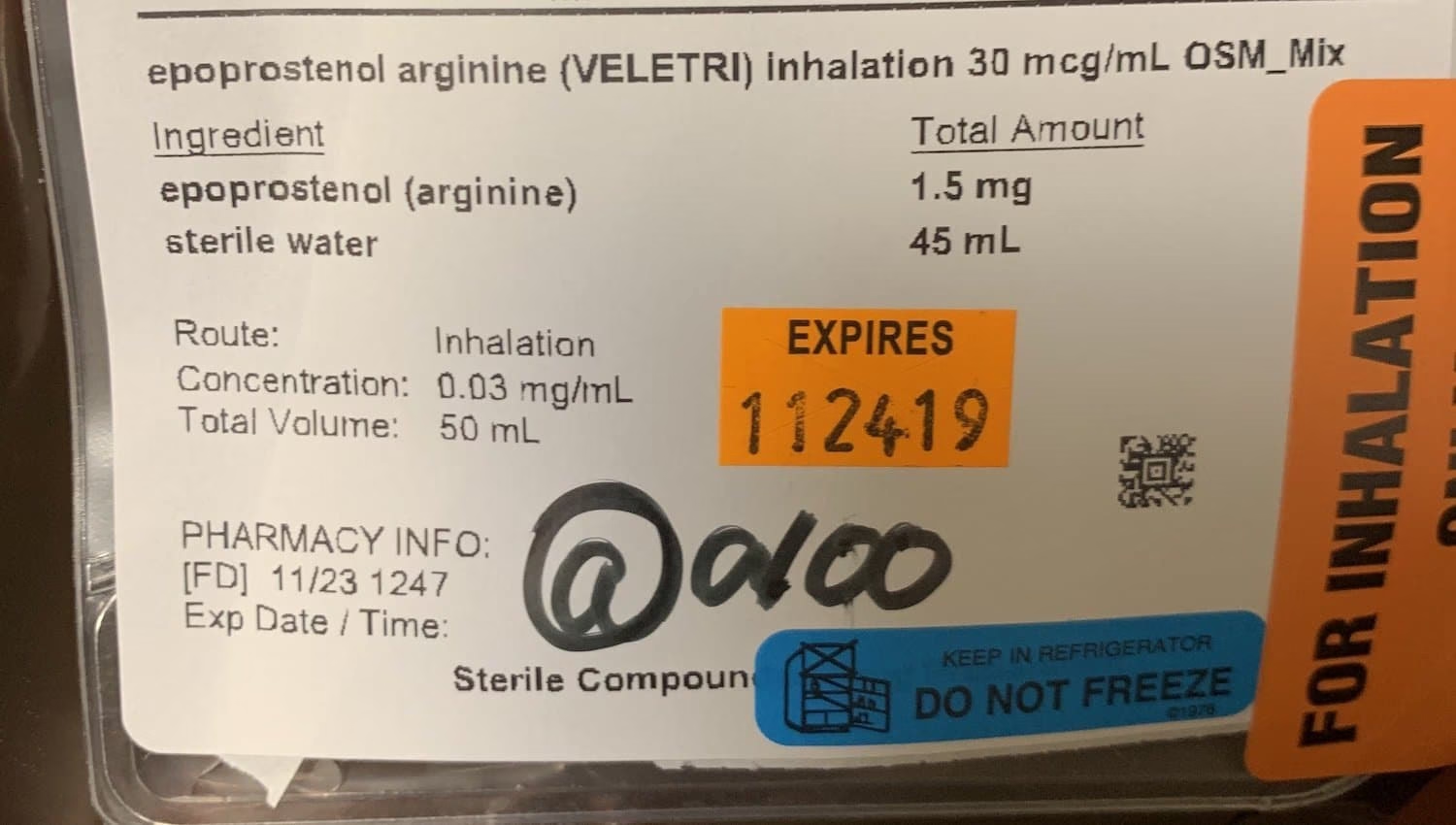
    Epoprostenol (Veletri or Flolan) is an inhaled or intravenous prostanoid vasodilator which is most often used as a therapeutic option for pulmonary arterial hypertension (pHTN). When given intravenously, it dilates both the systemic and pulmonary arterial vasculature to decrease both systemic and pulmonary vascular resistances to augment cardiac output; however,…

    Read More