Methylene Blue
Methylene blue (ProvayBlue) is an intravenous medication and dye best known for treating methemoglobinemia but has been found to have potential benefits in other areas of medicine.


Methylene blue (ProvayBlue) is an intravenous medication and dye best known for treating methemoglobinemia but has been found to have potential benefits in other areas of medicine.

Tranexamic acid (“TXA”, Cyklokapron) is an analog of the amino acid lysine that works as an antifibrinolytic by binding lysine receptor sites on plasminogen to competitively inhibit its conversion to plasmin – the enzyme responsible for degrading fibrin clots. It’s roughly ten times more potent than aminocaproic acid (another antifibrinolytic),…
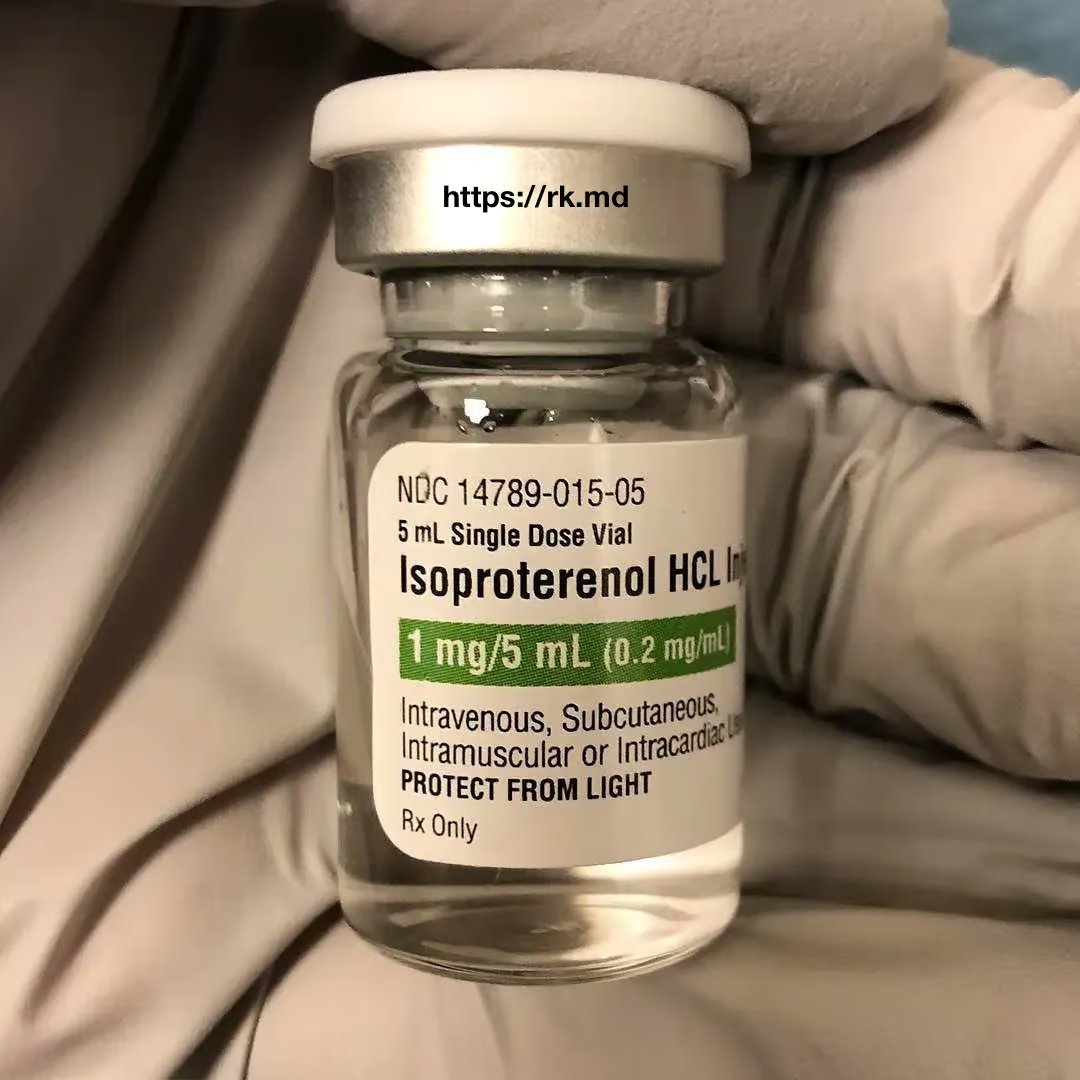
Isoproterenol (Isuprel) is a nonselective beta-adrenergic agonist structurally very similar to epinephrine, which I commonly use in the electrophysiology (EP) lab to induce tachyarrhythmias for the electrophysiologist to map out and ablate. Unfortunately, this medication is also a classic example of the price gouging imposed by pharmaceutical companies. Production rights…
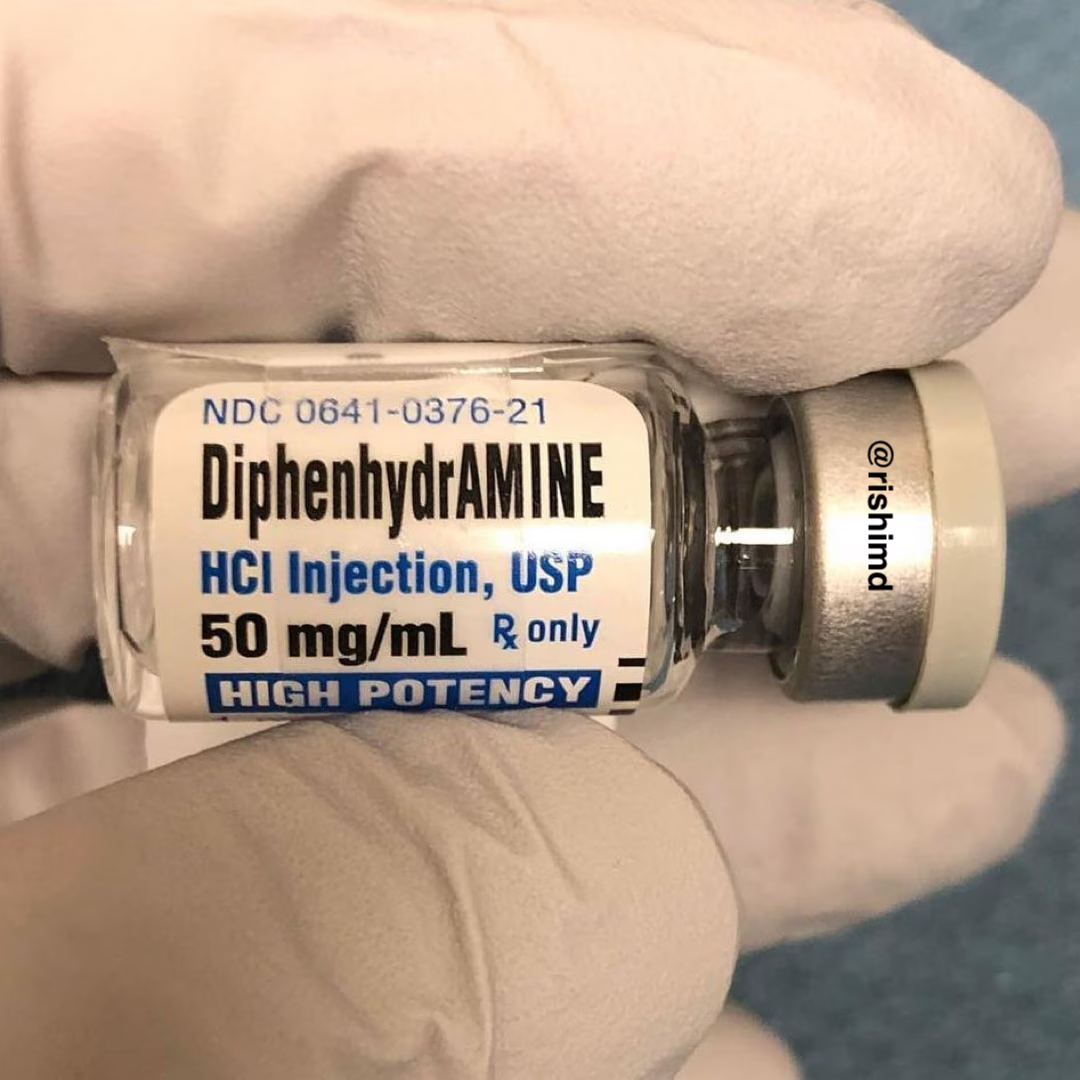
Diphenhydramine (Benadryl) is a first-generation antihistamine that blocks H1 histamine receptors. Unlike many second-generation antihistamines, first-generation medications like diphenhydramine cross the blood-brain barrier and inhibit histamine’s important role in sleep and wakefulness. Couple this with diphenhydramine’s anticholinergic effects in the central nervous system, and one can understand the sedating and…
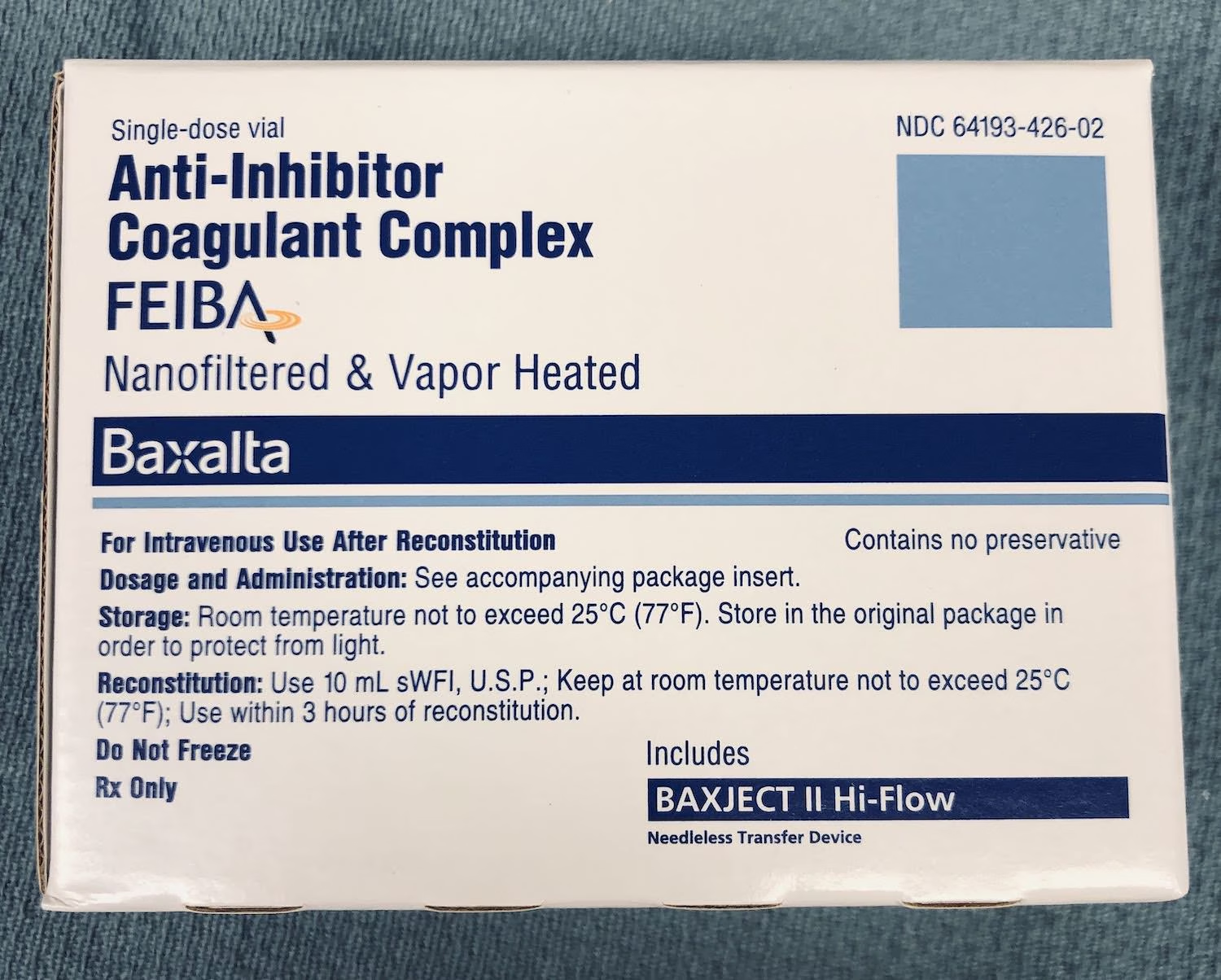
Factor eight inhibitor bypass agent (FEIBA) is a plasma derived procoagulant that contains primarily inactivated factors II (prothrombin), IX, and X. Additionally, it contains activated factor VII. FEIBA controls bleeding by facilitating the generation of thrombin through the prothrombinase complex.
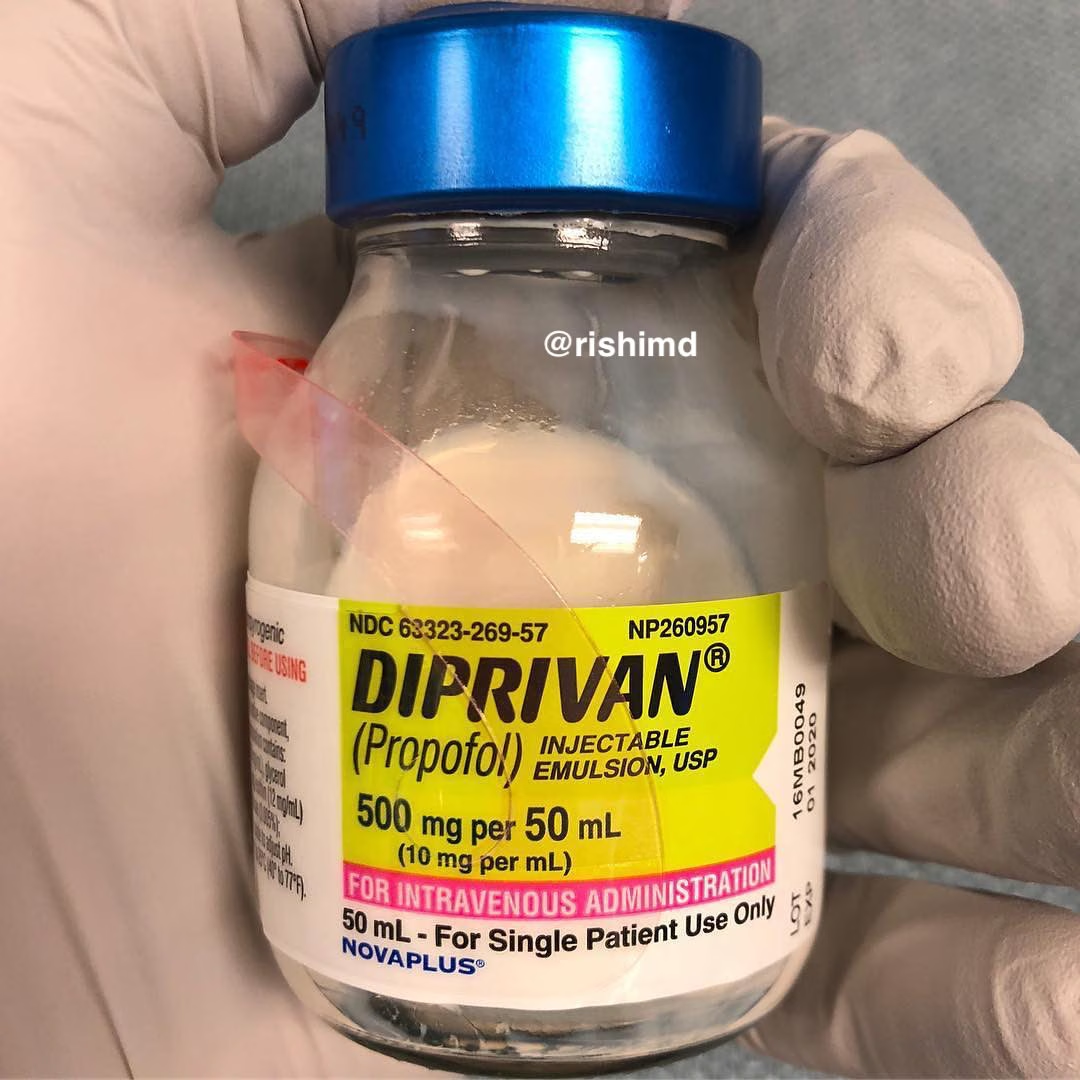
Propofol (Diprivan) is perhaps the most well known intravenous hypnotic used in perioperative and intensive care medicine. This “milk of amnesia” is prepared in a lecithin-based (purified egg yolk) emulsion. Similar to many other IV anesthetics, propofol potenPropofol (Diprivan) is perhaps the most well-known intravenous hypnotic used in perioperative and…

Heparin is a naturally occurring, negatively charged carbohydrate consisting of molecules with different lengths (unfractionated). It potentiates the activity of antithrombin (AT) III which inactivates thrombin and factor Xa based on the size of the heparin molecule. Fractionated, low molecular weight forms of heparin (ie, enoxaparin) are more selective for…

Atropine is an anticholinergic (specifically an antimuscarinic) that works by inhibiting the parasympathetic nervous system. It can be administered IV, IM, SC, and even down an endotracheal tube! However, since atropine crosses the blood-brain barrier, it can cause central anticholinergic syndrome – a spectrum of confusion and delirium, especially in the…

Albumin is the most abundant globular plasma protein, an important transport protein, and the primary determinant of oncotic pressure (the colloid osmotic pressure that opposes hydrostatic pressure in determining transcapillary flow). The colloid versus crystalloid debate is a timeless point of contention in acute care medicine, but the general teaching…

Neostigmine is a polar acetylcholinesterase inhibitor (does NOT cross the blood-brain barrier) that is routinely used to reverse non-depolarizing neuromuscular blocking agents (NMBA) like rocuronium, vecuronium, and cisatracurium. These NMBAs are competitive inhibitors at the nicotinic acetylcholine receptor (AChR). Neostigmine prevents the degradation of acetylcholine (ACh) allowing more of this…