• Ephedrine

    Ephedrine

    Ephedrine is primarily an indirect sympathomimetic that causes the release of endogenous catecholamines (i.e., norepinephrine). Its uses extend from traditional Chinese medicine as an anti-asthmatic to recreational use due to its structural similarity to methamphetamine. I administer ephedrine boluses of 5-10 mg intravenously to offset hypotension in the ICU and…

    Read More

  • Bicarbonate

    Bicarbonate

    Oh bicarbonate… how you’ve become the drug which elicits the majority of my soap box lessons on ICU rounds and in the operating room. Truth to be told, it’s a medication which remains controversial among intensivists, nephrologists, and overall physiologists.

    Read More

  • Sugammadex

    Sugammadex

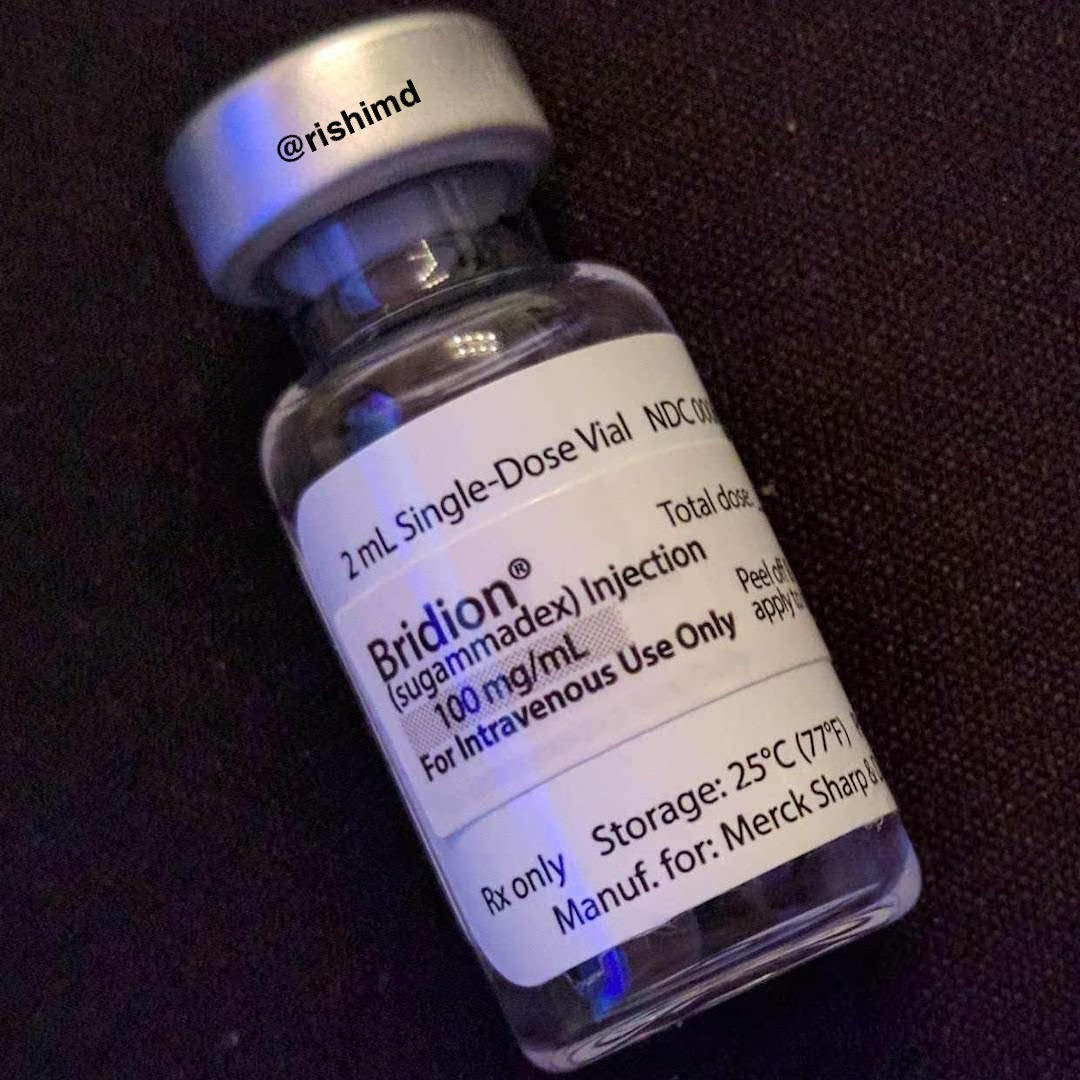
    Sugammadex (Bridion) is an intravenous reversal agent for rocuronium and vecuronium, two aminosteroid, non-depolarizing neuromuscular junction blockers (NMJBs). It’s a cyclodextrin molecule which encapsulates the NMJB within its core thereby preventing it from binding its normal receptor – the nicotinic acetylcholine receptor at the neuromuscular end plate. Although it failed…

    Read More

  • Norepinephrine

    Norepinephrine

    Norepinephrine (Levophed) is a powerful, endogenous catecholamine routinely used in the ICU and perioperative settings. As a single agent, it works as an adrenergic agonist increasing vascular resistance, and to a lesser degree, cardiac output (inotropic/chronotropy augmentation) through alpha 1 and beta 1 mechanisms, respectively. I bolus and start norepinephrine…

    Read More

  • IV Acetaminophen

    IV Acetaminophen

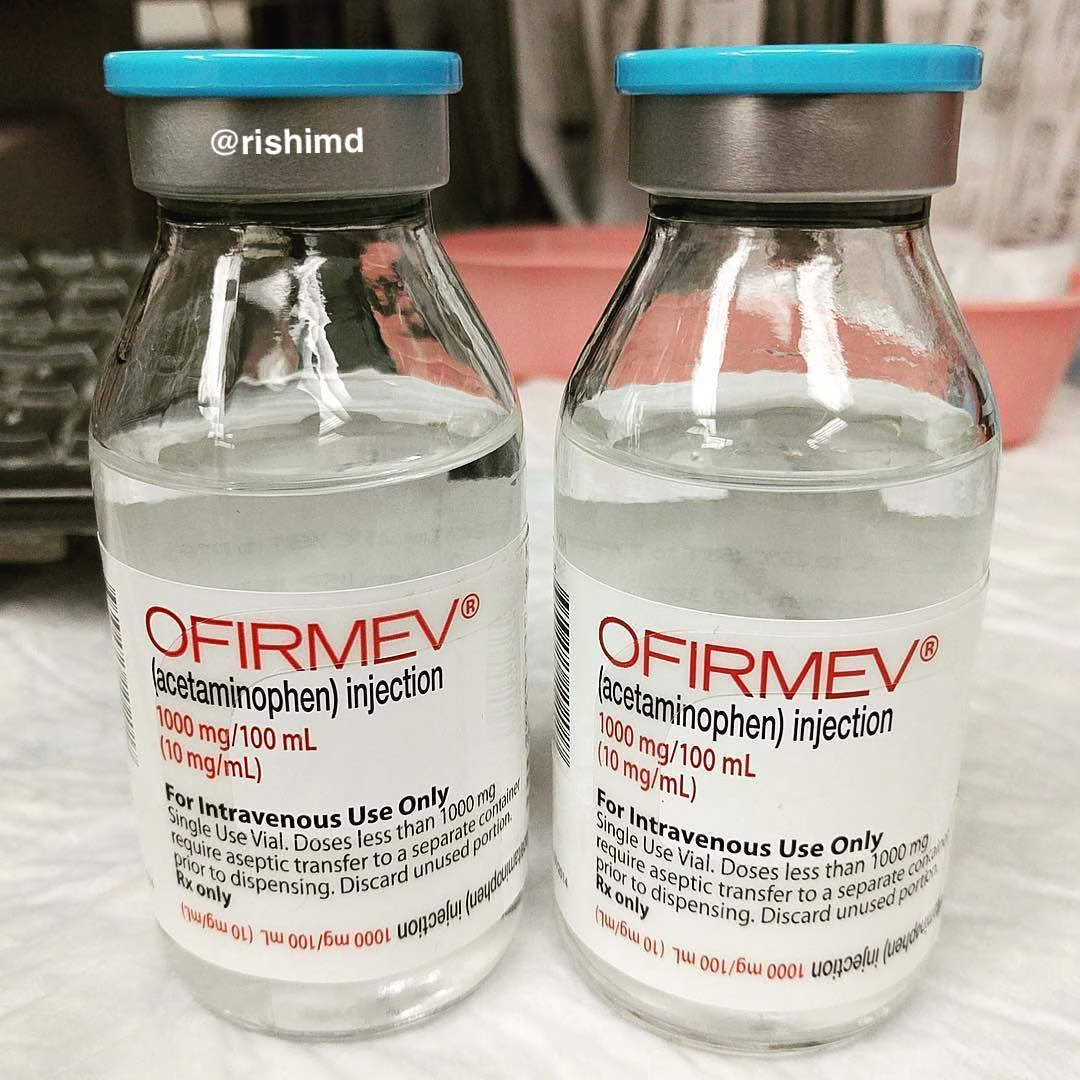
    Intravenous (IV) acetaminophen (Ofirmev) is a prime example of how multimodal analgesia can be augmented in the perioperative and ICU settings; however, just as with all things, cost drives availability. Literature has emerged trying to show the cost-effectiveness of IV acetaminophen compared to its oral counterpart, but some of these…

    Read More

  • Methadone

    Methadone

    Methadone (Dolophine) is a narcotic best known for providing a safe albeit slow recovery from opioid addiction (even in pregnancy) by replacing more traditional opioids like oxycodone, fentanyl, hydromorphone, and even heroin as part of methadone maintenance therapy.

    Read More

  • Lidocaine

    Lidocaine

    Lidocaine (Xylocaine) is an amide local anesthetic I use all the time for procedures ranging from line and chest tube placement to peripheral nerve blocks and awake fiberoptic intubations. It works by moving into nerve cells to block voltage-gated sodium channels which are normally responsible for creating an influx of…

    Read More

  • Sufentanil

    Sufentanil

    Sufentanil (Sufenta) is the most powerful narcotic (~1000x more potent than morphine) approved for use in humans. In fact, it’s so potent and has such a strong affinity for mu-opioid receptors that I routinely use sufentanil for patients on buprenorphine (a PARTIAL opioid agonist) to make sure they have adequate…

    Read More

  • Epinephrine

    Epinephrine (adrenaline) is an incredibly versatile catecholamine. It can be administered through intravenous, subcutaneous, intramuscular, and inhalational routes. It treats a myriad of clinical conditions ranging from anaphylaxis and croup to bronchospasm and afterload enhancement in cardiopulmonary arrest. Epinephrine is routinely added to local anesthetics to provide localized vasoconstriction, but…

    Read More

  • Nicardipine

    Nicardipine

    Nicardipine (Cardene) is a short acting, dihydropyridine calcium channel blocker (CCB) I frequently use in the perioperative and ICU settings for tight blood pressure control through afterload reduction primarily at the arteriolar level. Although it comes as an oral agent, I almost exclusively use it as a continuous intravenous (IV)…

    Read More