Hydromorphone
My opioid of choice in the perioperative and ICU settings is hydromorphone (Dilaudid). This medication is roughly 5-10 times more potent than morphine and comes in intravenous (IV) and oral formulations.


My opioid of choice in the perioperative and ICU settings is hydromorphone (Dilaudid). This medication is roughly 5-10 times more potent than morphine and comes in intravenous (IV) and oral formulations.

Remifentanil (Ultiva) is a potent (~200-300 times more than morphine), short acting, titratable narcotic infusion I use for moderate/deep sedation and maintaining general anesthetics. Unlike many drugs which rely on hepatic and/or renal metabolism, remifentanil’s metabolism is through nonspecific plasma esterases. This explains why the drug does not “build up”…
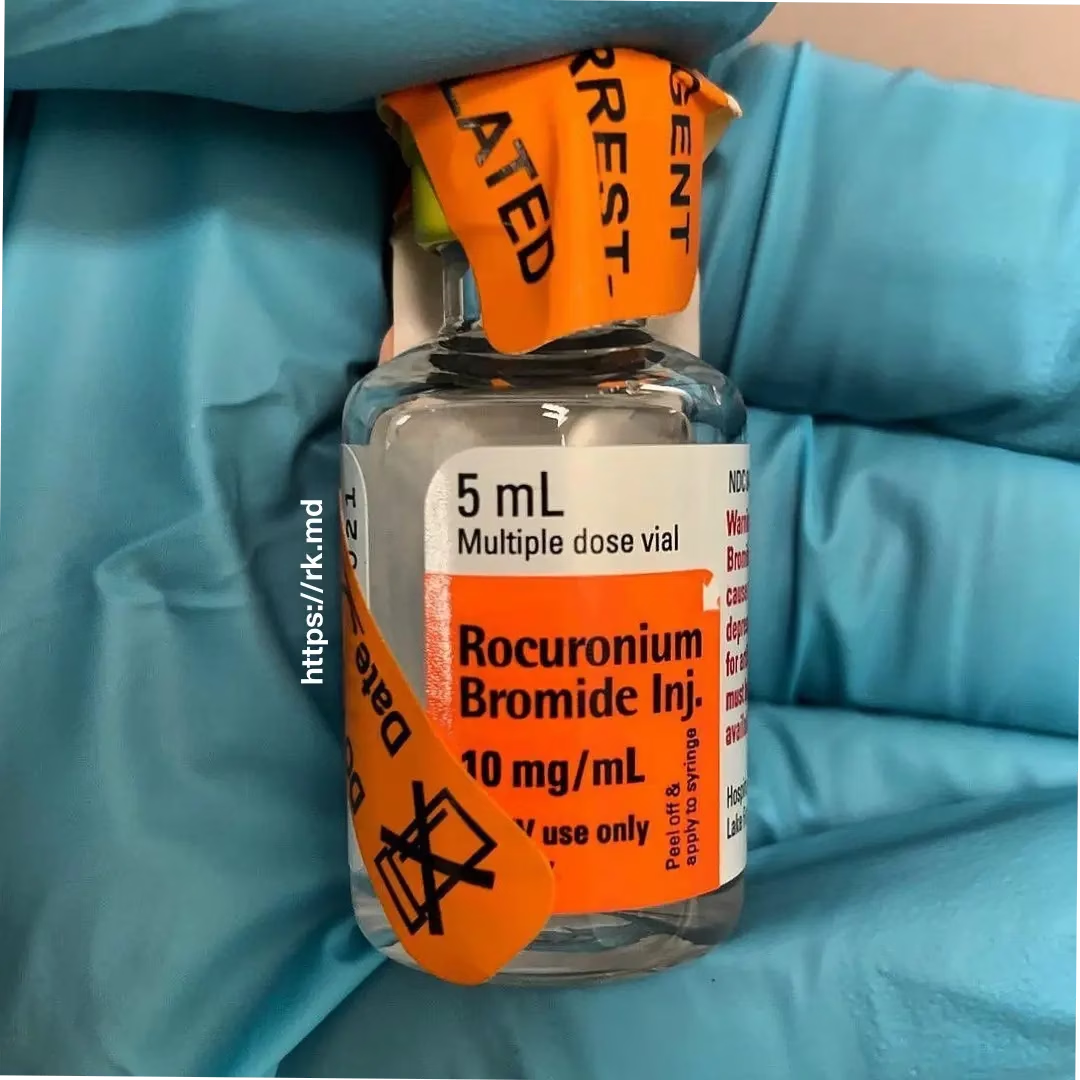
Rocuronium is an aminosteroid nondepolarizing neuromuscular junction blocker (NMJB) I routinely use to facilitate tracheal intubation. The name rocuronium comes from the fact that it’s a rapid onset -curonium (referring to its steroid structure). With a “rapid sequence” dose (usually 1.2 mg/kg), it has an onset almost as fast as succinylcholine without…

With the growing usage of β-blocker therapy to control everything from atrial fibrillation and congestive heart failure to migraine prophylaxis and essential tremor, we need to be more aware of potential pitfalls due to drug interactions. A classic example is the need for epinephrine in a patient on a non-selective…

For the last several months, multiple manufacturing delays have led to a nationwide shortage of injectable, intravenous (IV) opioid medications like morphine, hydromorphone, and fentanyl. These medications are routinely utilized in the perioperative and intensive care settings for analgesia and sedation, so the shortage has forced us to incorporate other…
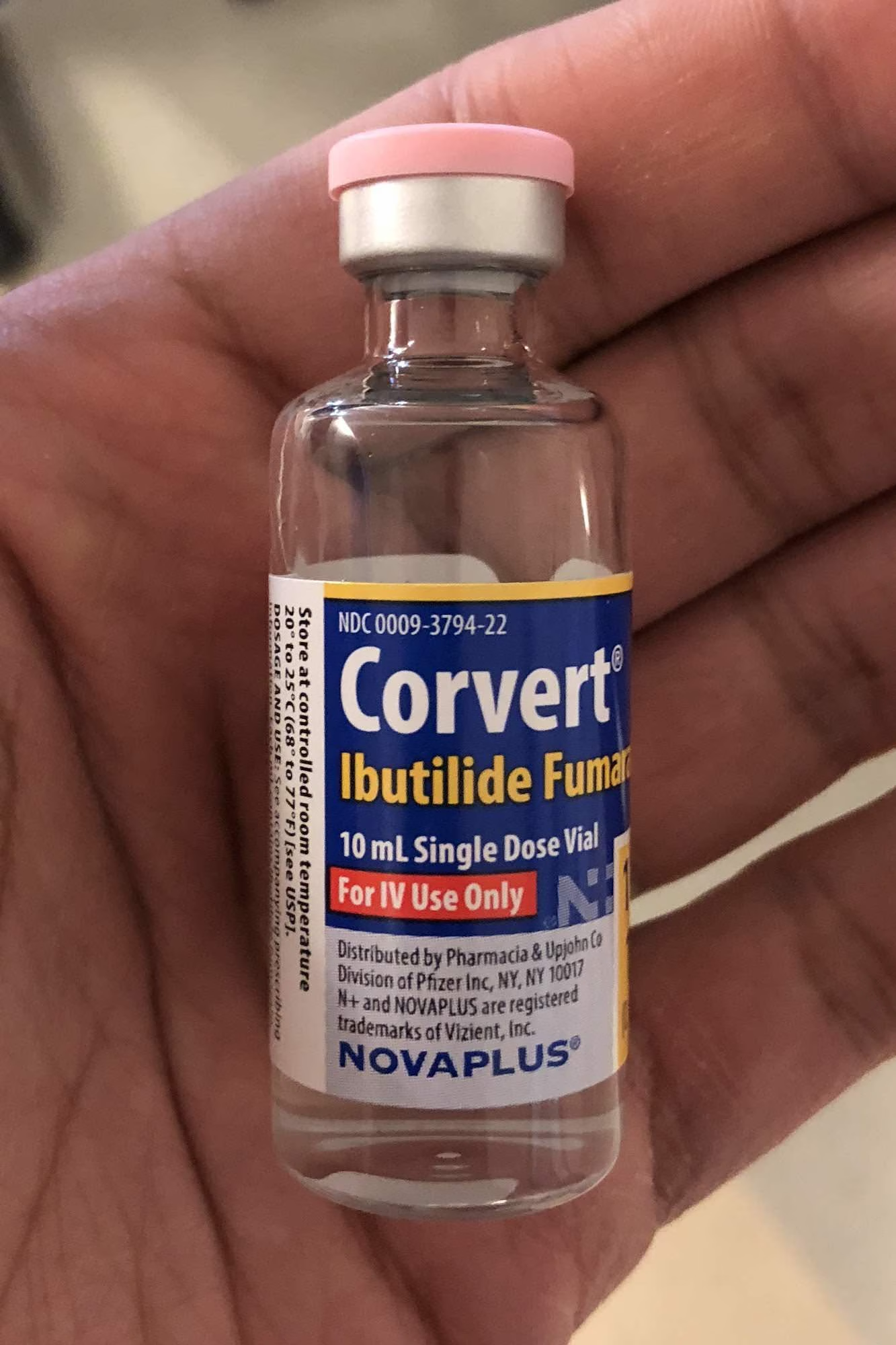
Ibutilide is easily one of my favorite drugs in critical care and perioperative medicine. It’s a short-acting “pure” class III antiarrhythmic (potassium channel blocker). Amiodarone is traditionally classified as a class III, but it possesses properties of other antiarrhythmic classes as well as a much longer half-life. Ibutilide can cause fatal…

Neuromuscular blocking agents (NMBAs or “paralytics”) are categorized as depolarizing (classically succinylcholine) and nondepolarizing. They’re important drugs to know because we routinely use them in the operating room, intensive care unit, and during elective endotracheal intubations. They have potential life threatening complications like malignant hyperthermia and anaphylaxis as well as…
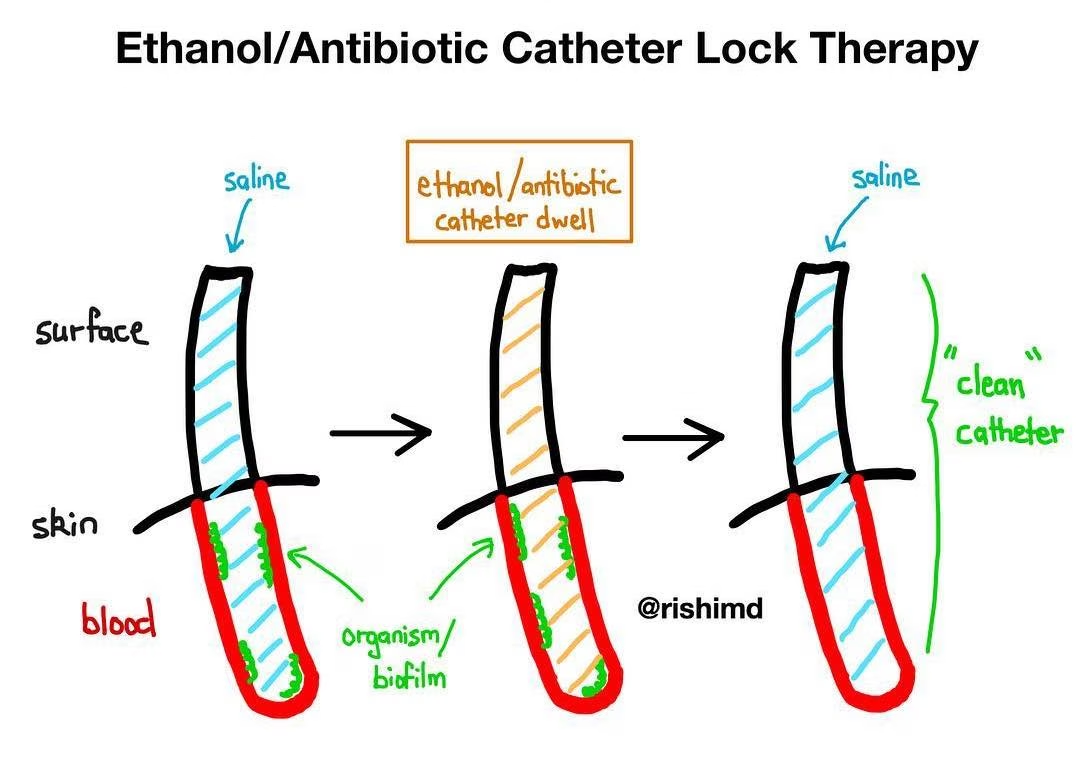
Patients with bacteremia/fungemia can pose a real challenge, especially when discussing if, how, and when to exchange out existing access catheters. In other words, if I have a patient in my ICU with new gram negative rods in their blood, but they also have a port for chemotherapy and a…

Malignant hyperthermia (MH) is a rare, autosomal dominant condition involving mutations in the ryanodine receptor type 1 (RYR-1) causing an aberrant calcium-induced calcium release (CICR) mechanism. With normal skeletal muscle contraction, an impulse is sent down the T-tubules releasing calcium from the sarcoplasmic reticulum via the RYR-1 ion channel; however in…
