• Amiodarone

    Amiodarone

    Amiodarone (Pacerone) is an antiarrhythmic that works by prolonging the myocardium’s refractory period through potassium channel, sodium channel, calcium channel, and beta-blockade. Its side effects can be remembered by their effects on “PFTs, TFTs, and LFTs” (pulmonary, thyroid, and liver testing, respectively) in addition to corneal, neurological, and skin changes.

    Read More

  • Labetalol

    Labetalol

    Labetalol (Trandate) is one of my favorite anti-hypertensive medications in the perioperative and ICU settings! It’s a “mixed” beta blocker courtesy of dual alpha and beta adrenergic antagonism conferred by different stereoisomers of the drug in the traditional racemic formulation. The beta blockade to alpha blockade ratio is often cited…

    Read More

  • Etomidate

    Etomidate

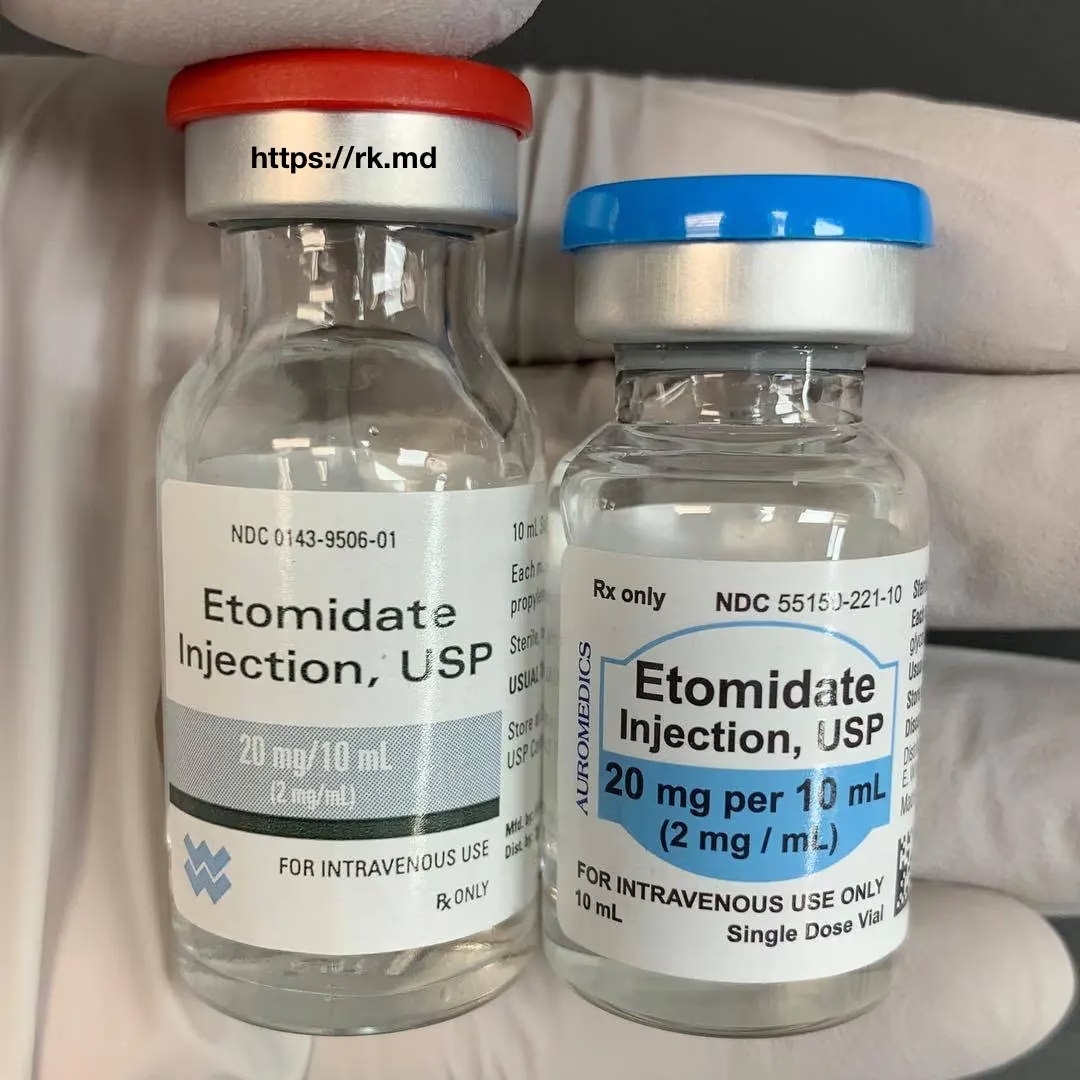
    Etomidate (Amidate) is an intravenous hypnotic agent most commonly used as an induction agent for general anesthesia. Similar to propofol, it works by potentiating GABA, one of the primary inhibitory neurotransmitters in the central nervous system, to hyperpolarize post-synaptic neurons. From a molecular standpoint, etomidate has more in common with…

    Read More

  • Lactated Ringer’s

    Lactated Ringer’s

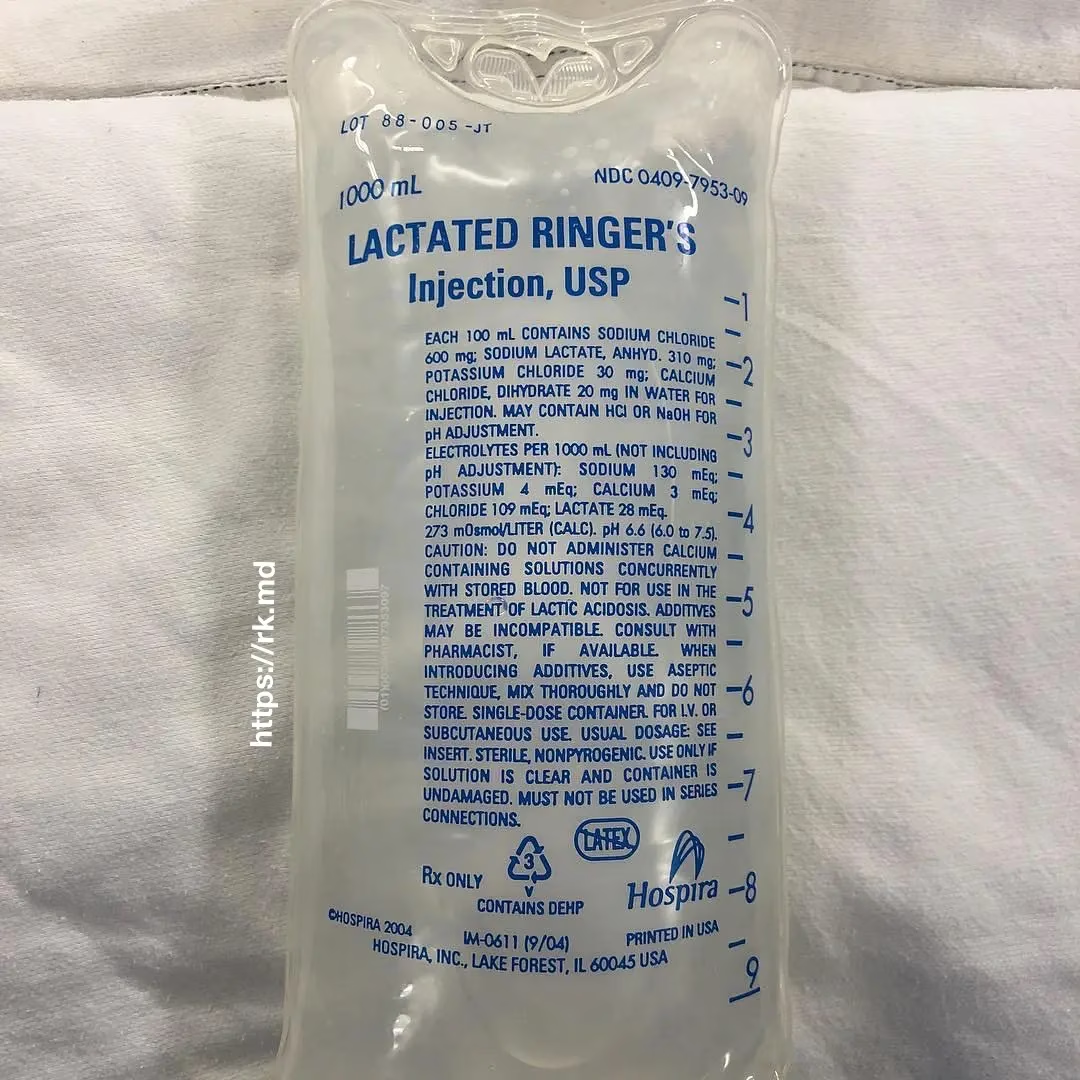
    Lactated Ringer’s (LR) is a balanced crystalloid solution created by Dr. Sydney Ringer in the 1880s using ex-vivo frog hearts. It contains sodium, chloride, lactate, potassium, and calcium, yielding an osmolarity of 273 mOsm/L (human plasma is ~ 290 mOsm/L). In the OR and ICU, I preferentially use balanced crystalloids…

    Read More

  • Esmolol

    Esmolol

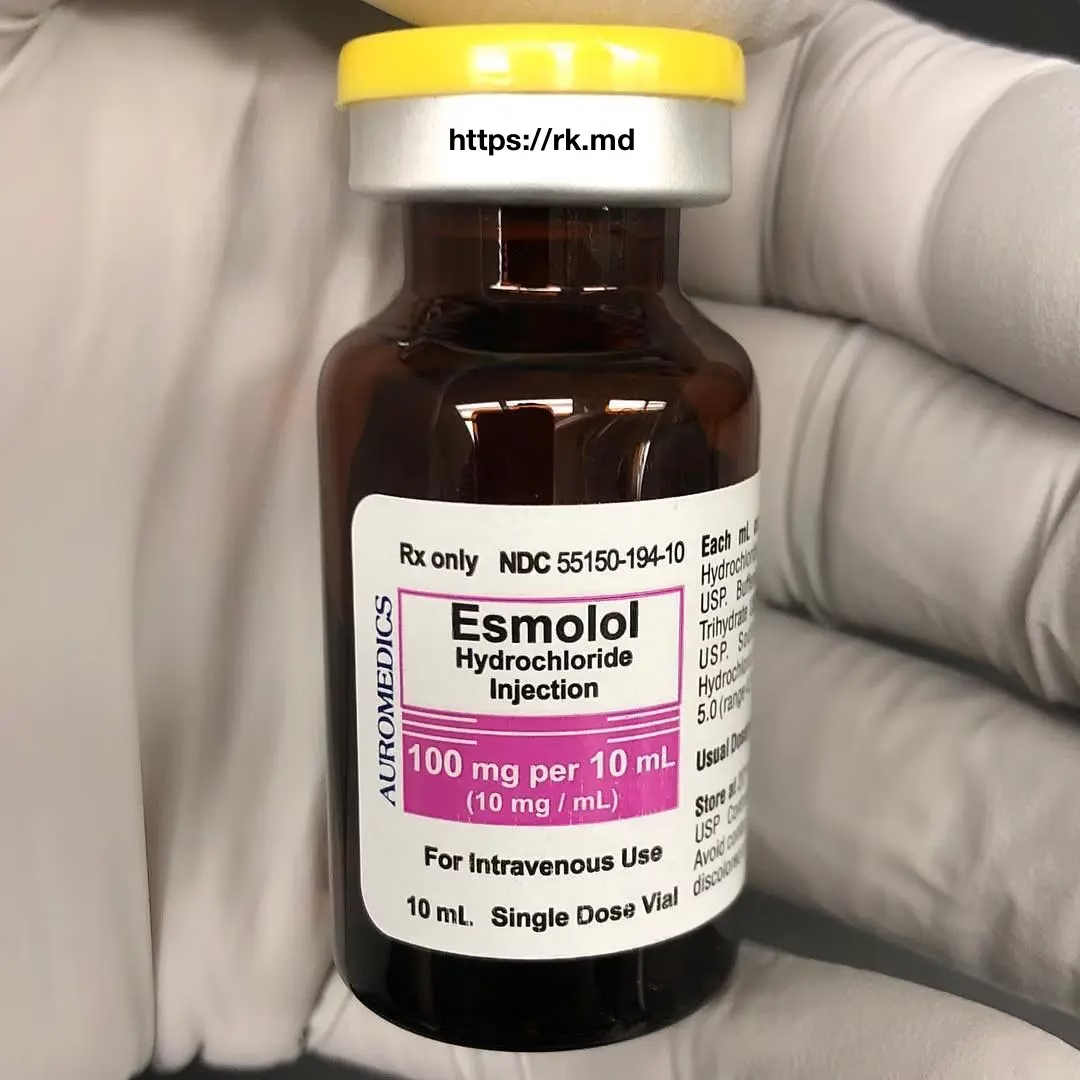
    Esmolol (Brevibloc) is a short acting, beta-1 selective blocker metabolized by non-specific red blood cell (RBC) plasma esterases via hydrolysis. Therefore, esmolol’s elimination half-life is short (< 10 minutes) and fairly independent of coexisting organ dysfunction.

    Read More

  • Ketamine

    Ketamine

    Ketamine (Ketalar) is my FAVORITE medication in perioperative and critical care medicine! It’s a unique dissociative amnestic, an almost complete anesthetic in itself, has tremendous versatility in terms of routes of administration (IV, IM, oral, subcutaneous, intranasal, sublingual, rectal, epidural, transdermal), and unique properties as an analgesic and antidepressant!

    Read More

  • Glucagon

    Glucagon

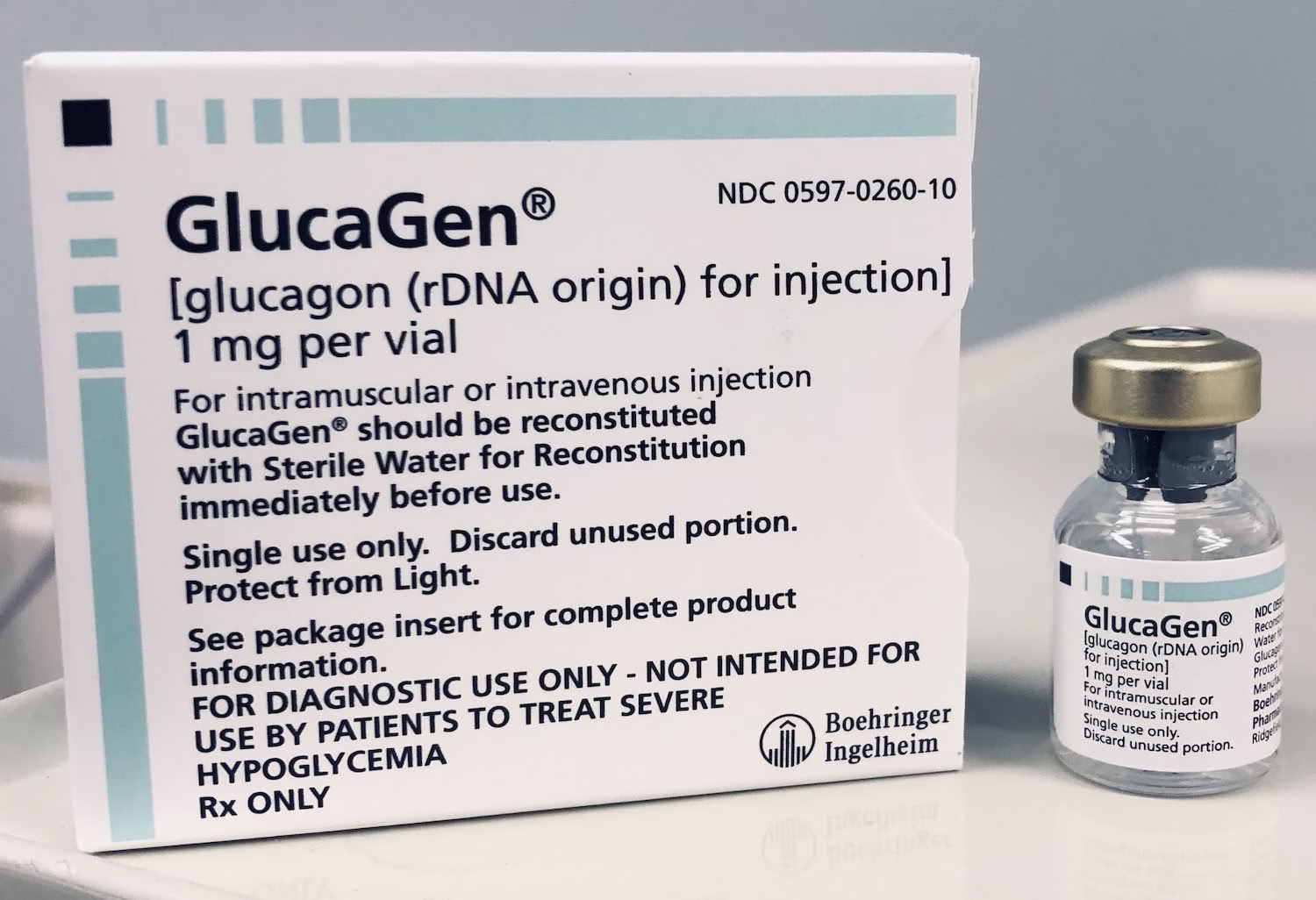
    Glucagon (GlucaGen) is a secretin-type peptide hormone made in the pancreas responsible for catabolism primarily to produce glucose via glycogenolysis and gluconeogenesis; in this sense, it’s an “anti-insulin” used in the treatment of profound hypoglycemia.

    Read More

  • Normal Saline

    Normal Saline

    Normal saline (NS) is one of the most widely used therapies in medicine. One liter of solution contains 154 mEq of sodium and 154 mEq of chloride with a pH ~ 5.5. The fact that the solution is acidic is actually UNRELATED to how it CAUSES non-anion gap acidosis in…

    Read More

  • Phenylephrine

    Phenylephrine

    Phenylephrine is a selective α1 receptor agonist used in various settings for its vasoconstrictive properties. Whether this is as a decongestant (constricting vessels in the nasal/sinus mucosa) or a mydriatic to perform a fundoscopic exam, this medication’s selectivity gives me an idea of the expected response and potential side effects.

    Read More

  • Kcentra

    Kcentra

    Kcentra (human prothrombin complex concentrate) is a medication derived from human plasma that contains unactivated factors II, VII, IX, X, protein C, protein S, antithrombin III, and heparin. In 2013, it gained FDA approval for the urgent reversal of acquired factor deficiency from vitamin K antagonism (ie, Coumadin) in the…

    Read More