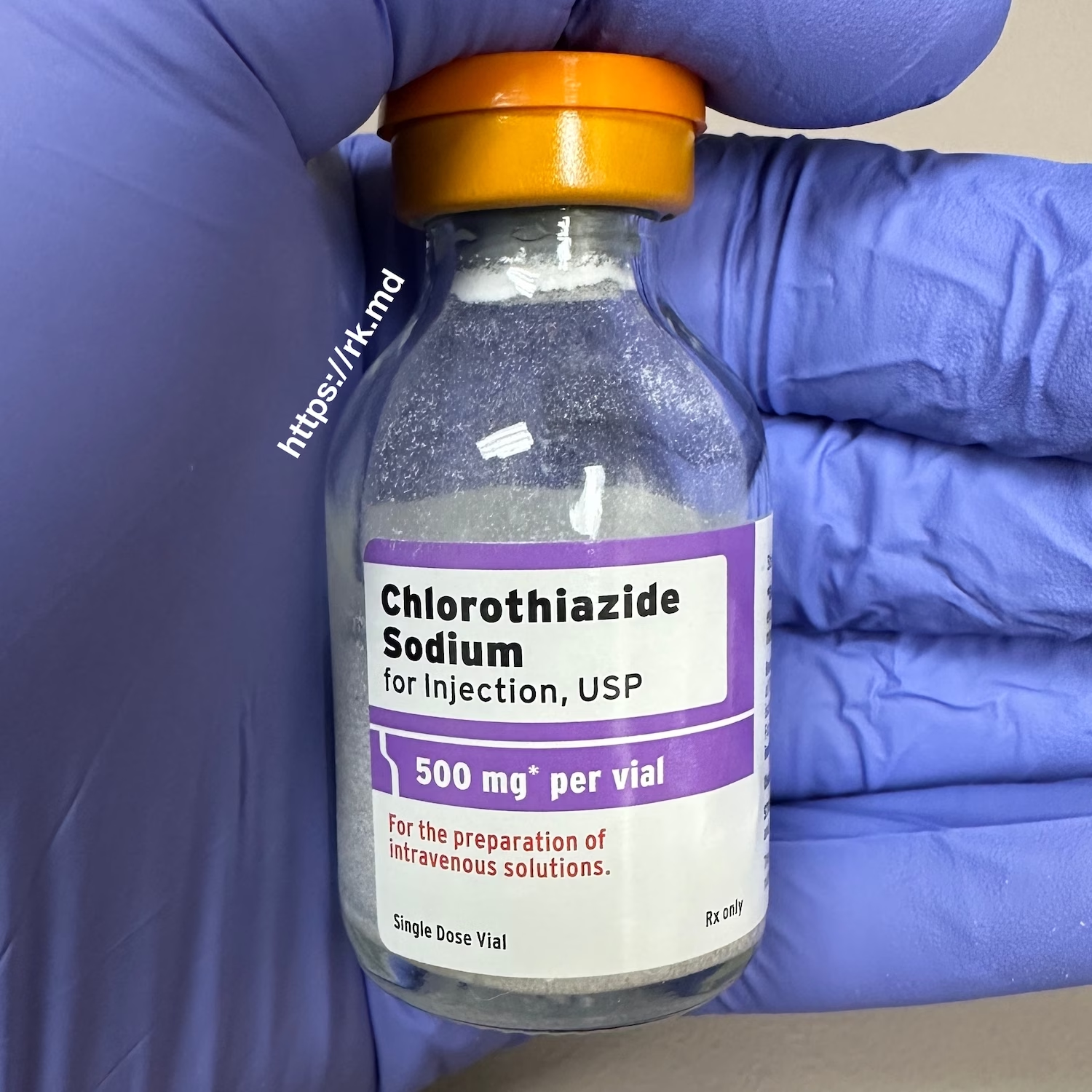
• Chlorothiazide

    Chlorothiazide

    Chlorothiazide (Diuril) is a thiazide diuretic that inhibits the sodium-chloride cotransporter in the nephron’s distal convoluted. As such, it increases the excretion of water, sodium, and chloride; however, not to the degree of loop diuretics like furosemide which work on the sodium-potassium-chloride transporter in the thick, ascending Loop of Henle.…

    Read More

  • Methylnaltrexone

    Methylnaltrexone

    Methylnaltrexone (Relistor) is a subcutaneous, peripheral μ-opioid receptor antagonist used primarily to offset the detrimental effects of opioids on the gastrointestinal (GI) tract, including constipation and decreased GI motility. Due to its charged, quaternary structure, methylnaltrexone does not cross the blood-brain barrier and does not negate the analgesic benefits of…

    Read More

  • Heliox

    Heliox

    Heliox is a gas mixture consisting of, in this example, 21% oxygen and 79% helium (although other ratios exist). Remember that atmospheric air contains ~21% oxygen and ~78% nitrogen. Although helium and air share a similar viscosity, substituting helium for nitrogen reduces the gas mixture’s overall density. Our large, conducting…

    Read More

  • Hemabate

    Hemabate

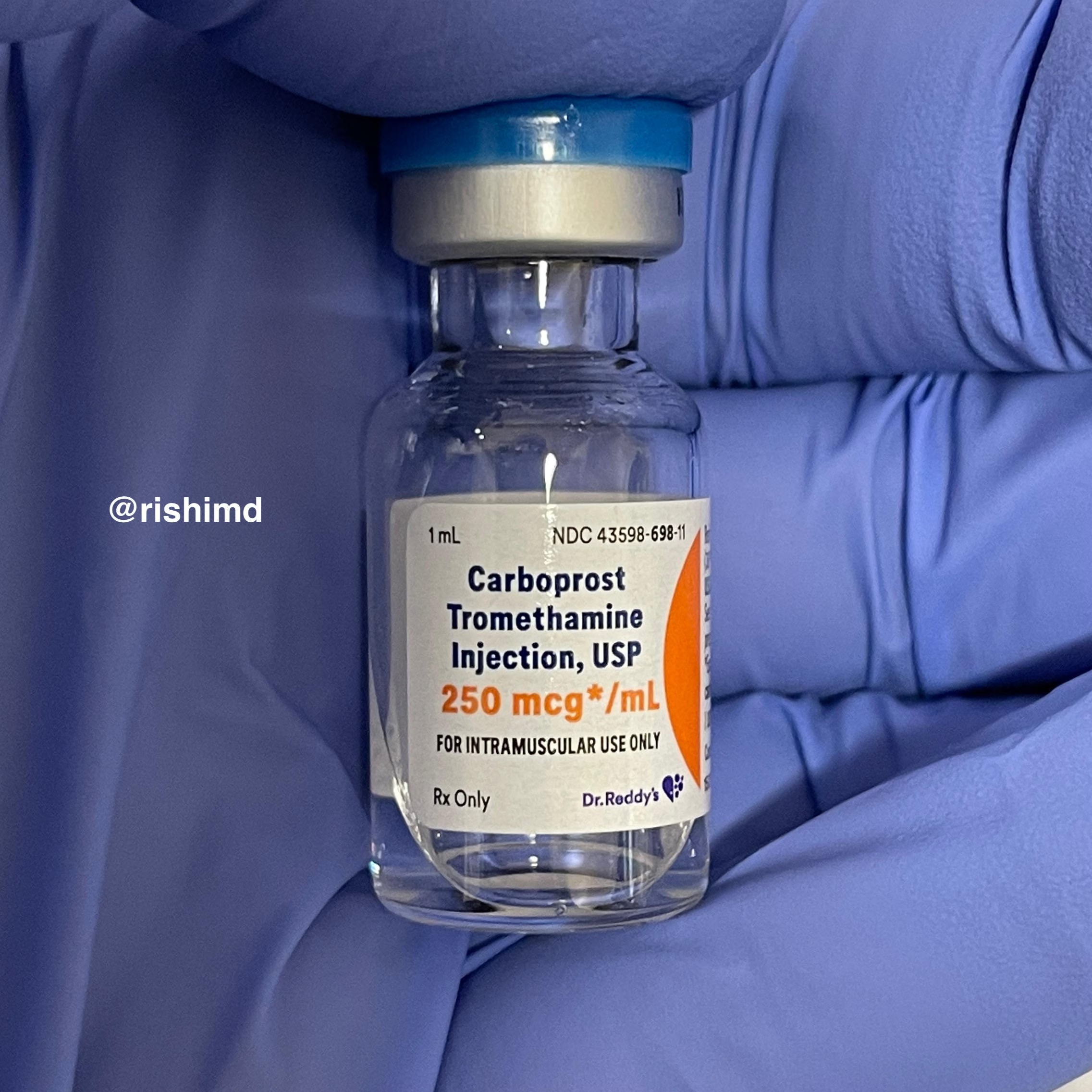
    Carboprost Tromethamine (Hemabate) is a synthetic 15-methyl-prostagladin F2 alpha (PGF2α) analog used primarily for postpartum hemorrhage related to uterine atony refractory to oxytocin administration. In my current practice, parturients with significant cardiovascular comorbidities (e.g., severe pulmonary hypertension, critical valvulopathies, cardiomyopathy, etc.) will have a primary obstetric anesthesiologist and a consulting…

    Read More

  • Isavuconazonium (Cresemba)

    Isavuconazonium (Cresemba)

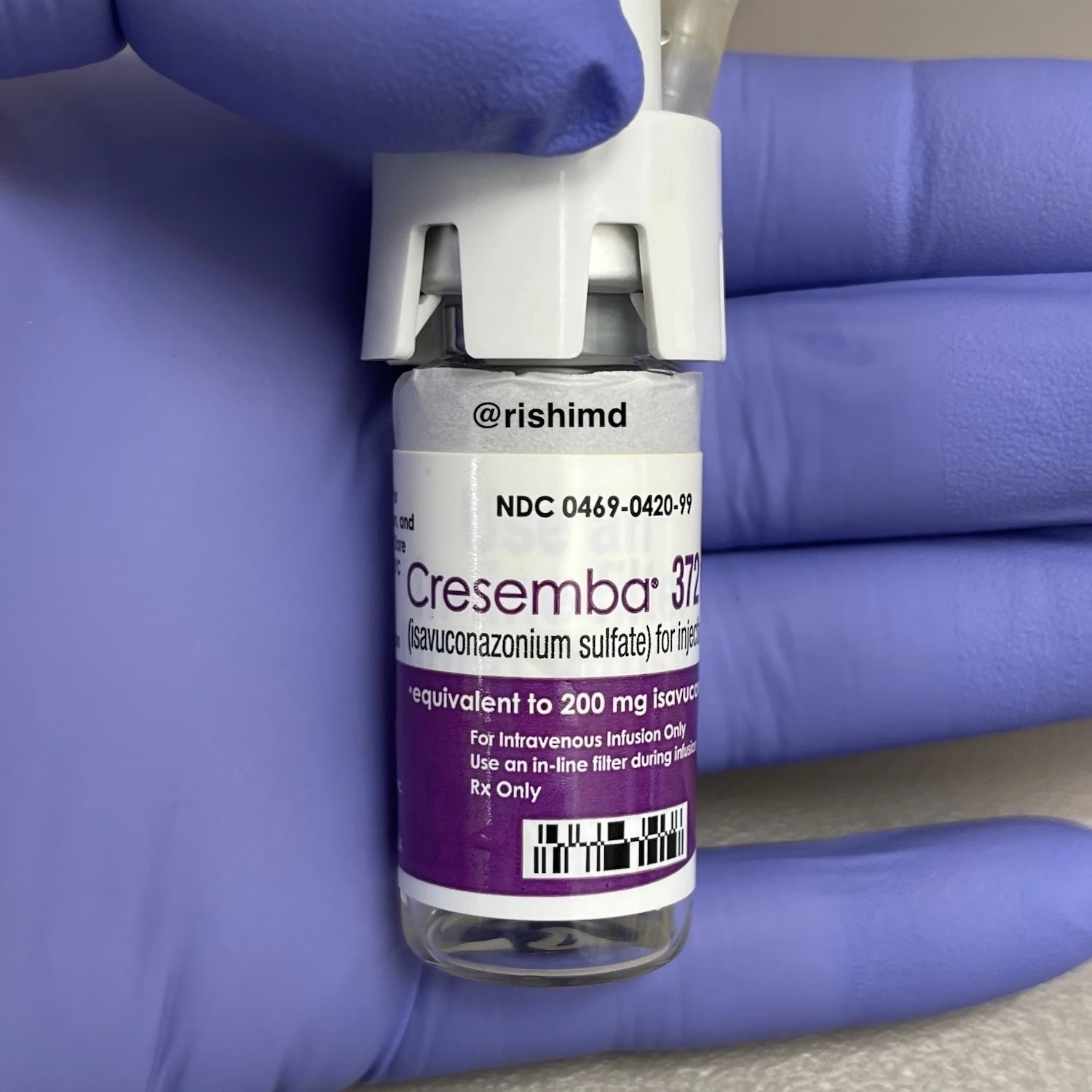
    Isavuconazonium (Cresemba) is an oral and intravenous antifungal agent used to treat invasive aspergillosis and mucormycosis in adult patients by disrupting fungal cell membrane formation. After it is converted to isavuconazole in the plasma, it inhibits lanosterol 14-α-demethylase which prevents lanosterol from getting converted to ergosterol. Isavuconazonium is also used…

    Read More

  • Clindamycin

    Clindamycin

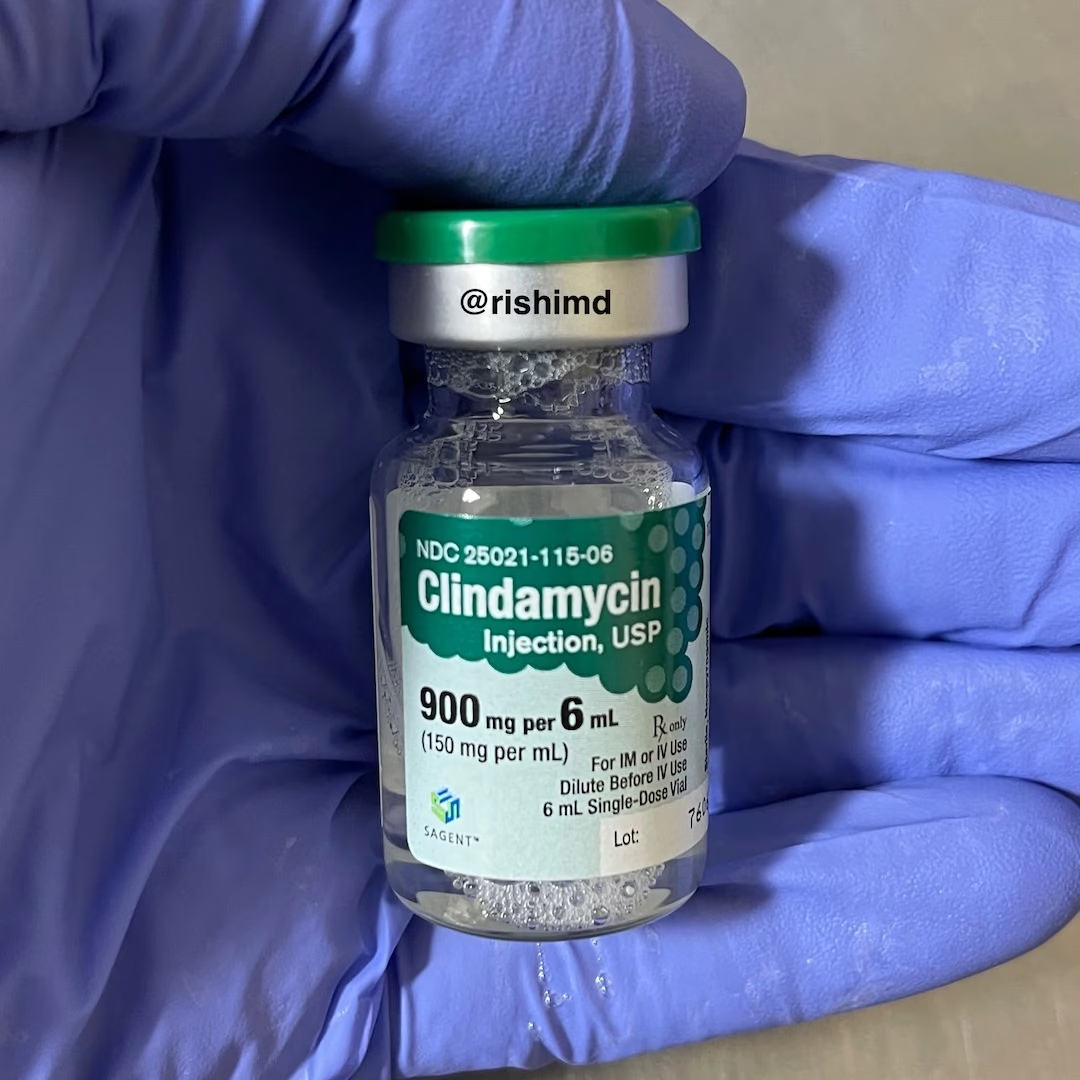
    Clindamycin is an oral and intravenous antibiotic that works by inhibiting the 50S ribosomal subunit required for bacterial protein synthesis. It has excellent activity against gram-positive cocci (e.g., Streptococcus and Staphylococcus, limited coverage of MRSA, not Enterococcus) and anaerobic organisms and is therefore used for infections involving the skin and…

    Read More

  • Lorazepam

    Lorazepam

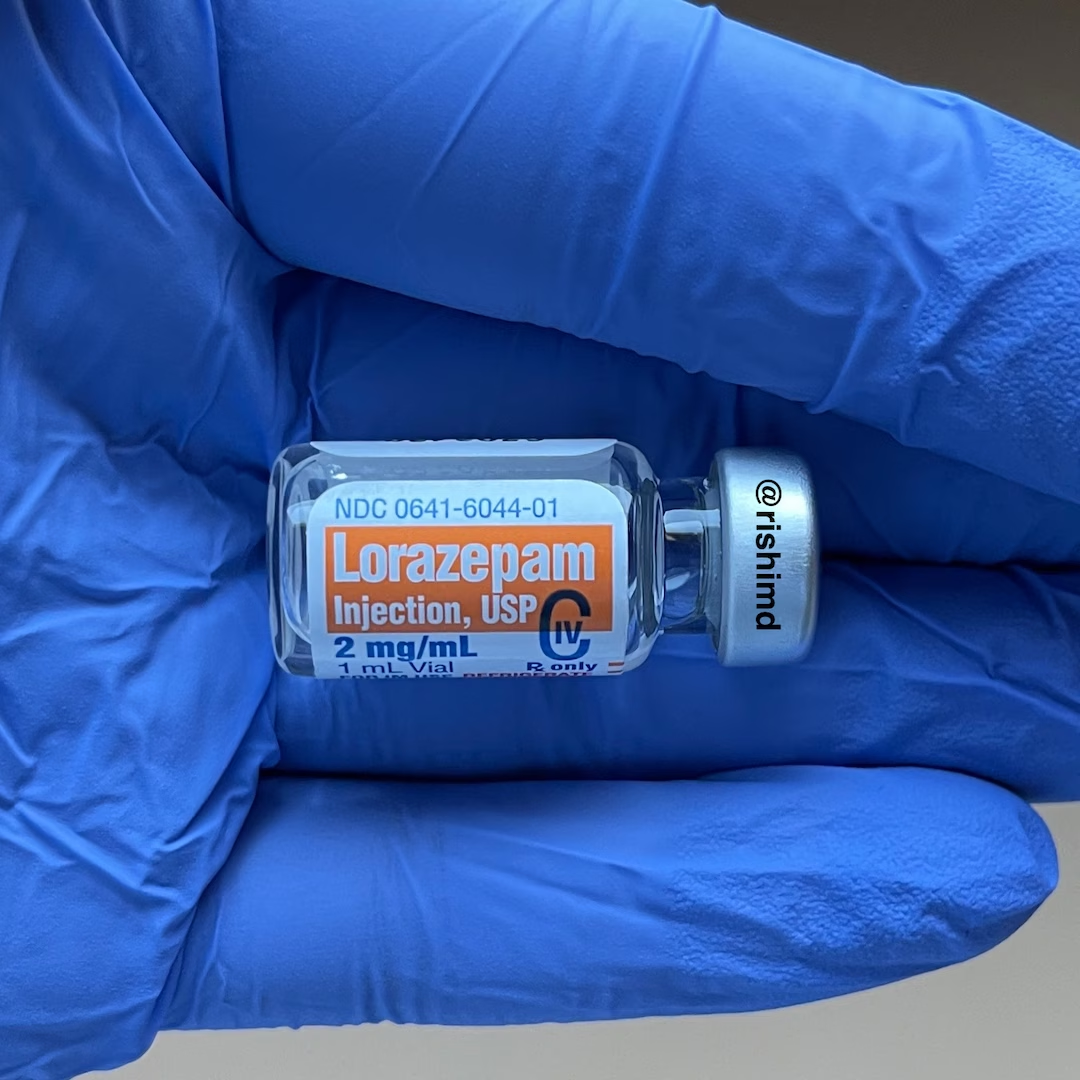
    Lorazepam (Ativan) is an IV, IM, and oral benzodiazepine medication which potentiates the GABA(A) receptor resulting in anxiolysis, sedation, amnesia, and muscle relaxation. Since lorazepam has limited lipid solubility but is highly protein-bound, it tends to remain in the intravascular space resulting in sustained peak effects. Its metabolites are also…

    Read More

  • Visipaque

    Visipaque

    Iodixanol (Visipaque) is an iodinated intravenous (IV) contrast agent which is iso-osmolar with plasma. Unlike the non-ionic monomer iohexol (Omnipaque), Visipaque is a non-ionic dimer; however, both agents are routinely utilized for angiography, venography, contrast-enhanced CT scans, and other diagnostic/interventional procedures. Tissue extravasation can result in localized necrosis, and certain…

    Read More

  • Cefoxitin

    Cefoxitin

    Cefoxitin (Mefoxin) is an intravenous cephamycin antibiotic (sometimes classified as a second-generation cephalosporin subgroup) that binds penicillin-binding proteins thereby disrupting the formation of bacterial cell walls. Compared to first-generation cephalosporins like cefazolin, cefoxitin is less active against Staph species. As a tradeoff, it has activity against some gram-negative rods, and…

    Read More

  • Protamine

    Protamine

    Protamine is an intravenous protein used to reverse the blood thinner heparin. This medication was initially derived from salmon sperm but is now synthesized with recombinant DNA technology. Heparin (negatively charged) forms an ionic bond with protamine (positively charged) creating inactive complexes metabolized by the reticuloendothelial system. Protamine reactions are…

    Read More