• Procainamide

    Procainamide

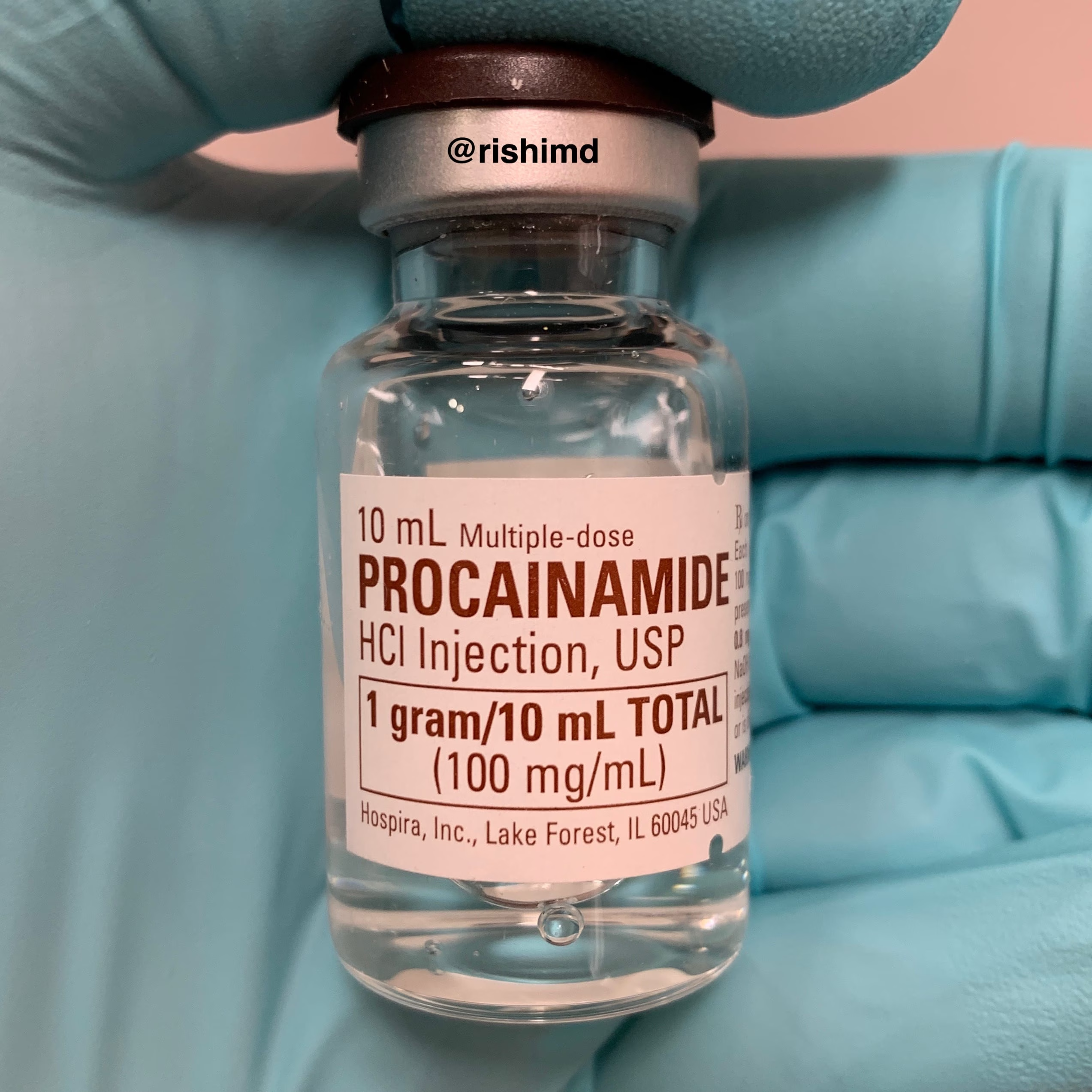
    Procainamide is a type IA antiarrhythmic which prolongs repolarization via sodium channel blockade. This is achieved by slowing conduction through the ventricular His-Purkinje system thereby widening the QRS complex (and ultimately the QT interval).
    Read More

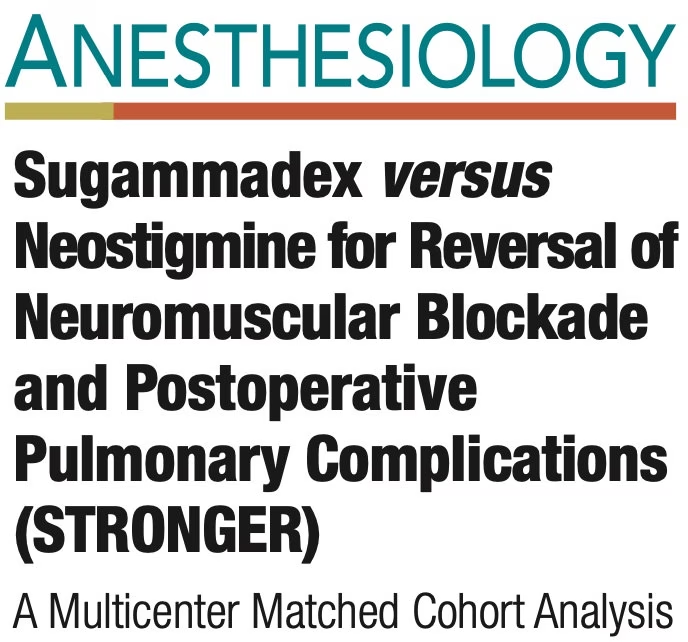
  • Reversal With Sugammadex Versus Neostigmine – Postoperative Pulmonary Complications (STRONGER)
  • Fluconazole

    Fluconazole

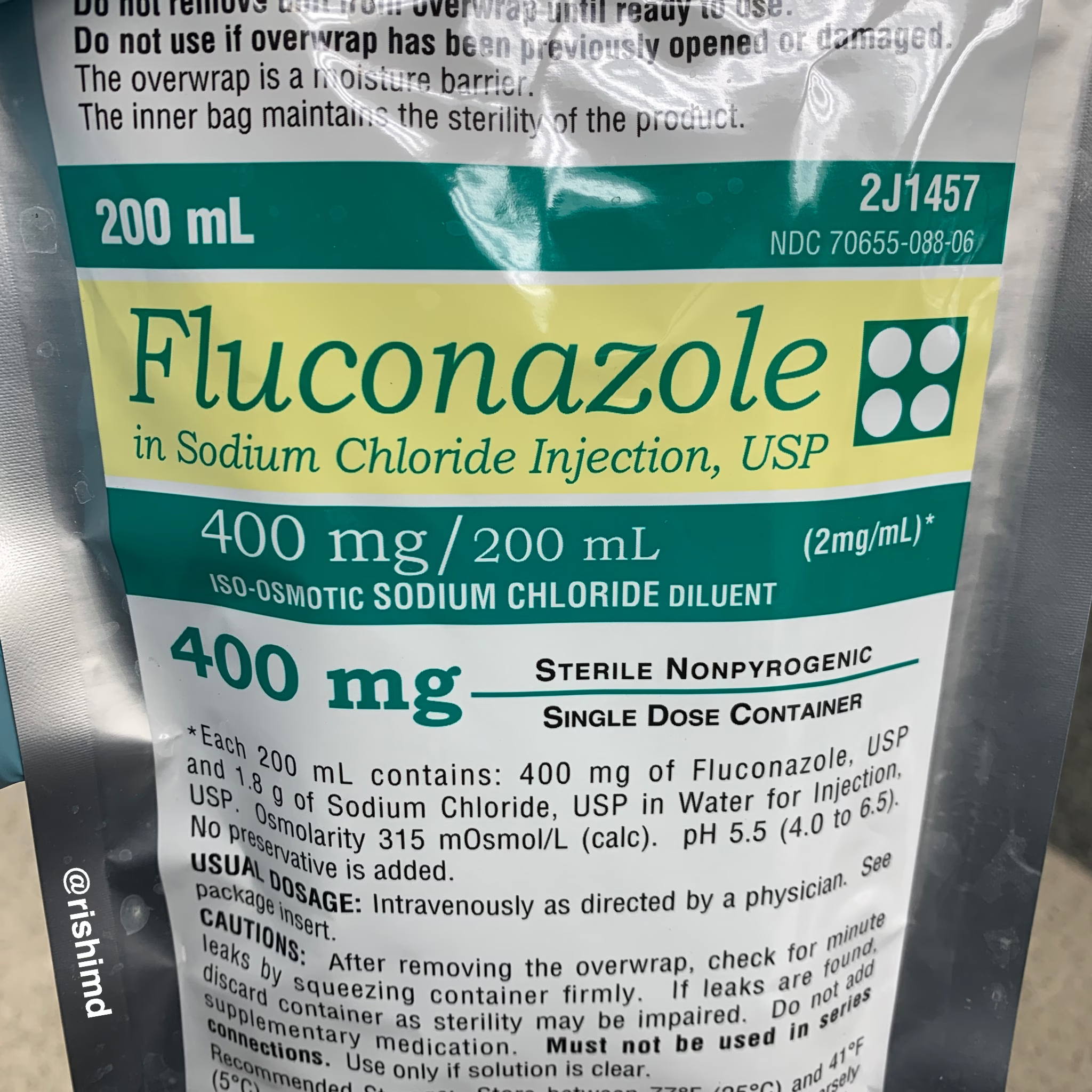
    Fluconazole (Diflucan) is an intravenous and oral antifungal medication that inhibits ergosterol synthesis (an important component of fungal cell membranes). As an intensivist, I most often use this medication to cover Candida albicans infections (especially symptomatic cystitis given fluconazole’s excellent urine penetration); however, it doesn’t cover C. krusei and has…

    Read More

  • Unasyn

    Unasyn

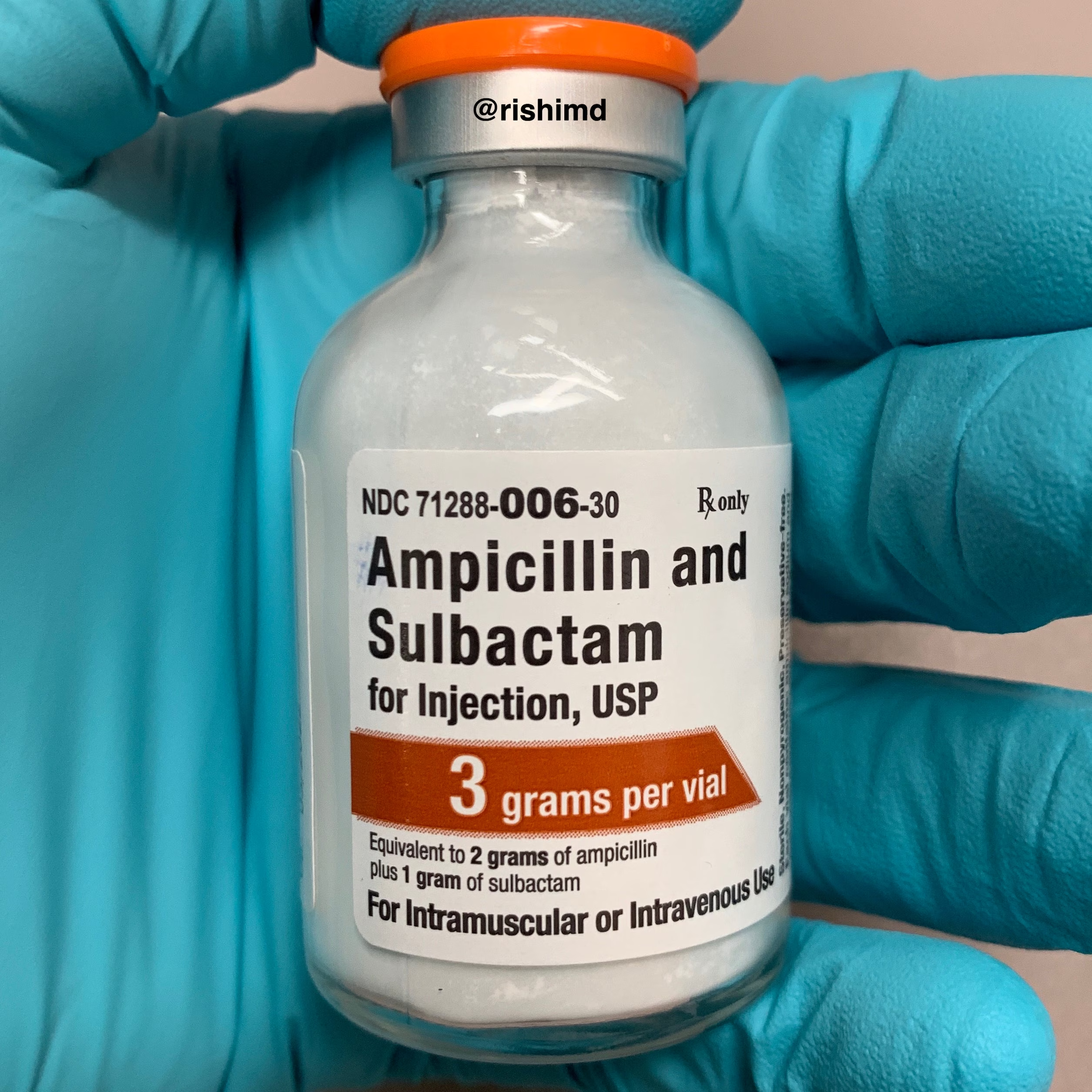
    Unasyn (ampicillin-sulbactam) is an intravenous antibiotic that I most often use for ENT-related infections/prophylaxis but sometimes gynecologic and intraabdominal infections as well (Zosyn being another common alternative).

    Read More

  • RK.MD Perioperative And Critical Care Reference Sheet

    RK.MD Perioperative And Critical Care Reference Sheet

    Here’s a free reference sheet (front and back) with “high-yield” information in critical care and perioperative medicine. I’m well-suited to pursue this educational endeavor, given my training as a physician who works in both settings, and I hope that many of you will benefit from the information. Now some details:

    Read More

  • Dopamine In Shock And Kidney Injury

    Dopamine In Shock And Kidney Injury

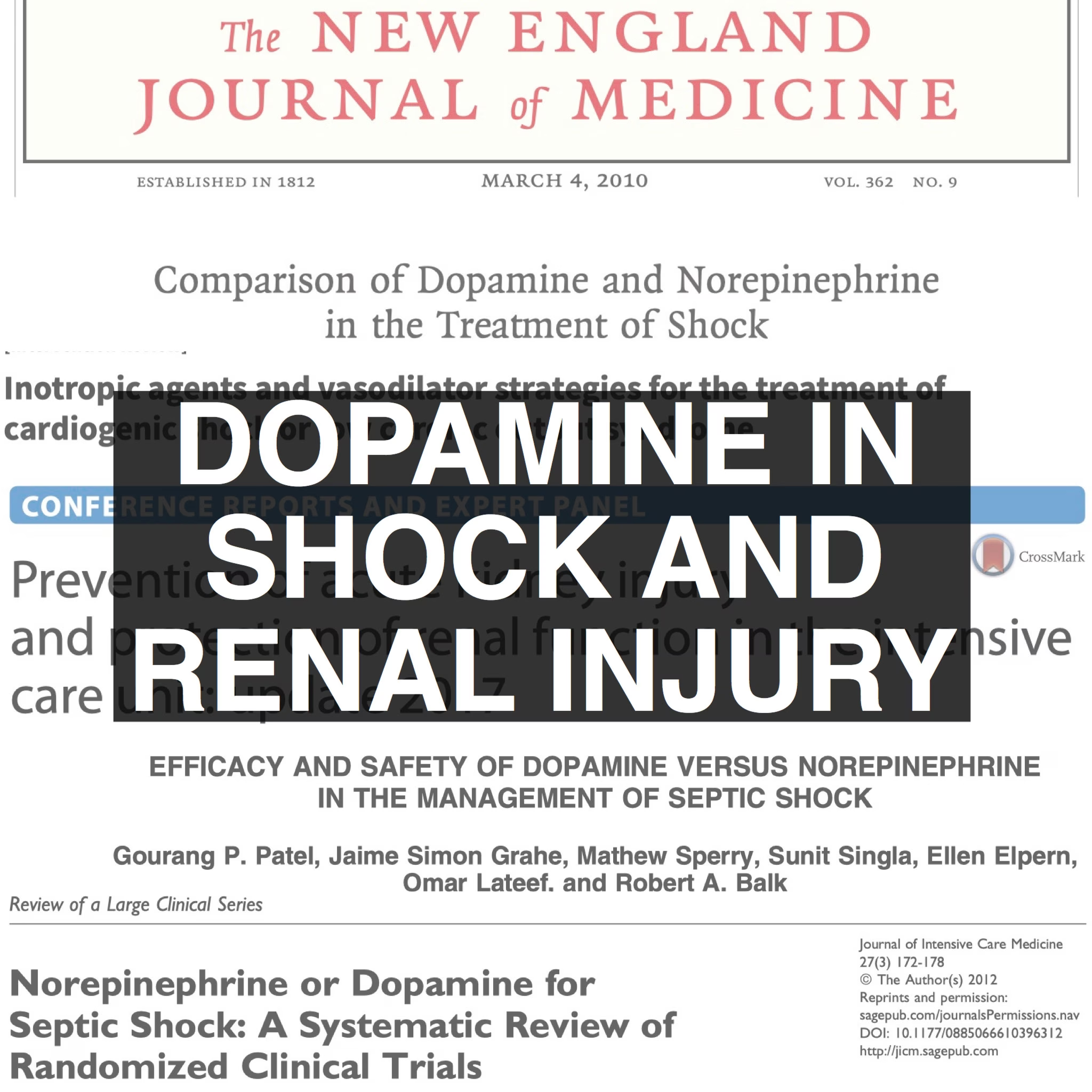
    In pursuit of evidence-based rationales for my hatred of dopamine, I turned to PubMed and queried the database for “dopamine shock” filtered for meta-analyses, randomized controlled trials, and systematic reviews in adult patients since 2009. I then ventured into the PubMed black hole. :razz:

    Read More

  • Pharmacokinetics

    Pharmacokinetics

    Pharmacokinetic models describe the rate of absorption, distribution, metabolism, and elimination of a particular drug. This can vary significantly based on properties of the drug itself, varying levels of metabolism in the context of organ impairment or enzyme polymorphisms, plasma protein binding, and other patient factors (ie, obesity).

    Read More

  • Midodrine

    Midodrine

    Midodrine (ProAmantine) is an oral and intravenous prodrug. Its active metabolite, desglymidodrine, activates α-1 receptors to produce vaso and venoconstriction with resulting increase in blood pressure (BP). This medication has excellent oral bioavailability and is FDA approved for the treatment of symptomatic orthostatic hypotension. Since midodrine increases BP, it makes…

    Read More

  • Desmopressin (DDAVP)

    Desmopressin (DDAVP)

    Desmopressin (DDAVP, antidiuretic hormone) is a synthetic analog of vasopressin that can be administered IV, IM, subQ, and orally. Compared to vasopressin (generally regarded as a potent vasoconstrictor), DDAVP has less efficacy as a pressor, a longer duration, and is a much more potent antidiuretic (hence its use for bedwetting)…

    Read More

  • Nitric Oxide

    Nitric Oxide

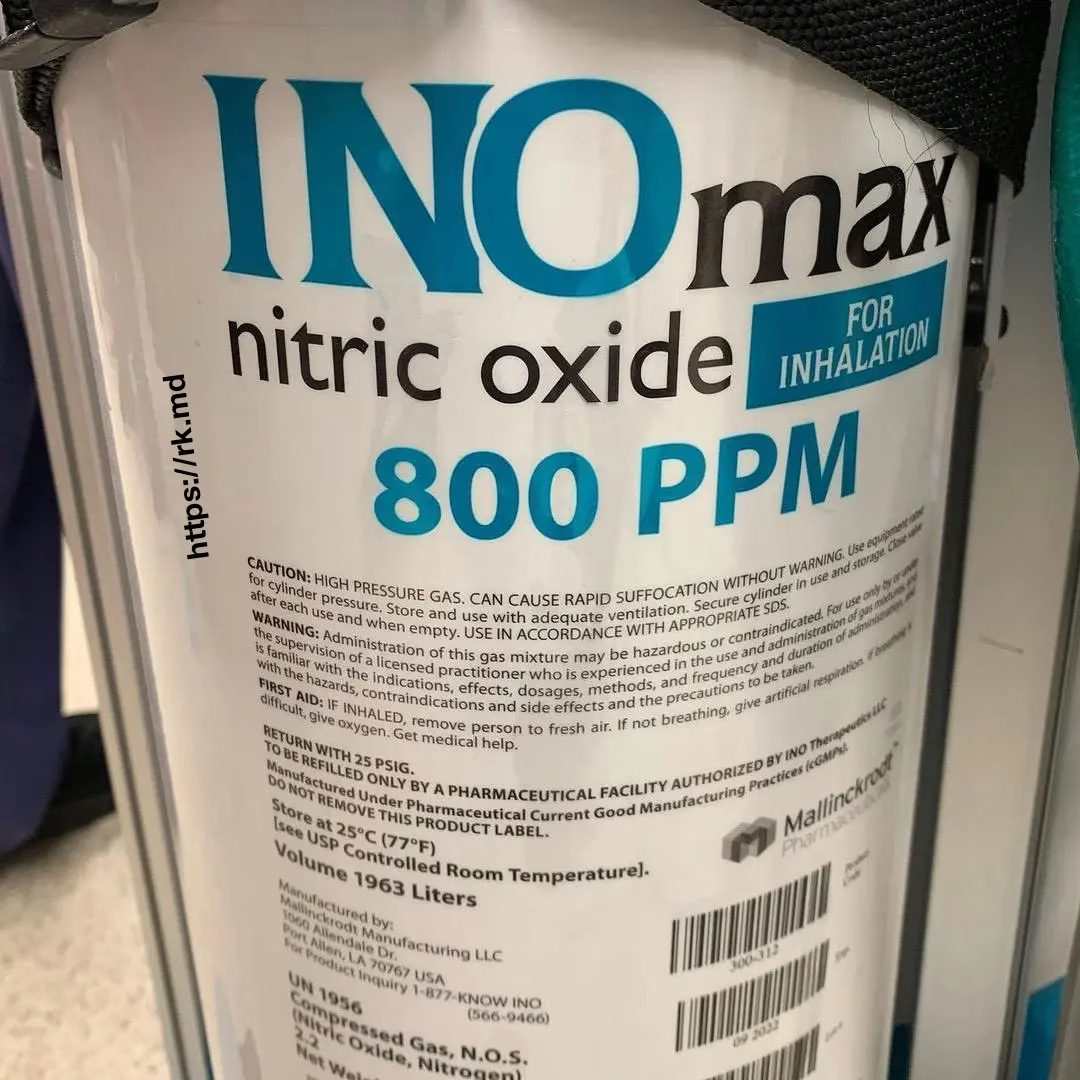
    Nitric oxide is a molecule normally made by vascular endothelial cells to decrease vascular resistance in both the systemic and pulmonary circulations. Inhaled nitric oxide (iNO) is an (expensive) pulmonary dilator I frequently use in the OR and ICU settings for patients with acute right heart failure, refractory hypoxemia, pulmonary…

    Read More