• Lefamulin

    Lefamulin

    Lefamulin (Xenleta) is an intravenous and oral antibiotic approved for community acquired bacteria pneumonia (CABP). Similar to antibiotics like clindamycin and linezolid, lefamulin inhibits bacterial protein synthesis by acting on the 50S ribosomal subunit. What’s wonderful about this new antibiotic is that is has activity against the most common causes…

    Read More

  • Treprostinil

    Treprostinil

    Treprostinil (Remodulin) is an IV, SC, PO, and inhaled prostaglandin I2 analog used to treat pulmonary arterial hypertension (PAH) by causing vasodilation. Like other medications in this class, one must be wary about compounding systemic vasodilatory effects and platelet inhibition with other anti-hypertensives and anticoagulants, respectively. The subcutaneous administration of…

    Read More

  • Do You Titrate Vasopressin?

    Do You Titrate Vasopressin?

    Compared to catecholamine infusions which are routinely titrated, there’s a polarized practice with vasopressin – those who titrate and those who don’t. As a resident, I worked with intensivists who strongly believed in “0.04 U/min or nothing at all.” They believed that similar to electrolyte repletion, vasopressin at this fixed…

    Read More

  • Azithromycin

    Azithromycin

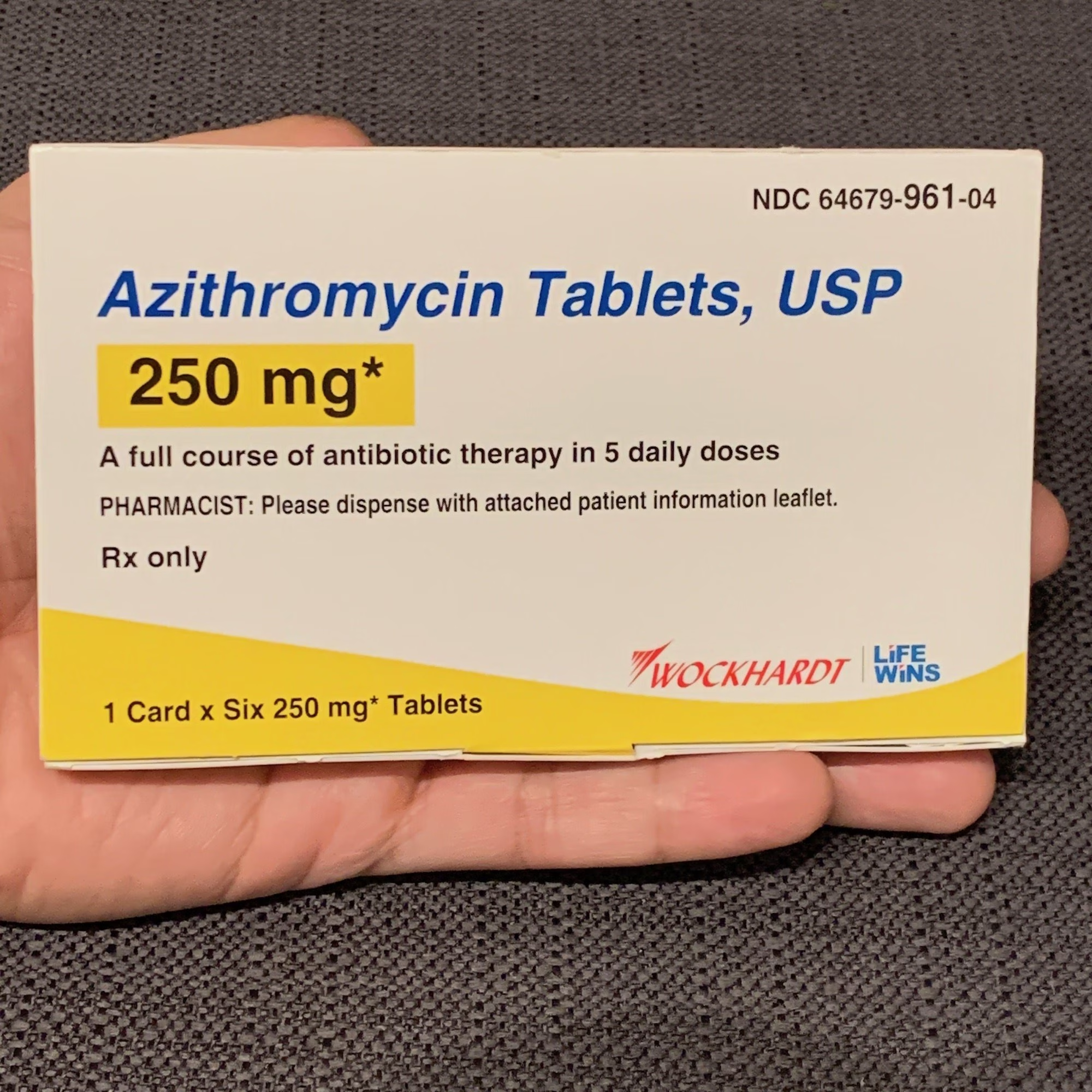
    Azithromycin (Zithromax) is an oral and intravenous macrolide antibiotic I most commonly use to treat atypical and community-acquired pneumonias (CAP) in the intensive care unit. Outside of the ICU, the classic “Z-Pak” consists of a 500 mg load on day 1 followed by 250 mg daily on days 2-5. Similar…

    Read More

  • Scopolamine

    Scopolamine

    Scopolamine is a tertiary amine that crosses the blood-brain barrier to exert its anticholinergic effects in the central nervous system (antiemetic, sedative, amnestic) and the periphery. It is available PO, subcutaneously, intravenously, and transdermally – classically a “patch” used for motion sickness and nausea effectively for up to three days.…

    Read More

  • Thiamine

    Thiamine

    Thiamine (vitamin B1) is a water-soluble vitamin that has important phosphorylated relatives. B1 deficiency is a well known nutritional problem I encounter in patients with chronic alcoholism which can lead to syndromes like Wernicke-Korsakoff syndrome and beriberi. B1 deficiency can also damage the brain’s mammillary bodies, thalamus, hypothalamus, and cerebellar…

    Read More

  • Premedication Before Surgery

    Premedication Before Surgery

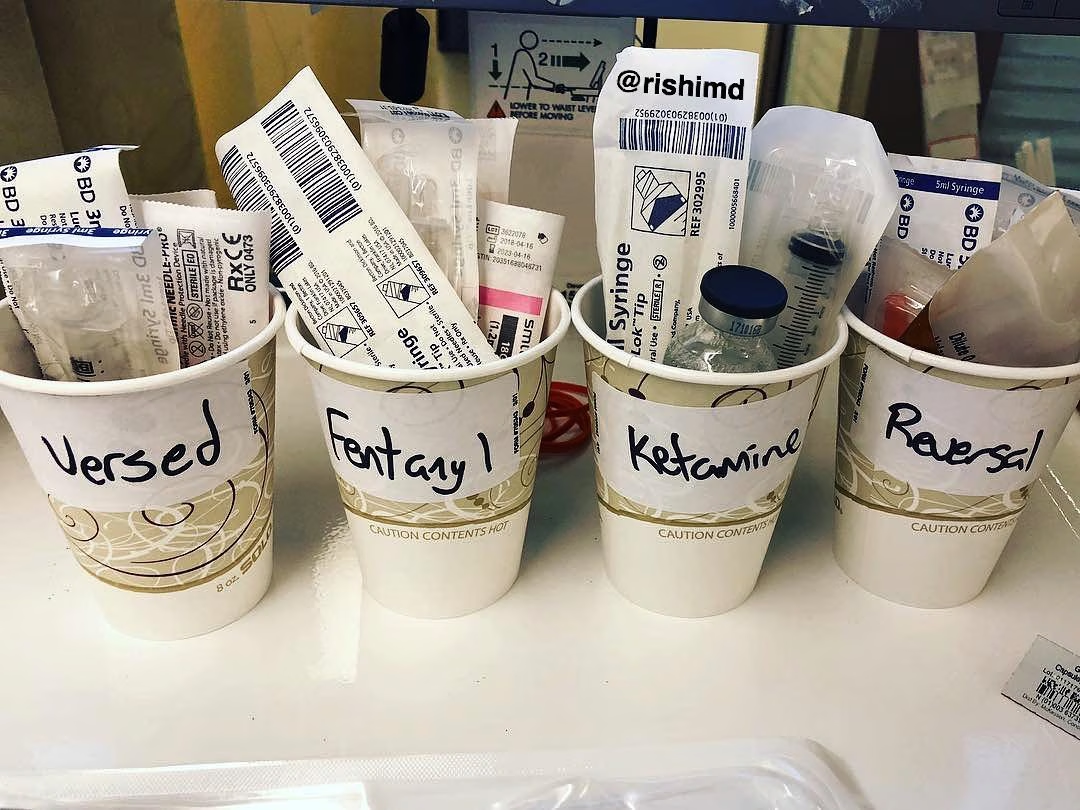
    In the perioperative world, “premedication” refers to pharmacologic therapy administered to relieve anxiety, provide light sedation, and even create some degree of antegrade amnesia prior to an operation. While there are many styles, I’m certainly a proponent of “verbal anxiolysis” by using humor, reassurance, and crystal clear language to paint…

    Read More

  • NovoSeven

    NovoSeven

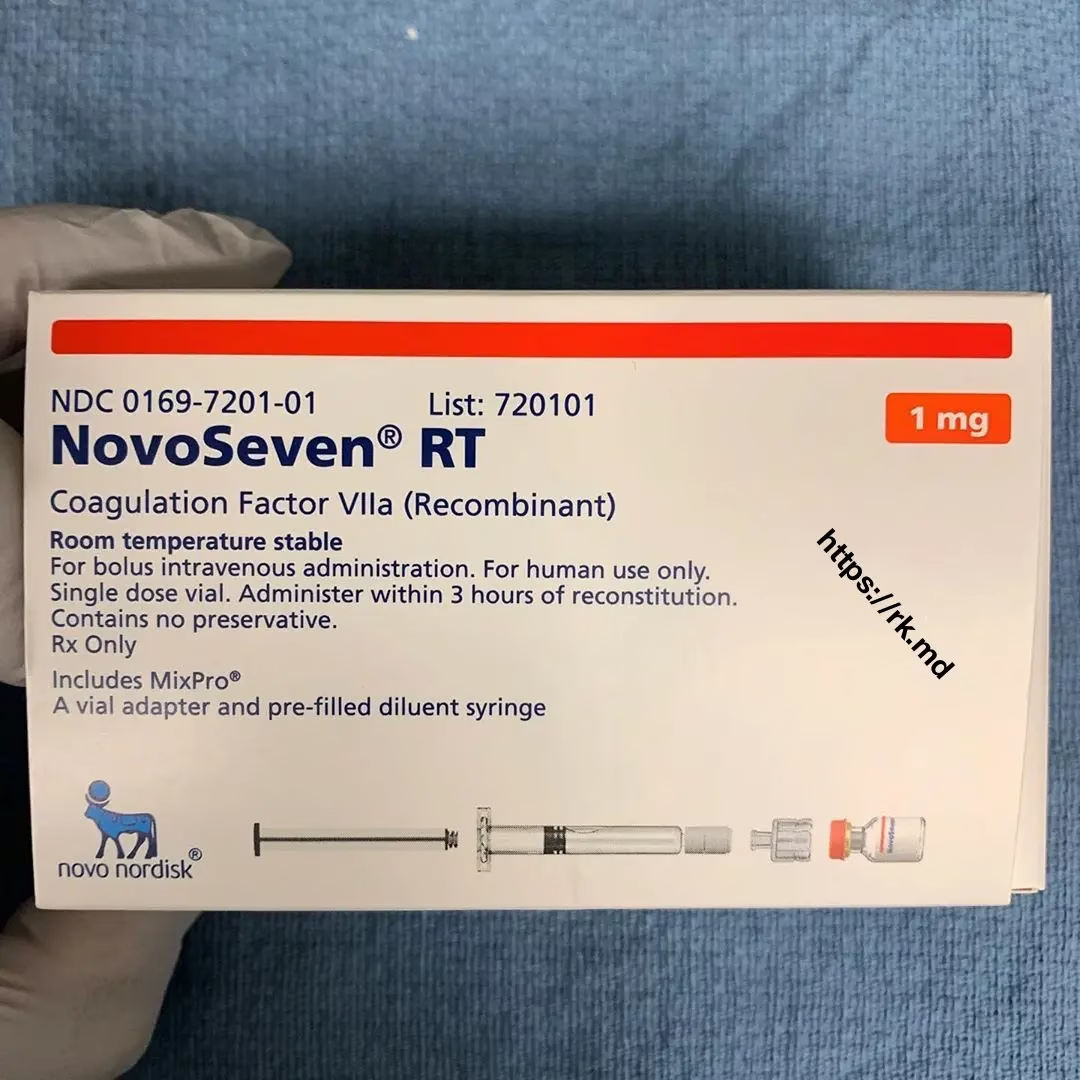
    NovoSeven (recombinant factor VIIa or rFVIIa) is an intravenous, structurally similar molecule to human factor VII – a protein involved in the extrinsic pathway of the coagulation cascade. This protein then activates factors IX and X to convert prothrombin to thrombin and fibrinogen to fibrin ultimately. NovoSeven has been FDA-approved…

    Read More

  • High Dose Fentanyl Induction

    High Dose Fentanyl Induction

    The induction of general anesthesia in patients undergoing cardiac surgery is often times different than non-cardiac surgery. At many institutions, these inductions tend to center heavily around high dose opioids due to the hemodynamic stability conferred by narcotics. When talking about fentanyl, this translates to anywhere from 50 – 100…

    Read More

  • Octreotide

    Octreotide

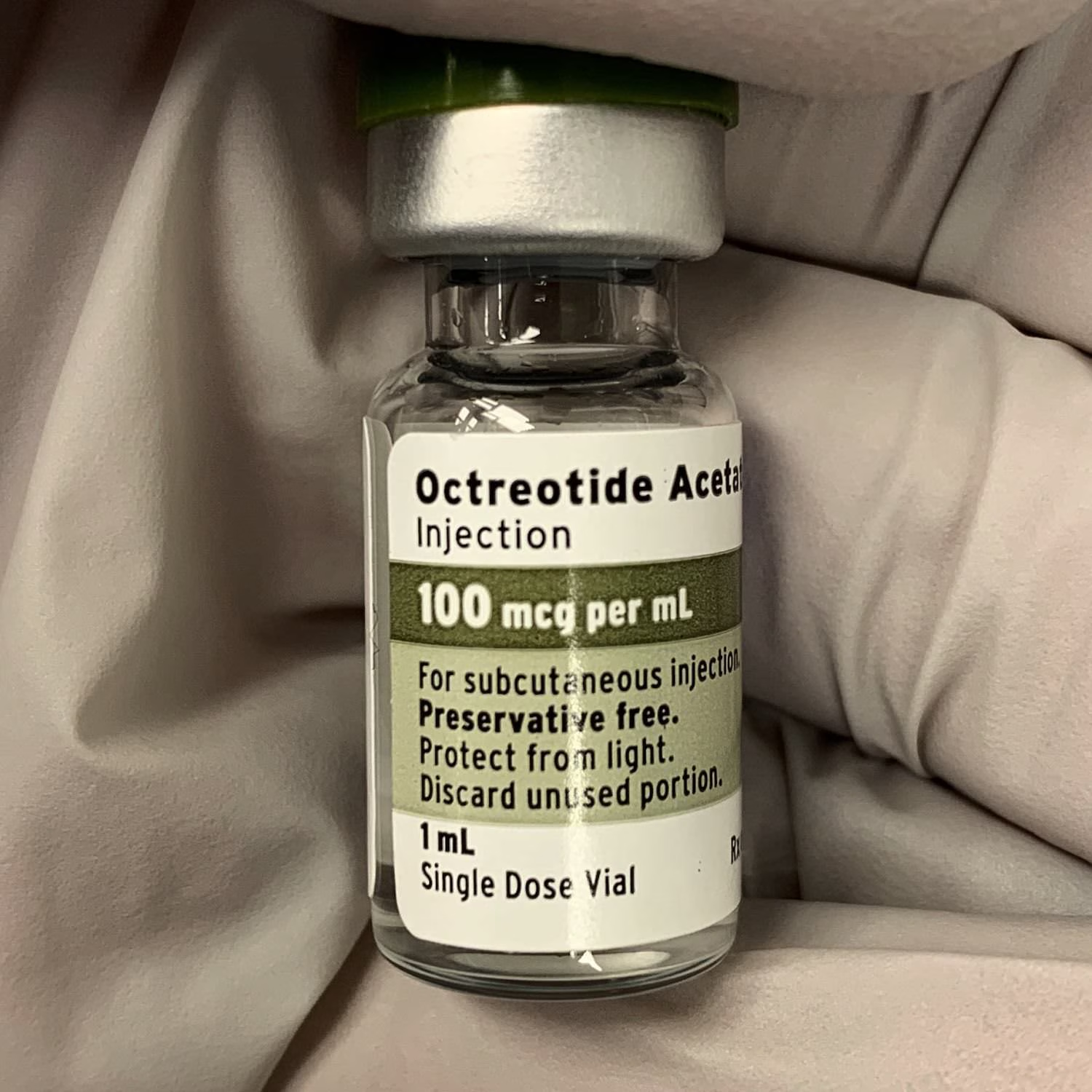
    Sandostatin (octreotide) is a subcutaneous, intramuscular, or intravenous analog to somatostatin – a protein hormone secreted throughout the GI tract – which acts via G-protein coupled receptors to inhibit a myriad of other hormones. For example, in the central nervous system, it suppresses the release of prolactin, thyroid stimulating hormone,…

    Read More