• Vitamin K (Phytonadione)

    Vitamin K (Phytonadione)

    Vitamin K (phytonadione) is an essential, fat-soluble cofactor for γ-carboxylation of clotting factors II, VII, IX, and X, as well as proteins C and S. This post-translational modification allows these proteins to bind calcium and participate in coagulation. In vitamin K deficiency or during warfarin therapy, the liver continues to…

    Read More

  • Cangrelor

    Cangrelor

    Cangrelor (Kengreal) is an intravenous P2Y12 platelet inhibitor which is run as a continuous infusion. Unlike clopidogrel (Plavix) which is a prodrug requiring conversion to an active metabolite, cangrelor is already active and has a quick onset. Furthermore, stopping the infusion results in rapid restoration of platelet function in ~1…

    Read More

  • Protamine

    Protamine

    Protamine is an intravenous protein used to reverse the blood thinner heparin. This medication was initially derived from salmon sperm but is now synthesized with recombinant DNA technology. Heparin (negatively charged) forms an ionic bond with protamine (positively charged) creating inactive complexes metabolized by the reticuloendothelial system. Protamine reactions are…

    Read More

  • P2Y12/PRU “Plavix Effect” Assay

    P2Y12/PRU “Plavix Effect” Assay

    P2Y12 receptor inhibitors like clopidogrel (Plavix), prasugrel (Effient), and ticagrelor (Brilinta) are powerful antiplatelet agents to promote anticoagulation in patients with acute coronary syndrome, peripheral artery disease, etc. Therefore, we often stop P2Y12 inhibitors for ~5-7 days before elective surgery and use a “Plavix effect” assay (more specifically, a VerifyNow…

    Read More

  • Desmopressin (DDAVP)

    Desmopressin (DDAVP)

    Desmopressin (DDAVP, antidiuretic hormone) is a synthetic analog of vasopressin that can be administered IV, IM, subQ, and orally. Compared to vasopressin (generally regarded as a potent vasoconstrictor), DDAVP has less efficacy as a pressor, a longer duration, and is a much more potent antidiuretic (hence its use for bedwetting)…

    Read More

  • Disseminated Intravascular Coagulation (DIC)

    Disseminated Intravascular Coagulation (DIC)

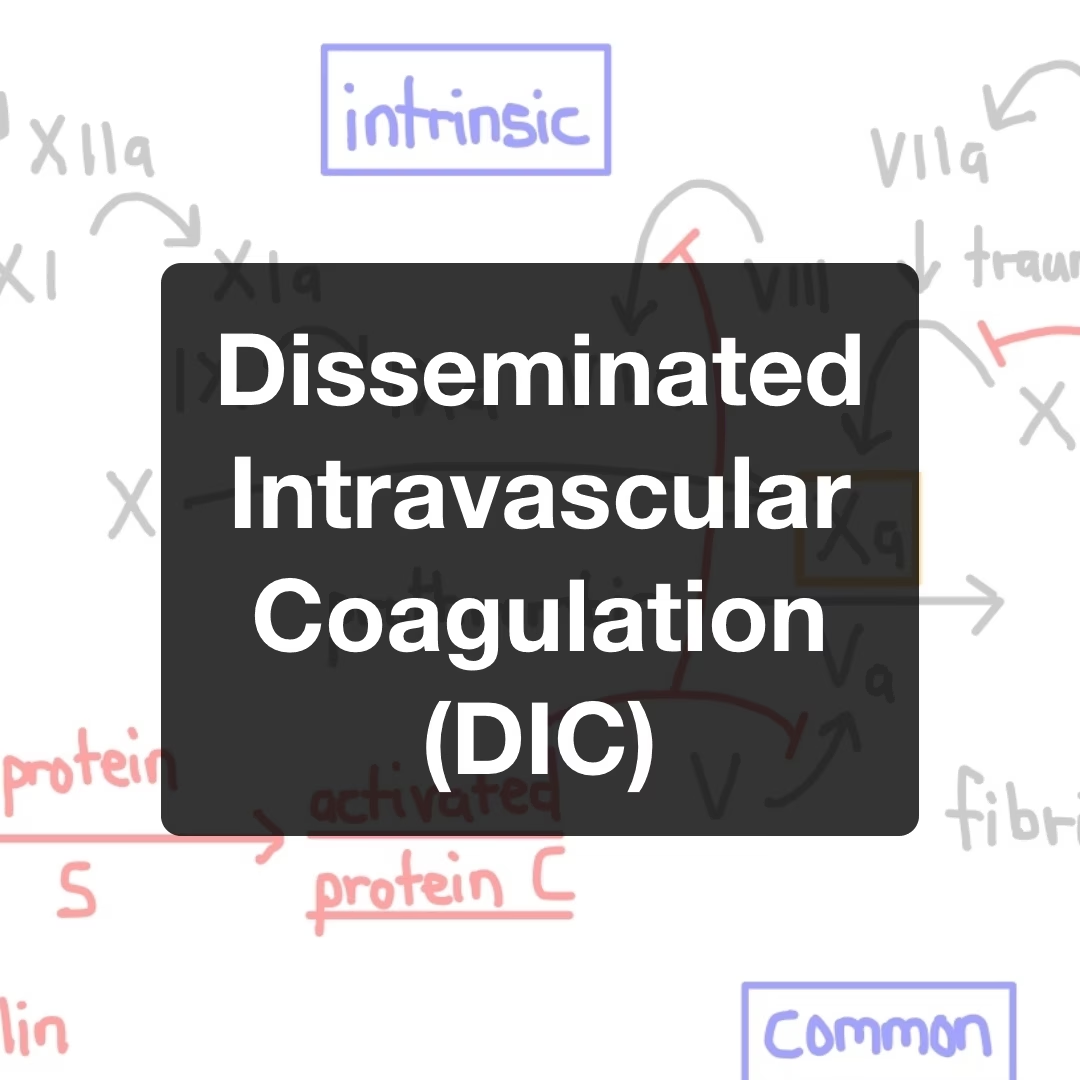
    Disseminated intravascular coagulation (DIC) is a life-threatening condition (hence the popular alternative definition of “death is coming”) affecting the coagulation cascade. Typically, clot formation and fibrinolysis are carefully balanced by various mechanisms; however, in DIC, these processes are ramped up leading to continued clotting and bleeding.

    Read More

  • NovoSeven

    NovoSeven

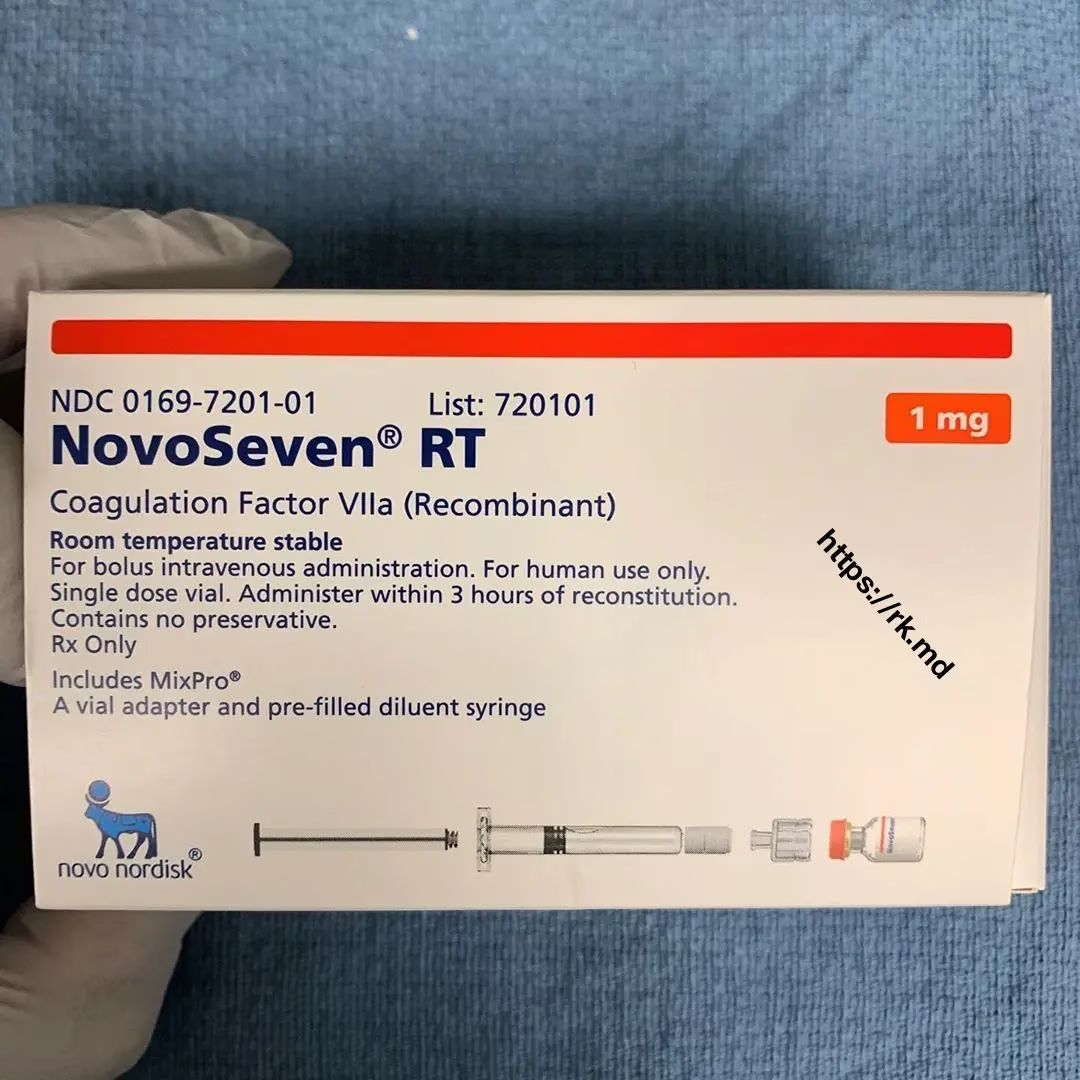
    NovoSeven (recombinant factor VIIa or rFVIIa) is an intravenous, structurally similar molecule to human factor VII – a protein involved in the extrinsic pathway of the coagulation cascade. This protein then activates factors IX and X to convert prothrombin to thrombin and fibrinogen to fibrin ultimately. NovoSeven has been FDA-approved…

    Read More

  • Alteplase

    Alteplase

    Alteplase (recombinant tissue plasminogen activator, tPA) is a potent intravenous fibrinolytic (“clot buster”) used for everything from acute ischemic strokes and clearing central line ports (“Cathflo”, a total life saver!) to hemodynamically unstable pulmonary embolism (PE) and even ST elevation myocardial infarctions (STEMIs – “heart attacks”).

    Read More

  • RiaSTAP

    RiaSTAP

    RiaSTAP is a fibrinogen concentrate made from pooled human plasma (may not be an option in Jehovah’s Witness patients). It was FDA approved for acute bleeding in patients with congenital fibrinogen deficiency (ie, afibrinogenemia or hypofibrinogenemia), but as an anesthesiologist, I’ve used it in the context of low fibrinogen levels…

    Read More

  • Tranexamic Acid

    Tranexamic Acid

    Tranexamic acid (“TXA”, Cyklokapron) is an analog of the amino acid lysine that works as an antifibrinolytic by binding lysine receptor sites on plasminogen to competitively inhibit its conversion to plasmin – the enzyme responsible for degrading fibrin clots. It’s roughly ten times more potent than aminocaproic acid (another antifibrinolytic),…

    Read More