• ECG Lead II And Volume Responsiveness – The Brody Effect

    ECG Lead II And Volume Responsiveness – The Brody Effect

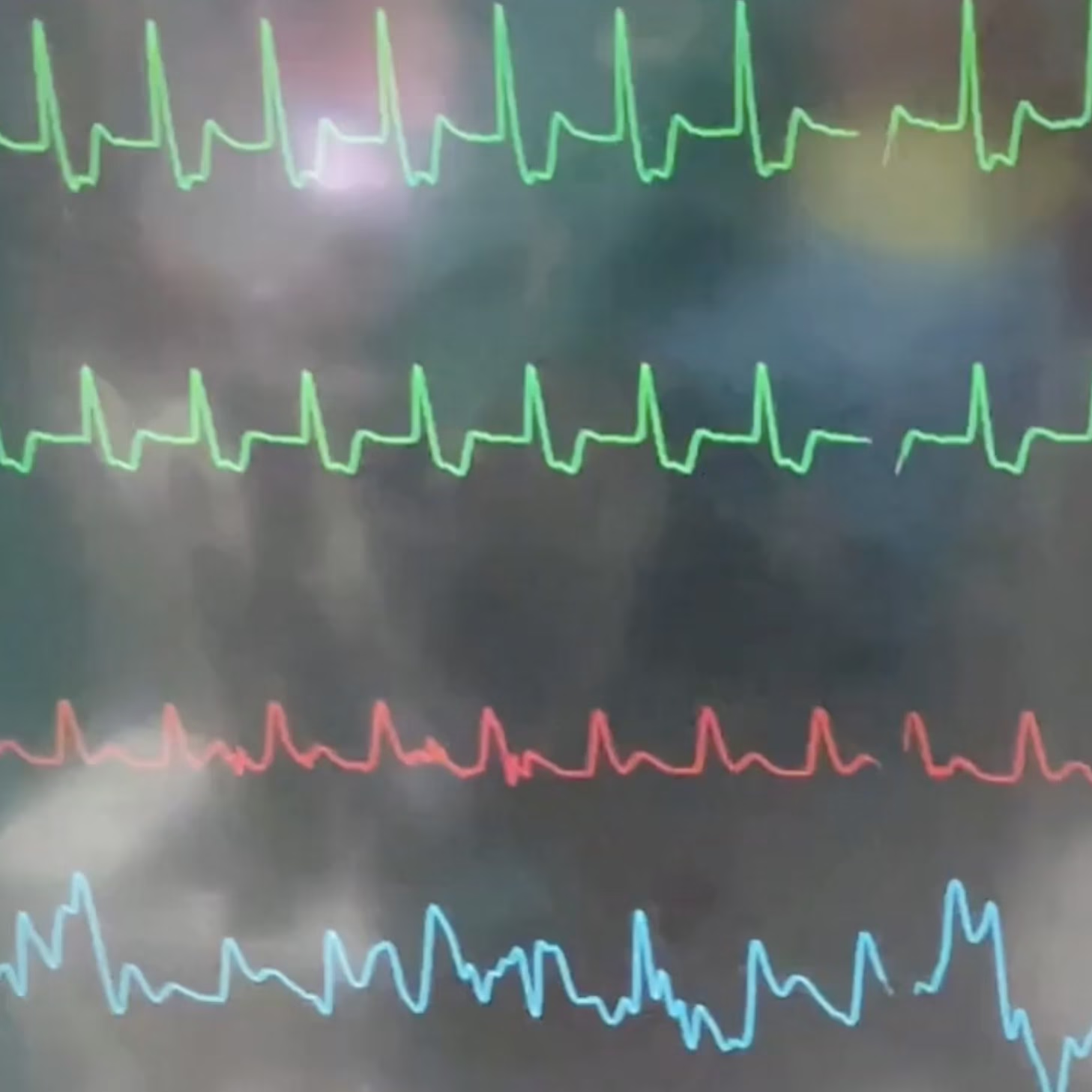
    The Brody effect highlights the relationship between intracavitary blood volume and the heart’s electrical activity, which, in turn, offers a dynamic tool to gauge volume responsiveness. Since blood is an excellent conductor of electricity, variable preload can lead to variable ECG readings, namely the amplitude of the R-wave in lead…
    Read More

  • 2° AV Block – Mobitz I (Wenckebach) ECG

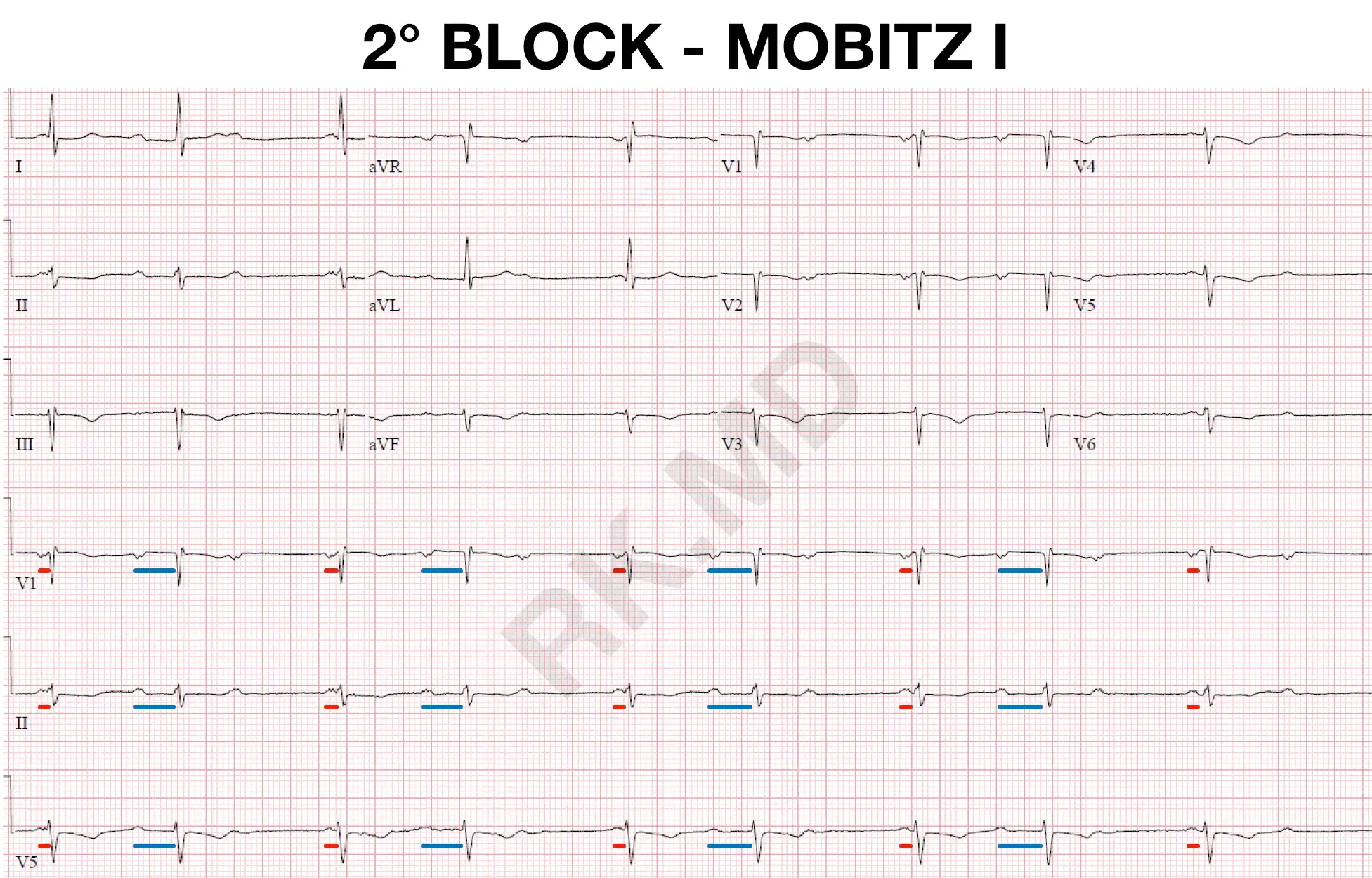
    2° AV Block – Mobitz I (Wenckebach) ECG

    2° atrioventricular block – Mobitz I (often referred to as the Wenckebach phenomenon) is characterized by the progressive lengthening of the PR interval with each successive heartbeat until a beat is completely blocked (a P wave not followed by a QRS complex). Mobitz I generally involves progressive fatigue of AV…

    Read More

  • Complete (3°) Heart Block ECG

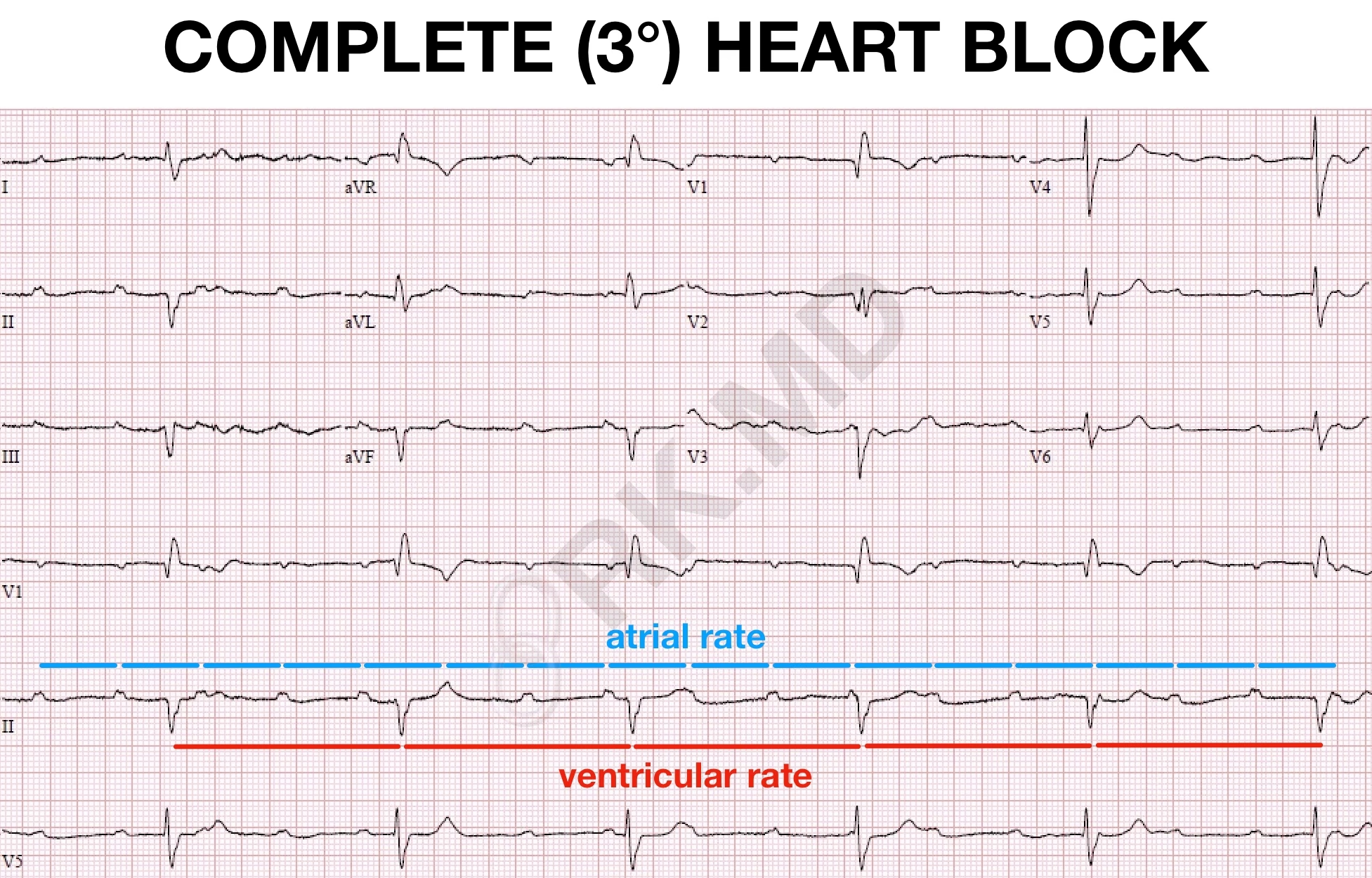
    Complete (3°) Heart Block ECG

    Complete (3°) heart block (CHB) occurs when atrial signals do not reach the ventricle; therefore, the atria (P-waves) and ventricles (wide QRS complexes) pace themselves independently of each other. Symptoms can range from fatigue and dyspnea to syncope, chest pain, and sudden cardiac death. CHB can be caused by ischemia,…

    Read More

  • Ventricular Pacing Versus Normal Sinus Rhythm

    Ventricular Pacing Versus Normal Sinus Rhythm

    As a cardiothoracic anesthesiologist and intensivist, many of my patients receive ventricular pacing at some point during their hospital admission. In the OR, many patients have epicardial right ventricular (RV) pacing implanted following cardiac surgery. In the ICU, I often encounter transvenous pacing (TVP) of the RV. Remember, normal cardiac…

    Read More

  • S1-Q3-T3 ECG Pattern

    S1-Q3-T3 ECG Pattern

    S1-Q3-T3 refers to an ECG pattern first described in the 1930s suggestive of cor pulmonale in a case series of patients with pulmonary embolism (PE). This pattern has the following findings: It’s important to remember that this pattern is NOT pathognomonic for PE. In fact, S1-Q3-T3 should be LESS associated…

    Read More

  • Right Bundle Branch Block ECG Findings

    Right Bundle Branch Block ECG Findings

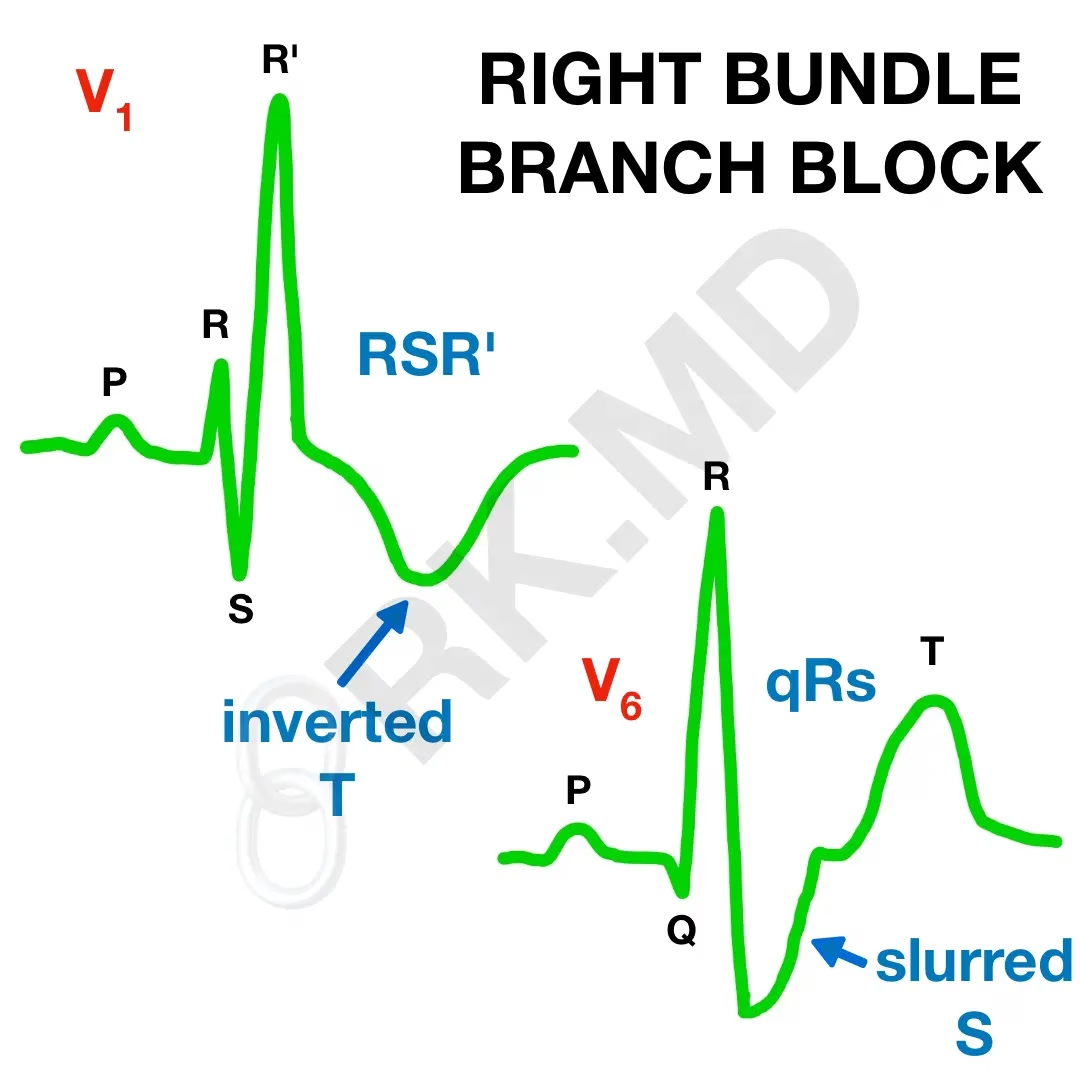
    In right bundle branch block (RBBB), the His-Purkinje conduction system cannot conduct normally into the right ventricle (RV). Therefore, the RV is depolarized across the interventricular septum AFTER the left ventricle (LV) is depolarized. This delay creates several key ECG findings.

    Read More

  • “Is This ECG Real Or Artifact?”

    “Is This ECG Real Or Artifact?”

    In the world of perioperative and intensive care medicine, I’m surrounded by continuous monitors; however, it’s important to understand how monitors work (and the pitfalls associated with them) before one interprets the numbers they provide. Since most monitors don’t understand the clinical context, they will alarm incessantly for predefined thresholds.…

    Read More

  • Apple Watch ECG Captures Pacemaker Activity

    Apple Watch ECG Captures Pacemaker Activity

    The hysteria surrounding Apple Watch 4’s single lead electrocardiogram (ECG) feature has simmered down over the last few months, but it was brought to my attention that pacemaker activity can also be detected by the application. Unlike 12-lead ECGs which provide significant amounts of data to localize pathologies to certain…

    Read More

  • ECG Axis Deviation

    ECG Axis Deviation

    Normal cardiac conduction propagates downward and leftward from the SA node to the His-Purkinje system. Thus, lead I (points to the patient’s left) and lead aVF (points straight down) represent the component vectors in the x and y planes, respectively, for the cardiac conduction axis. This means that downward is + for lead aVF, and…

    Read More