• TEVAR For Aorto-Esophageal Fistula

    TEVAR For Aorto-Esophageal Fistula

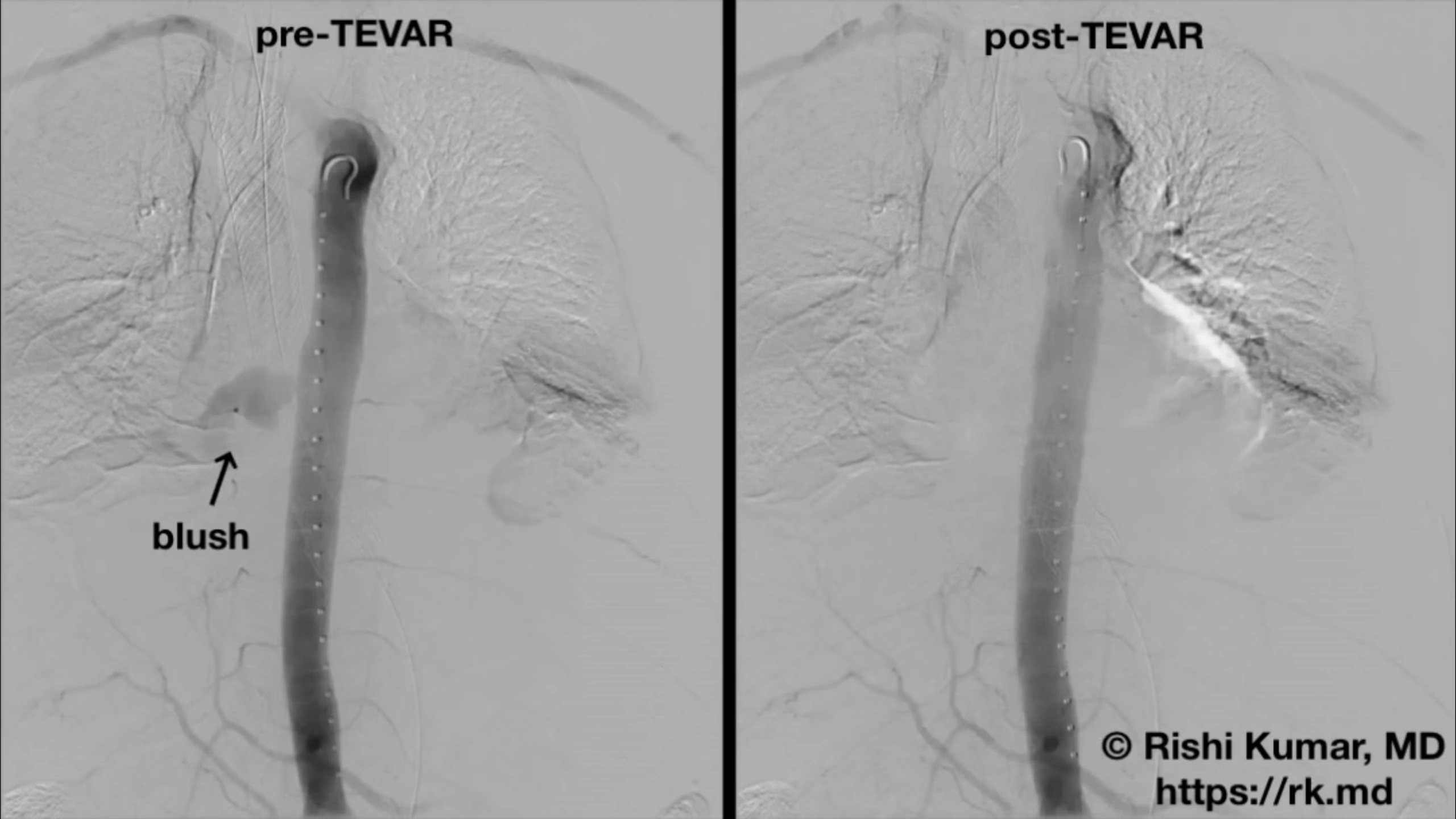
    Aorta-esophageal fistula is an abnormal communication between the aorta and esophagus leading to life-threatening exsanguination via the GI tract. This can be caused by procedures (e.g., weeks following cardiac arrhythmia ablation), malignancy, foreign body, aortic aneurysm, etc. Patients typically present with massive bright red GI bleeding that can be intermittent…
    Read More

  • Type A Dissection

    Type A Dissection

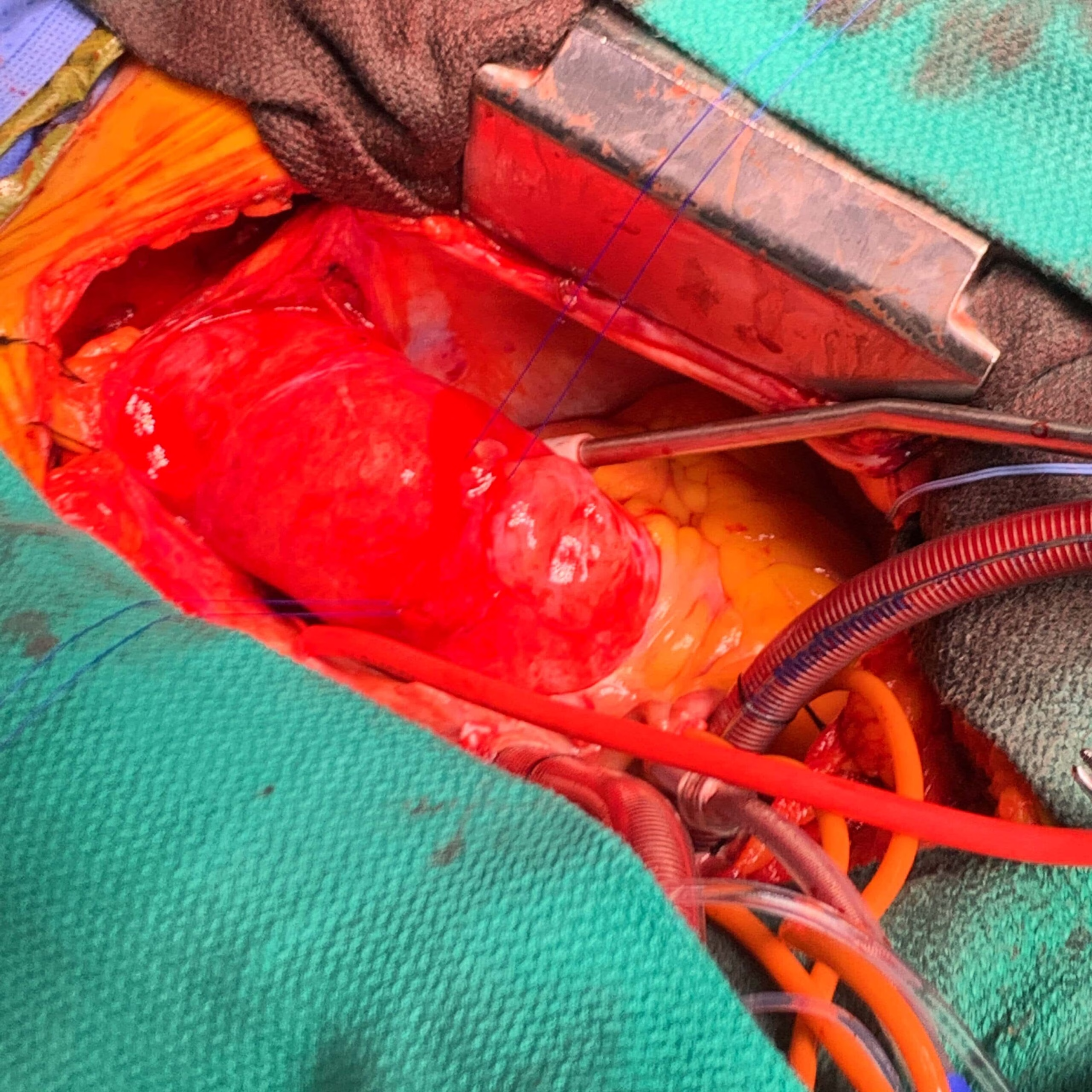
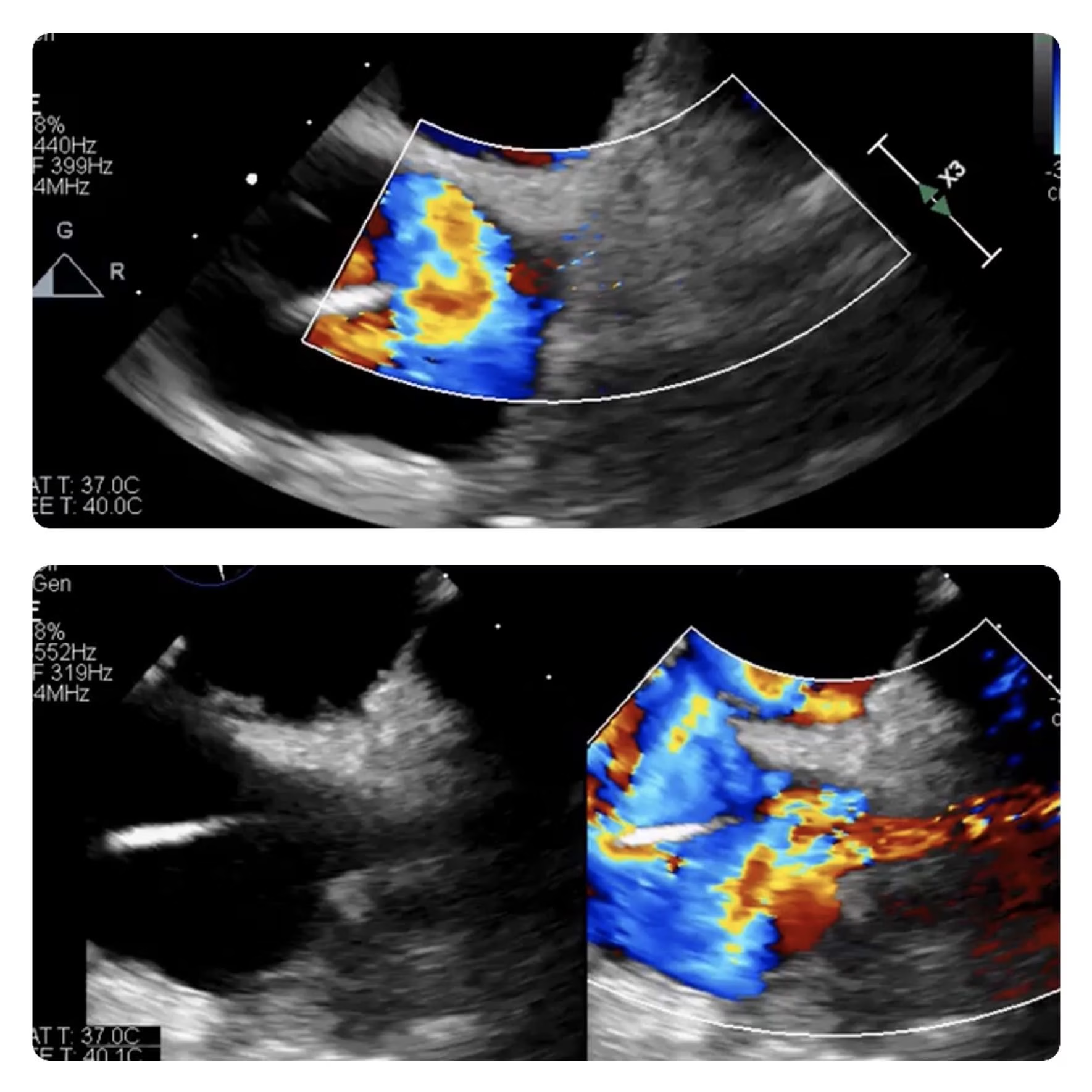
    Acute ascending aortic dissection (type A) is a true surgical emergency. Arterial walls are comprised of the intima (innermost layer), media, and adventitia (outermost layer). In a dissection, an intimal tear creates a plane between the intima and media and a “false lumen” that can compromise blood flow to branches…

    Read More

  • Superior Vena Cava (SVC) Syndrome

    Superior Vena Cava (SVC) Syndrome

    Superior vena cava (SVC) syndrome is characterized by facial plethora, upper body venous engorgement, chest pain, soft tissue swelling, dyspnea, and even neurologic changes. Anything that impairs SVC drainage by intrinsic obstruction (thrombosis, anatomic narrowing) or extrinsic compression (mediastinal masses, non-small cell lung cancer, non-Hodgkin’s lymphoma, etc.) can result in…

    Read More

  • Lumbar Drain

    Lumbar Drain

    Lumbar drains are a mainstay for spinal cord protection when patients undergo operations like thoracoabdominal aortic aneurysm (TAAA) repairs and thoracic endovascular aortic repairs (TEVAR) with subclavian artery debranching. Why? Because the anterior spinal artery receives contributions from paired intercostal arteries that can be disrupted by the aortic pathology itself…

    Read More

  • May-Thurner Syndrome

    May-Thurner Syndrome

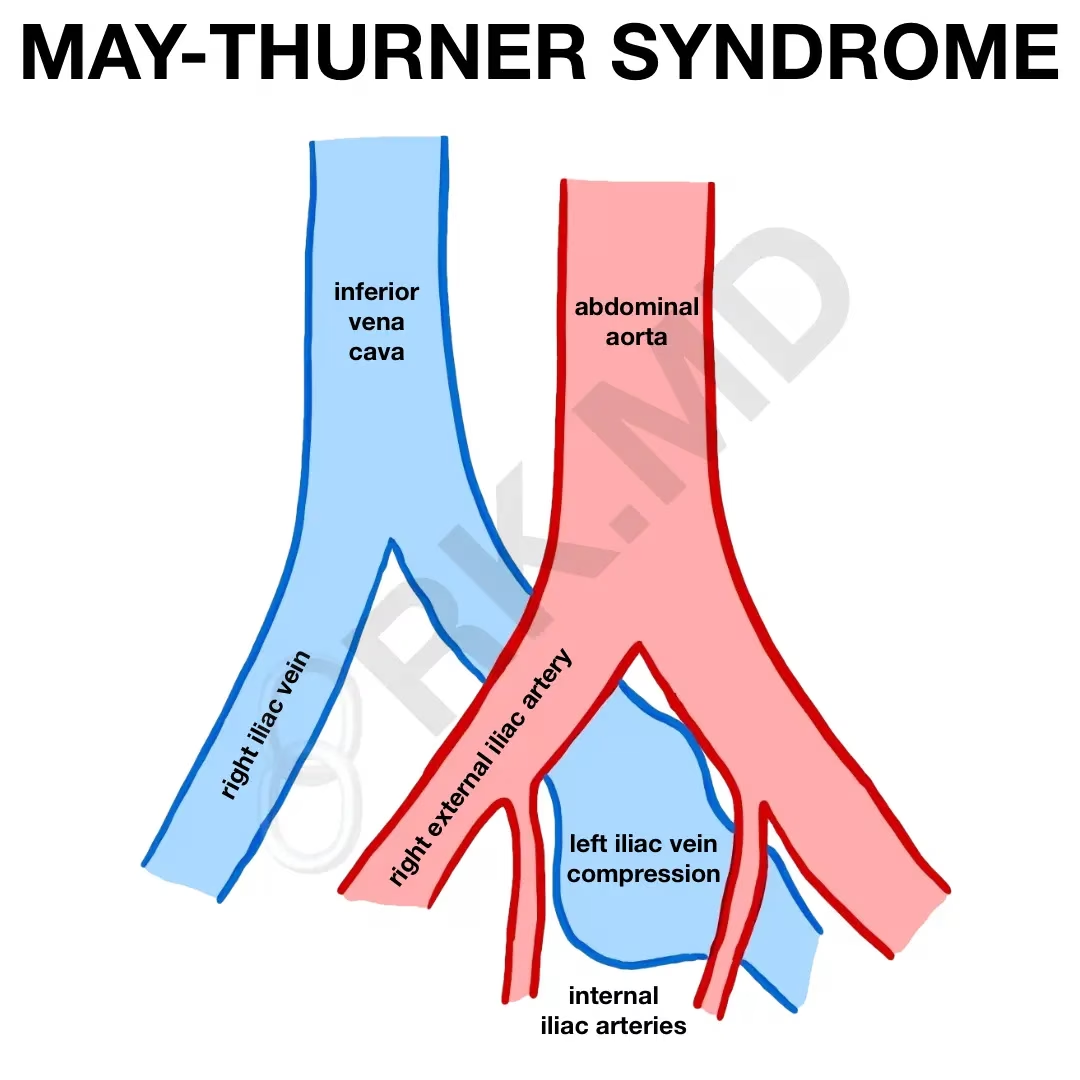
    May-Thurner syndrome (MTS) involves iliocaval venous compression most often attributed to compression of the left iliac vein between the lumbar vertebrae posteriorly and the right common iliac artery anteriorly. This, in turn, causes venous hypertension and stasis in the left leg. Risk factors include scoliosis (more accentuated compression of the…

    Read More

  • Inari FlowTriever

    Inari FlowTriever

    Pulmonary embolism (PE) refers to an obstruction of the pulmonary arterial system and is the third leading cause of cardiovascular death. Patients can present with nonspecific findings; however, resulting pulmonary infarction, impaired gas exchange, and right ventricular failure can lead to rapid decompensation.

    Read More

  • Screening For Abdominal Aortic Aneurysm (AAA)

    Screening For Abdominal Aortic Aneurysm (AAA)

    As a cardiac anesthesiologist, I’ve been involved in my fair share of open and endovascular abdominal aortic aneurysm (AAA) repairs. Although sometimes these are more emergent, contained ruptures, the majority of AAA repairs are electively performed for a progressive enlargement of an aneurysm. The magic number to intervene is usually…

    Read More