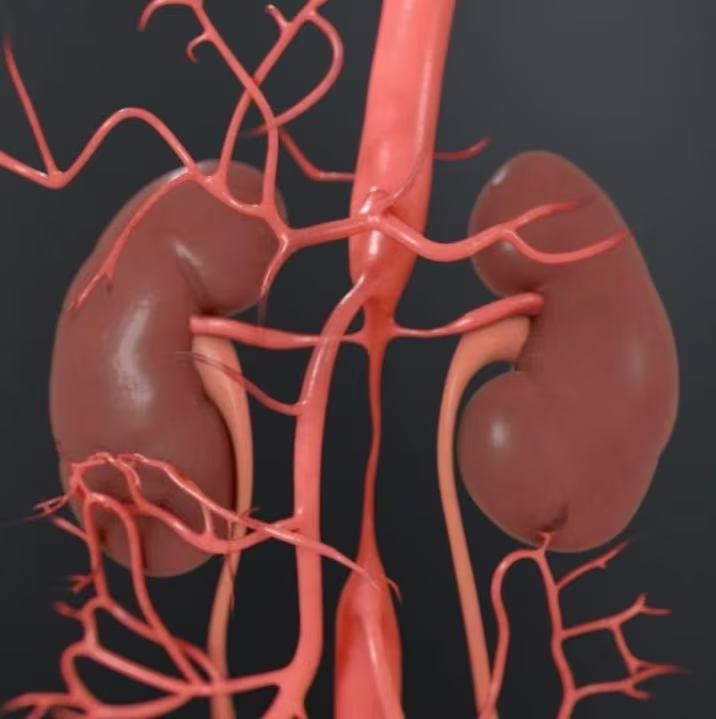
• Middle Aortic Syndrome (MAS)

    Middle Aortic Syndrome (MAS)

    Middle aortic (“mid-aortic”) syndrome (MAS) refers to a segmental narrowing of the distal thoracic or abdominal aorta, often with associated stenosis of the renal and visceral branches. The result is severe renovascular hypertension in children and young adults who otherwise have “healthy” hearts and no atherosclerotic risk profile. Etiologies range…

    Read More

  • Arteriovenous Fistula (AVF) Creation and Heart Failure Exacerbation

    Arteriovenous Fistula (AVF) Creation and Heart Failure Exacerbation

    Creating a new arteriovenous fistula (AVF) generates a major hemodynamic shift. Connecting a high-resistance artery to a low-resistance vein increases venous return, lowers systemic vascular resistance, and forces the heart to sustain a chronic high-flow load. Many patients adapt, but those with limited reserve can decompensate quickly with dyspnea, edema,…

    Read More

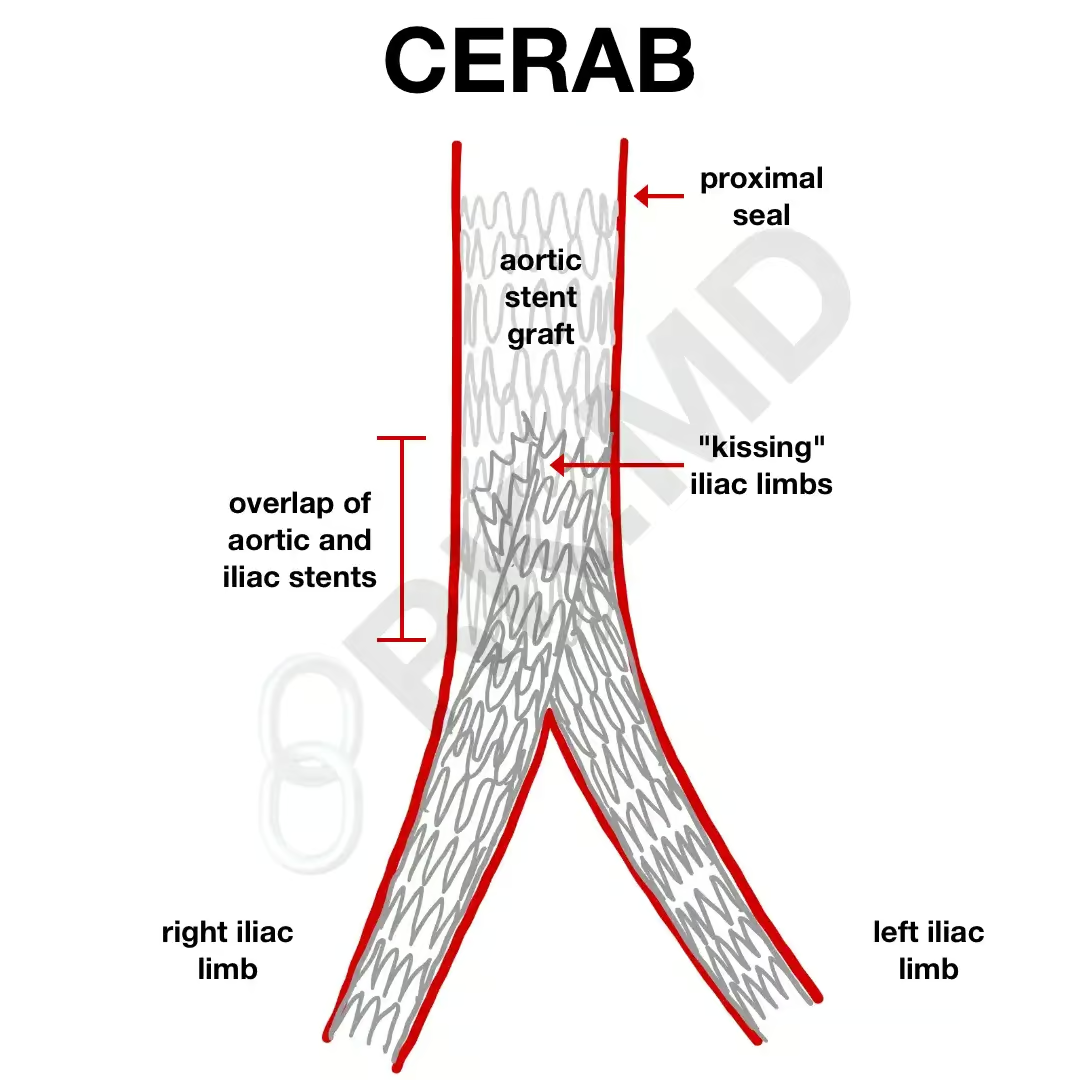
  • Covered Endovascular Reconstruction Of The Aortic Bifurcation (CERAB)

    Covered Endovascular Reconstruction Of The Aortic Bifurcation (CERAB)

    Covered endovascular reconstruction of the aortic bifurcation (CERAB) is a minimally invasive technique used to address aortoiliac occlusive disease, aneurysms of the aortic bifurcation, or recurrent stenosis of prior aortoiliac interventions. CT angiography is performed to assess for calcifications and landing zones in the aorta and iliac arteries, location and…

    Read More

  • 3 Point Compression Ultrasound (3PCUS) For Lower Extremity DVT

    3 Point Compression Ultrasound (3PCUS) For Lower Extremity DVT

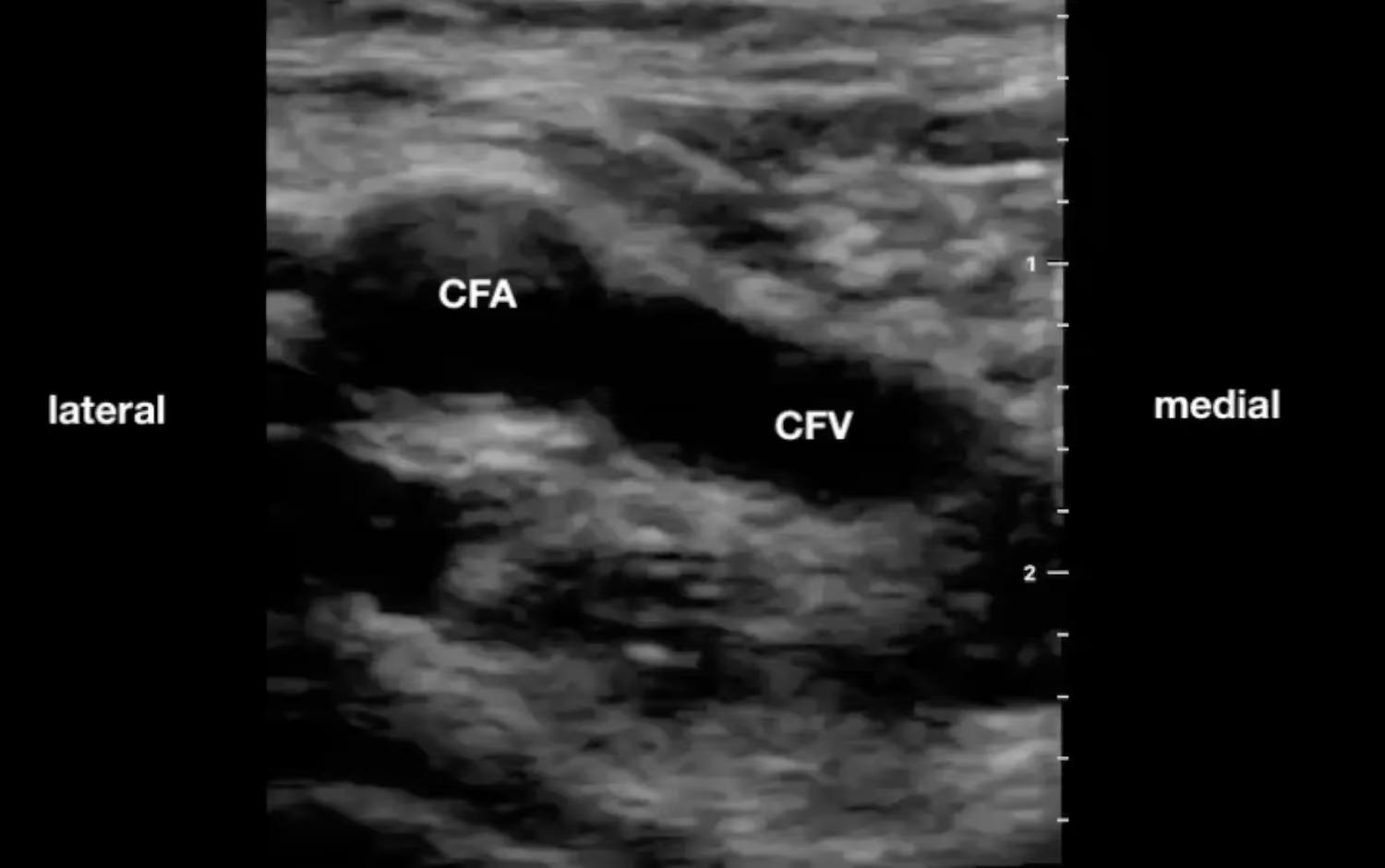
    As an intensivist, I’m always looking for ways to utilize ultrasonography to rule out/in pathologies on my differential. Rather than ordering lower extremity Doppler ultrasounds for every patient (a study that is costly from a time, financial, and human resource standpoint), I perform a three-point compression ultrasound (3PCUS) to rule…

    Read More

  • Shamblin Classification of Carotid Body Tumors

    Shamblin Classification of Carotid Body Tumors

    Carotid body tumors are vascular tumors arising from the carotid body’s paraganglion cells at the bifurcation of the internal and external carotid arteries (ICA and ECA, respectively). The Shamblin classification is used to categorize these tumors based on their involvement with adjacent structures, namely the ICA, ECA, common carotid artery…

    Read More

  • Physician Modified Endovascular Graft (PMEG)

    Physician Modified Endovascular Graft (PMEG)

    Physician-modified endovascular grafts (PMEGs) offer a percutaneous and effective option for repairing complex thoracoabdominal aortic aneurysms. A stent graft is modified onsite using strict sterile technique with reinforced fenestrations created based on the patient’s specific anatomy. Additionally, radiopaque markers are added to help with stent graft alignment in vivo. In…

    Read More

  • Double Aortic Arch

    Double Aortic Arch

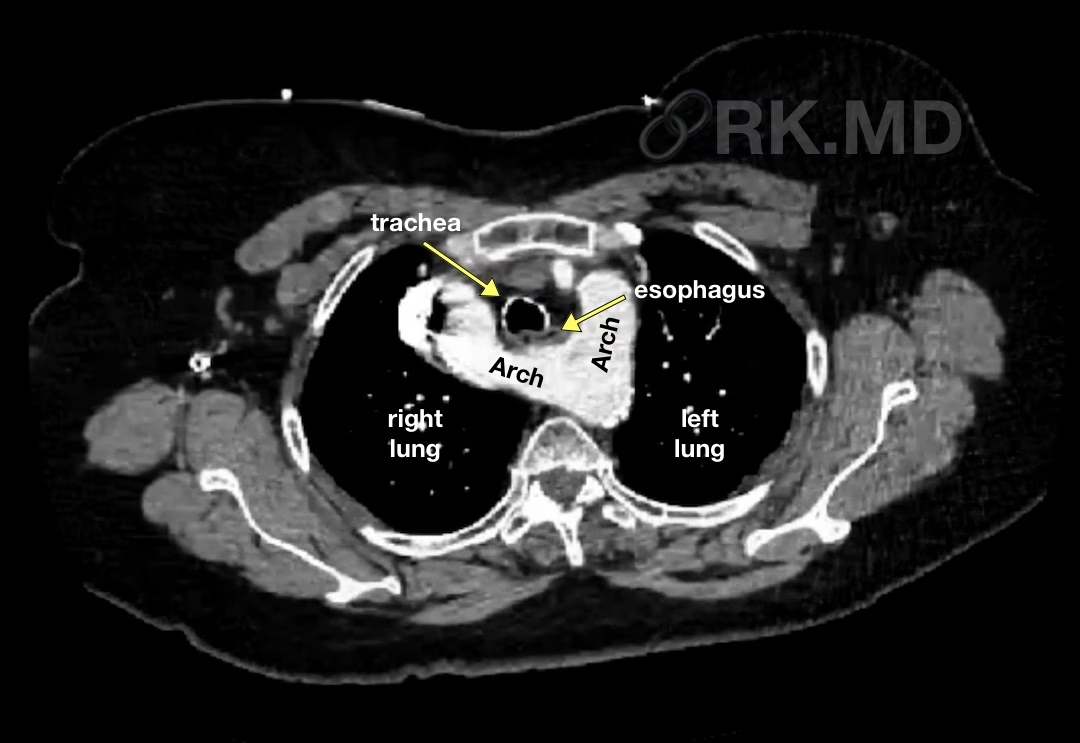
    During embryogenesis, the aortic sac is connected to paired dorsal aortae via six symmetrical aortic (Ao) arches, which give rise to major vascular structures. For example, the right and left common carotid arteries originate from the right and left third arches, respectively. The proximal right subclavian artery is formed from…

    Read More

  • Aortic Aneurysm Fat Stranding On CT

    Aortic Aneurysm Fat Stranding On CT

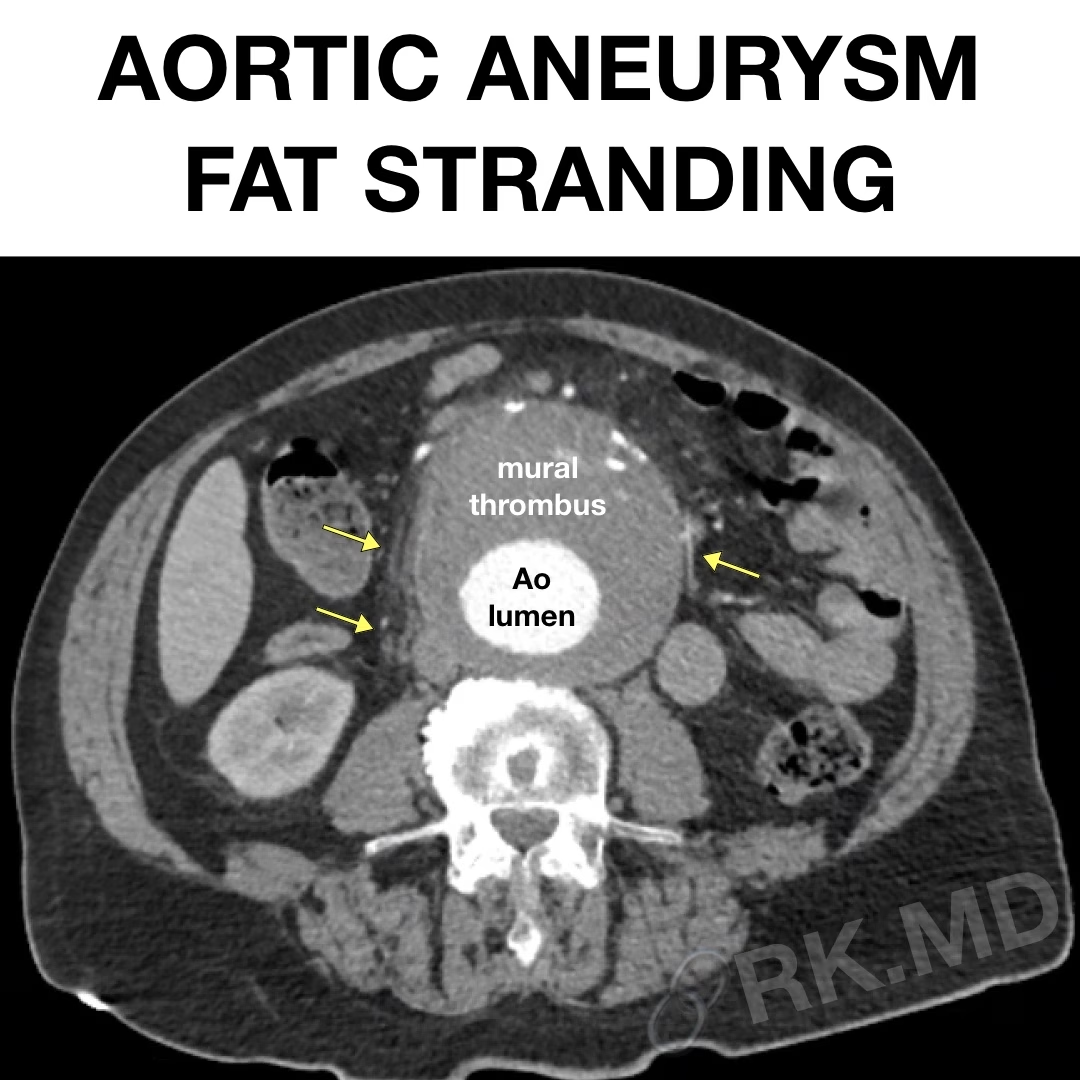
    As a cardiac anesthesiologist and cardiovascular intensivist, I care for many patients with aortic aneurysms in the perioperative setting. Contrast-enhanced CT imaging is traditionally utilized to assess the location and size of the aneurysm and its influence on surrounding structures like compressive mass effect, fistulas, dissection, etc. If the aneurysm…

    Read More

  • Types Of Endoleaks

    Types Of Endoleaks

    Endovascular aneurysm repair (EVAR) offers many patients a minimally invasive option to address vascular pathologies like aortic aneurysm. By deploying a fabric-covered stent within the aneurysm, blood is rerouted through this conduit thereby excluding the aneurysm sac and preventing further dilation of the aorta. An endoleak occurs when blood flow…

    Read More

  • Zones Of The Aorta

    Zones Of The Aorta

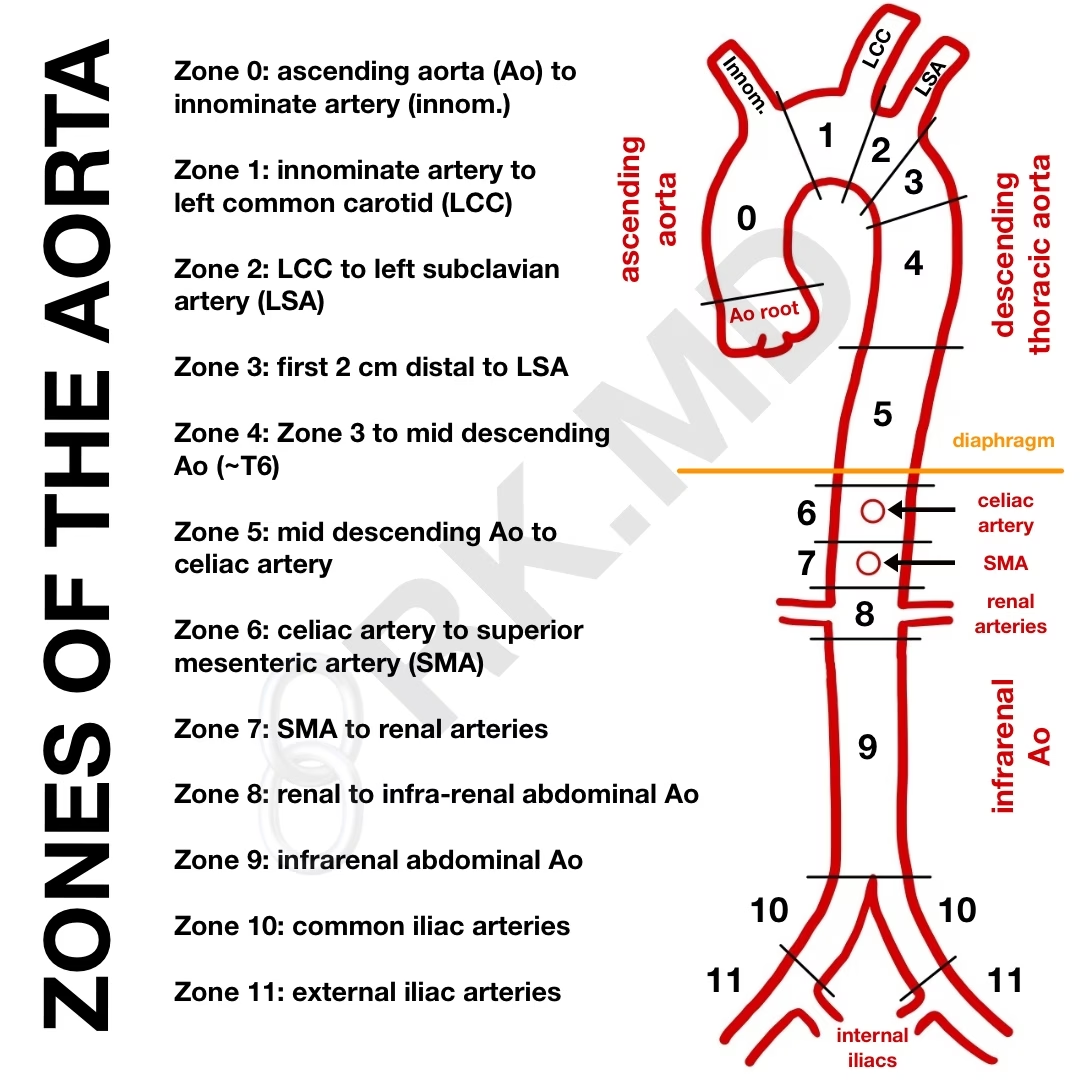
    As a cardiothoracic anesthesiologist and intensivist, I care for many patients in the OR and ICU who have aortic aneurysms or dissections undergoing open/endovascular repair. It’s important to localize the aortic pathology to determine the timing of intervention, the need for additional monitors (e.g., evoked potentials, lumbar drains, etc.), and…

    Read More