• Gentamicin

    Gentamicin

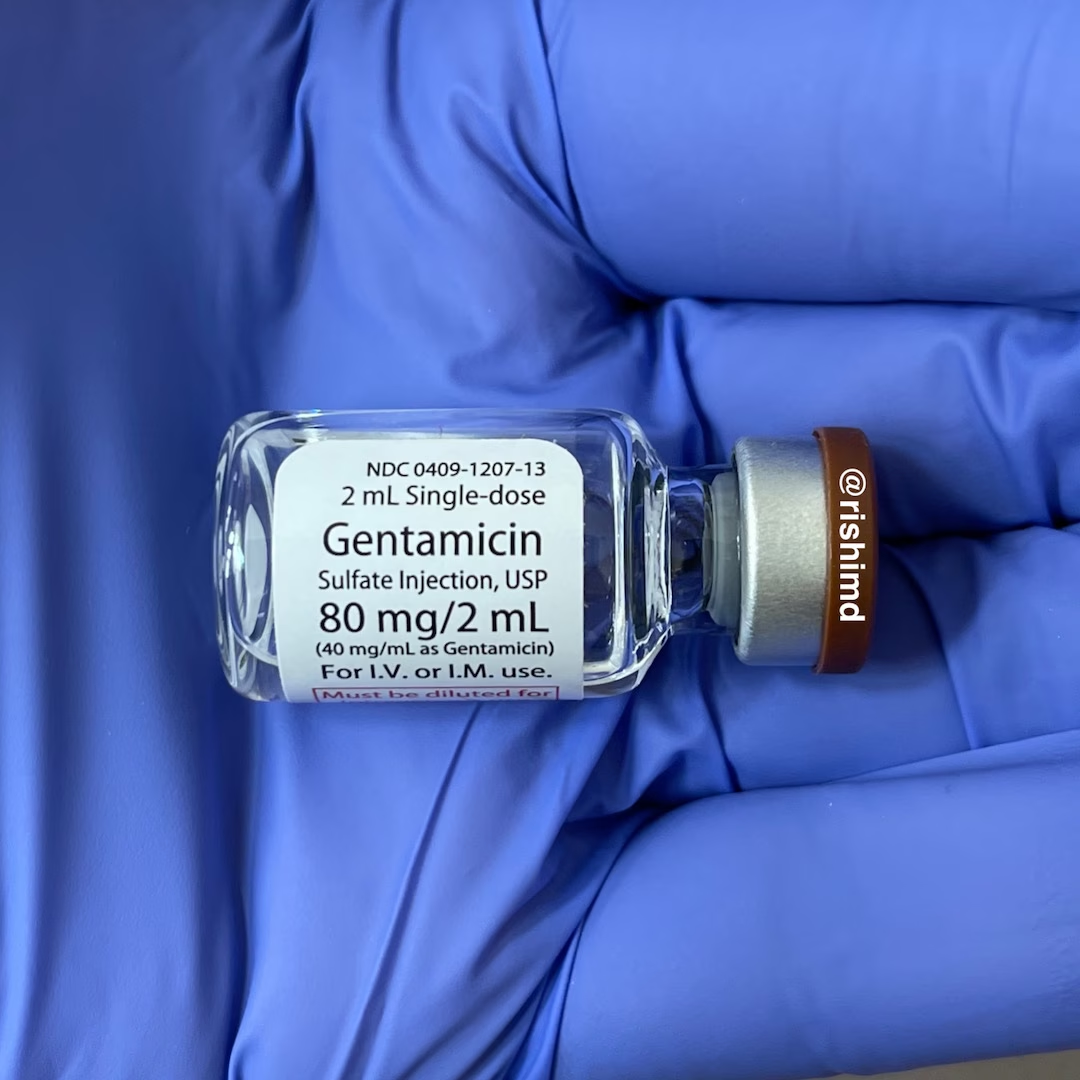
    Gentamicin is an intravenous, intramuscular, and topical aminoglycoside bactericidal antibiotic that works by interfering with bacterial protein synthesis. By binding the 30S subunit of the bacterial ribosome, proteins are improperly translated leading to bacterial death.
    Read More

  • Promethazine

    Promethazine

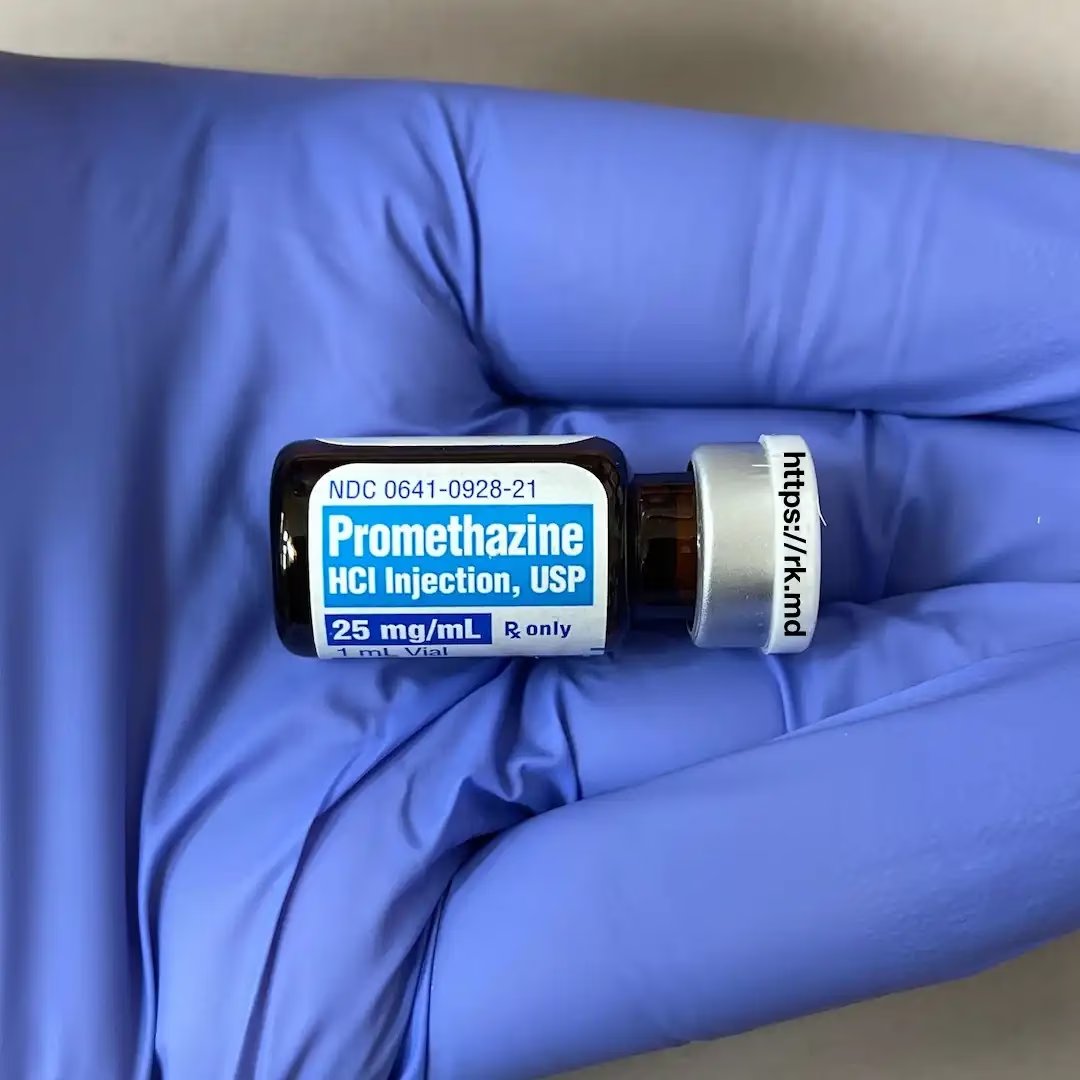
    Promethazine (Phenergan) is an oral, intramuscular (IM), rectal, and intravenous (albeit with caution!) phenothiazine derivative that is both a first-generation antihistamine (H1 receptor antagonism) and a weak typical antipsychotic (D2 receptor antagonism). It also demonstrates antagonism of muscarinic acetylcholine receptors (anticholinergic) and NMDA receptors (similar to ketamine), conferring some degree…

    Read More

  • Bicitra

    Bicitra

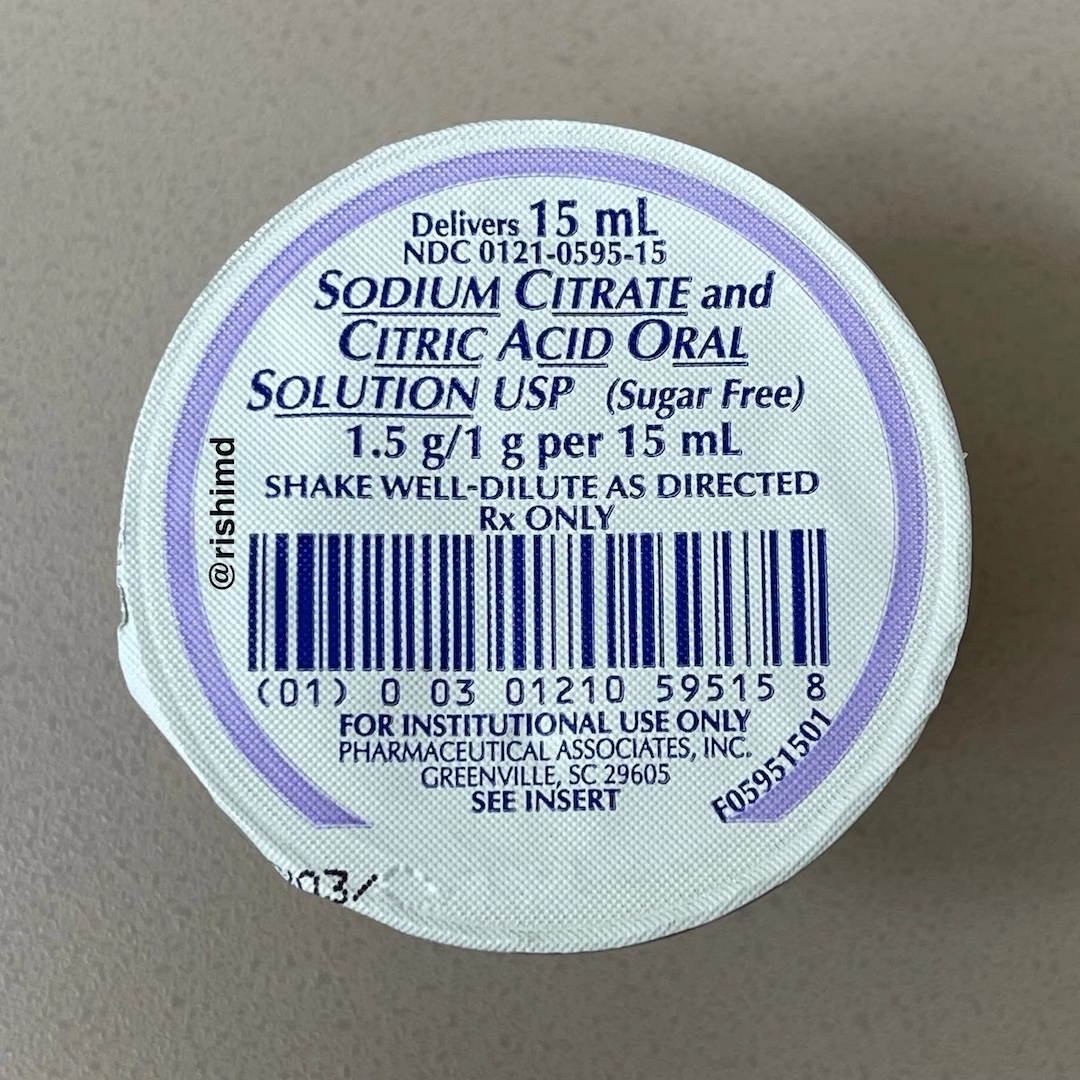
    Sodium citrate/citric acid (Bicitra) is an oral solution I most commonly administered as an anesthesiology resident for aspiration prophylaxis in patients at high risk for aspiration (e.g., obstetric patients prior to C-section) to neutralize gastric acid.

    Read More

  • Loop Diuretic Threshold And Ceiling Doses

    Loop Diuretic Threshold And Ceiling Doses

    Loop diuretics like furosemide (Lasix) and bumetanide (Bumex) block the reabsorption of sodium, potassium, and chloride in the thick ascending limb of the loop of Henle. This interferes with concentrating the renal medulla, and in turn, disrupts the osmotic gradient that typically moves water from within the tubules to the…

    Read More

  • Polymyxin B

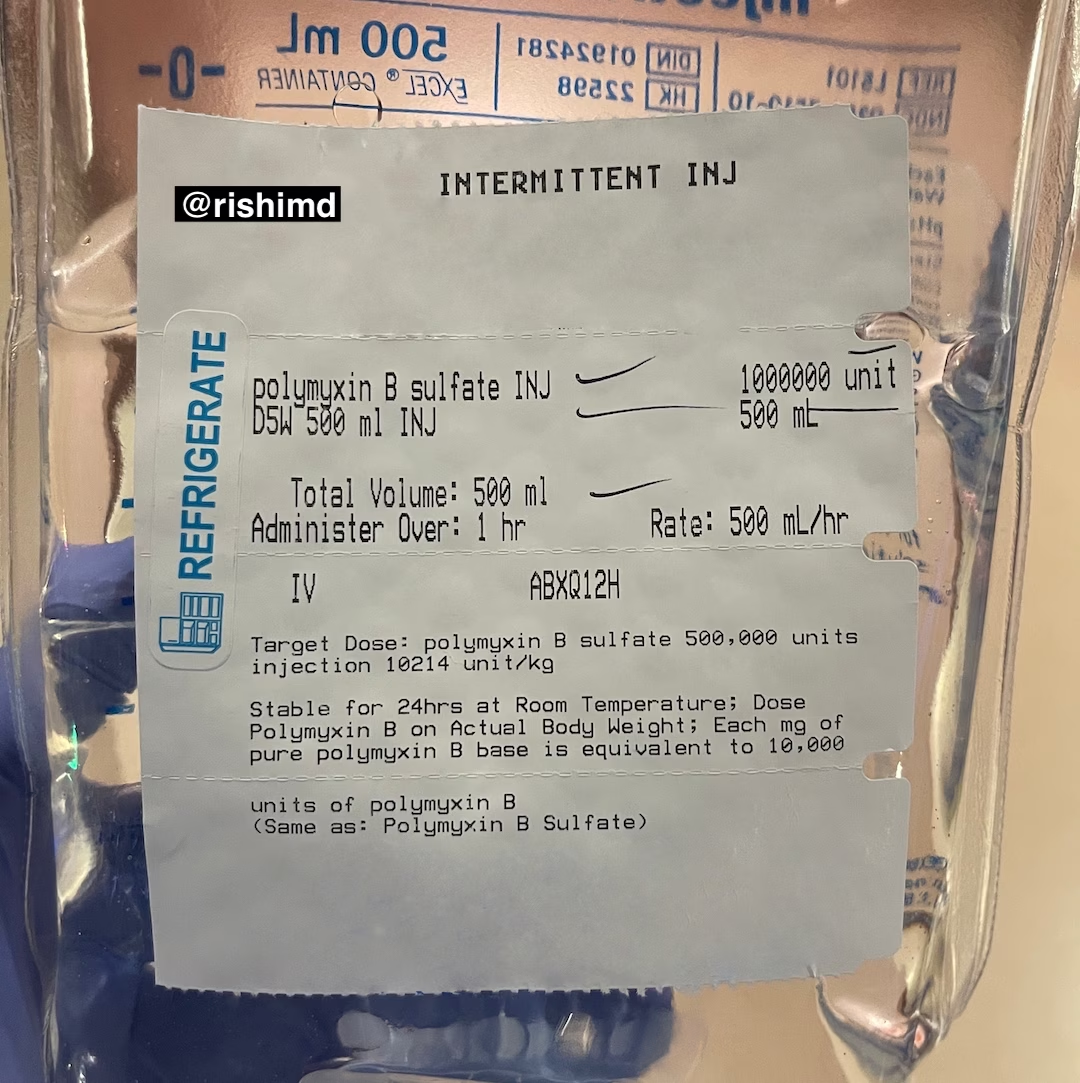
    Polymyxin B

    Polymyxin B is a “last-line” antibiotic primarily used to treat hospital-acquired gram-negative infections that are resistant to essentially all other conventional antibiotics. As an intensivist, I’ve had to use polymyxin B for two very resistant nosocomial bugs: Acinetobacter and Stenotrophomonas. It can also be used for resistant Enterobacteriaceae, Pseudomonas, Salmonella,…

    Read More

  • Avycaz

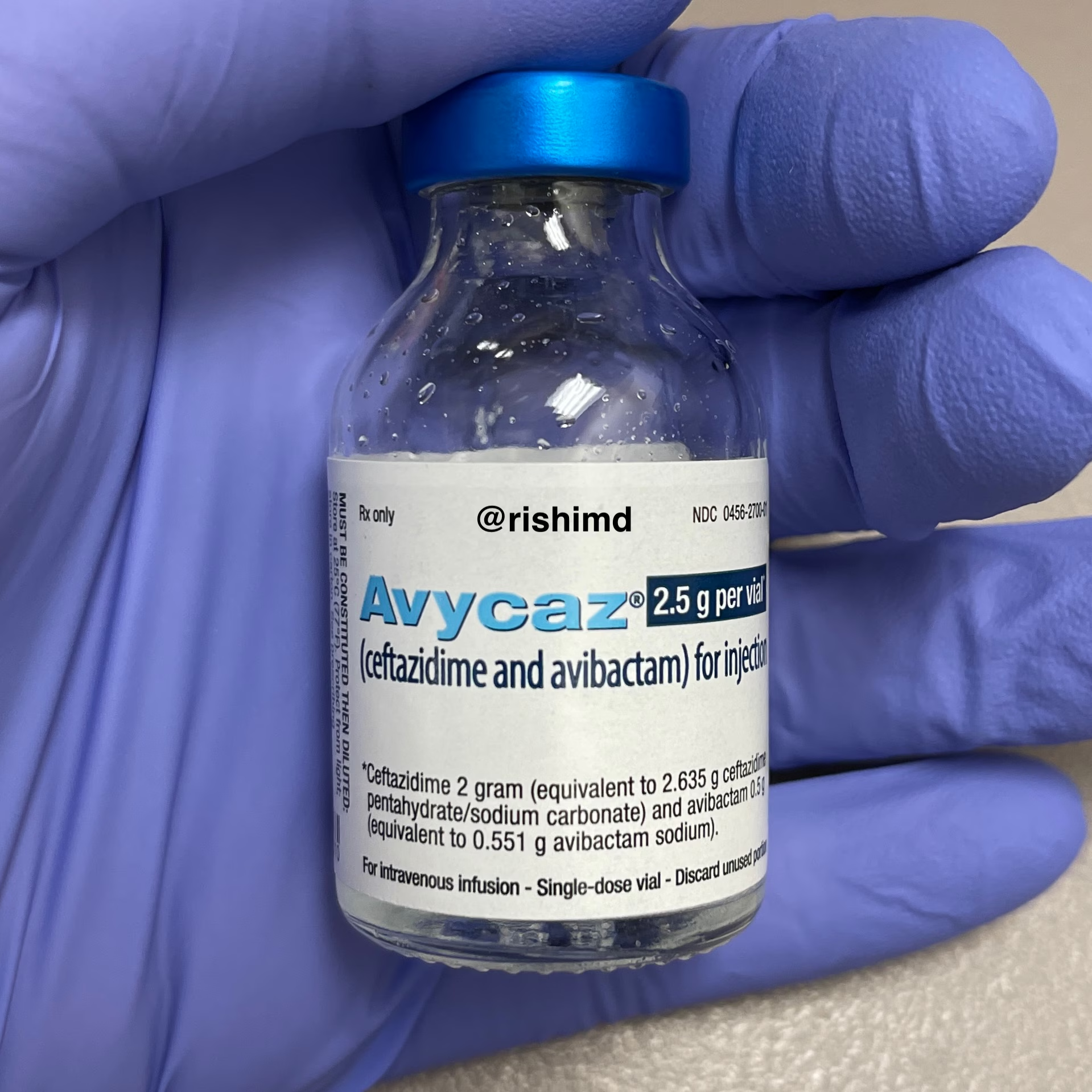
    Avycaz

    Ceftazidime-avibactam (Avycaz) is an intravenous antibiotic combining a third-generation cephalosporin (inhibits cross-linking of peptidoglycan used to form the bacterial cell wall) with a β-lactamase inhibitor (inhibits a bacterial enzyme which degrades β-lactam antibiotics). Avycaz is used to treat complicated intra-abdominal infections (often with metronidazole), complicated urinary tract infections, and hospital-acquired pneumonia.…

    Read More

  • Intravenous Fluid Comparison Table

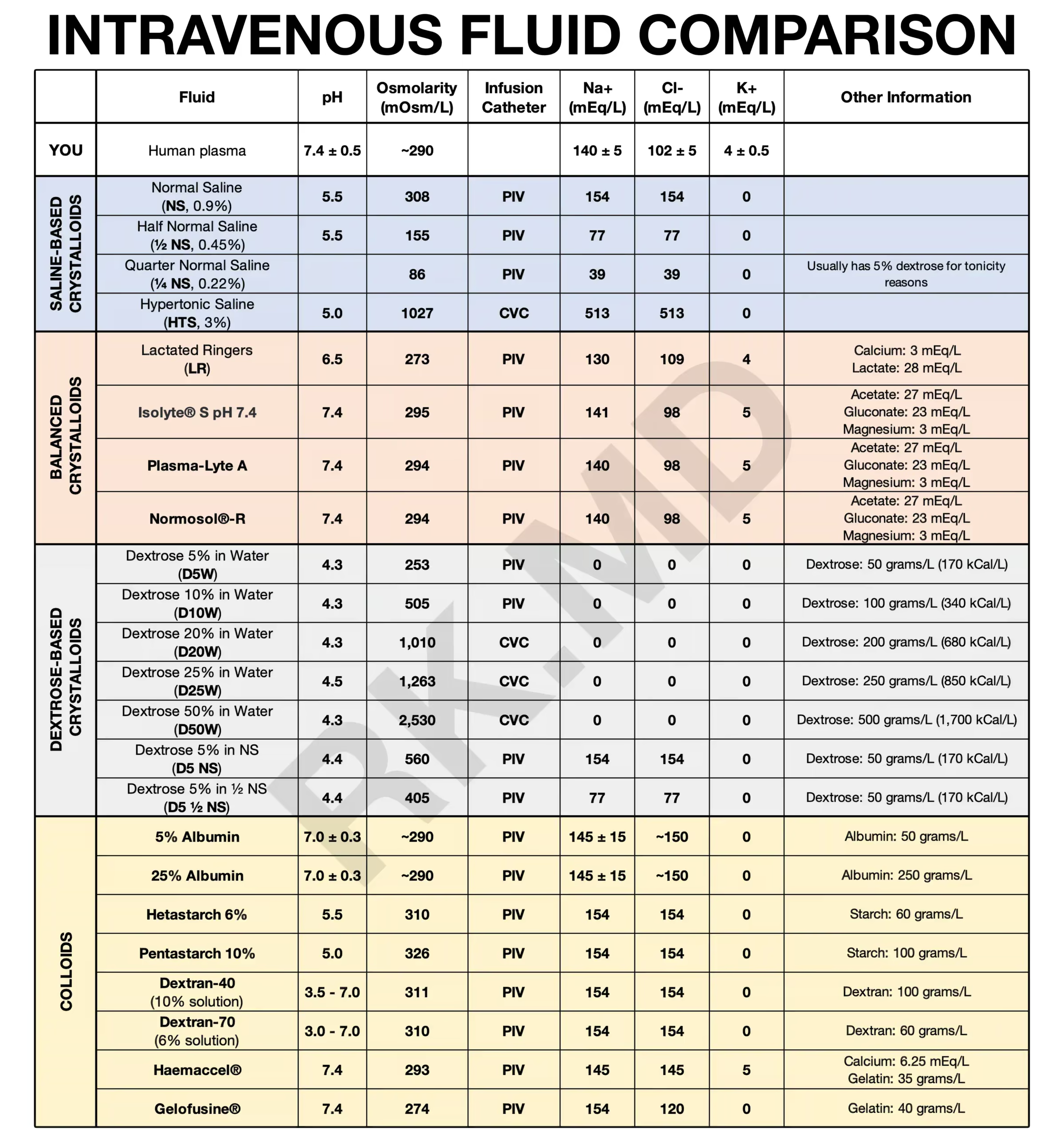
    Intravenous Fluid Comparison Table

    Intravenous (IV) fluids are ubiquitous in medicine. Crystalloid fluids consist of electrolytes and/or dextrose. They are traditionally used to replace ongoing fluid losses, hydrate patients who cannot tolerate enteral intake, reconstitute medications, etc. Colloids contain larger molecular-weight substances, such as albumin and starch, to reduce oncotic pressure (although their clinical…

    Read More

  • TEVAR For Aorto-Esophageal Fistula

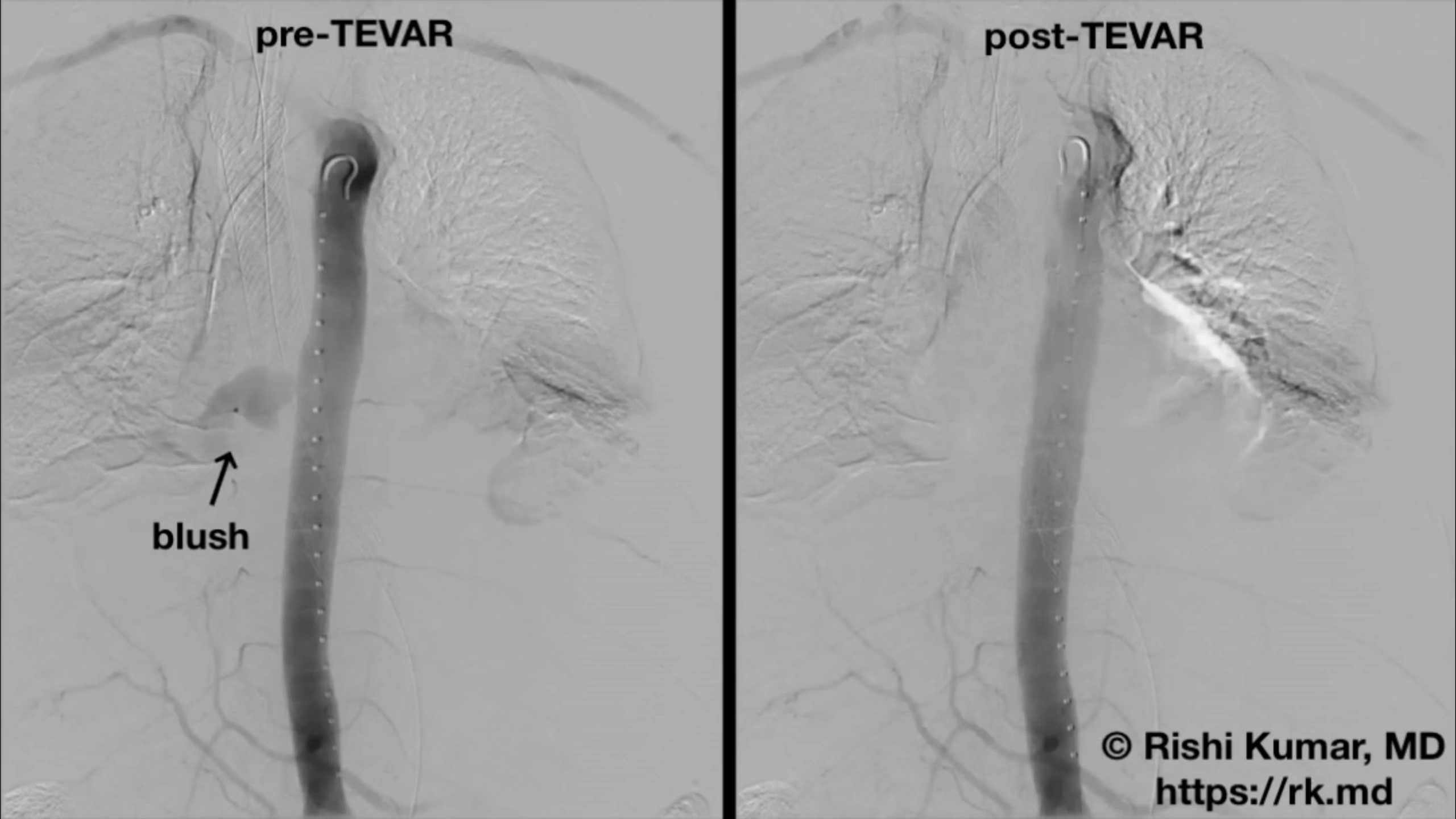
    TEVAR For Aorto-Esophageal Fistula

    Aorta-esophageal fistula is an abnormal communication between the aorta and esophagus leading to life-threatening exsanguination via the GI tract. This can be caused by procedures (e.g., weeks following cardiac arrhythmia ablation), malignancy, foreign body, aortic aneurysm, etc. Patients typically present with massive bright red GI bleeding that can be intermittent…

    Read More

  • Ocular Ultrasound For Increased Intracranial Pressure

    Ocular Ultrasound For Increased Intracranial Pressure

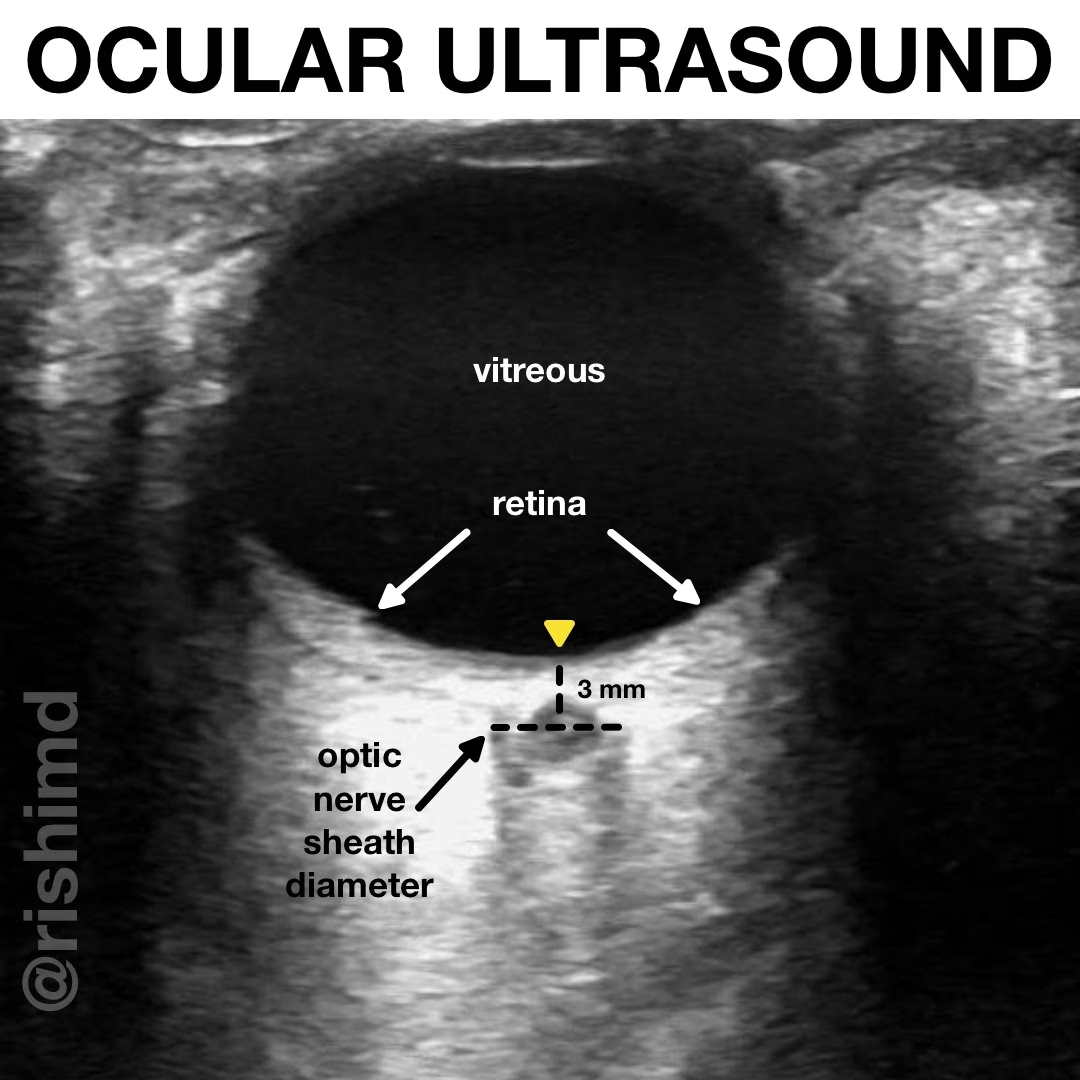
    As part of a quick point-of-care ultrasound (POCUS) examination, ocular ultrasound can help determine increased intracranial pressure (ICP), retinal detachment, lens dislocation, vitreous hemorrhage, etc. in conjunction with the patient’s history and physical exam.

    Read More

  • Anatomical Lungs Emoji