• Anatomical Heart Emoji

    Anatomical Heart Emoji

    The “anatomical heart” was approved with Unicode 13.0 in 2020 and added to Emoji 13.0 the same year. Its appearance varies based on the platform (Apple, Google, Samsung, Facebook, etc), but below, I’ve labeled the iOS version with relevant anatomy… because I got bored one morning. 🤓

    Read More

  • Breathing Patterns

    Breathing Patterns

    A patient’s breathing pattern can help guide response to therapies and diagnostics. Normal breathing is regular and comfortable at a rate of 12-20 breaths per minute (bpm).

    Read More

  • ECMO Oxygenator Clots

    ECMO Oxygenator Clots

    Virchow’s triad of stasis, vascular damage, and hypercoagulability contribute to thrombosis. Although patients on extracorporeal membrane oxygenation (ECMO) are usually on pharmacologic anticoagulation (i.e., heparin), it’s still possible to form clots in areas of sluggish flow such as Y-connectors and the membrane oxygenator.

    Read More

  • ECMO Hand Crank

    ECMO Hand Crank

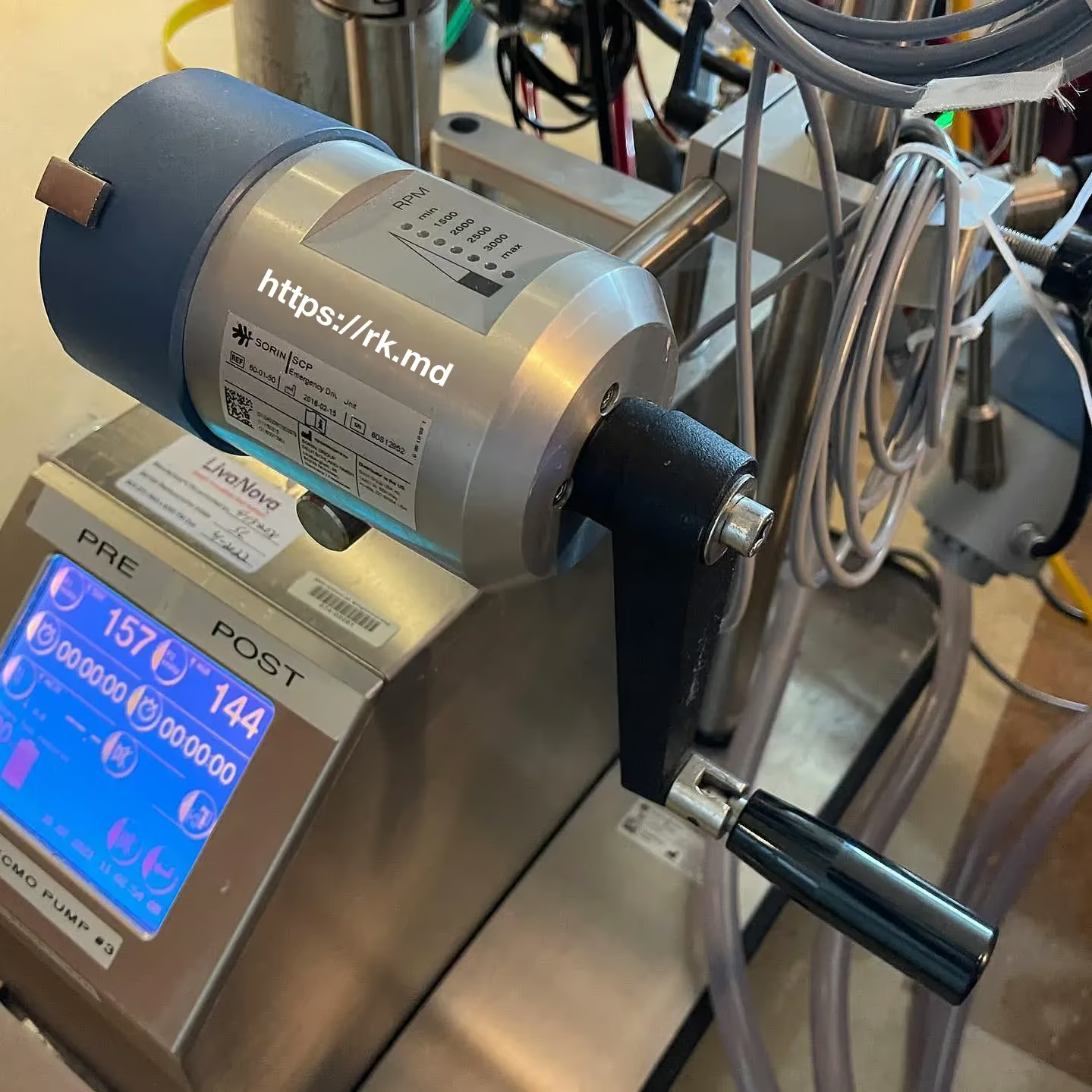
    Extracorporeal membrane oxygenation (ECMO) has a few basic parts: an inflow (“drainage”) cannula, mechanical blood pump, membrane oxygenator, heat exchanger, and an outflow (“return”) cannula. In a motor failure, pump flow can be maintained via a hand crank while troubleshooting the problem.

    Read More

  • Right Upper Lobe Bronchoscopy

    Right Upper Lobe Bronchoscopy

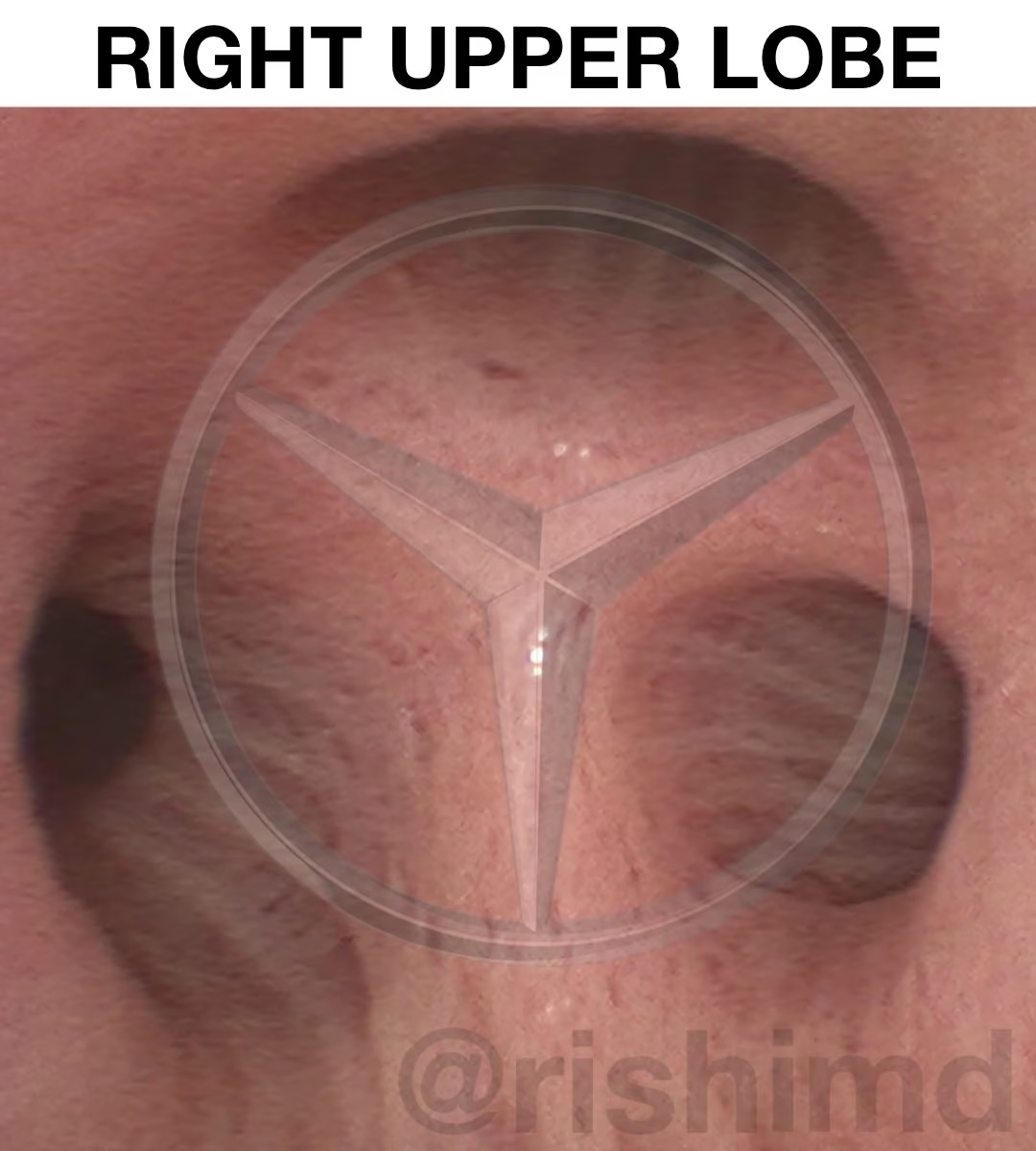
    As an intensivist and cardiothoracic anesthesiologist, bronchoscopy is an incredibly common procedure I perform in the ICU (from in front of the patient) and OR (from behind the patient). A small camera on the end of a flexible tube is sent down an indwelling endotracheal or tracheostomy tube to visualize…

    Read More

  • S1-Q3-T3 ECG Pattern

    S1-Q3-T3 ECG Pattern

    S1-Q3-T3 refers to an ECG pattern first described in the 1930s suggestive of cor pulmonale in a case series of patients with pulmonary embolism (PE). This pattern has the following findings: It’s important to remember that this pattern is NOT pathognomonic for PE. In fact, S1-Q3-T3 should be LESS associated…

    Read More

  • POCUS – IVC Versus Aorta

    POCUS – IVC Versus Aorta

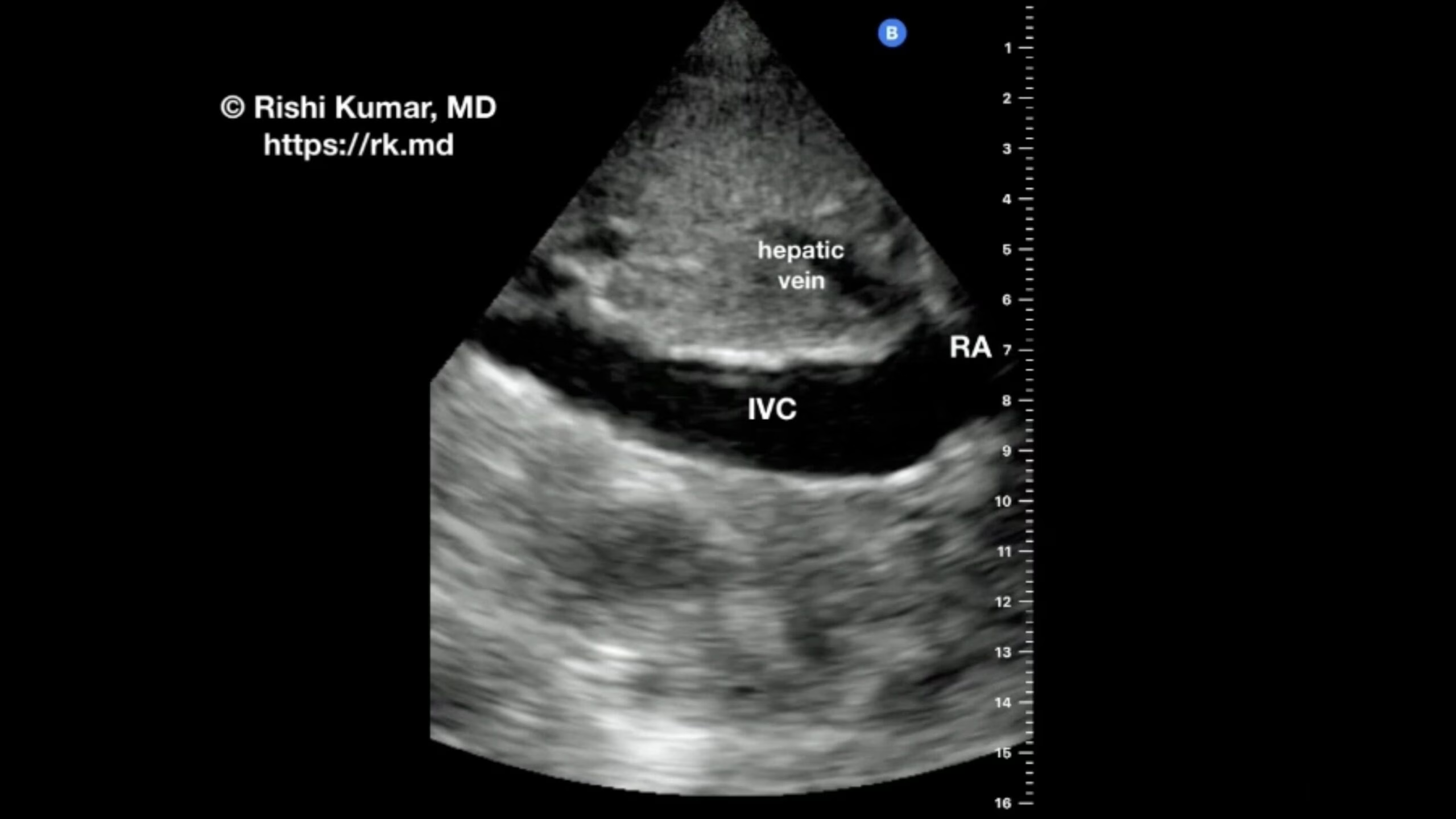
    The subcostal view of the inferior vena cava (IVC) is used to assess IVC diameter and respirophasic variation to gauge “volume status.” However, in my clinical practice, I find this technique fairly useless outside of the extremes. For example, an IVC diameter of 28 mm makes me less inclined to…

    Read More

  • Surgicel

    Surgicel

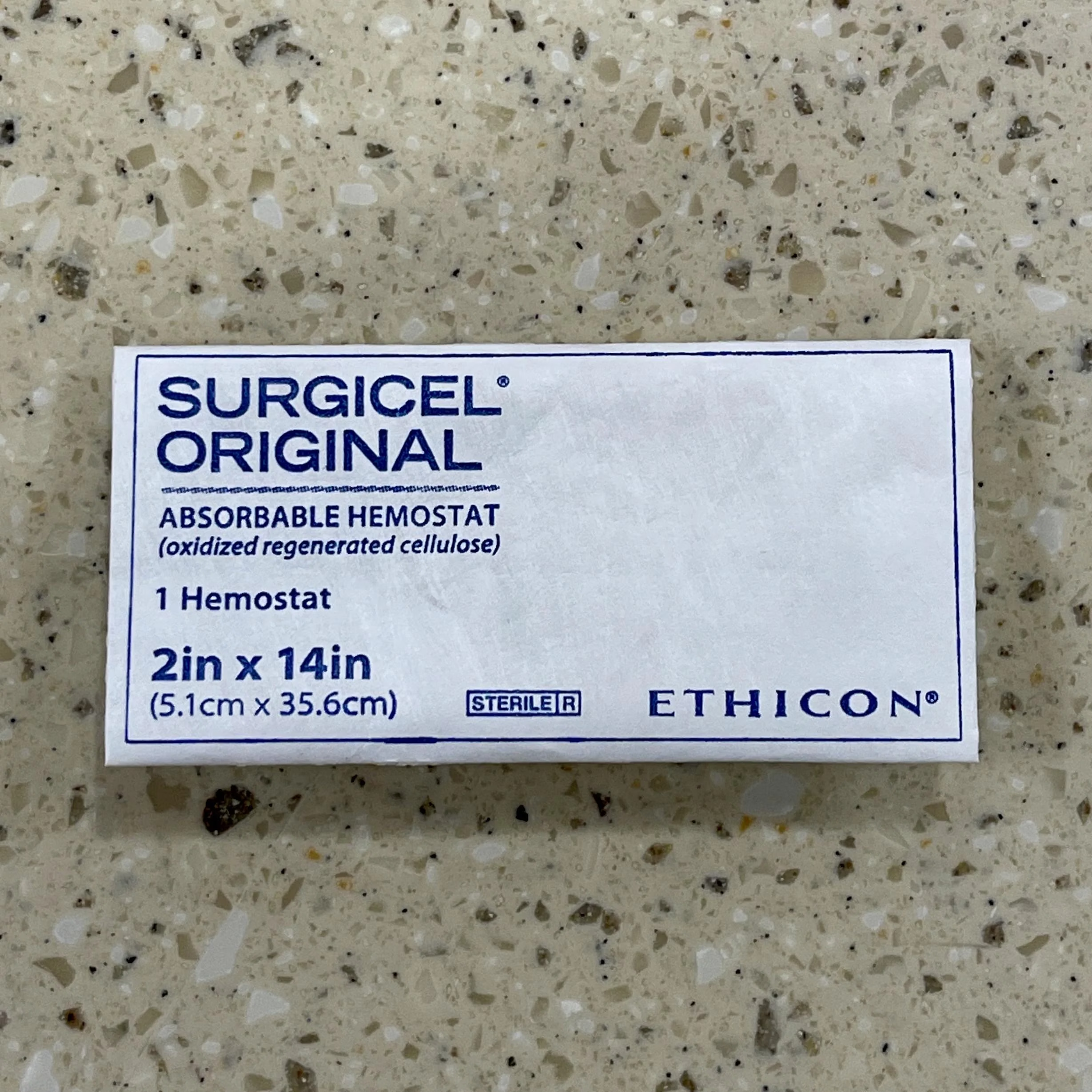
    Surgicel is an oxidized cellulose hemostatic agent used to control bleeding. It creates a physical barrier to blood loss while promoting localized vasoconstriction and platelet aggregation within the matrix of fibers. Furthermore, due to a localized drop in pH (acidosis), Surgicel provides some degree of bactericidal activity.

    Read More

  • Thermogard – Targeted Temperature Management (TTM)

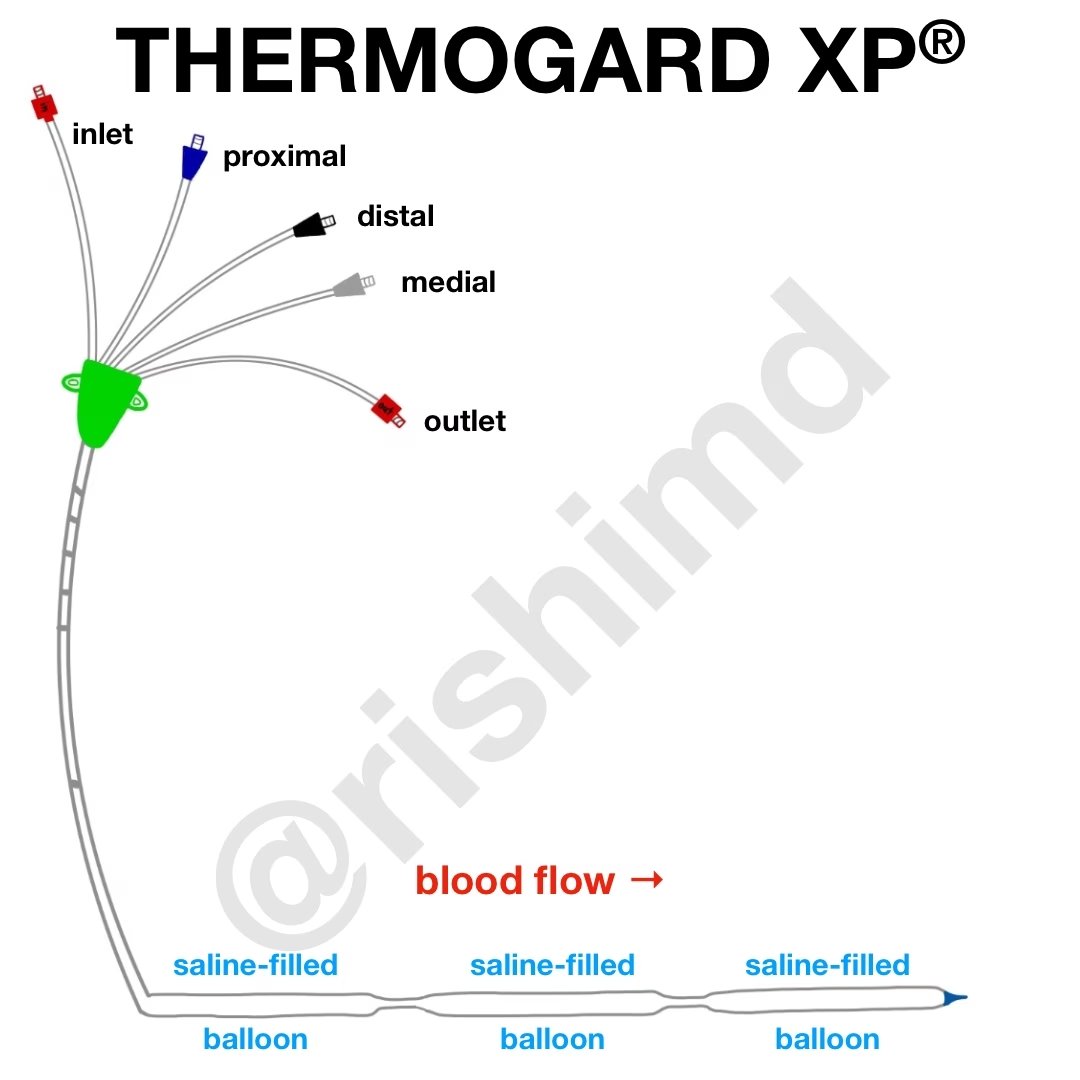
    Thermogard – Targeted Temperature Management (TTM)

    Targeted temperature management (TTM) following out-of-hospital cardiac arrest (OHCA) has been shown to confer survival and neuroprotective benefits. A 2016 review in Resuscitation found this to also apply to a wide scope of patients (unwitnessed arrest, persistent shock, non-shockable rhythms, etc.). Based on a 2013 NEJM RCT by Nielsen et…

    Read More

  • P2Y12/PRU “Plavix Effect” Assay

    P2Y12/PRU “Plavix Effect” Assay

    P2Y12 receptor inhibitors like clopidogrel (Plavix), prasugrel (Effient), and ticagrelor (Brilinta) are powerful antiplatelet agents to promote anticoagulation in patients with acute coronary syndrome, peripheral artery disease, etc. Therefore, we often stop P2Y12 inhibitors for ~5-7 days before elective surgery and use a “Plavix effect” assay (more specifically, a VerifyNow…

    Read More