• Protamine

    Protamine

    Protamine is an intravenous protein used to reverse the blood thinner heparin. This medication was initially derived from salmon sperm but is now synthesized with recombinant DNA technology. Heparin (negatively charged) forms an ionic bond with protamine (positively charged) creating inactive complexes metabolized by the reticuloendothelial system. Protamine reactions are…

    Read More

  • Needle Cricothyrotomy

    Needle Cricothyrotomy

    As an anesthesiologist and intensivist, the “can’t intubate, can’t ventilate” situation is one of my worst nightmares. Airway rescue procedures like needle cricothyrotomy are essential to know. This rescue technique can be utilized if more conventional airway techniques (e.g., mask ventilation, supraglottic airway, endotracheal intubation) fail. Remember, this is a…

    Read More

  • Antithrombin III

    Antithrombin III

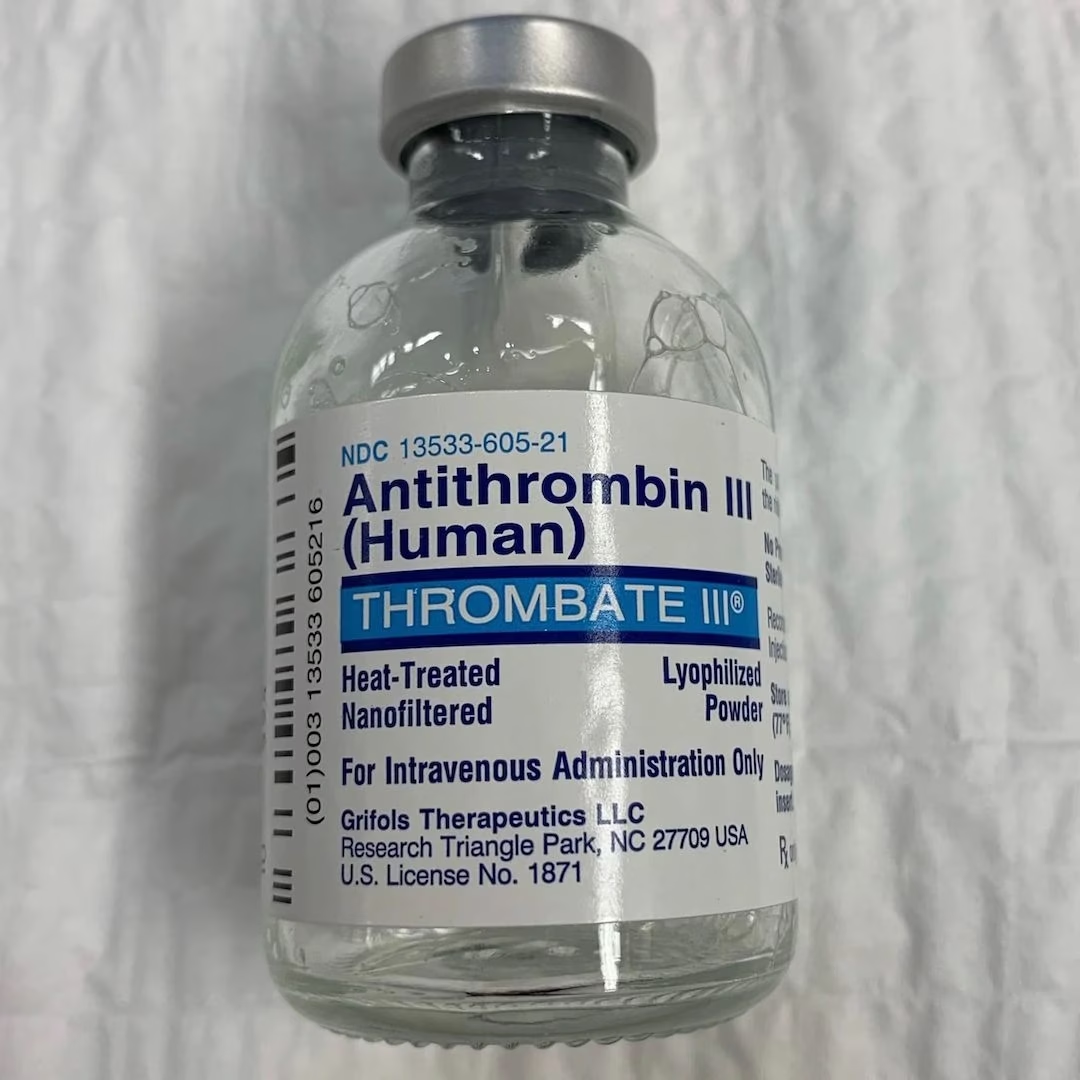
    Antithrombin III (AT) is a protease that disrupts coagulation by inactivating thrombin. Congenital AT deficiency can be a quantitative and/or qualitative issue. Fortunately, AT concentrates like Thrombate III (pooled from human plasma) can replenish deficits. As a cardiothoracic anesthesiologist, I routinely administer large amounts of heparin to potentiate AT activity.…

    Read More

  • Types Of Endoleaks

    Types Of Endoleaks

    Endovascular aneurysm repair (EVAR) offers many patients a minimally invasive option to address vascular pathologies like aortic aneurysm. By deploying a fabric-covered stent within the aneurysm, blood is rerouted through this conduit thereby excluding the aneurysm sac and preventing further dilation of the aorta. An endoleak occurs when blood flow…

    Read More

  • Subaortic Membrane

    Subaortic Membrane

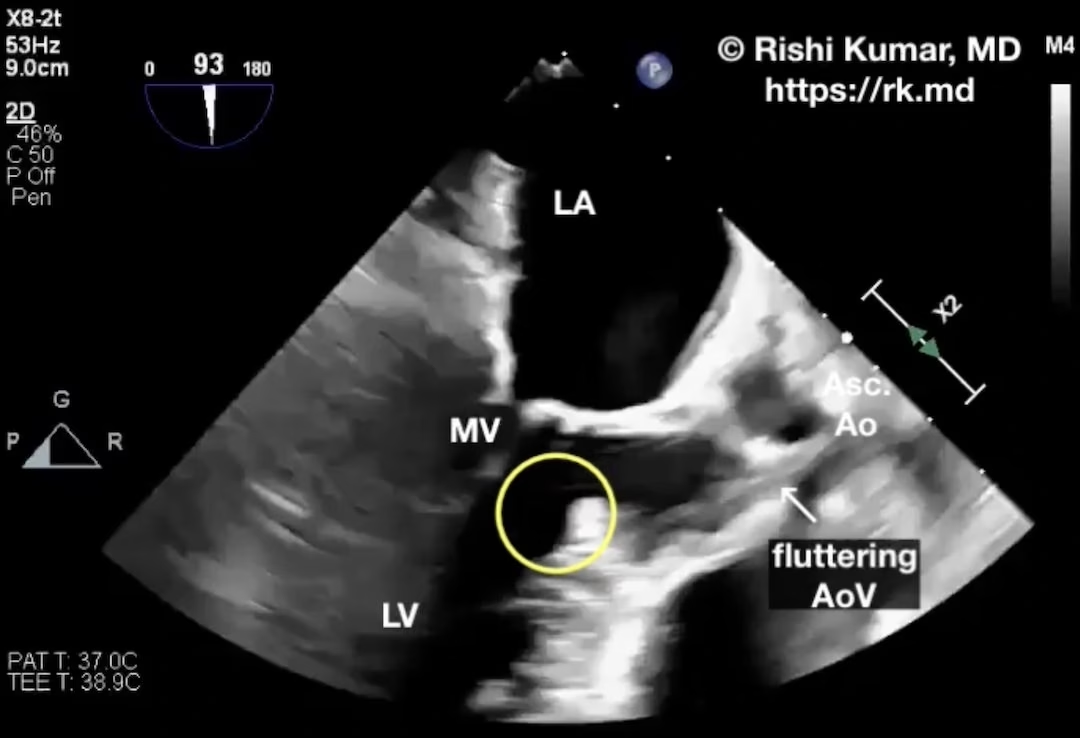
    Here’s a transesophageal echo (TEE) of a subaortic membrane (encircled in yellow) causing left ventricular outflow tract (LVOT) obstruction. Also note the fluttering of the aortic valve (AoV) leaflets during systole, turbulent flow in the LVOT, and chordal systolic anterior motion (SAM) of the mitral valve (MV). Surgeons will resect…

    Read More

  • Ogilvie’s Syndrome

    Ogilvie’s Syndrome

    Ogilvie’s syndrome is an acute, paralytic ileus of the colon without mechanical obstruction associated with massive right colon dilation. Symptoms can include abdominal distension/pain, constipation, and in more severe situations, leukocytosis with fevers. In line with Laplace’s Law (tension ~ intraluminal pressure * radius), since the cecum has the largest…

    Read More

  • Fungal Endocarditis

    Fungal Endocarditis

    Fungal endocarditis (inflammation of the heart’s inner lining) is most commonly caused by Candida species and is associated with a high mortality rate. Risk factors include long-term antibiotic therapy (especially with indwelling central lines), immunosuppression, prosthetic heart material (valves, implantable devices, etc.), and IV drug use. Like bacterial endocarditis, patients can present…

    Read More

  • Gas Flowmeters

    Gas Flowmeters

    Variable area flowmeters consist of a tapered, vertically-oriented tube with the smallest diameter at the base and largest at the top. As a result, the cross-sectional area of the tube changes based on height. In this example, a ball indicator sits at the base due to the downward force due…

    Read More

  • Hyponatremia Correction For Hyperglycemia

    Hyponatremia Correction For Hyperglycemia

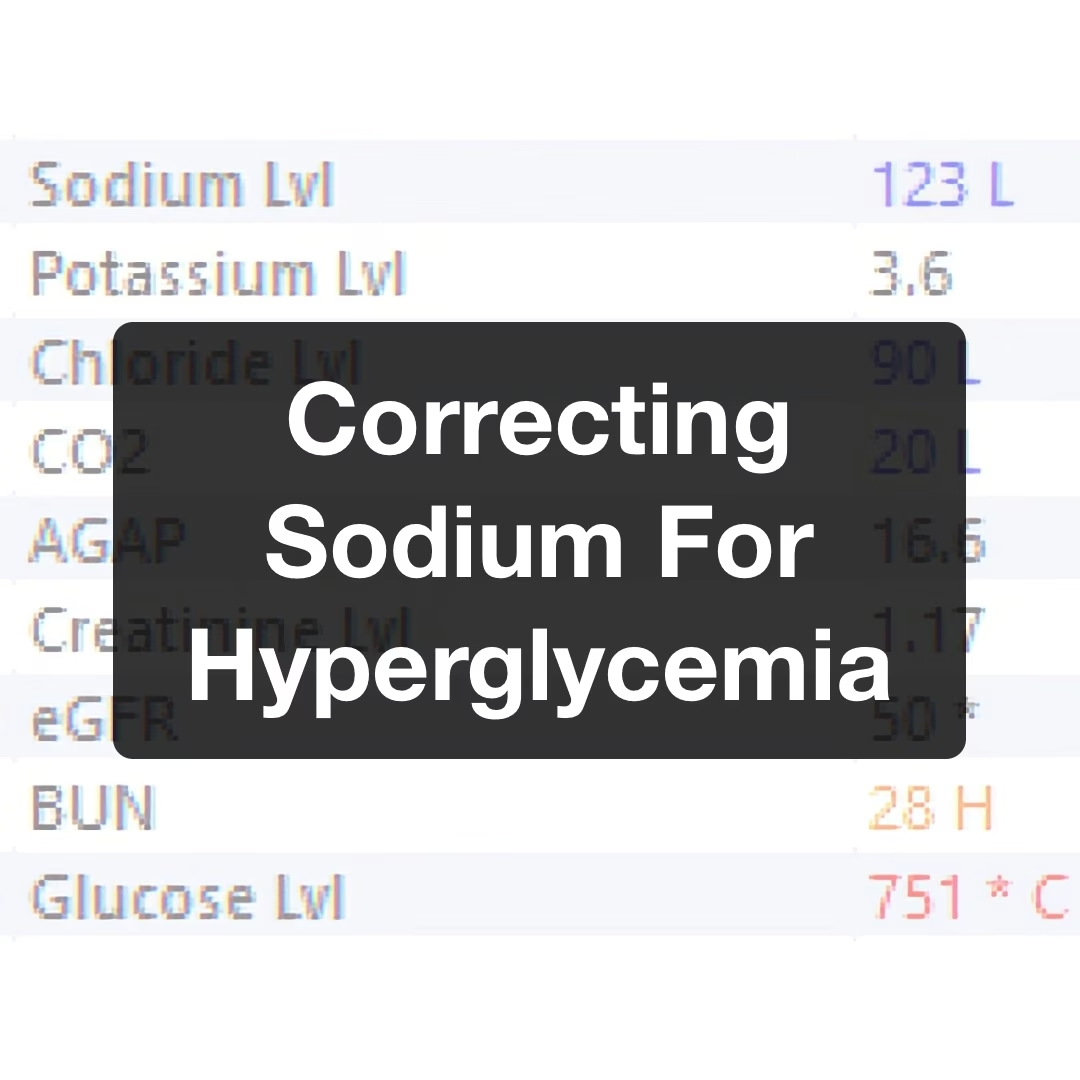
    Sodium is the primary cation (positive-charged ion) in the extracellular space. Therefore, dilutional hyponatremia can occur if free water is added to the extracellular space from fluid shifts and infusions. Let’s look at this basic metabolic profile. Glucose 751 mg/dL (critically high). Sodium 123 mEq/L (low). Hyponatremia is an expected…

    Read More

  • Olanzapine

    Olanzapine

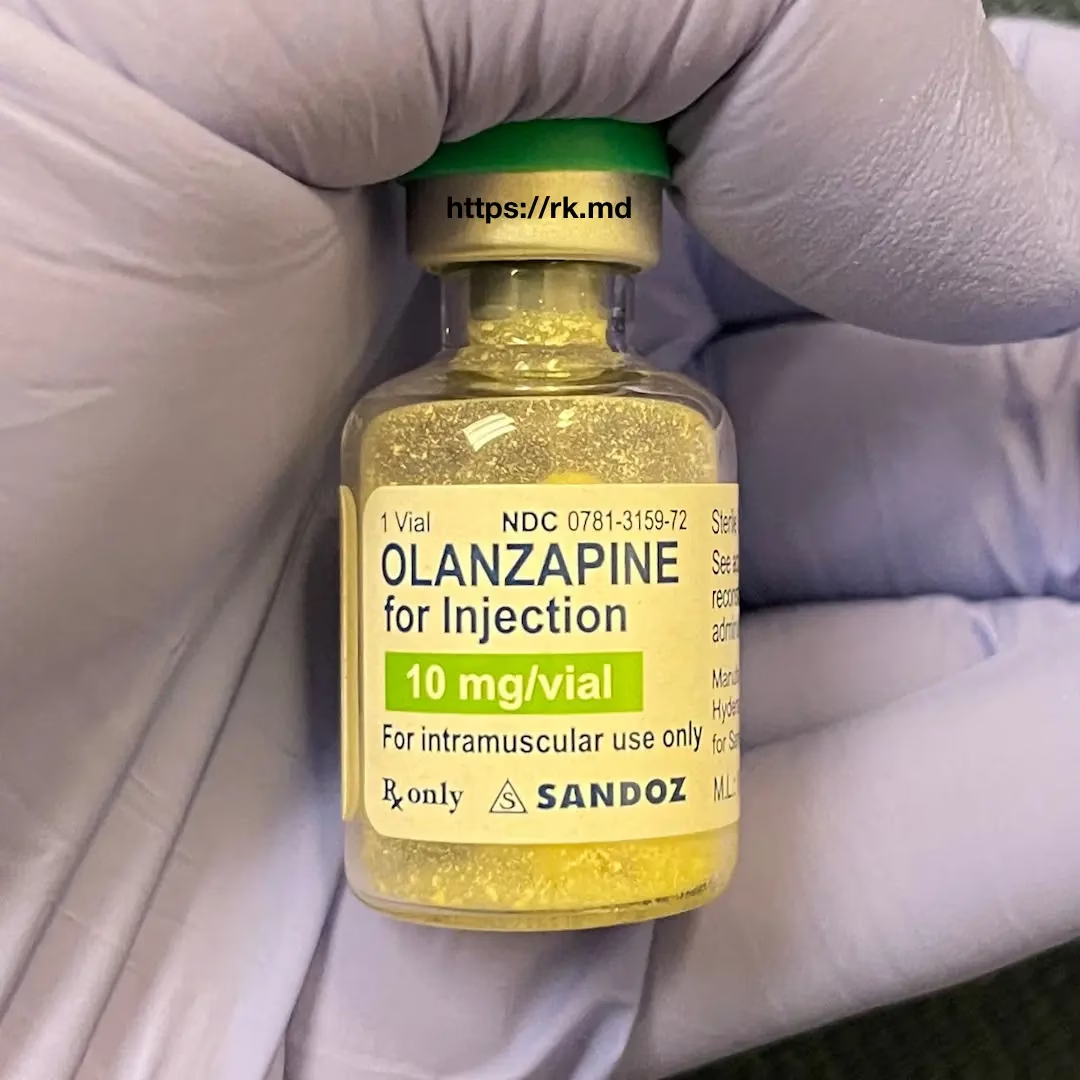
    Olanzapine (Zyprexa) is a second-generation (“atypical”) antipsychotic that can be administered as an oral disintegrating tablet (ODT) or intramuscular (IM) injection. Like most antipsychotics, olanzapine works by blocking postsynaptic dopamine (D2) and serotonin (5HT2) receptors in the central nervous system and is helpful in treating schizophrenia and bipolar disorder. Common…

    Read More