• May-Thurner Syndrome

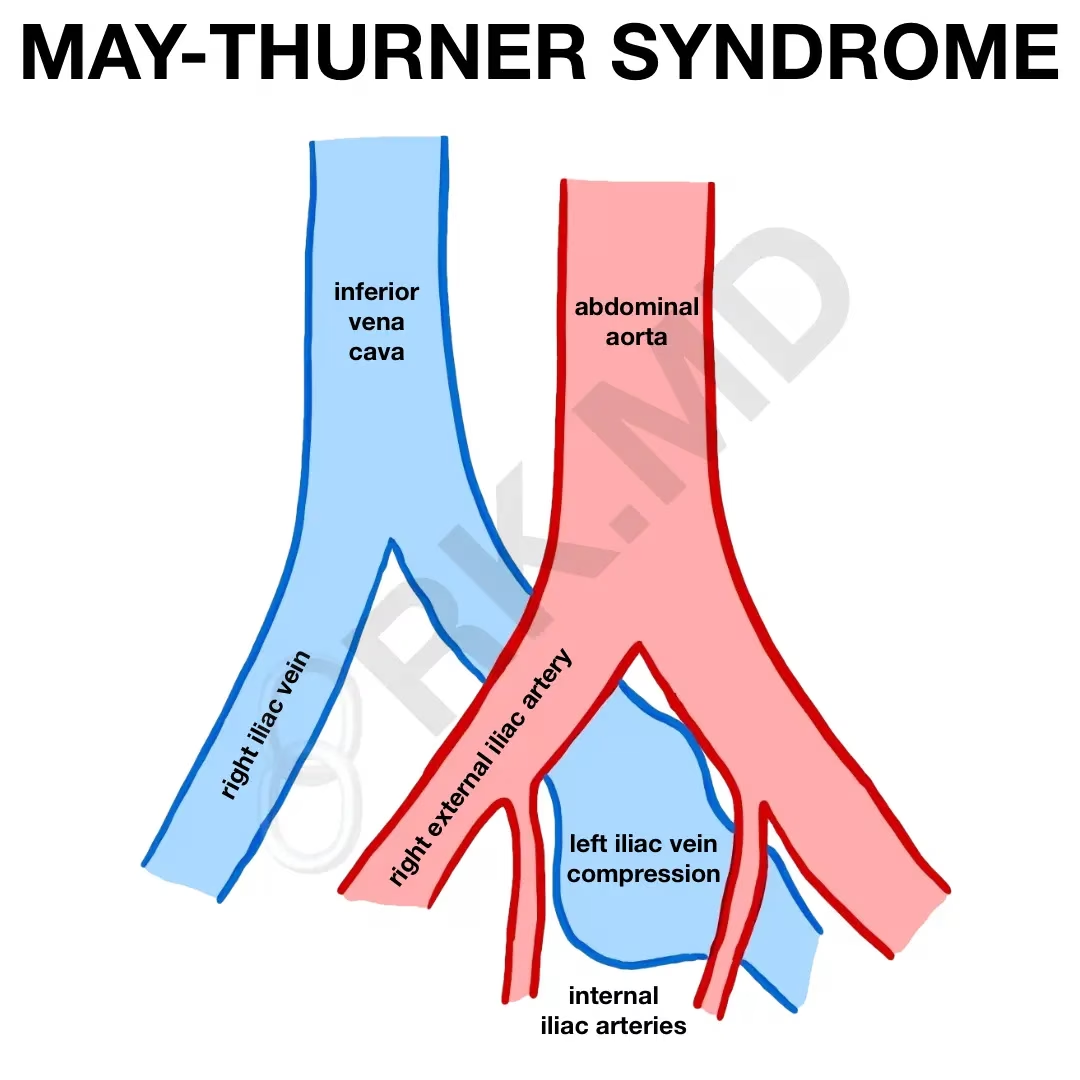
    May-Thurner Syndrome

    May-Thurner syndrome (MTS) involves iliocaval venous compression most often attributed to compression of the left iliac vein between the lumbar vertebrae posteriorly and the right common iliac artery anteriorly. This, in turn, causes venous hypertension and stasis in the left leg. Risk factors include scoliosis (more accentuated compression of the…
    Read More

  • RA/CVP Waveform Interpretation

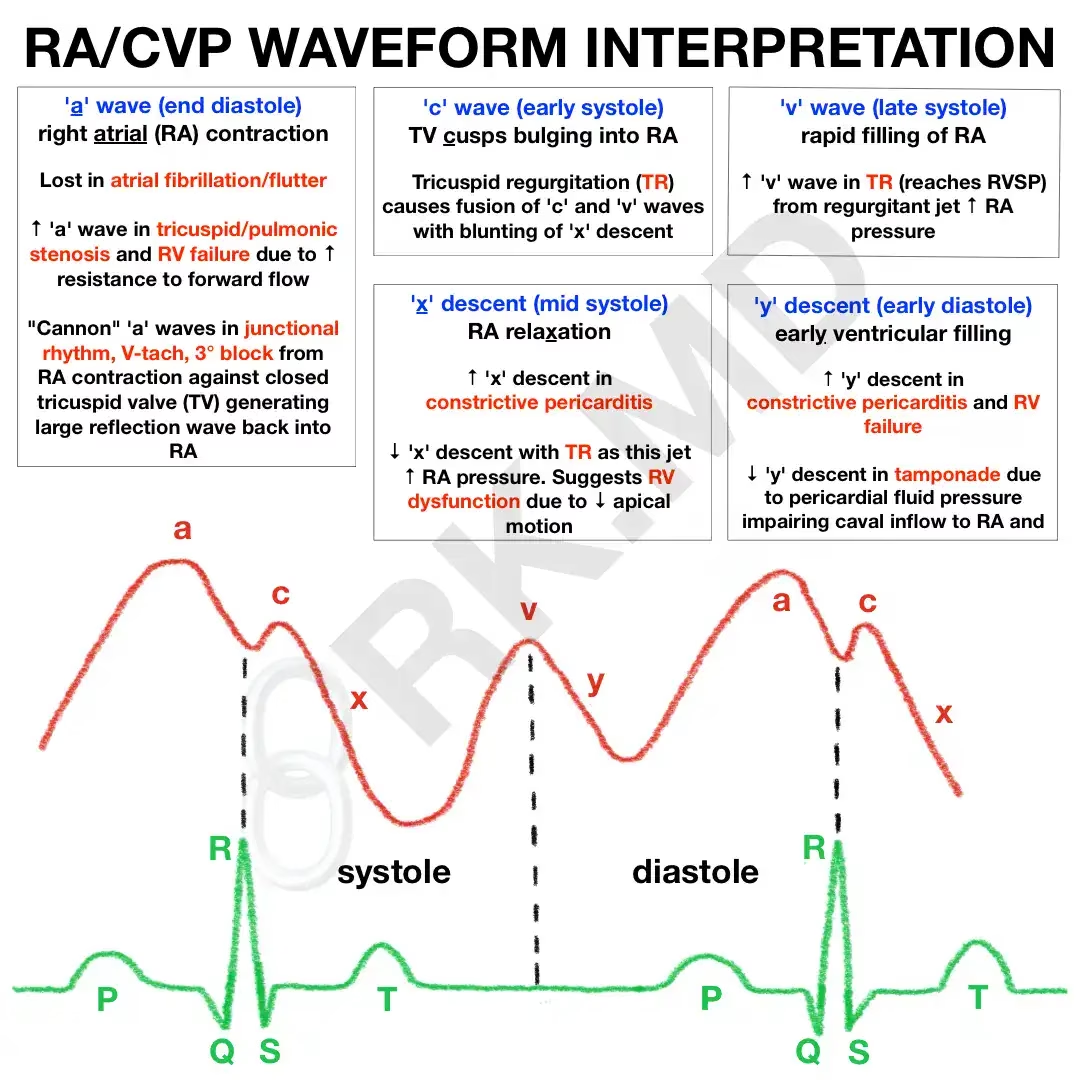
    RA/CVP Waveform Interpretation

    Central venous pressure (CVP) or right atrial pressure (RAP) waveform tracings can oftentimes provide useful insight into a patient’s right ventricle (RV), tricuspid valve (TV), and overall cardiopulmonary status. The waveform morphology is easier to identify at slower heart rates and consists of three waves and two descents:

    Read More

  • Midodrine

    Midodrine

    Midodrine (ProAmantine) is an oral and intravenous prodrug. Its active metabolite, desglymidodrine, activates α-1 receptors to produce vaso and venoconstriction with resulting increase in blood pressure (BP). This medication has excellent oral bioavailability and is FDA approved for the treatment of symptomatic orthostatic hypotension. Since midodrine increases BP, it makes…

    Read More

  • Inari FlowTriever

    Inari FlowTriever

    Pulmonary embolism (PE) refers to an obstruction of the pulmonary arterial system and is the third leading cause of cardiovascular death. Patients can present with nonspecific findings; however, resulting pulmonary infarction, impaired gas exchange, and right ventricular failure can lead to rapid decompensation.

    Read More

  • What’s An Incentive Spirometer?

    What’s An Incentive Spirometer?

    After any general anesthetic (specifically those provided for surgeries in the thoracic or upper abdominal compartments), physical activity and nutrition are crucial to promote recovery. In the ICU in particular, many patients receive incentive spirometers (IS) to facilitate “pulmonary hygiene” – a series of interventions to exercise the lungs, decrease…

    Read More

  • Desmopressin (DDAVP)

    Desmopressin (DDAVP)

    Desmopressin (DDAVP, antidiuretic hormone) is a synthetic analog of vasopressin that can be administered IV, IM, subQ, and orally. Compared to vasopressin (generally regarded as a potent vasoconstrictor), DDAVP has less efficacy as a pressor, a longer duration, and is a much more potent antidiuretic (hence its use for bedwetting)…

    Read More

  • Univent Endotracheal Tube (ETT)

    Univent Endotracheal Tube (ETT)

    Although double-lumen endotracheal tubes (ETTs) remain the gold standard for lung isolation for lateralized pulmonary hemorrhage/infection, massive bronchopleural fistulas, or facilitating certain surgeries, my trainees need to understand ALL the available options they have when it comes to airway management.

    Read More

  • GI Bleeding With LVADs

    GI Bleeding With LVADs

    Left ventricular assist devices (LVADs) are gaining more traction in treatment-refractory heart failure primarily as a bridge-to-transplantation or destination therapy. Unfortunately, these patients frequently develop gastrointestinal (GI) bleeds requiring transfusion and endoscopic interventions. But why?

    Read More

  • Christmas Disease

    Christmas Disease

    Factor IX deficiency (hemophilia B) was first described in the 1950s by British doctors caring for a young boy. That child, who later went on to have a disease and clotting factor named in his honor, was Stephen Christmas.

    Read More

  • How Do Steroids Cause Immunosuppression?

    How Do Steroids Cause Immunosuppression?

    Glucocorticoids (GCs, “steroids”) are routinely used to induce immunosuppression in patients who have received transplants or have autoimmune diseases. However, we often see an increase in the measured white blood cell (WBC) count after steroid administration. Let’s explore this further.

    Read More