• Screening For Abdominal Aortic Aneurysm (AAA)

    Screening For Abdominal Aortic Aneurysm (AAA)

    As a cardiac anesthesiologist, I’ve been involved in my fair share of open and endovascular abdominal aortic aneurysm (AAA) repairs. Although sometimes these are more emergent, contained ruptures, the majority of AAA repairs are electively performed for a progressive enlargement of an aneurysm. The magic number to intervene is usually…

    Read More

  • Automatic Tube Compensation (ATC)

    Automatic Tube Compensation (ATC)

    Daily spontaneous breathing trials (SBT) for patients receiving mechanical ventilation are considered standard-of-care across intensive care units (ICUs); however, when we discuss weaning strategies, there’s a bit more variability. Many intensivists opt for putting the patient on “minimals”: 5 cm H2O of inspiratory pressure support (PS) on top of 5…

    Read More

  • LMA Supreme

    LMA Supreme

    I don’t consider myself fashionable or “brand aware” by any means, but I do get a chuckle every time I reach for a particular laryngeal mask airway (LMA) – the LMA Supreme™. Makes me feel a little bougie. ;-)

    Read More

  • Lung Isolation With A Fogarty Balloon Catheter

    Lung Isolation With A Fogarty Balloon Catheter

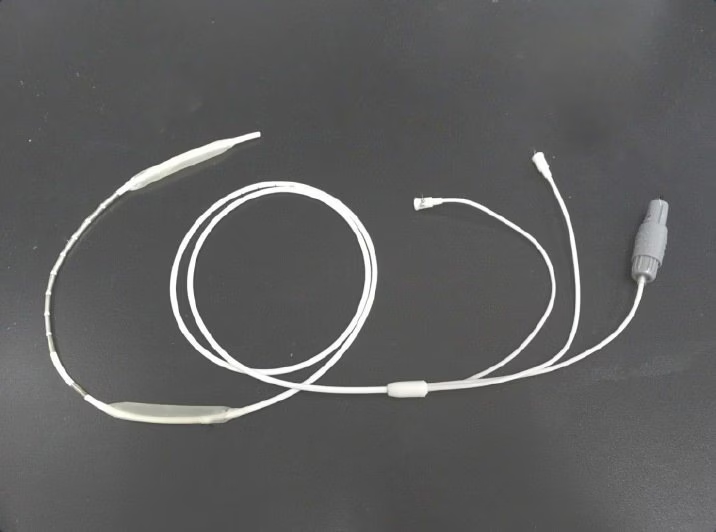
    Independently controlling ventilation to each lung requires some form of lung isolation. This technique is a pivotal part of managing thoracic trauma and facilitating surgery in the chest (VATS, thoracoabdominal aneurysm repairs, esophagectomies, etc). Although a double lumen endotracheal tube (DL ETT) is considered the “gold standard”, bronchial blockers can…

    Read More

  • Anesthetic Considerations For Cardiac Compression And Tamponade

    Anesthetic Considerations For Cardiac Compression And Tamponade

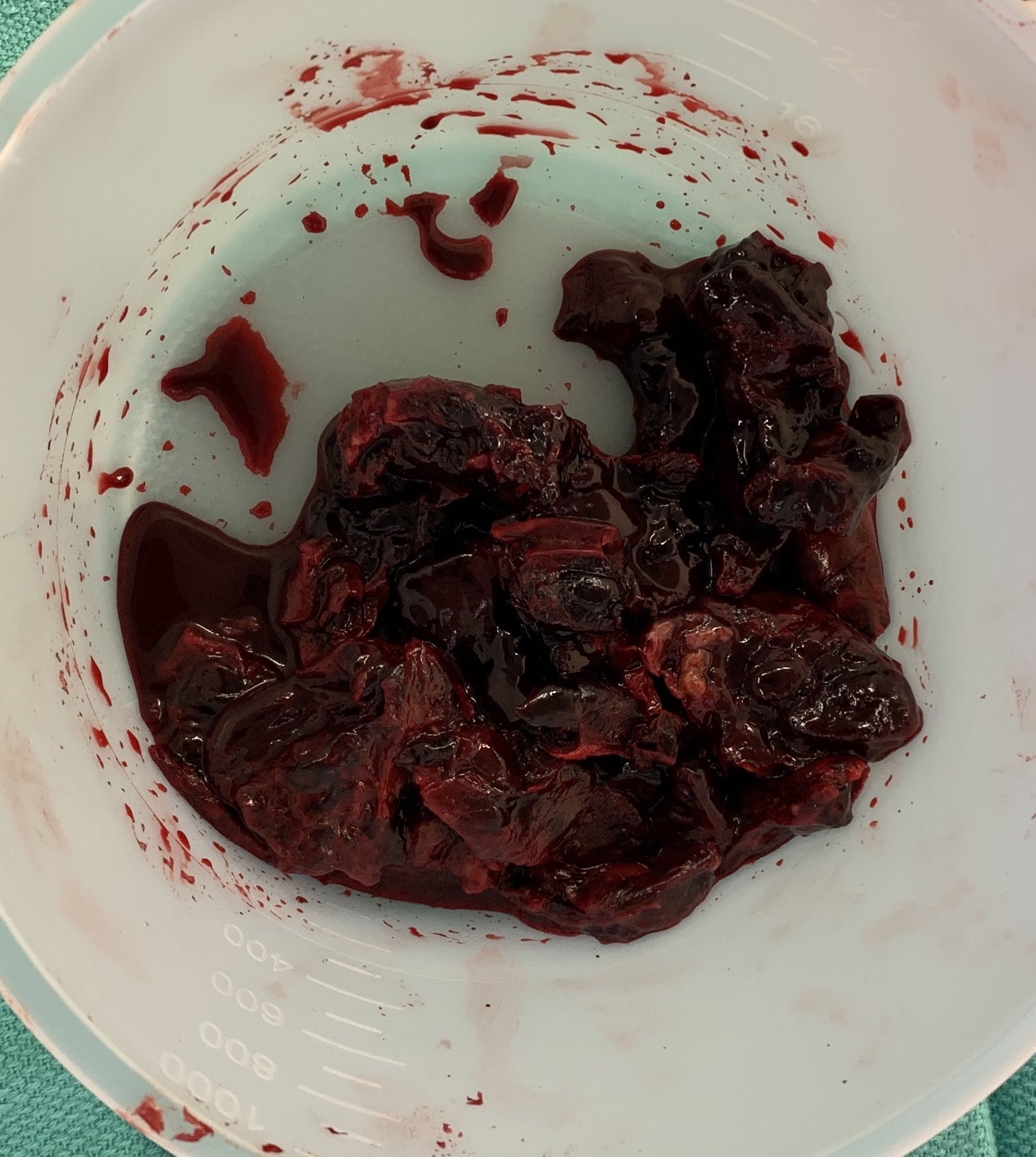
    Over the course of my training as a cardiac anesthesiologist and intensivist, I’ve come across many manifestations of cardiac compression ranging from hemorrhagic pericardial effusions to massive clots. Although the general teaching is to keep these patients “fast, full, and forward” by increasing the heart rate and intravascular volume status,…

    Read More

  • Basics Of Mechanical Ventilation

    Basics Of Mechanical Ventilation

    Understanding mechanical ventilation is a fundamental part of intensive care and perioperative medicine. Here’s an overview of the basics. Keep in mind that clinically, there are many more things to consider, exceptions to rules, hybrid ventilator modes, and other strategies that I will not cover for the sake of maintaining…

    Read More

  • Nitric Oxide

    Nitric Oxide

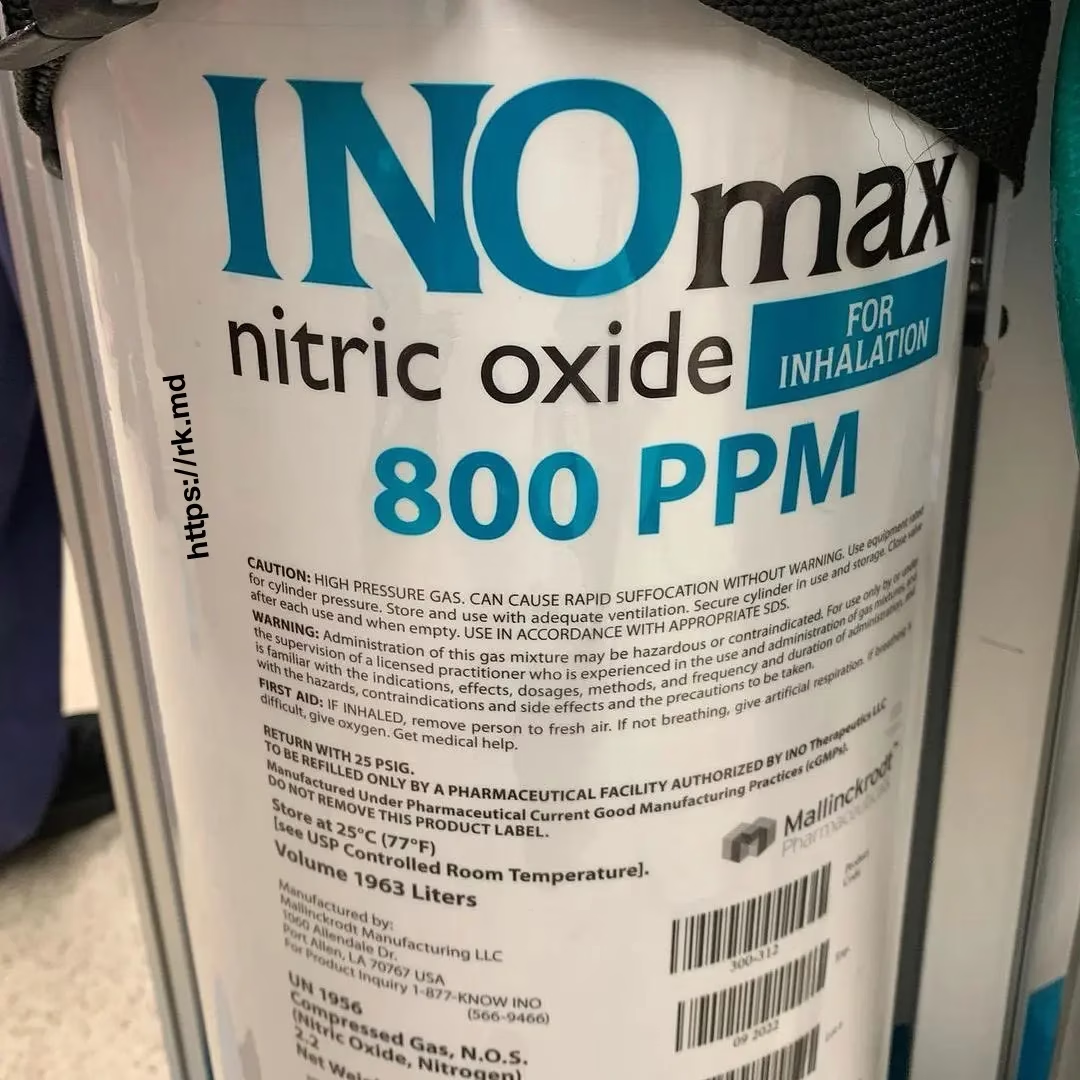
    Nitric oxide is a molecule normally made by vascular endothelial cells to decrease vascular resistance in both the systemic and pulmonary circulations. Inhaled nitric oxide (iNO) is an (expensive) pulmonary dilator I frequently use in the OR and ICU settings for patients with acute right heart failure, refractory hypoxemia, pulmonary…

    Read More

  • How Much PEEP?

    How Much PEEP?

    Positive end-expiratory pressure (PEEP) is routinely utilized during mechanical ventilation to improve alveolar recruitment and combat cyclic trauma from repeated deflation/expansion of the alveolar unit which can lead to stimulate the inflammatory cascade (“atelectrauma”). As a cardiac anesthesiologist, most of my patients’ respiratory mechanics are affected during and immediately after…

    Read More

  • Autologous Blood Donation And Platelet Rich Plasma

    Autologous Blood Donation And Platelet Rich Plasma

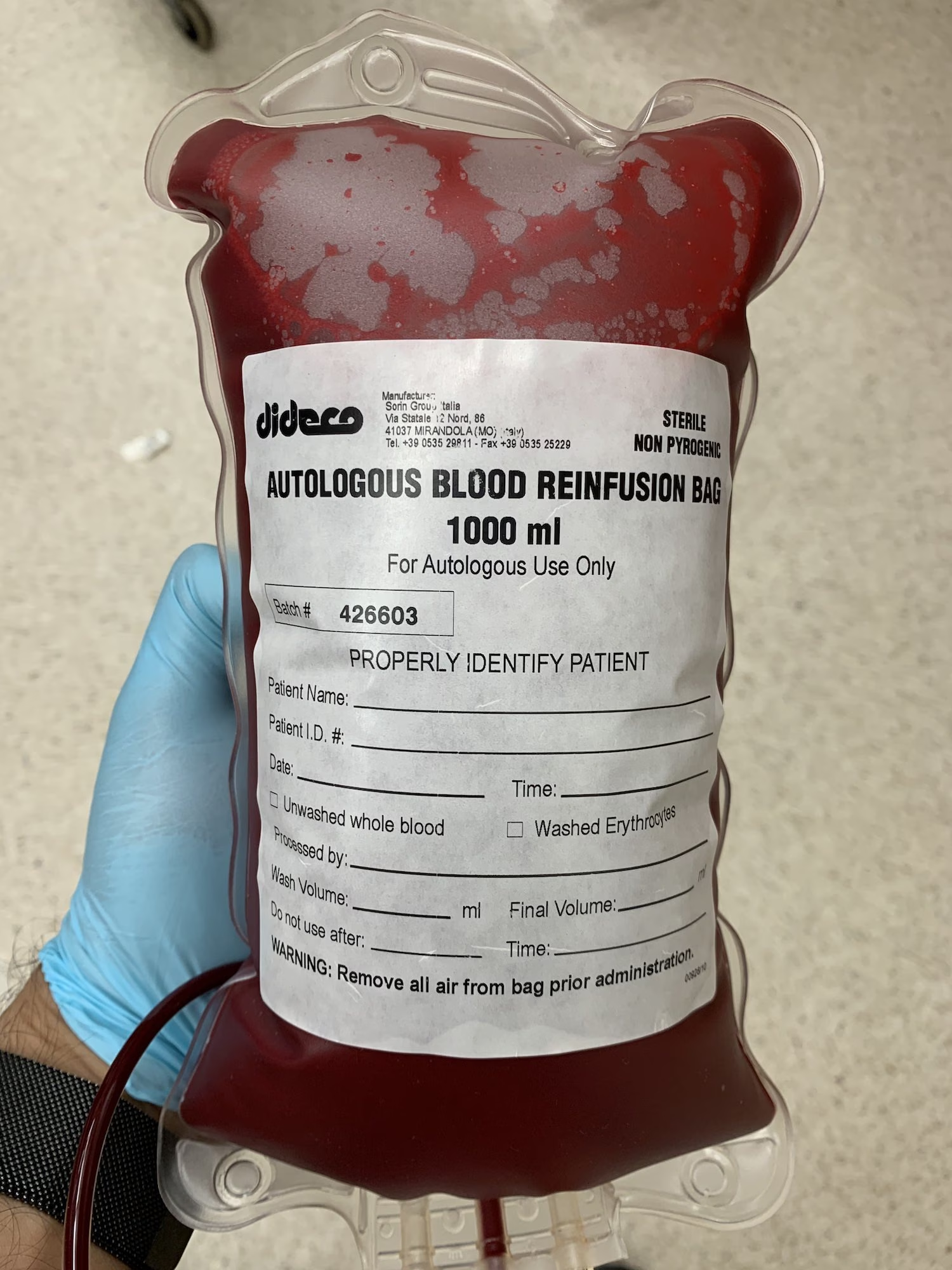
    Blood conservation strategies are routinely employed in cardiac surgery to minimize the overall need for transfusions. Techniques such as Cell Saver, retrograde autologous priming (RAP) of the cardiopulmonary bypass (CPB) circuit, utilizing CPB tubing that requires less priming, and intraoperative autologous blood donation (IAD) with the isolation of platelet-rich plasma…

    Read More

  • Cardiac Output: Fick And Thermodilution

    Cardiac Output: Fick And Thermodilution

    Systemic cardiac output (CO) is the product of left ventricular stroke volume and the heart rate (CO = SV x HR). I see CO measured with thermodilution (Td) and the Fick equation… two techniques which often give very different values. In the Td technique, cold saline of a known volume…

    Read More