• “Low Flow” Desflurane Anesthesia

    “Low Flow” Desflurane Anesthesia

    Whenever I’m administering a general anesthetic utilizing inhalational agents with the intention of extubating my patient at the end of the case, I almost always use a low fresh gas flow (FGF) technique with desflurane.
    Read More

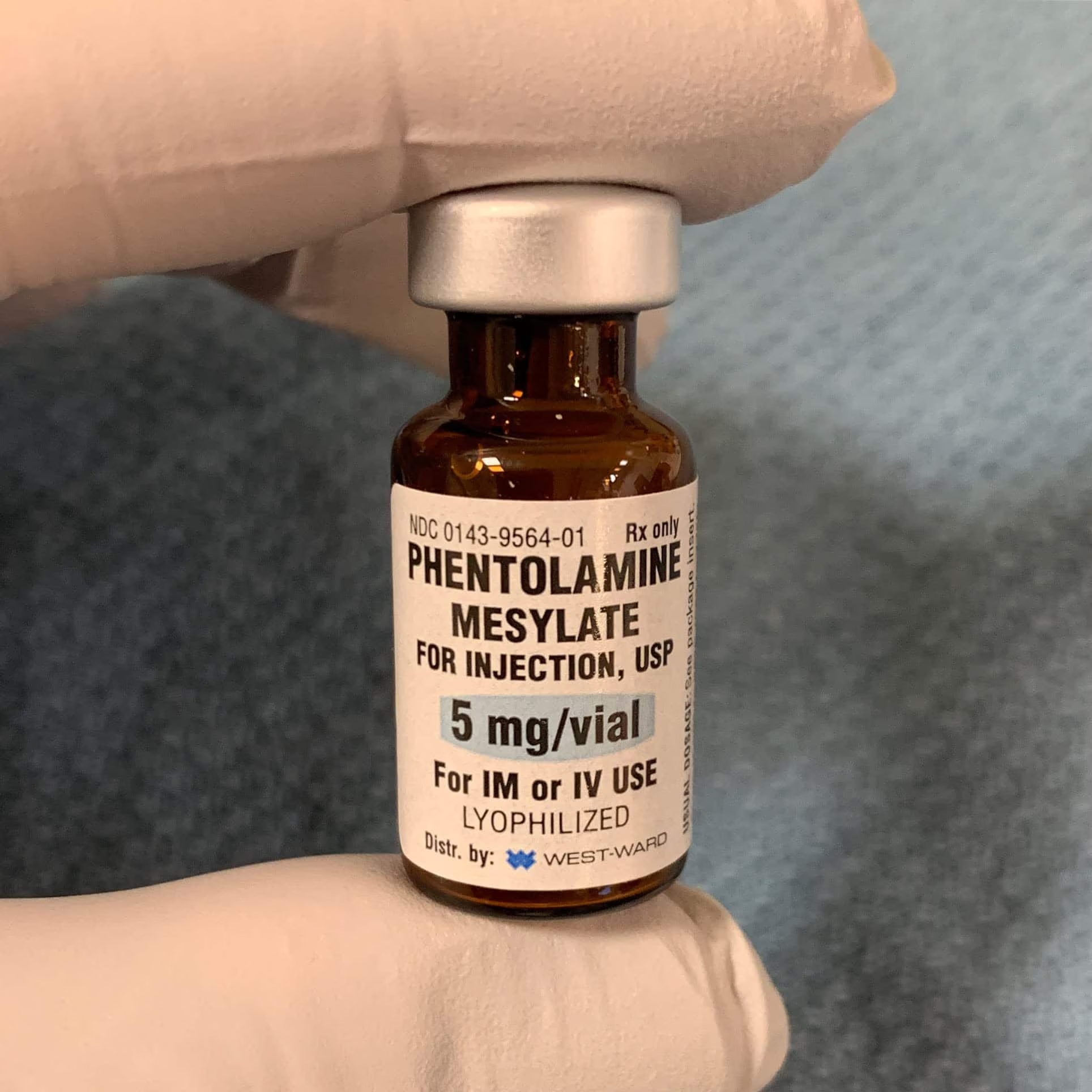
  • Phentolamine

    Phentolamine

    Phentolamine (Regitine) is a reversible α-1 and α-2 blocker used primarily for its vasodilatory effects. When used to control hypertension, one must consider the autonomic effects of blocking these receptors.

    Read More

  • Sodium Nitroprusside

    Sodium Nitroprusside

    Sodium nitroprusside (SNP, Nipride/Nitropress) is a short-acting, intravenous antihypertensive that directly acts on venous AND arteriolar smooth muscle to cause vasodilation decreasing preload, afterload, and left ventricular (LV) impedance. As an intensivist and cardiac anesthesiologist, I like to separate venodilation from vasodilation with separate agents, so I don’t use nitroprusside…

    Read More

  • Alteplase

    Alteplase

    Alteplase (recombinant tissue plasminogen activator, tPA) is a potent intravenous fibrinolytic (“clot buster”) used for everything from acute ischemic strokes and clearing central line ports (“Cathflo”, a total life saver!) to hemodynamically unstable pulmonary embolism (PE) and even ST elevation myocardial infarctions (STEMIs – “heart attacks”).

    Read More

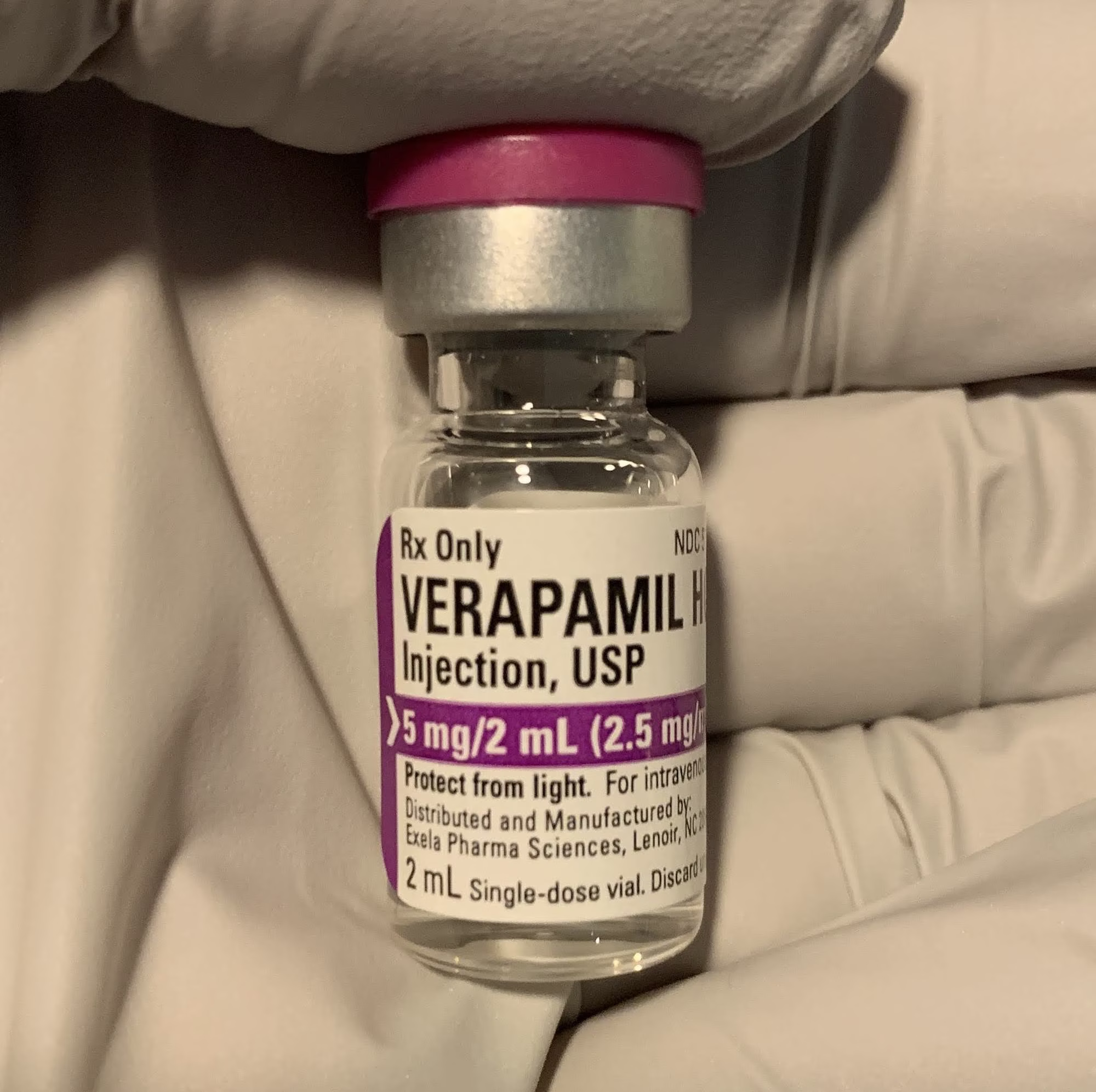
  • Verapamil

    Verapamil

    Verapamil (Calan/Verelan) is an oral and intravenous non-dihydropyridine calcium channel blocker (CCB) which is more selective for L-type calcium channels on cardiac muscle than vascular smooth muscle. In comparison, dihydropyridine CCBs like nicardipine and clevedipine cause more vasodilation.

    Read More

  • Ciprofloxacin

    Ciprofloxacin

    Ciprofloxacin (Cipro) is a relatively inexpensive intravenous, oral, and topical fluoroquinolone antibiotic used to treat a myriad of conditions ranging from complicated urinary tract infections (UTIs) and infectious diarrhea to intraabdominal infections and even the plague and inhalational anthrax post-exposure. This class of bactericidal medications works by inhibiting DNA gyrase…

    Read More

  • Vancomycin

    Vancomycin

    Vancomycin (Vancocin) is a glycopeptide antibiotic primarily used to treat methicillin-resistant Staphylococcus aureus (MRSA) and Clostridium difficile (“C.diff”) colitis with the intravenous and oral forms, respectively. In general, it’s used for “gram positive coverage” (Enterococcus, Staph, etc.). Remember that vancomycin is NOT appropriate therapy for methicillin SENSITIVE Staph (consider oxacillin…

    Read More

  • Albuterol

    Albuterol

    Albuterol (ProAirVentolin/Proventil) is most often used as a short-acting, inhaled therapy for bronchospasm. It works via β-2 agonism – adrenergic receptors that relax bronchial smooth muscle through cyclic AMP-mediated signaling. Levoalbuterol (Xopenex) is the active enantiomer of albuterol and confers better β-2 selectivity to avoid β-1 effects like tachycardia.

    Read More

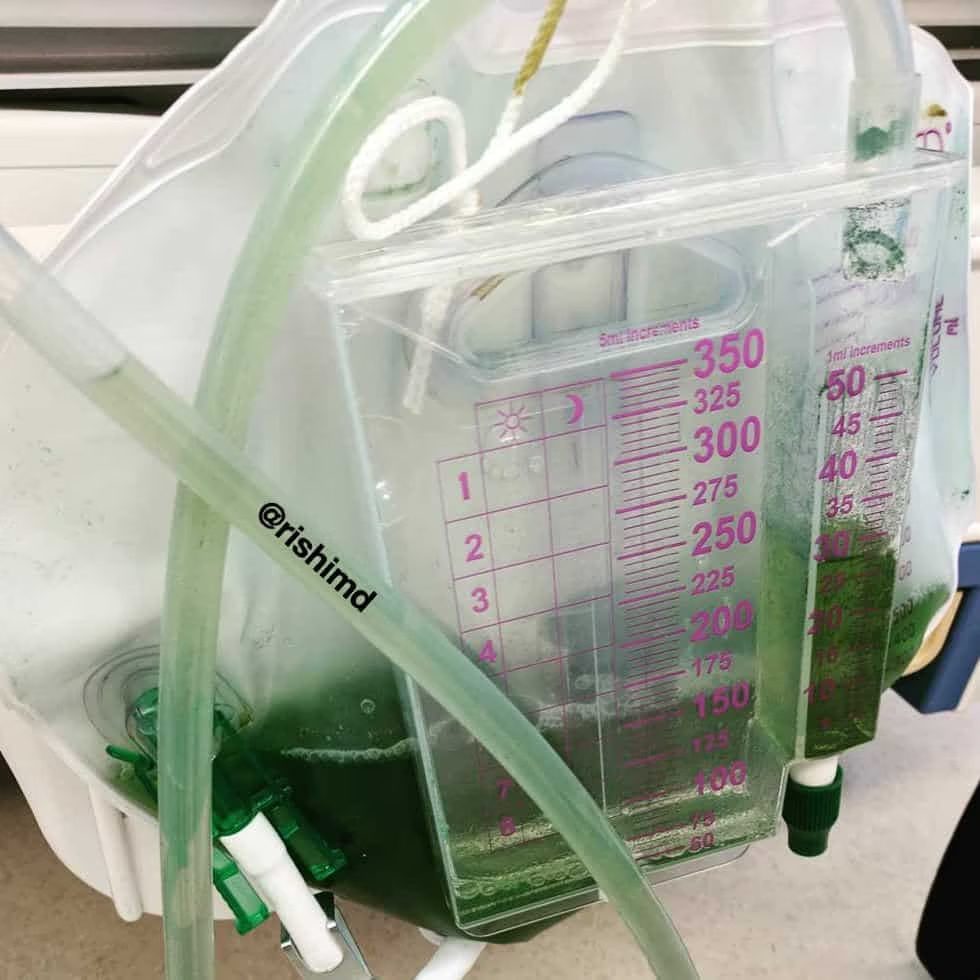
  • Green Urine Discoloration

    Green Urine Discoloration

    Urine color is often under-appreciated in working up a patient’s clinical status (especially in the ICU and OR). “Highlighter” yellow urine is often seen in patients on B vitamin complexes (it’s a water-soluble vitamin, and your body doesn’t need 1,000% of the daily requirement, lol), red/brown urine can be related…

    Read More

  • Critical Care Ultrasound Notes – CCEeXAM Preparation

    Critical Care Ultrasound Notes – CCEeXAM Preparation

    My critical care ultrasound exam is scheduled for tomorrow. This is the first time this exam has been offered, so there is no established consensus on how to prepare for it. That being said, I’ve reviewed relevant chapters from Perrino’s A Practical Approach to Transesophageal Echocardiography and consulted Society of…

    Read More