• Dantrolene

    Dantrolene

    Dantrolene (RYANODEX) is an intravenous nanosuspension of dantrolene sodium used as a prophylactic and therapeutic agent to treat malignant hyperthermia (MH) – a life-threatening condition triggered by succinylcholine and halogenated volatile anesthetic gases creating sustained skeletal muscle contraction due to a defect in the release/reuptake of calcium. Dantrolene works by…
    Read More

  • Ceftriaxone

    Ceftriaxone

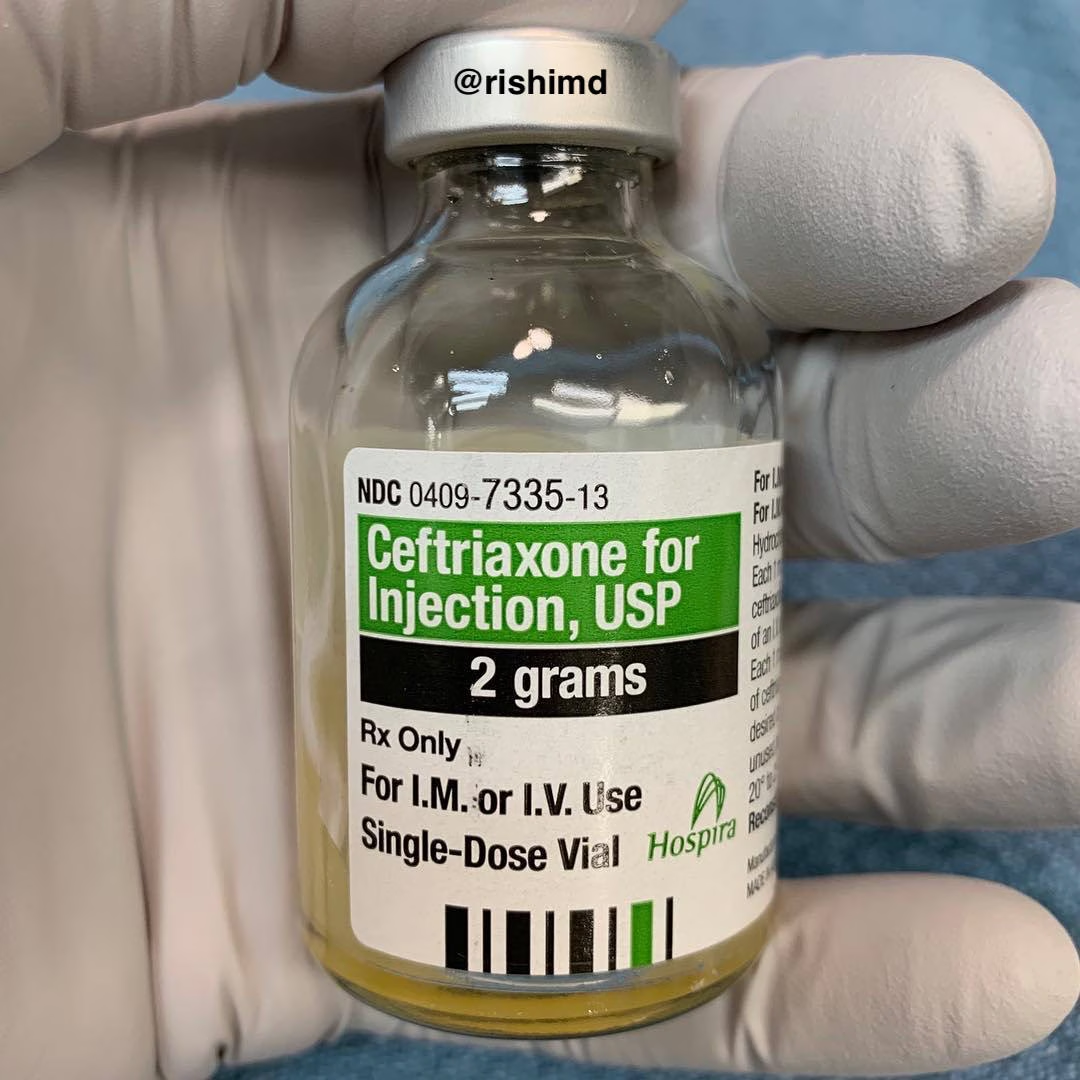
    Ceftriaxone (Rocephin) is an intravenous/intramuscular third generation cephalosporin that provides decent aerobic gram positive coverage (ie, pneumococcus although bacterial resistance is growing) but wonderful gram negative coverage against organisms like E. coli, Klebsiella, H. flu, and Proteus. Anaerobic bacteria and Pseudomonas are NOT covered by ceftriaxone.

    Read More

  • Bovine Aortic Arch

    Bovine Aortic Arch

    Over a dozen different aortic arch great vessel configurations have been described in humans. I’ve illustrated the two most common types in this diagram. The “normal” aortic arch gives rise to three “great vessels.” From proximal to distal, these arteries are the innominate (which, in turn, gives rise to the…

    Read More

  • Levetiracetam

    Levetiracetam

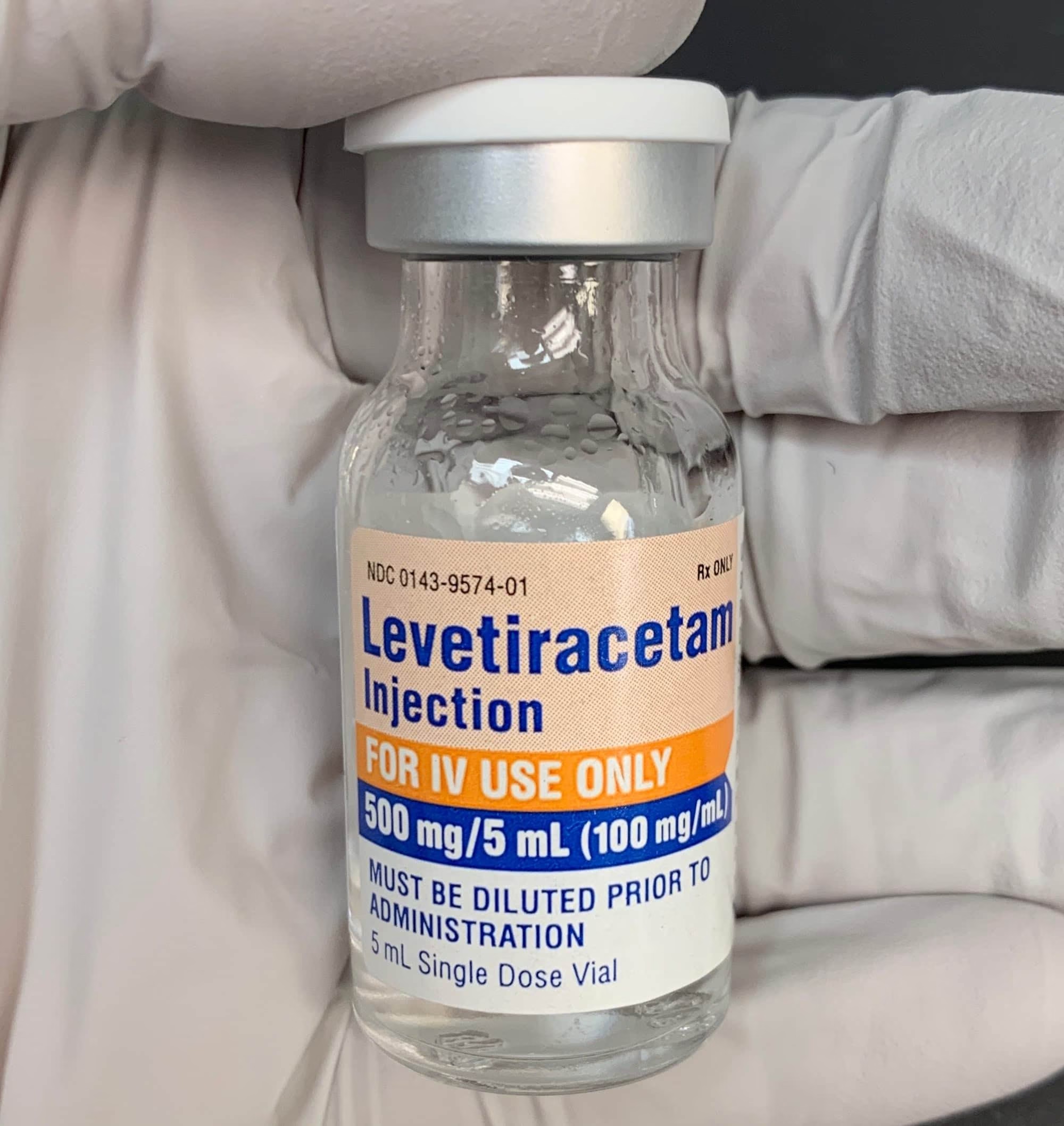
    Levetiracetam (Keppra) is an oral and intravenous antiepileptic drug (AED) indicated as adjunctive therapy for partial onset seizures, myoclonic seizures, and generalized tonic-clonic (“grand mal”) seizures in adults. The medication is used in the pediatric population as well for various reasons beyond my scope of practice. Most AEDs either enhance…

    Read More

  • Vecuronium

    Vecuronium

    Vecuronium (Norcuron) is a nondepolarizing, aminosteroid neuromuscular junction blocker that, like rocuronium, works at the level of neuromuscular end plate’s nicotinic acetylcholine receptors (AChR) as a competitive antagonist. Because it competes with acetylcholine for a similar binding site, vecuronium’s effects can be overcome to increasing the amount of “normal” substrate…

    Read More

  • Cefazolin

    Cefazolin

    Cefazolin (Ancef) is a first generation cephalosporin and arguably the most common antibiotic used for surgical prophylaxis (typically for skin flora). It provides gram positive coverage but only minor gram negative coverage.

    Read More

  • Meropenem

    Meropenem

    Meropenem (Merrem) is a broad spectrum intravenous antibiotic and member of the carbapenem β-lactam drug class. These antibiotics are often reserved for multidrug resistant organisms (MDR) causing a wide variety of serious infections like hospital acquired pneumonia, intraabdominal infections, neutropenic fever, complicated soft tissue infections, and gram negative sepsis.

    Read More

  • Zosyn

    Zosyn

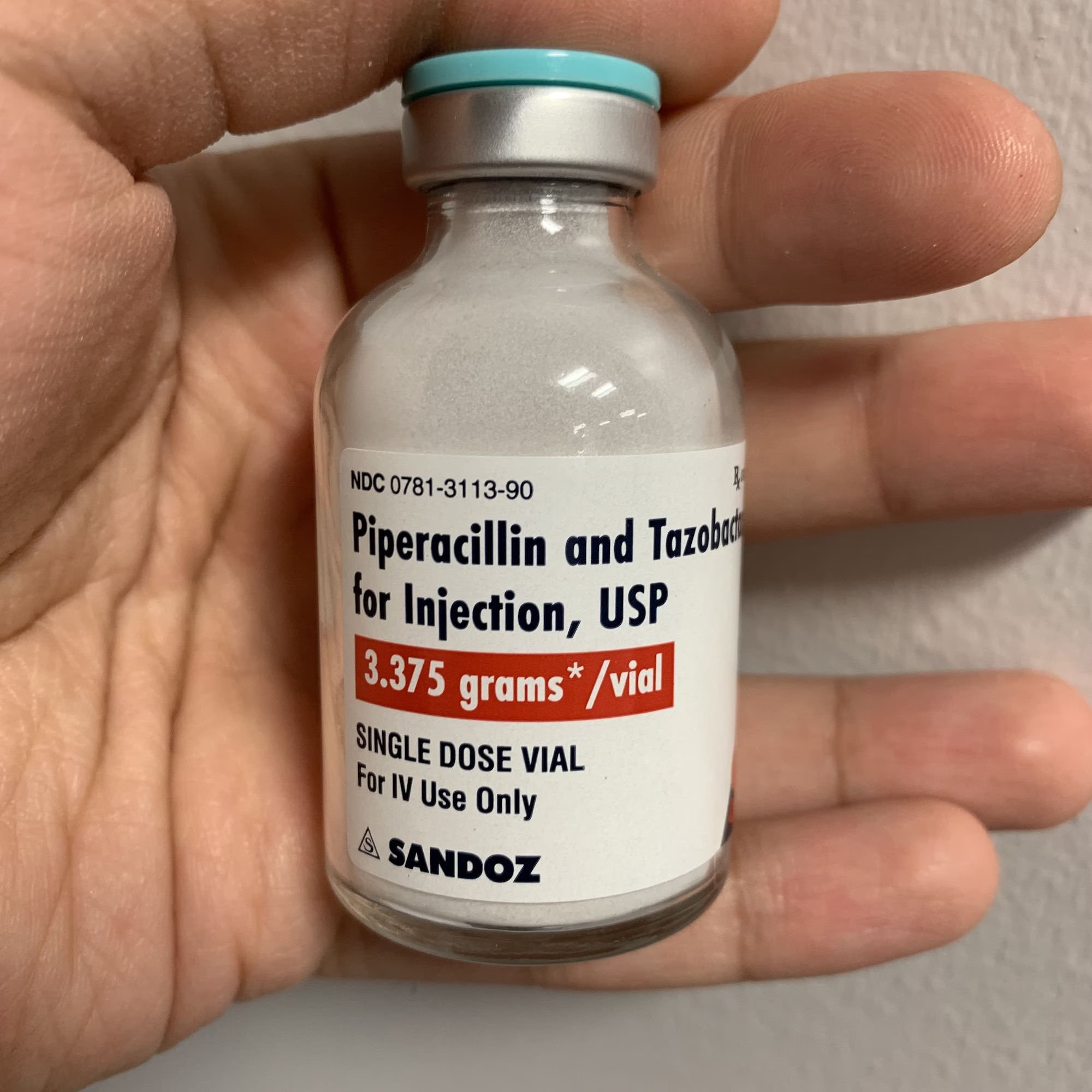
    Zosyn (pipercillin-tazobactam or “pip-tazo”) is an intravenous combination of a β-lactam antibiotic with a β-lactamase inhibitor. β-lactamase is an enzyme implicated in antibiotic resistance that breaks down penicillins, cephalosporins, etc., so inhibiting it may make the antibiotic more efficacious in settings where it would be rendered inactive. Zosyn has gram…

    Read More

  • Cyanokit

    Cyanokit

    Cyanokit (hydroxocobalamin, a form of vitamin B12) is an injectable therapy most often used to treat cyanide toxicity. This medication readily combines with cyanide to form cyanocobalamin thereby freeing cytochrome c oxidase to proceed with aerobic respiration in the electron transport chain.

    Read More

  • Cefepime

    Cefepime

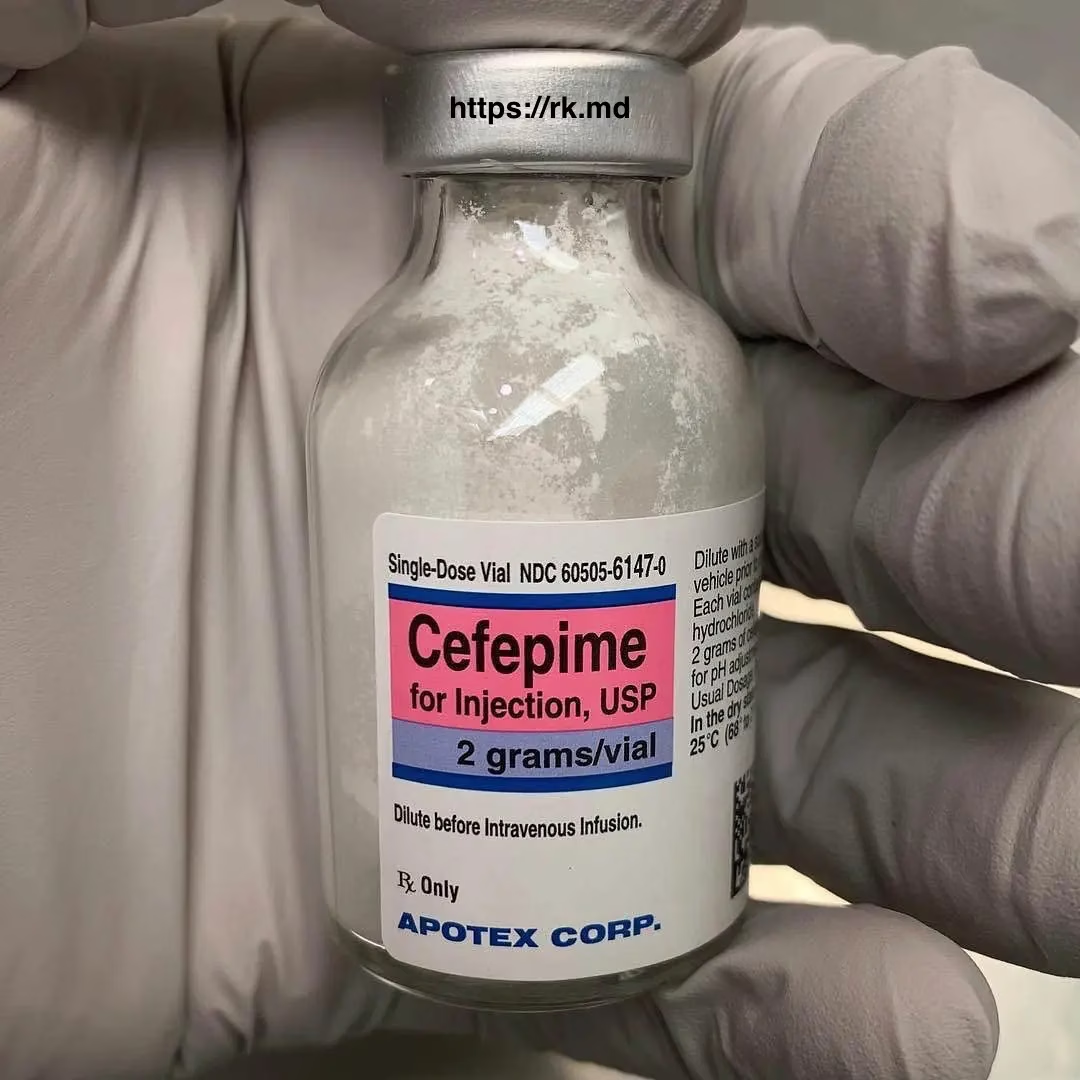
    Cefepime (Maxipime) is a broad-spectrum intravenous antibiotic commonly used to treat infections in inpatient and intensive care settings. Cefepime exerts its antibacterial effect by inhibiting bacterial cell wall synthesis. Specifically, it binds to penicillin-binding proteins (PBPs), essential for cell wall synthesis’s final stages. This results in the inhibition of bacterial…

    Read More