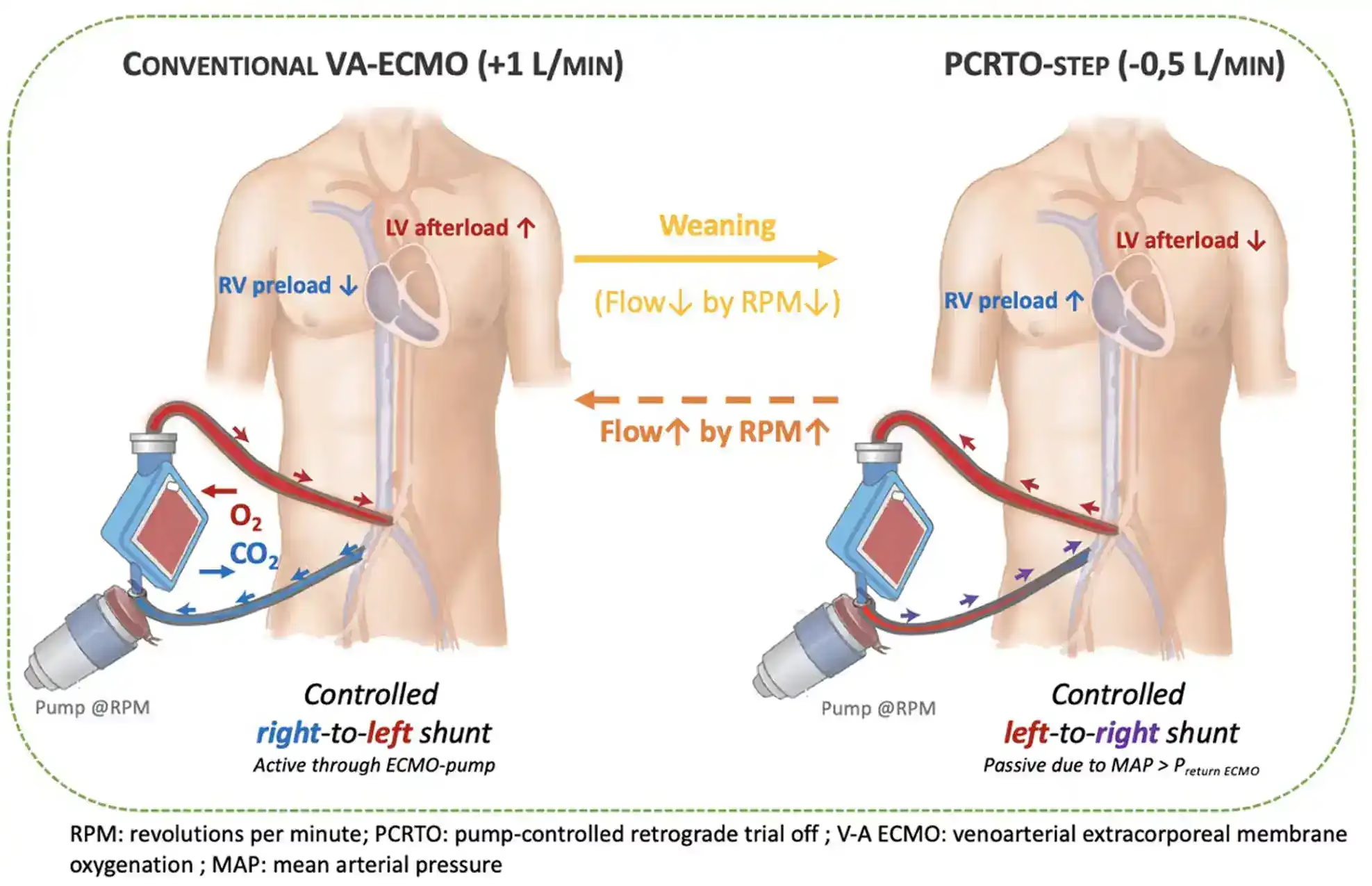
• Pump Controlled Retrograde Trial Off (PCRTO) For Weaning From VA-ECMO

    Pump Controlled Retrograde Trial Off (PCRTO) For Weaning From VA-ECMO

    Pump controlled retrograde trial off (PCRTO) is a weaning technique for venoarterial ECMO (VA-ECMO) in which pump speed is gradually decreased until net retrograde flow develops from the arterial to the venous limb of the circuit. This maneuver suspends mechanical circulatory support without decannulation, offering a real-time, physiologic test of native…
    Read More

  • McConnell’s Sign

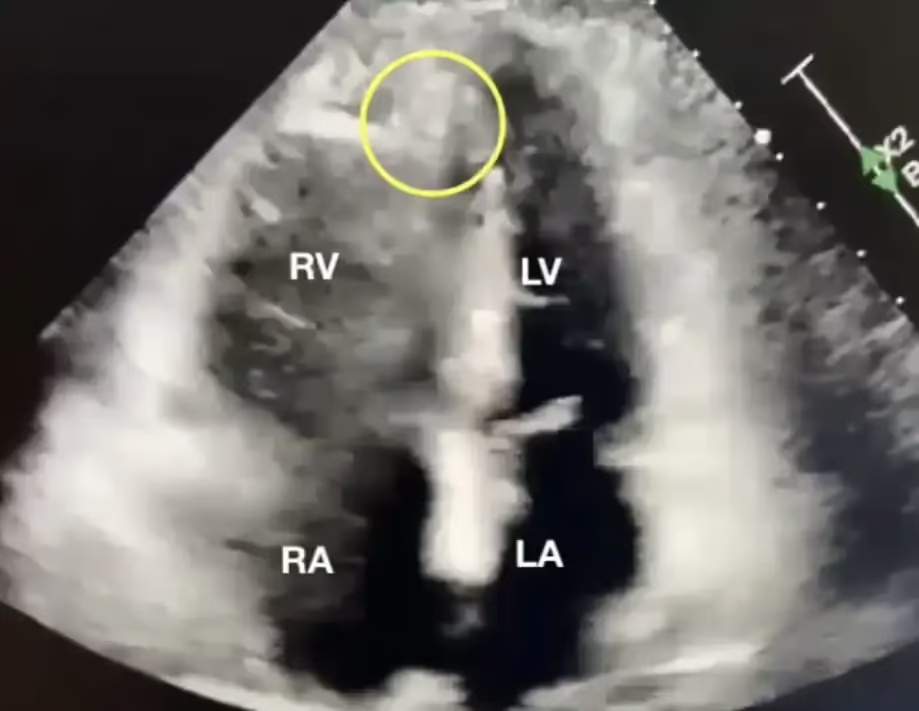
    McConnell’s Sign

    McConnell’s sign is an echocardiographic finding classically described as akinesis of the right ventricle’s (RV) mid-free wall with preserved apical contractility on echocardiography. It’s often associated with acute pulmonary embolism (PE) and is thought to reflect regional wall motion abnormalities from acute RV pressure overload and tethering of the apex…

    Read More

  • Fever With Dexmedetomidine

    Fever With Dexmedetomidine

    Dexmedetomidine (Precedex) is a selective alpha-2 agonist I frequently use as a cardiac anesthesiologist and intensivist to provide analgosedation before extubation. Beyond its sedative and sympatholytic effects, dexmedetomidine has been increasingly implicated in drug-induced fever. Although listed in the FDA label, recent literature provides a clearer picture. A post hoc…

    Read More

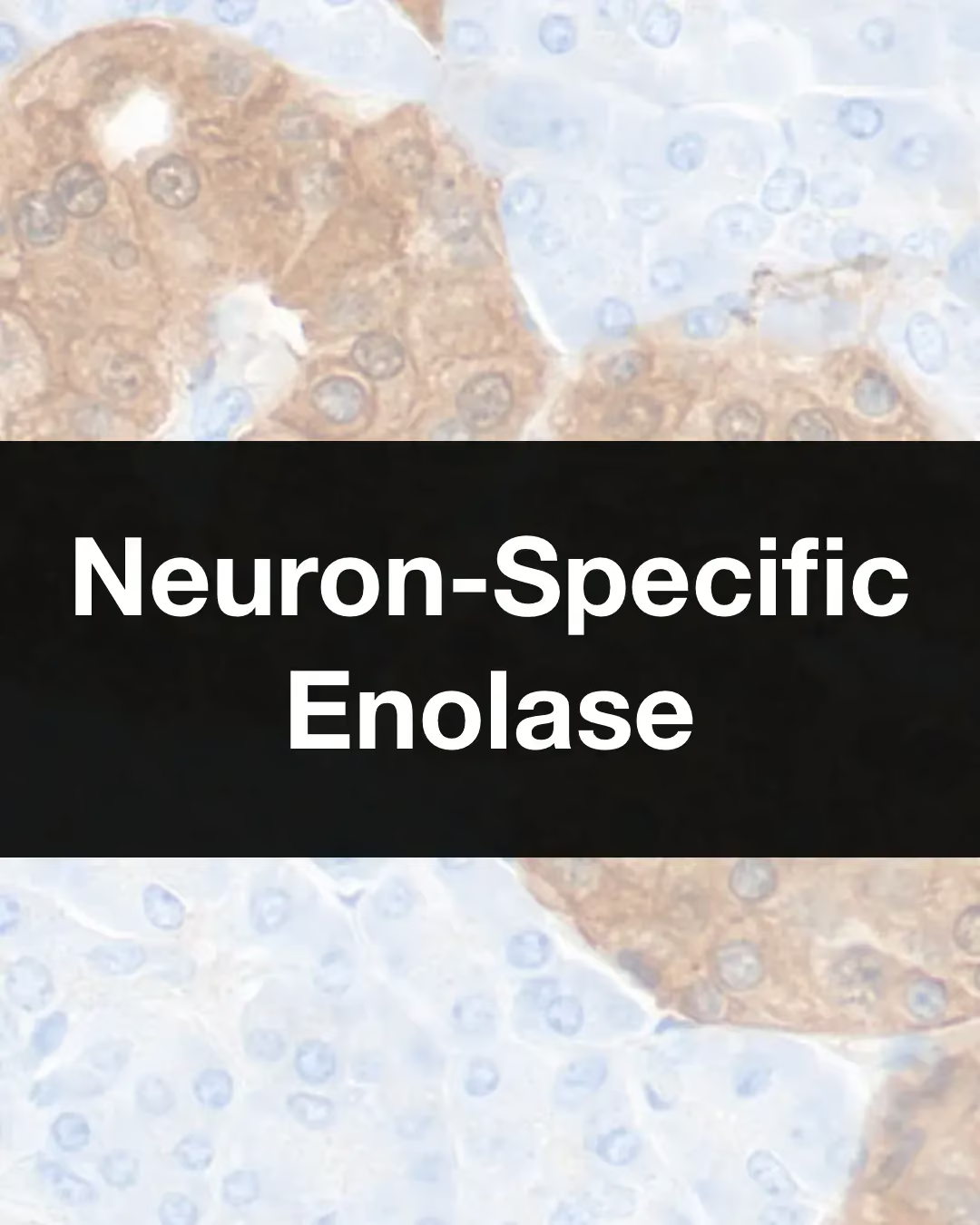
  • Neuron-Specific Enolase (NSE)

    Neuron-Specific Enolase (NSE)

    Neuron-specific enolase (NSE) is a dimeric glycolytic enzyme predominantly localized to neurons and neuroendocrine cells. It exists in two isoforms: γγ (neuron-specific) and αγ (neuroendocrine-specific). NSE is a tumor marker in oncology, particularly for small-cell lung cancer (SCLC) and other neuroendocrine tumors (NETs). Serum elevations can assist in diagnosis, staging,…

    Read More

  • Fondaparinux

    Fondaparinux

    Fondaparinux is a synthetic pentasaccharide that exerts its anticoagulant effect by binding to antithrombin III, inducing a conformational change that selectively inhibits activated factor X (Xa). Unlike unfractionated heparin or low molecular weight heparins, fondaparinux does not inhibit thrombin (factor IIa) and is too small to promote platelet activation, making the risk…

    Read More

  • Spontaneous Coronary Artery Dissection (SCAD)

    Spontaneous Coronary Artery Dissection (SCAD)

    Spontaneous coronary artery dissection (SCAD) is typically due to either a tear in the coronary artery’s intimal layer leading to blood propagation into the media layer and the creation of two distinct lumens (true and false) compromising blood flow to the myocardium. SCAD accounts for only 0.5-1% of acute coronary…

    Read More

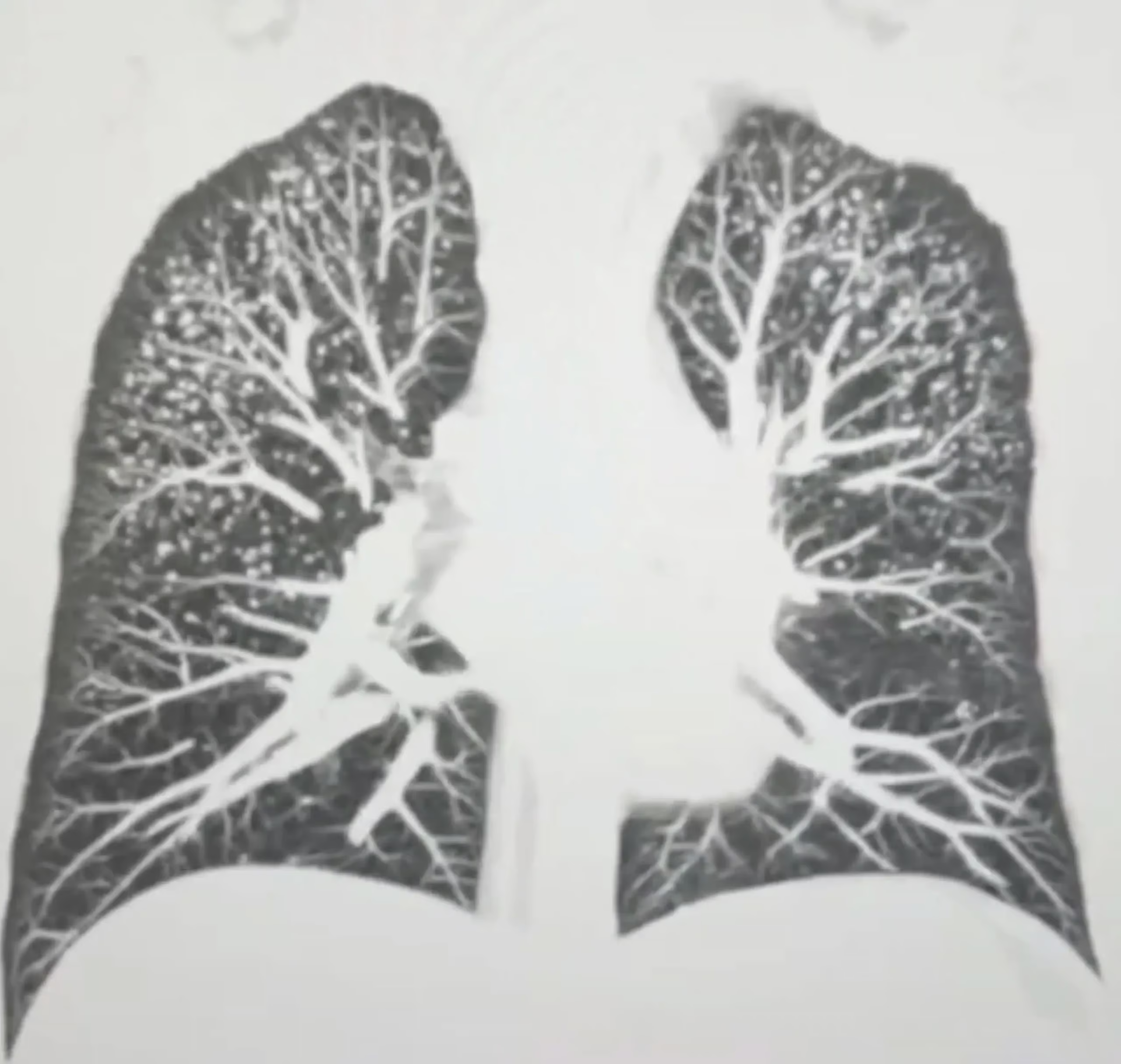
  • Silicosis

    Silicosis

    Silicosis is a chronic, progressive, fibrotic lung disease resulting from prolonged inhalation of respirable crystalline silica particles encountered by individuals working in sandblasting, mining, glass manufacturing, foundry operations, etc. Once inhaled, silica particles deposit deeply within the alveoli, triggering alveolar macrophages to release pro-inflammatory cytokines, thereby inciting persistent inflammation and…

    Read More

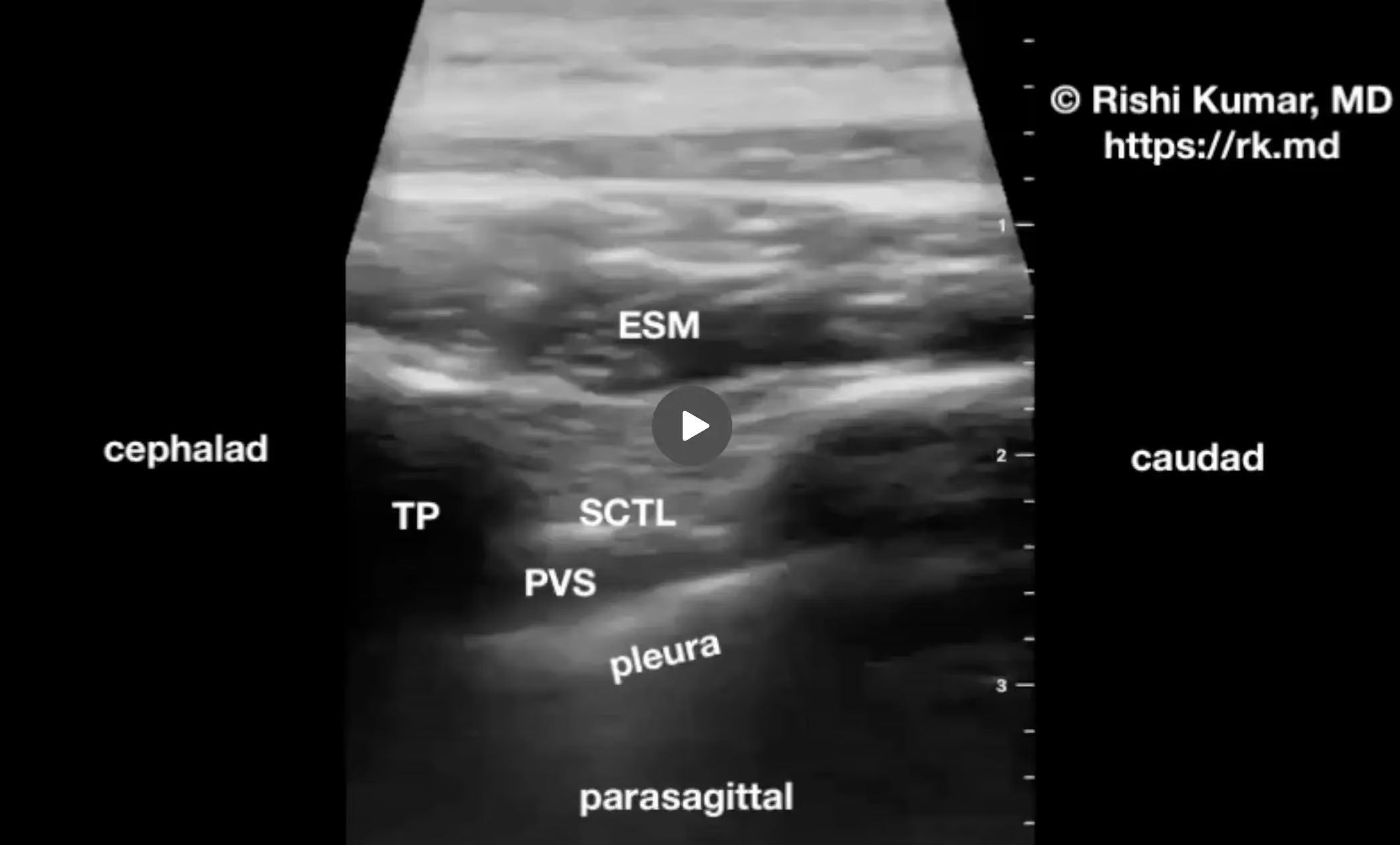
  • Paravertebral Nerve Block

    Paravertebral Nerve Block

    Paravertebral nerve blocks (PVBs) are regional anesthetic techniques that target the paravertebral space (PVS), where spinal nerves emerge from the intervertebral foramina. They allow for segmental, unilateral anesthesia without the sympathectomy and motor blockade seen in neuraxial techniques. To facilitate extubation in the OR and a shorter overall hospital course,…

    Read More

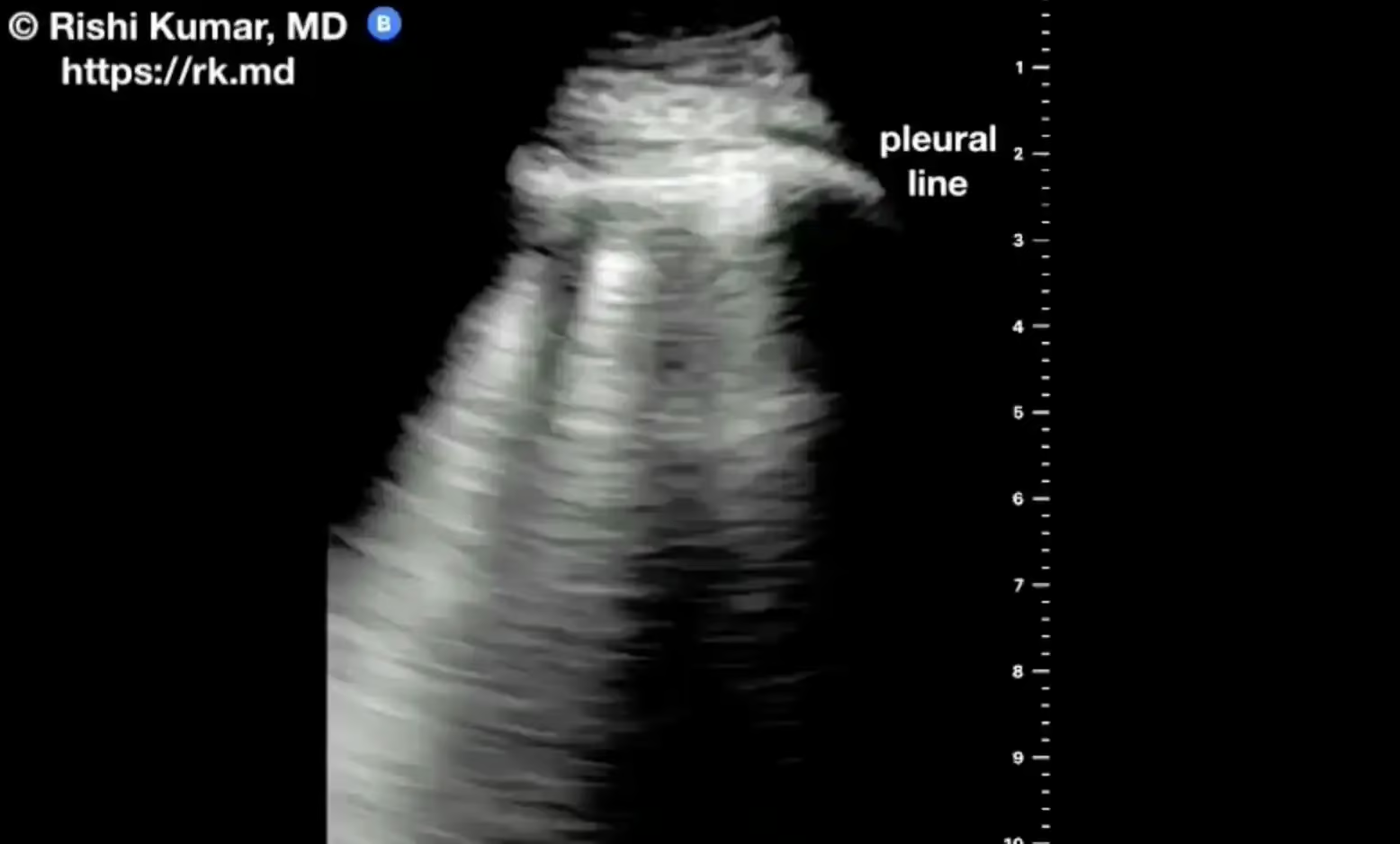
  • POCUS Lung B-Lines

    POCUS Lung B-Lines

    B-lines are a vertical “comet-tail” artifact seen on lung ultrasound. They represent interstitial edema or increased lung water in thickened subpleural interlobular septa. In other words, B-lines represent fluid in the lungs (e.g., pulmonary edema, heart failure, etc.). When performing lung ultrasound, I use a high-frequency linear probe and begin…

    Read More

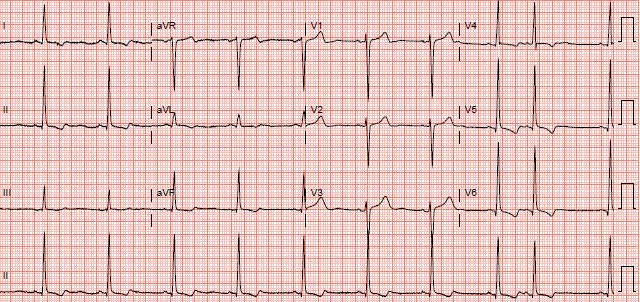
  • ECG Lead II And Volume Responsiveness – The Brody Effect

    ECG Lead II And Volume Responsiveness – The Brody Effect

    The Brody effect highlights the relationship between intracavitary blood volume and the heart’s electrical activity, which, in turn, offers a dynamic tool to gauge volume responsiveness. Since blood is an excellent conductor of electricity, variable preload can lead to variable ECG readings, namely the amplitude of the R-wave in lead…

    Read More