• Neostigmine For Postoperative Ileus

    Neostigmine For Postoperative Ileus

    As a cardiovascular ICU intensivist, postoperative ileus (POI) is a condition I deal with frequently following laparotomies and even abdominal aorta endovascular repairs with gut dysmotility, inflammation, and neural inhibition all contributing. If conventional “bowel regimen” therapies (ambulation, enemas, etc.) fail, and I’m convinced the pathology is colonic pseudo-obstruction (not a mechanical obstruction), I’ll consider…

    Read More

  • MacBook Pro M4 Max

    MacBook Pro M4 Max

    After three years with the 14” MacBook Pro M1 Max, I decided to upgrade to the new 16” MacBook Pro M4 Max. Apple’s recent announcement of the M4 lineup felt like the right opportunity to make the upgrade, especially with the combination of improved power efficiency, performance, and a larger…

    Read More

  • WATCHMAN FLX™ Pro Left Atrial Appendage Closure Device

    WATCHMAN FLX™ Pro Left Atrial Appendage Closure Device

    The WATCHMAN FLX™ Pro left atrial appendage (LAA) closure device is implanted percutaneously via the femoral vein → right atrium → a transseptal puncture → left atrium pathway to seal the LAA – a small pouch in the left heart where blood clots can form and potentially lead to strokes…

    Read More

  • Lymphangiography

    Lymphangiography

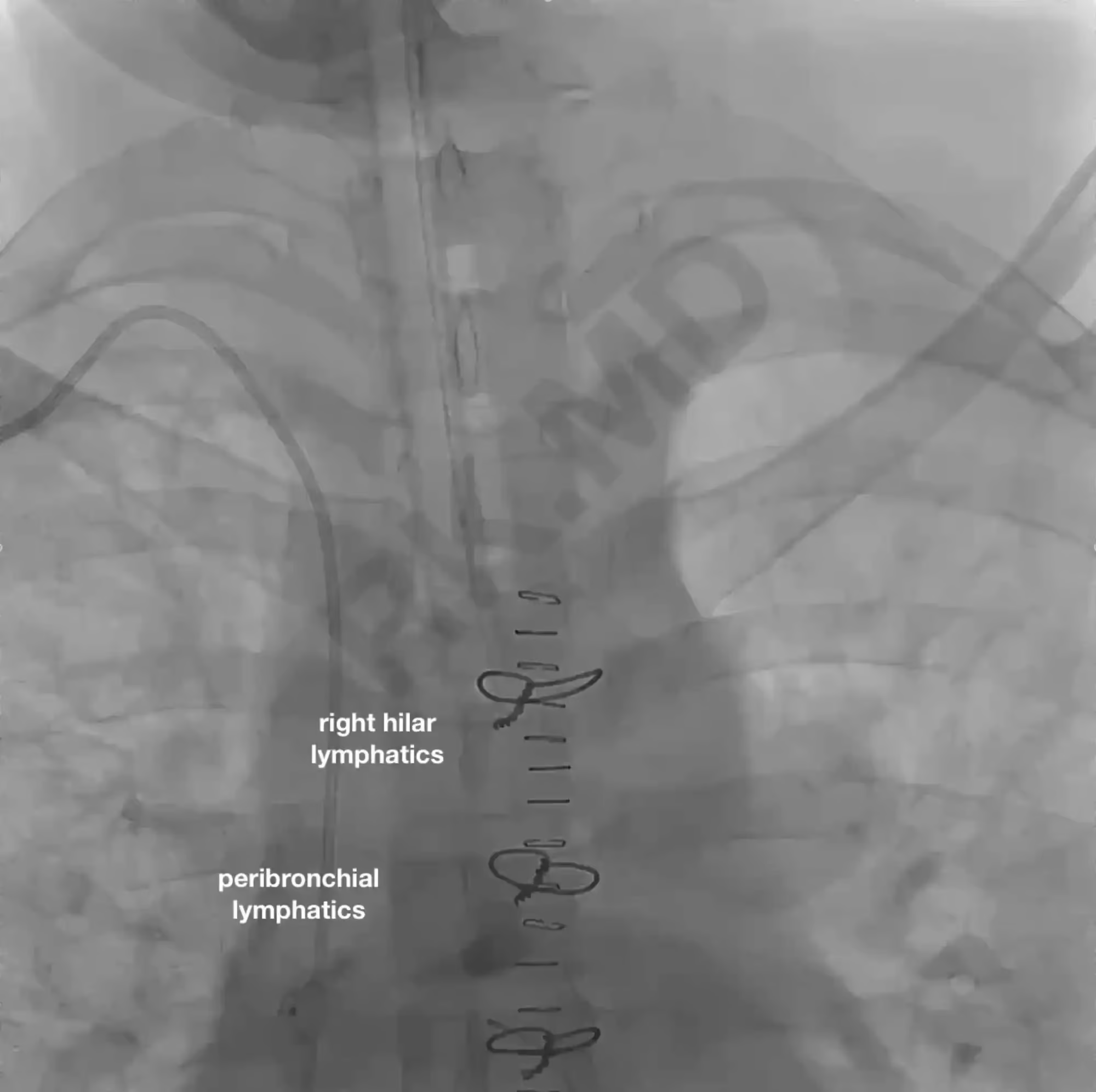
    A lymphangiogram is an imaging study performed to visualize the lymphatic system, which plays a crucial role in immune function and maintaining fluid balance in the body. This test is often employed when there is suspicion of lymphatic abnormalities, such as lymphedema, chylothorax, or the spread of malignant cancers to…

    Read More

  • Hypertonic Salt Bomb

    Hypertonic Salt Bomb

    A 23.4% hypertonic saline (HTS) infusion (referred to as a “salt bomb”) is primarily indicated for cases of refractory intracranial hypertension as seen in traumatic brain injury, large strokes, and malignant cerebral edema. HTS generates an osmotic shift to draw water out of swollen brain tissue to reduce intracranial pressure…

    Read More

  • Left Ventricle Pressure-Volume (P-V) Loop

    Left Ventricle Pressure-Volume (P-V) Loop

    The left ventricle’s (LV) pressure-volume (P-V) loop visually represents an important relationship between the chamber’s pressure and volume over a single cardiac cycle. In the following diagram, systole is red, and diastole is blue. The P-V loop consists of four events:

    Read More

  • Pericardial Window

    Pericardial Window

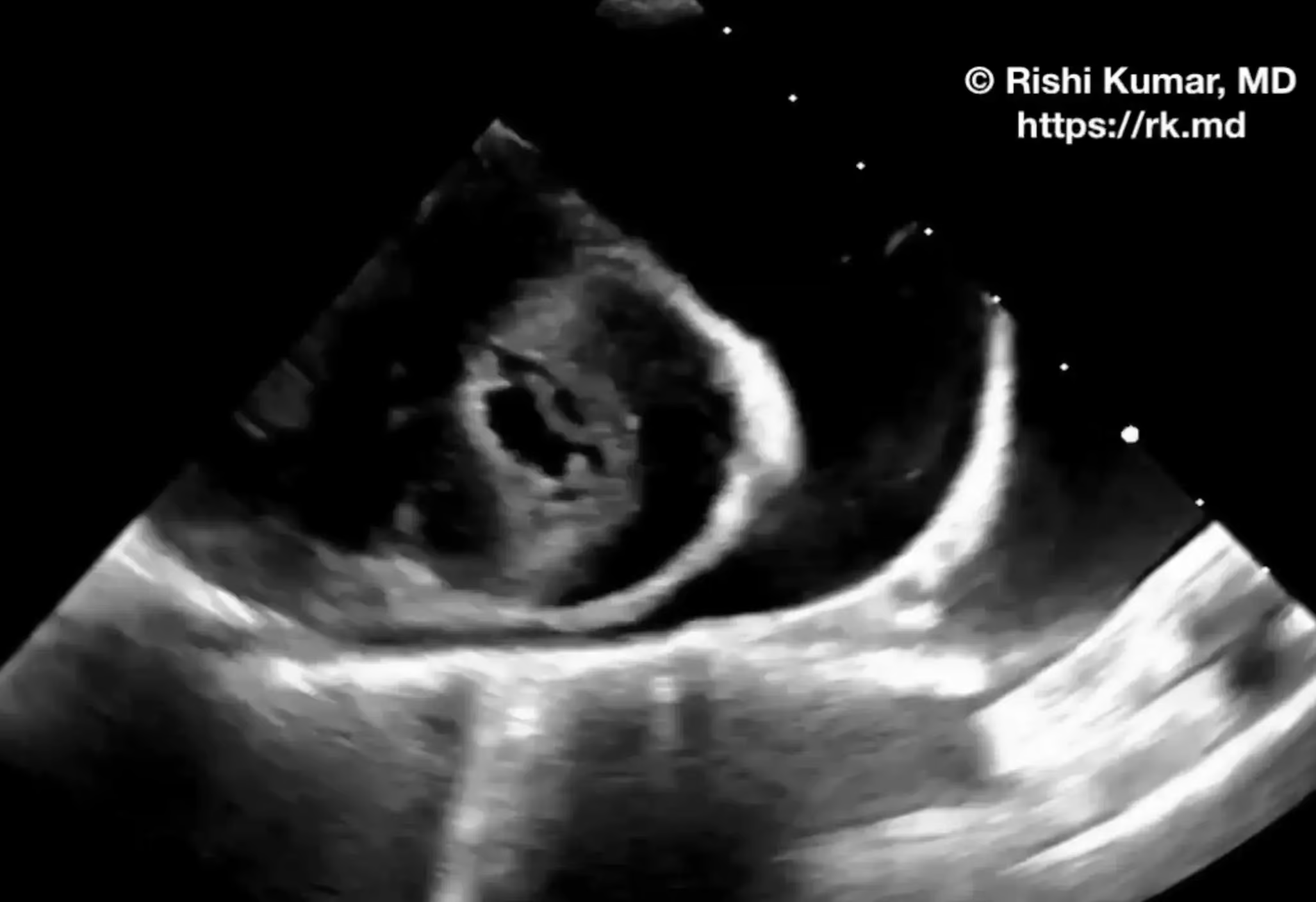
    A pericardial window is a surgical procedure designed to relieve pressure caused by fluid accumulation around the heart, known as pericardial effusion. This fluid can lead to cardiac tamponade, a life-threatening condition where the heart’s ability to fill and maintain a cardiac output is jeopardized. Compared to a pericardiocentesis, where a needle is…

    Read More

  • Penetrating Atherosclerotic Ulcer (PAU)

    Penetrating Atherosclerotic Ulcer (PAU)

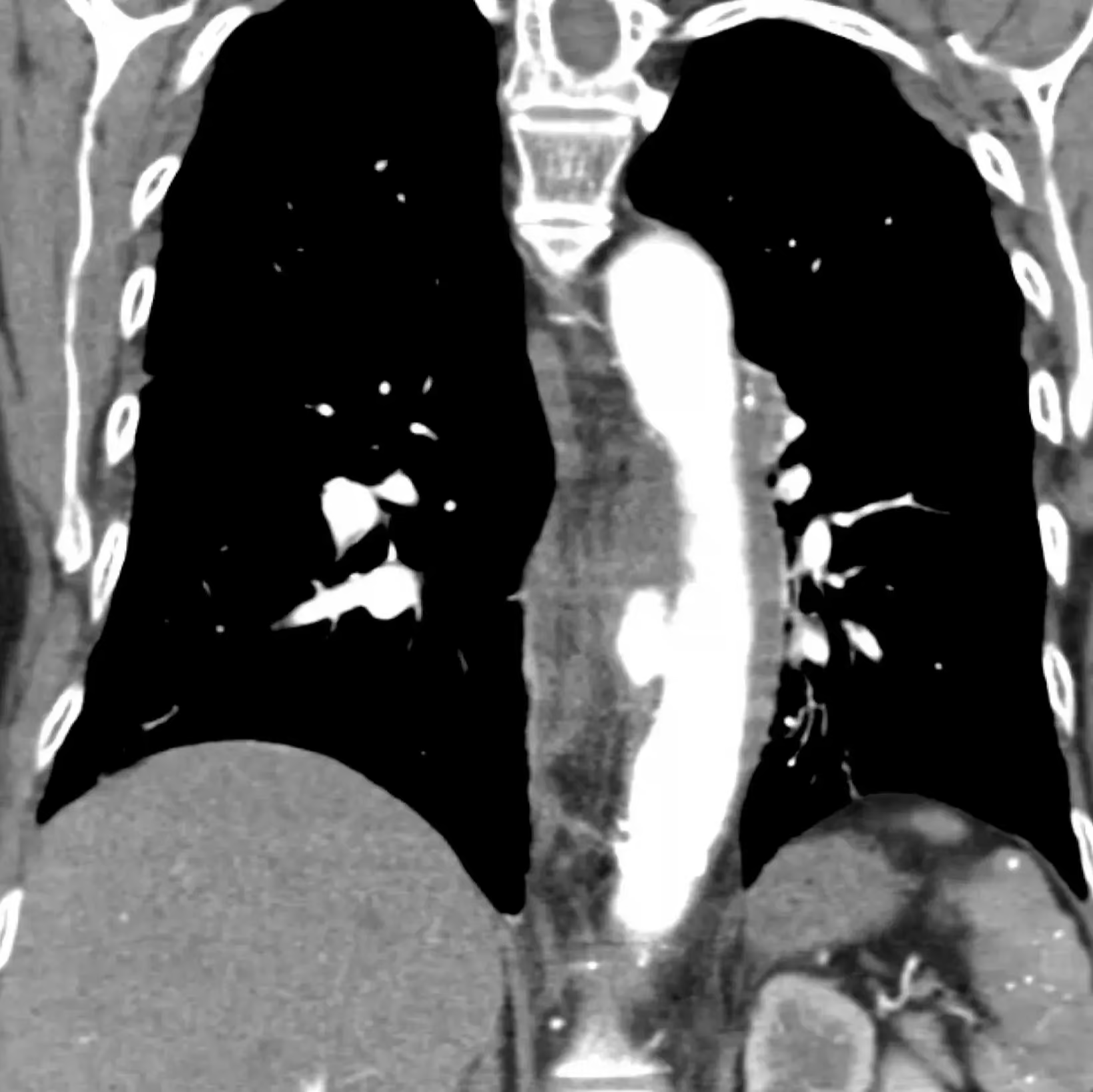
    Penetrating atherosclerotic ulcers (PAUs) represent a distinct pathological entity within the spectrum of acute aortic syndromes, characterized by ulceration of atherosclerotic plaque penetrating through the internal elastic lamina into the media of the aortic wall. They typically arise in the setting of advanced atherosclerotic disease, often in patients with a…

    Read More

  • Miliary Pattern

    Miliary Pattern

    A “miliary pattern” on chest x-ray (CXR) is a distinctive finding characterized by numerous small (1-4 mm) nodules, typically uniform in size and distributed throughout both lung fields, resembling millet seeds – hence the term “miliary.” Miliary patterns are most commonly associated with the hematogenous spread of diseases, including infection…

    Read More

  • Aortic Dissection Versus Intramural Hematoma (IMH)

    Aortic Dissection Versus Intramural Hematoma (IMH)

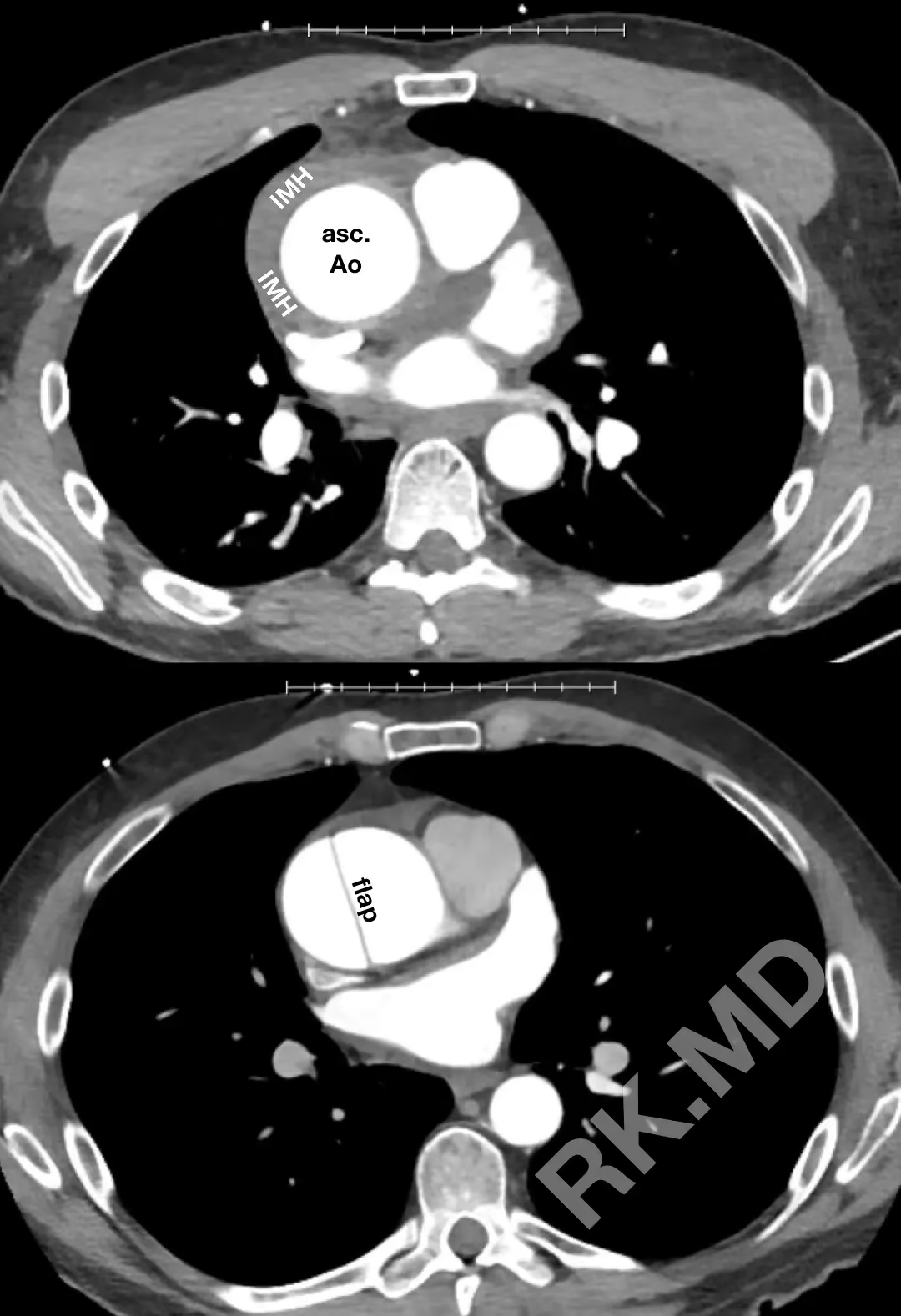
    Aortic dissection and intramural hematoma (IMH) are both acute aortic syndromes that can present similarly but have distinct pathophysiological differences and implications for management. For example, both can present with acute chest pain radiating to the back, often described as “tearing” or “ripping” in nature with or without hemodynamic instability.…

    Read More