Peak Pressures vs Plateau Pressures
An important aspect of understanding mechanical ventilation is knowing how to interpret peak inspiratory pressures (Ppeak) and plateau pressures (Pplat). What’s the difference, and why does it even matter?


An important aspect of understanding mechanical ventilation is knowing how to interpret peak inspiratory pressures (Ppeak) and plateau pressures (Pplat). What’s the difference, and why does it even matter?

Intraoperative hypotension (and to a lesser degree, hypertension) are very common issues which can occur in any case, so it’s important to have a methodical approach in diagnosing the etiology as well as treating it.

“Induction” refers to the first major step in general anesthesia where agents are used to confer sedation and ultimately loss of consciousness. For the most part, induction agents modulate the GABA receptor, the chief inhibitory neurotransmitter of the central nervous system (CNS), altering chloride ion conductance and leading to the hyperpolarization…

Endotracheal intubation is a skill learned by many specialties – anesthesia, emergency medicine, and critical care to name a few – which can have serious repercussions if not performed properly. Once the laryngoscope has been advanced, the hypopharyngeal landmarks identified (vocal cords, piriform sinuses, etc), and the endotracheal tube (ETT)…
Many patients I’ve encountered on the wards (especially those receiving chemotherapy) have been directly affected by our country’s drug shortage. It’s incredibly disheartening to know they’re receiving suboptimal therapy as many times their prognoses are dismal to begin with. 🙁
In the course of pregnancy, sometimes it becomes necessary to deliver a baby prior to the mother going into spontaneous labor. Indications for induction of labor (IOL) can include suspected fetal compromise, pregnancy-induced hypertension (PIH), premature rupture of membranes (PROM), and chorioamnionitis.
C. difficile is a bacteria part of our normal bowel flora, but when certain antibiotics (namely clindamycin) wipe out the other healthy organisms, C. diff’s growth is left unchecked. C. diff colitis is something I saw all the time in February while working on the gastroenterology service at St. Luke’s,…
Electroconvulsive therapy (ECT) is routinely used to treat refractory depression and catatonia, especially in the elderly where pharmacotherapy could result in undesirable side effects. Essentially, it involves jolting the brain to create a controlled clonic seizure – the patient loses consciousness, has convulsions, and cannot recollect the procedure. I had…
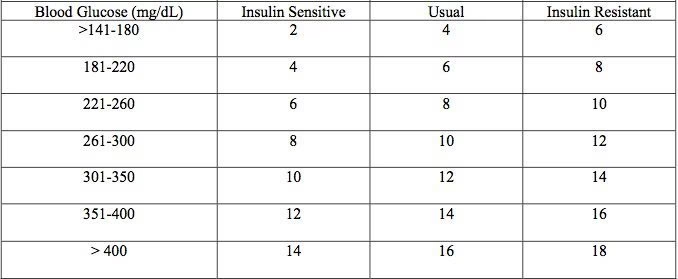
The overwhelming majority of the patients I’ve encountered on the wards have diabetes mellitus (DM). While there are countless ways to manage DM as an outpatient (insulin injections, biguanides, sulfonylureas, etc.), sliding scale insulin (SSI) seems to be the most routinely used method of controlling blood glucose (BG) for hospital…
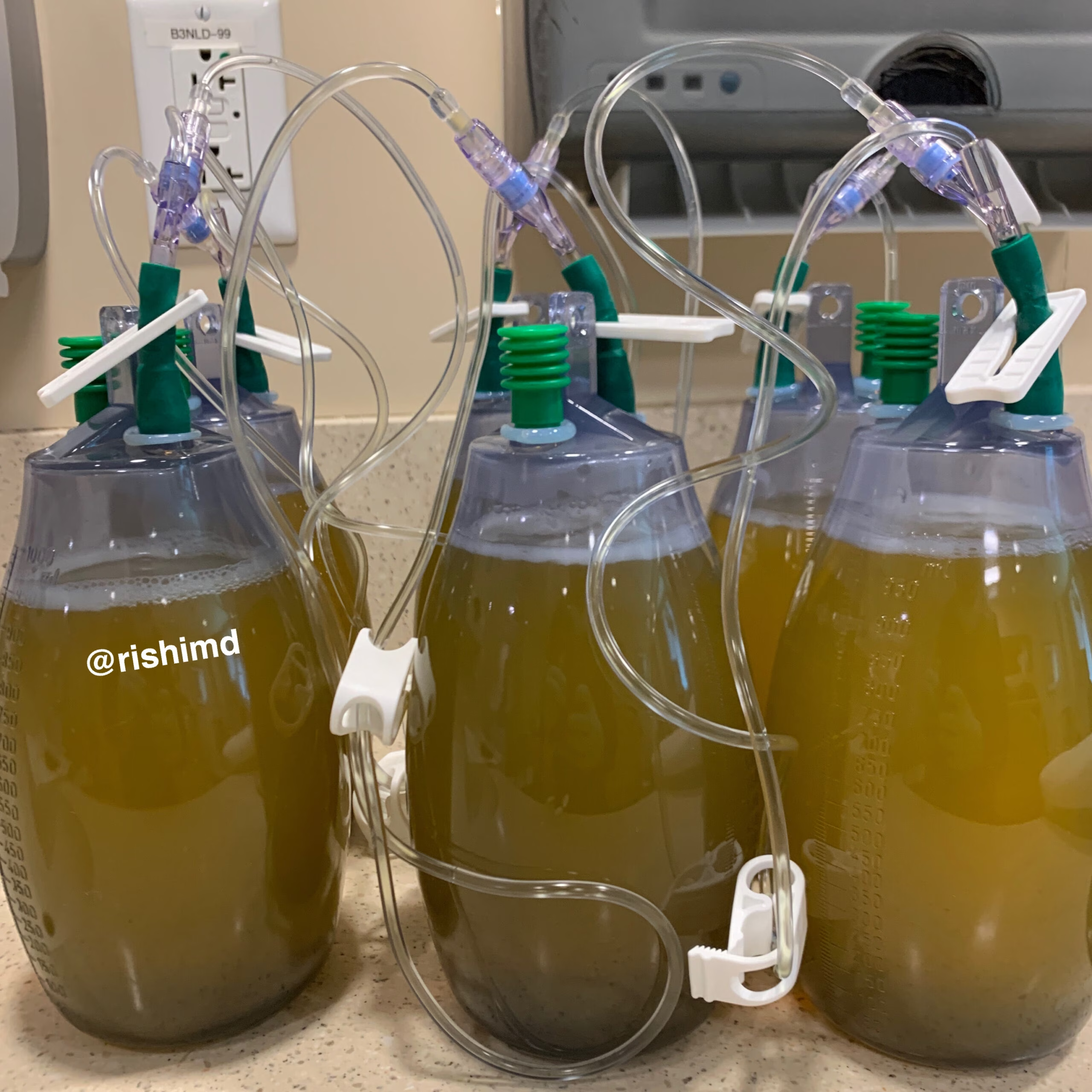
After all the patients I’ve seen with ascites secondary to hepatic cirrhosis, I wondered why we tend to start them on 100 mg Aldactone (spironolactone) with a 40 mg Lasix (furosemide) adjuvant. What’s the rationale behind this ratio? What’s the added benefit of using two different kinds of diuretics to…