• Air Bronchograms On Ultrasound

    Air Bronchograms On Ultrasound

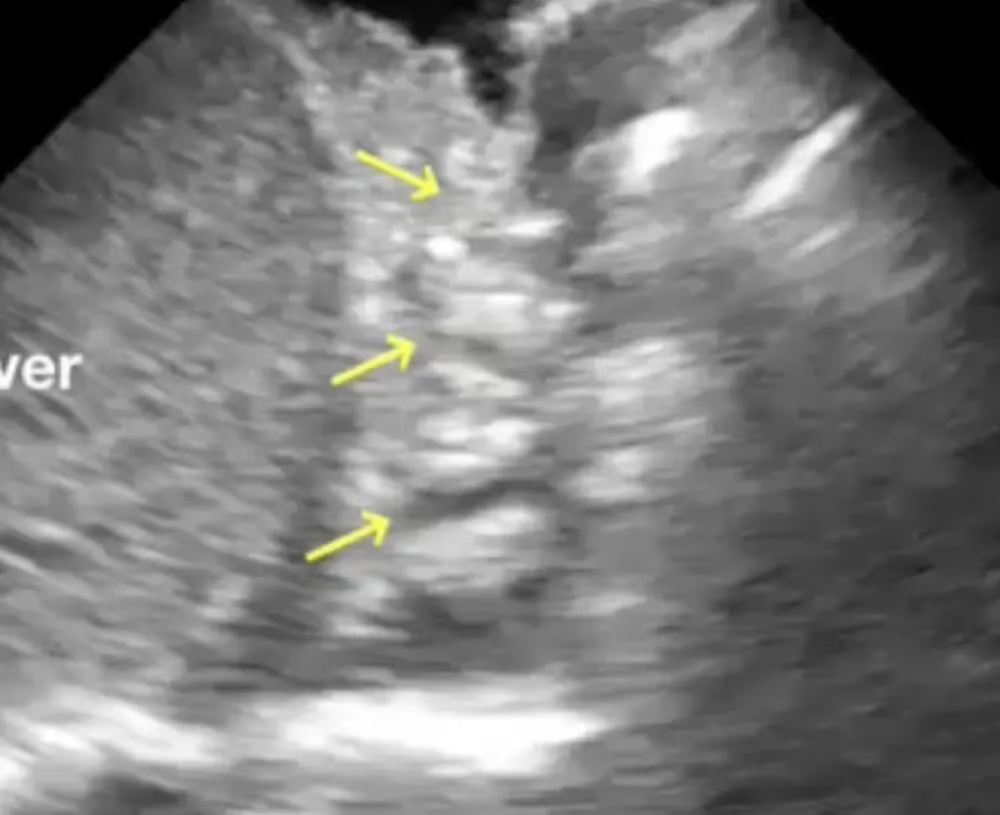
    In lung ultrasound, air bronchograms (indicated by yellow arrows in the video) occur when segments of the bronchial tree remain patent (filled with anechoic air) amid the surrounding consolidated, echogenic lung tissue. These adjacent alveoli could be collapsed as in atelectasis, filled with inflammatory exudates as in pneumonia, damaged in…
    Read More

  • Thoughts After Finishing The ABA Adult Cardiac Anesthesiology Exam

    Thoughts After Finishing The ABA Adult Cardiac Anesthesiology Exam

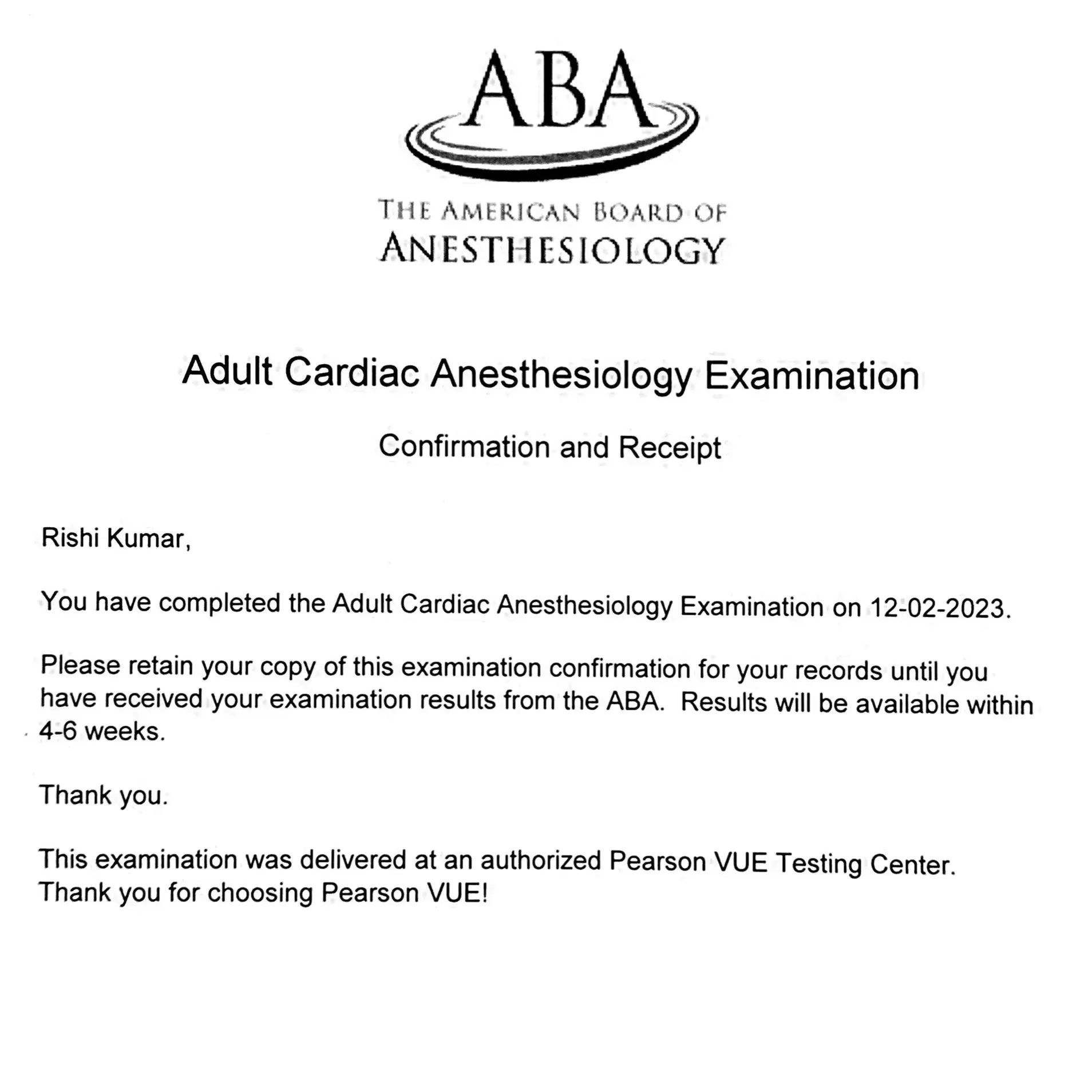
    I just finished taking the first administration of the American Board of Anesthesiology’s (ABA) Adult Cardiac Anesthesiology board examination, and I had some thoughts to share. This is a stream of consciousness as I worked in the ICU overnight before heading to the testing center. I’m still in a daze.…

    Read More

  • Covered Endovascular Reconstruction Of The Aortic Bifurcation (CERAB)

    Covered Endovascular Reconstruction Of The Aortic Bifurcation (CERAB)

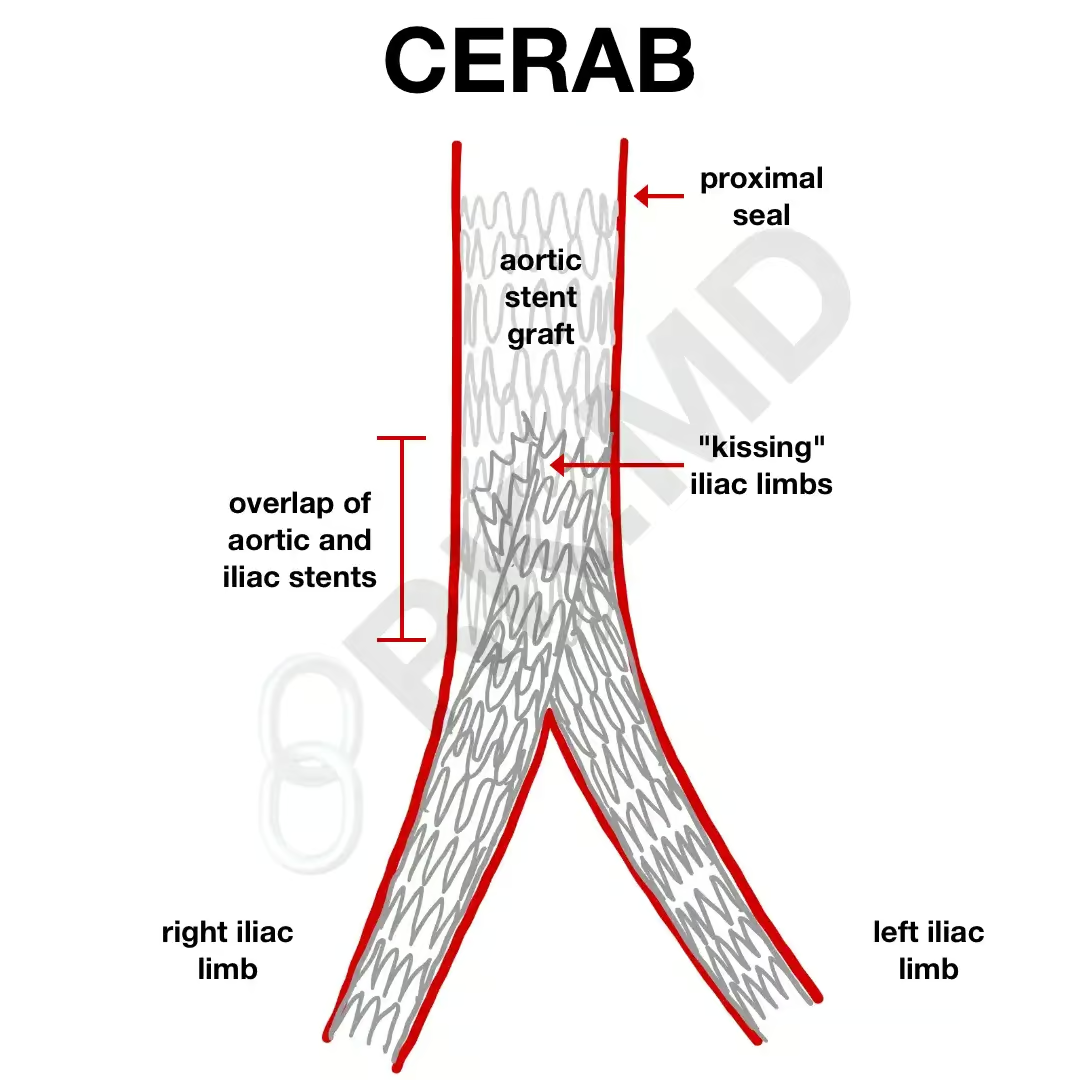
    Covered endovascular reconstruction of the aortic bifurcation (CERAB) is a minimally invasive technique used to address aortoiliac occlusive disease, aneurysms of the aortic bifurcation, or recurrent stenosis of prior aortoiliac interventions. CT angiography is performed to assess for calcifications and landing zones in the aorta and iliac arteries, location and…

    Read More

  • 3 Point Compression Ultrasound (3PCUS) For Lower Extremity DVT

    3 Point Compression Ultrasound (3PCUS) For Lower Extremity DVT

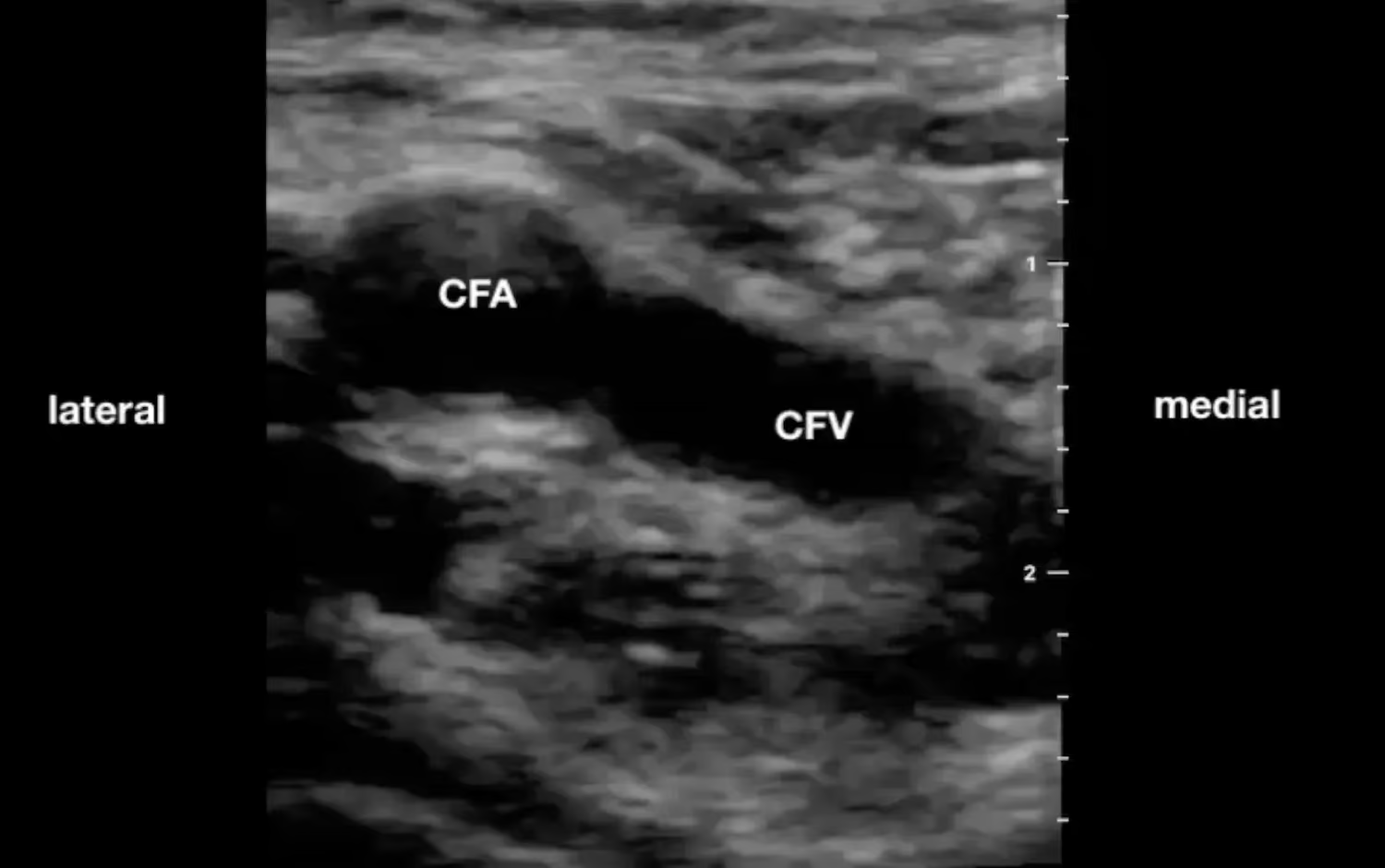
    As an intensivist, I’m always looking for ways to utilize ultrasonography to rule out/in pathologies on my differential. Rather than ordering lower extremity Doppler ultrasounds for every patient (a study that is costly from a time, financial, and human resource standpoint), I perform a three-point compression ultrasound (3PCUS) to rule…

    Read More

  • Right Ventricular-Pulmonary Arterial (RV-PA) Coupling

    Right Ventricular-Pulmonary Arterial (RV-PA) Coupling

    The right ventricle (RV) is designed to be a compliant volume chamber that pumps against a low-pressure, low-resistance pulmonary arterial (PA) system. RV-PA coupling refers to the proportional alignment between RV contractility and afterload. In situations of increased RV afterload like pulmonary hypertension, the RV can adapt (e.g., anatomic remodeling…

    Read More

  • Shamblin Classification of Carotid Body Tumors

    Shamblin Classification of Carotid Body Tumors

    Carotid body tumors are vascular tumors arising from the carotid body’s paraganglion cells at the bifurcation of the internal and external carotid arteries (ICA and ECA, respectively). The Shamblin classification is used to categorize these tumors based on their involvement with adjacent structures, namely the ICA, ECA, common carotid artery…

    Read More

  • Permissive Hypercapnia

    Permissive Hypercapnia

    Permissive hypercapnia (PHC) is a deliberate and controlled elevation in carbon dioxide (CO2) during mechanical ventilation to limit over-distention of the lung and ventilator-induced lung injury (VILI) by reducing inspiratory pressures. This can often lead to a PaCO2 of 50-80 mmHg depending on the patient and situational factors with acute…

    Read More

  • Ambu® SPUR® II Resuscitator Bag

    Ambu® SPUR® II Resuscitator Bag

    Artificial manual breathing unit (“Ambu”) bags are seen throughout healthcare to facilitate mask ventilation or ventilation through an indwelling endotracheal/tracheostomy tube. Pictured is an adult Ambu® SPUR® II resuscitator bag. Based on the manufacturer’s specifications, this Ambu bag has a resuscitator (“bag”) volume of ~1547 mL (~600 mL delivered with…

    Read More

  • Drawbacks Of Pressure-Regulated Volume Control (PRVC)

    Drawbacks Of Pressure-Regulated Volume Control (PRVC)

    Pressure-regulated volume control (PRVC) is an adaptive mode of ventilation that attempts to achieve set tidal volume at the lowest possible inspiratory airway pressure by using breath-to-breath feedback to adjust flow. Because it theoretically combines the best of pressure control (variable flow) and volume control (guaranteed minute ventilation) modes, PRVC…

    Read More

  • Anisocoria After DuoNeb

    Anisocoria After DuoNeb

    DuoNeb is an inhalation solution combining ipratropium bromide (an anticholinergic) with albuterol sulfate (β2-agonist) to promote bronchodilation. During nebulization, aerosolized ipratropium can leak to the ipsilateral conjunctiva, causing the pupil to dilate (mydriasis). On exam, one would appreciate unequal pupils (anisocoria) with the blown pupil unreactive to light. Intracranial pathology has…

    Read More