Calcium Chloride
Calcium chloride (CaCl2) is an ionic form of intravenous calcium repletion with roughly three times more bioavailable calcium than its organic counterpart – calcium gluconate.

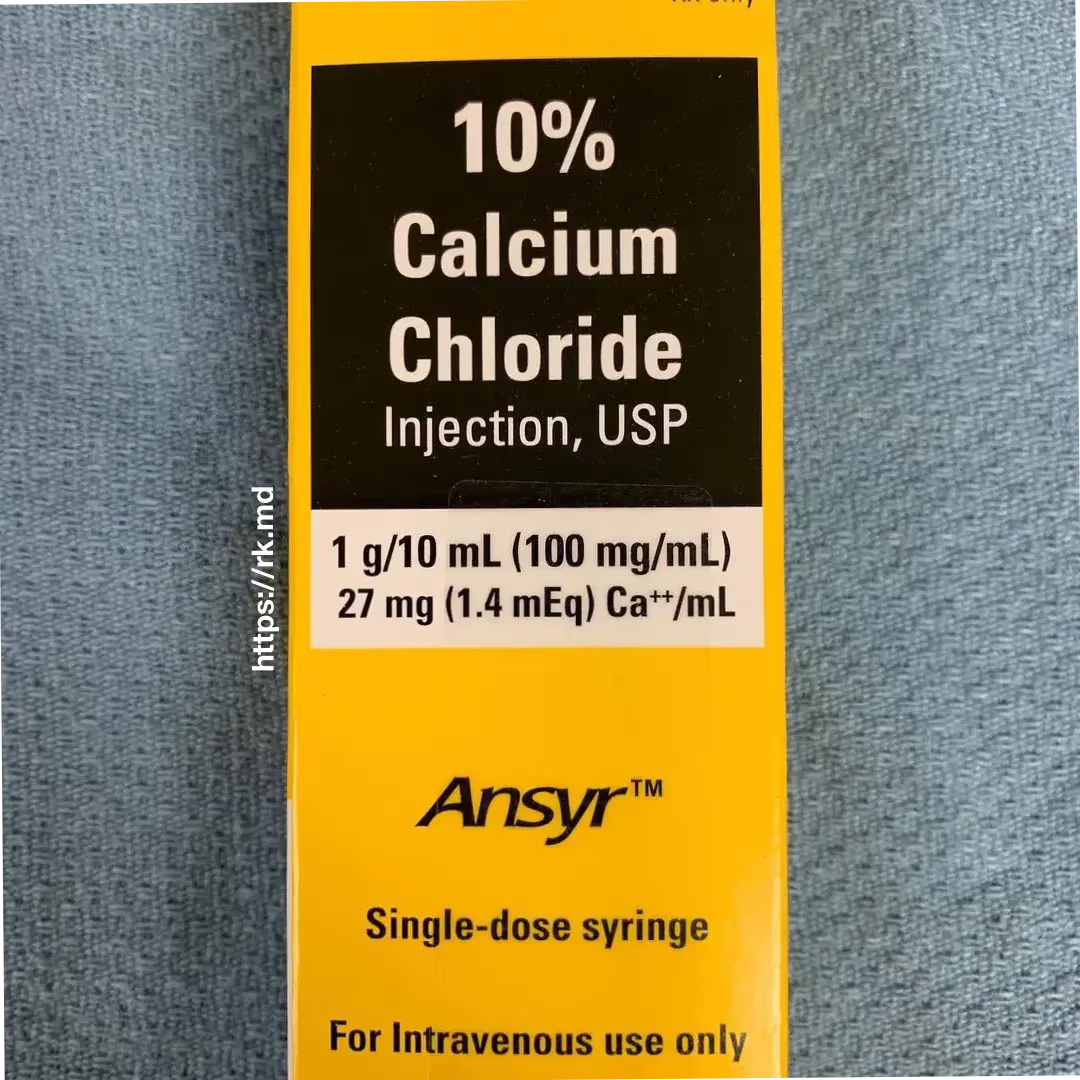
Calcium chloride (CaCl2) is an ionic form of intravenous calcium repletion with roughly three times more bioavailable calcium than its organic counterpart – calcium gluconate.

Glycopyrrolate (Robinul) is an anticholinergic (specifically an anti-muscarinic) that works on peripheral acetylcholine receptors in the heart (SA node, AV node), exocrine glands, and smooth muscle. Because of its polar, quaternary amine structure, it does NOT cross the blood-brain barrier unlike anticholinergics like atropine and scopolamine. Glycopyrrolate causes mydriasis (pupil…

Dexamethasone (Decadron) is synthetic adrenocortical steroid roughly 25 times more potent than hydrocortisone and devoid of mineralcorticoid (“sodium retaining”) properties. Therefore, it’s primarily used for long acting, anti-inflammatory effects.
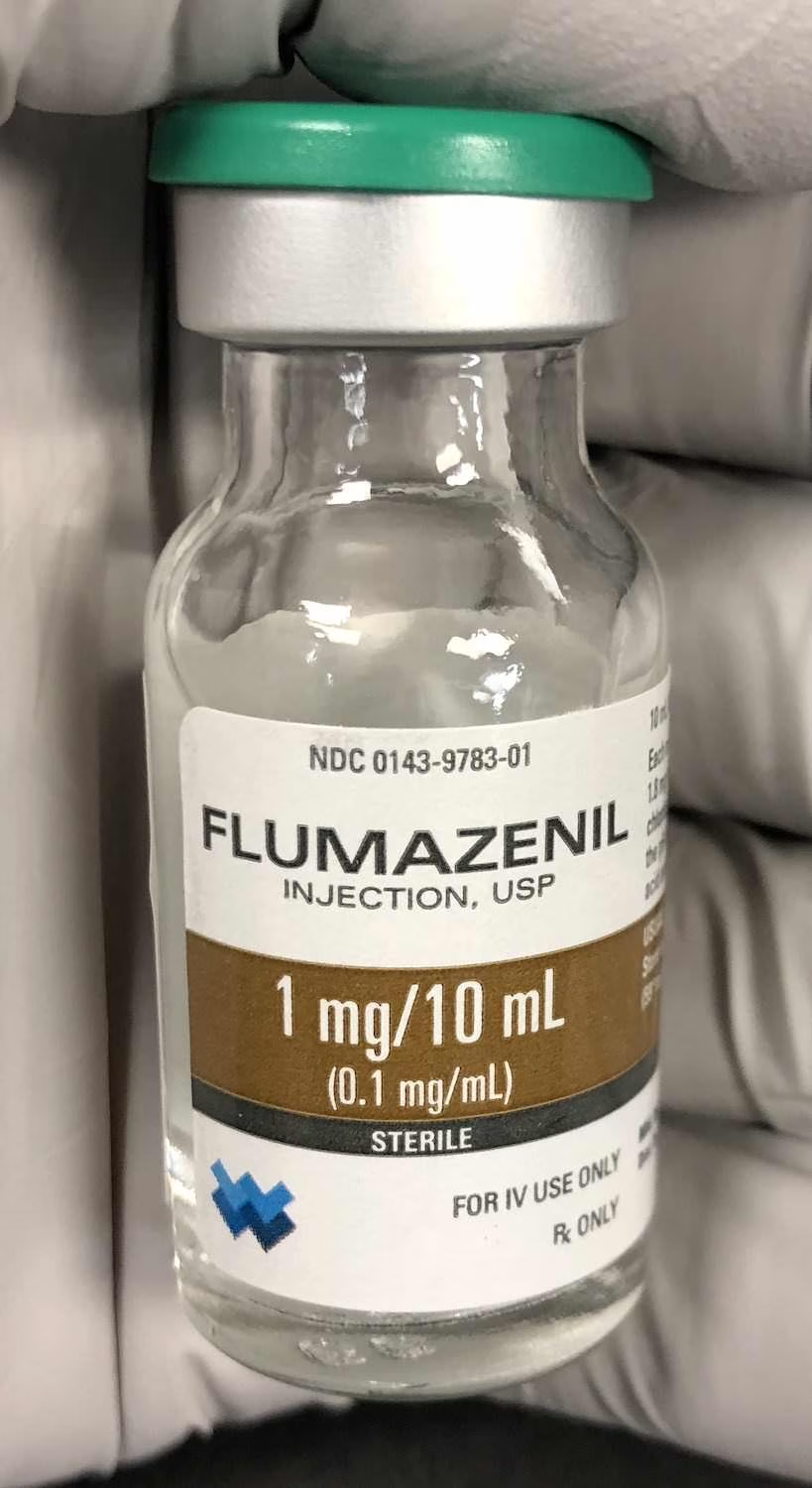
Flumazenil (Romazicon) is a reversal agent for benzodiazepines (“benzos”) through competitive inhibition at the GABA(A)/benzo receptor complex. Since it serves as an antidote for benzos, we have to consider the effects of acute withdrawal – anxiety, agitation, and even lowering the threshold for seizures. Similar to naloxone for opioid reversal,…
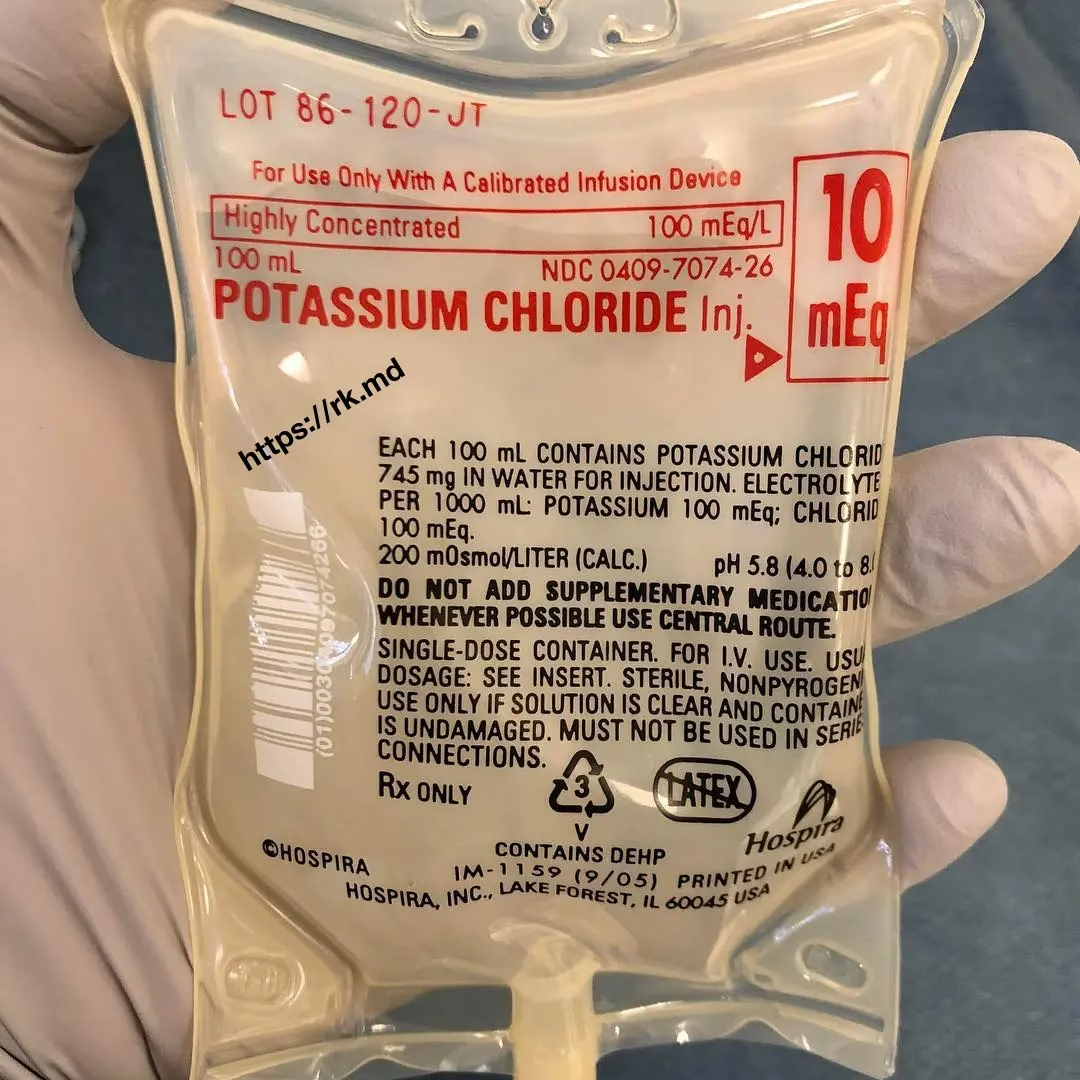
Potassium chloride (KCl) is a form of intravenous electrolyte repletion in hypokalemia – the most common electrolyte disorder in hospitalized patients often caused by diarrhea, vomiting, loop/thiazide diuretics, steroids, and poor intake among many other etiologies.
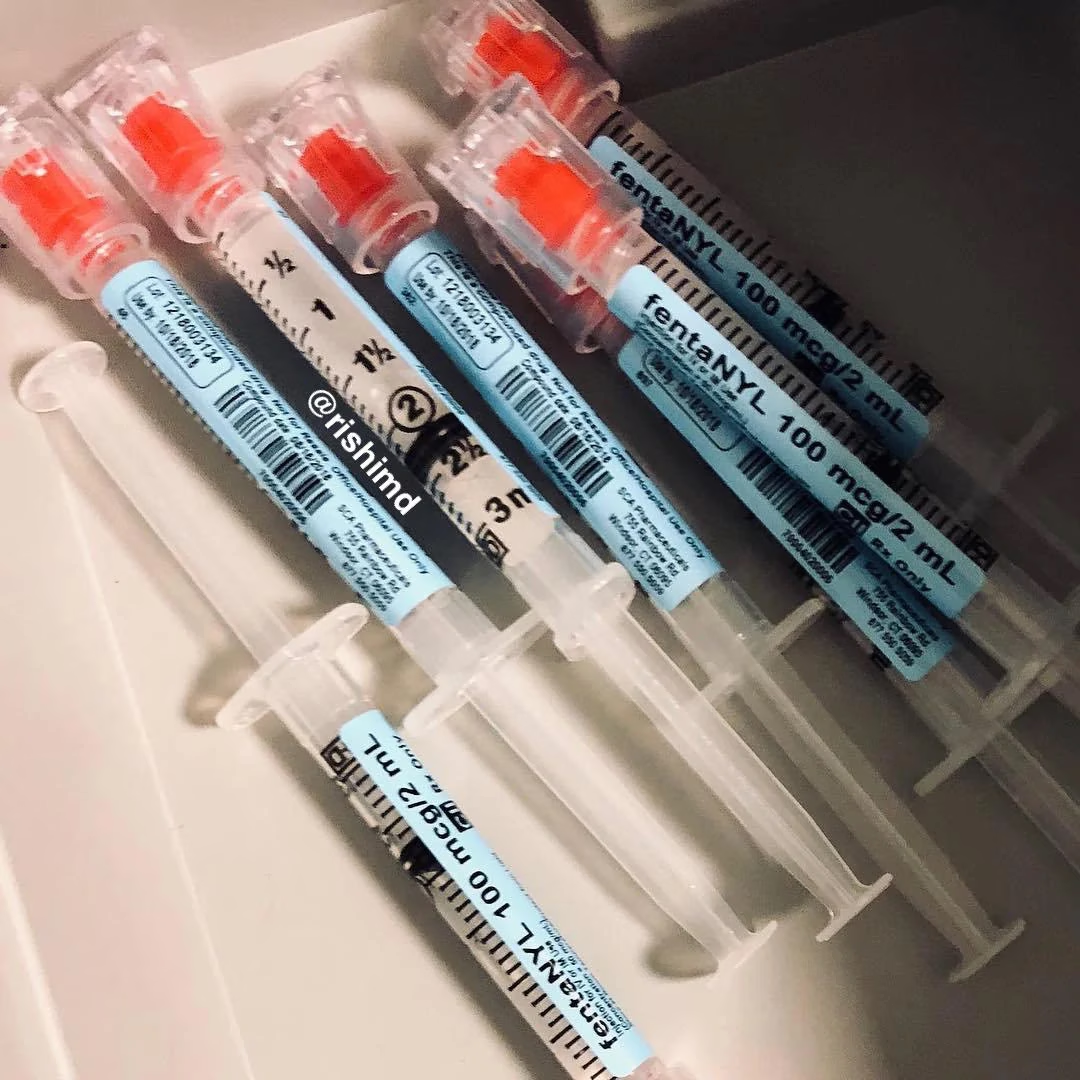
Fentanyl (Sublimaze) is the most common synthetic narcotic I administer in the OR and the ICU. It is ~100x more potent than morphine and associated with many of the same side effects as other mu-opioid agonists – nausea, vomiting, constipation, respiratory depression, hallucinations, and sedation. Fentanyl can be delivered through…
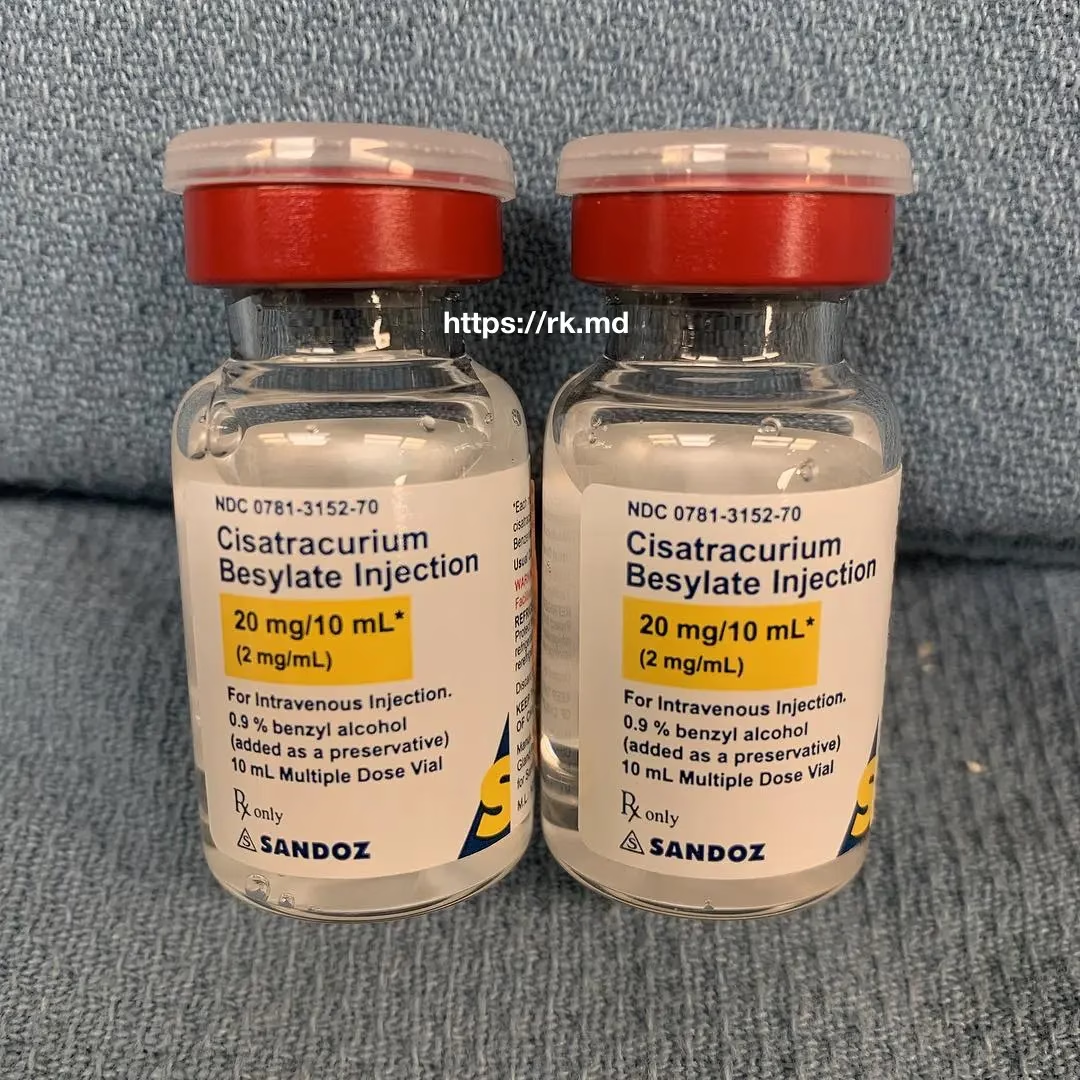
Cisatracurium (Nimbex) is a benzylisoquinolinium non-depolarizing neuromuscular blocking agent (NMBA) that works similar to rocuronium/vecuronium as a competitive nicotinic acetylcholine receptor (AChR) antagonist at the motor endplate.
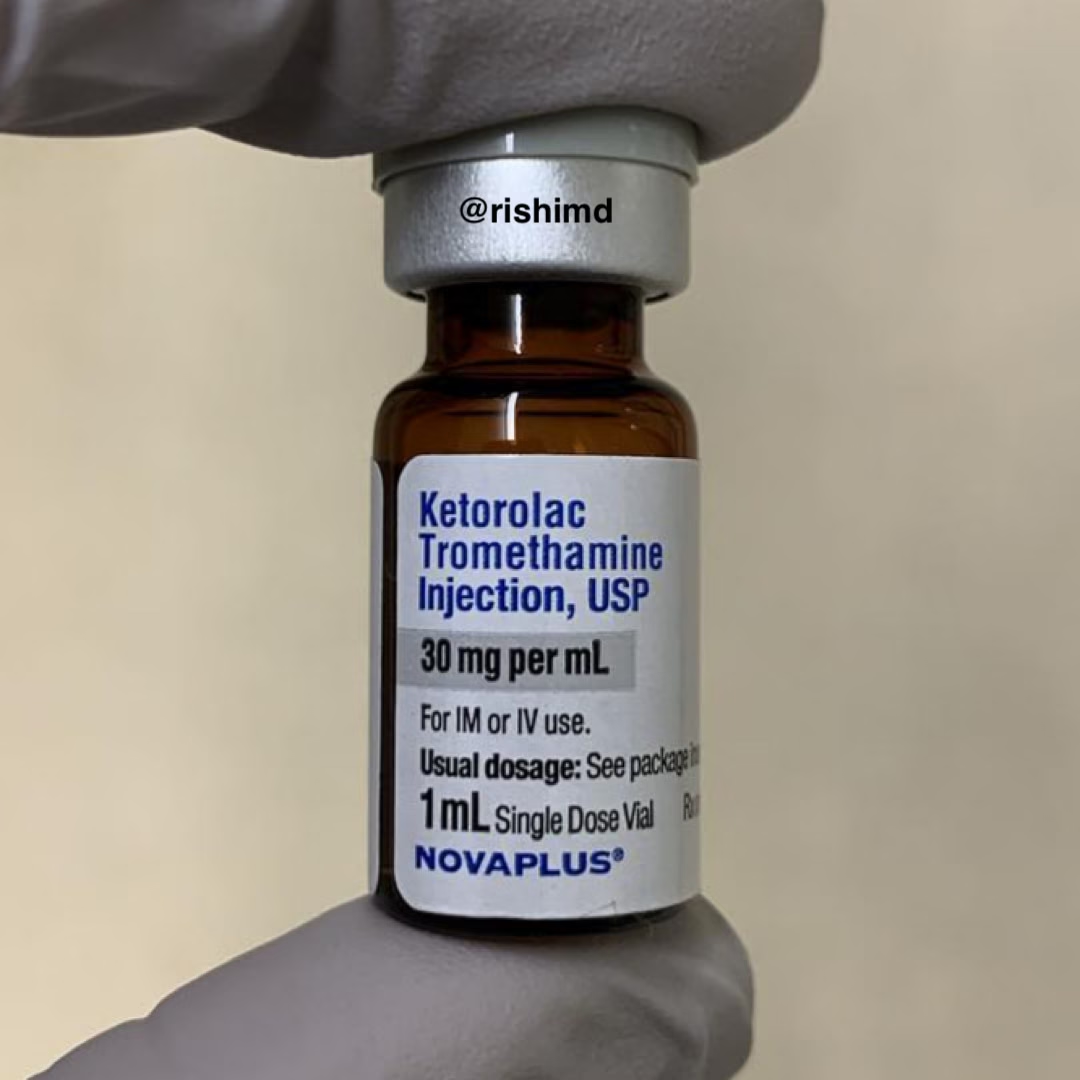
Ketorolac (Toradol) is a nonsteroidal anti-inflammatory drug (NSAID) I use as an analgesic adjunct in the OR and ICU. In some anesthesia texts, a single dose of IV ketorolac is said to confer analgesia equivalent to 10 mg of IV morphine (without narcotic-related side effects)! There’s some evidence from the…
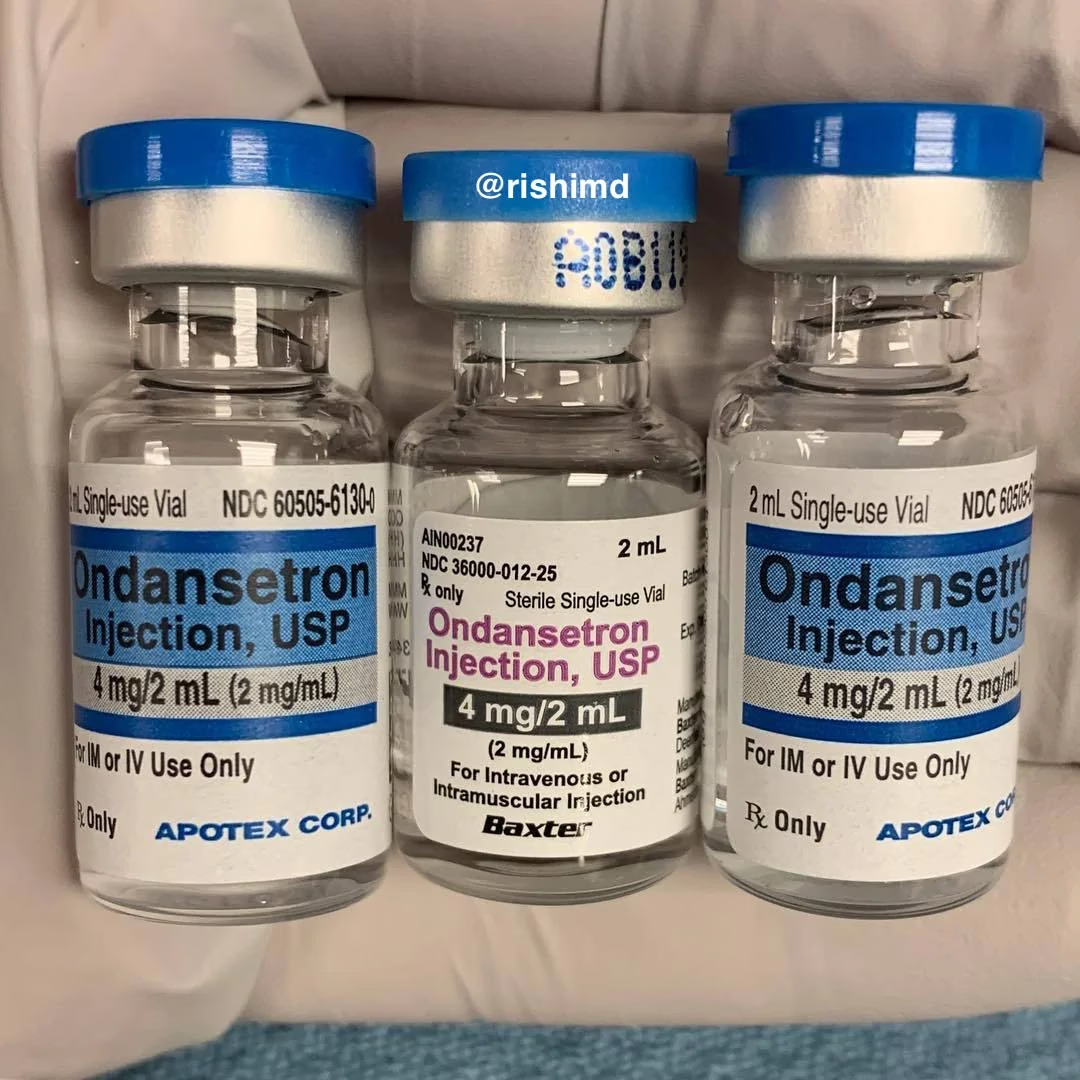
Ondansetron (Zofran) is a common oral and IV medication I use for post-operative nausea/vomiting prophylaxis. It works by antagonizing serotonergic (5-HT3) receptors located in peripheral vagal terminals and in the medulla’s area postrema within the chemoreceptor trigger zone (same place propofol works as an anti-emetic).
