• Two Rescue Drugs I Always Carry On Call

    Two Rescue Drugs I Always Carry On Call

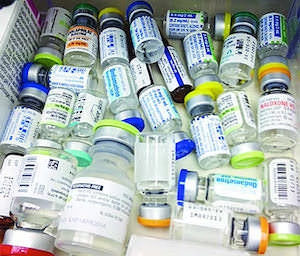
    As seniors, we oversee our junior trainees’ cases while coordinating the case flow through the operating rooms with our front desk during call shifts. While the junior residents and SRNAs check our “stat rooms” and emergent airway boxes prior to preparing for their respective cases, I’ll visit the pharmacy to grab…
    Read More

  • Merck Journal Club – Sugammadex

    Merck Journal Club – Sugammadex

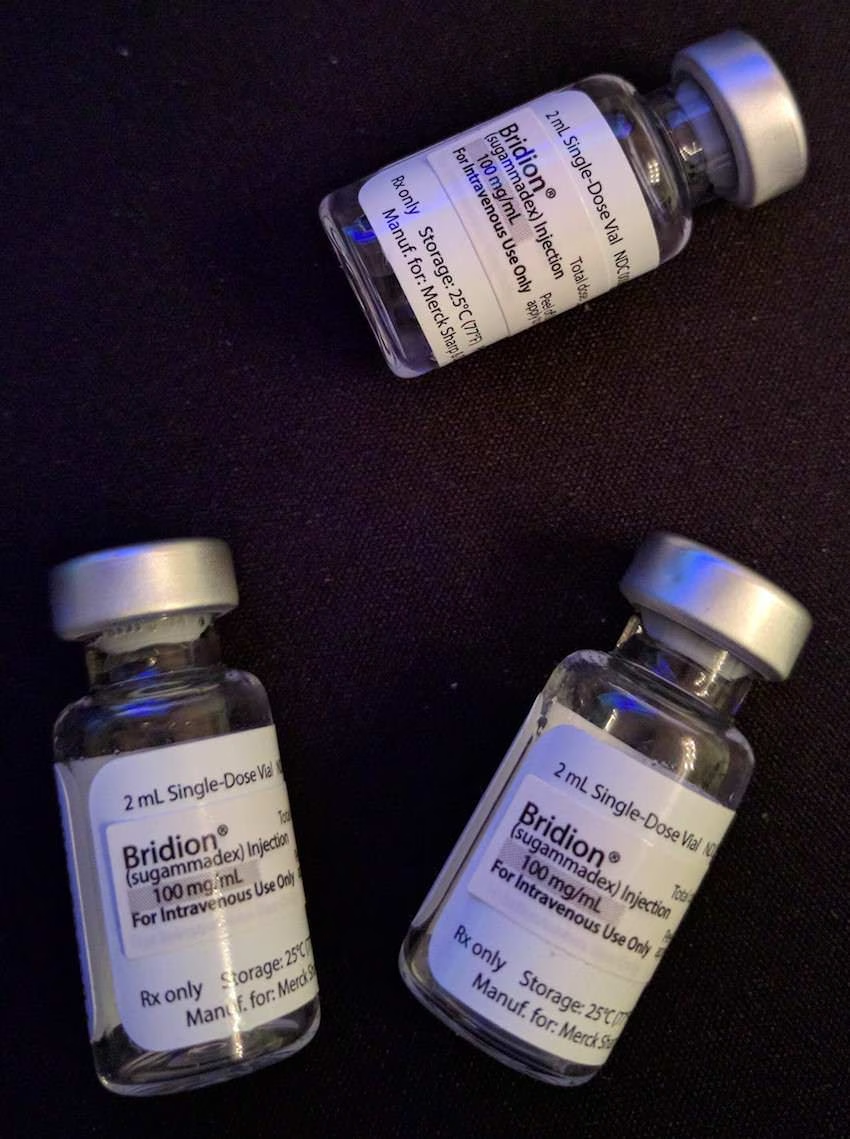
    Merck hosted our first journal club of the academic year yesterday evening at Sullivan’s Steakhouse. The topic: “Clinical Considerations in Neuromuscular Blockade Management” with an emphasis on sugammadex (Bridion). For years, this drug has been used in other parts of the world as a reversal for neuromuscular relaxation due to rocuronium/vecuronium.…

    Read More

  • Heparin Rebound

    Heparin Rebound

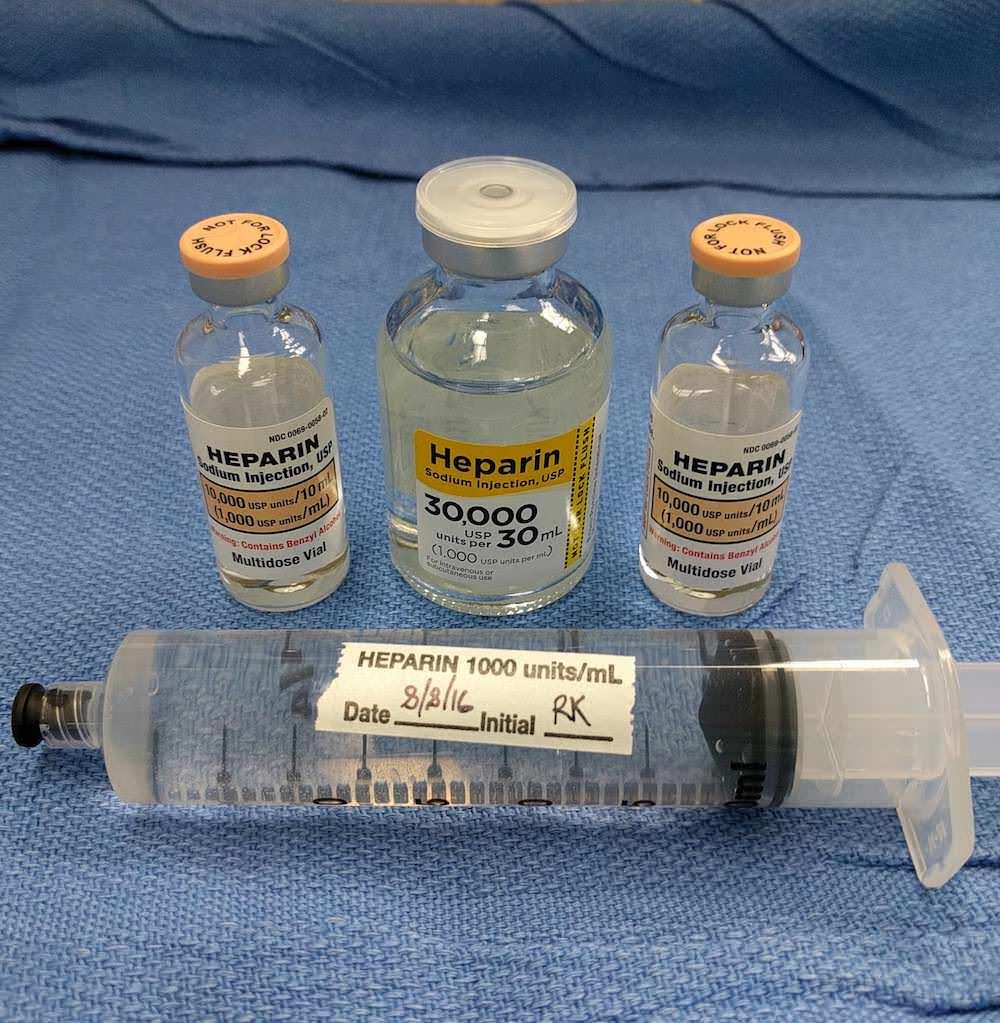
    To minimize the risk of thrombosis on the heart-lung machine, 3-4 mg/kg IV heparin boluses are administered to patients prior to initiating cardiopulmonary bypass. Many institutions also test for adequate heparinization before going on pump using a target activated clotting time (ACT) > 480 seconds. In such large doses, much of the…

    Read More

  • Acute Hemodynamic Management – Aggressive Undertreatment

    Acute Hemodynamic Management – Aggressive Undertreatment

    This post was inspired by a discussion I had with Dr. Les Yarmush, one of my cardiothoracic anesthesia attendings. I’ve become accustomed to titrating many short acting medications to manage hemodynamics in the ICU and operating room arenas. I like to factor in a patient’s comorbidities and “test” their response…

    Read More

  • Alfentanil vs Fentanyl Onset

    Alfentanil vs Fentanyl Onset

    The onset of intravenous narcotic medications (morphine, fentanyl, remifentanil, alfentanil, sufentanil, etc.) is related to their respective lipid solubilities. For example, fentanyl is roughly 600x more lipid soluble than morphine, and therefore has a much faster onset. However, alfentanil is an exception to the rule… and exams love to torture…

    Read More

  • What Drugs Are Used In General Anesthesia?

    What Drugs Are Used In General Anesthesia?

    After consenting my patients for general anesthesia, I’m occasionally asked what drugs will be used during surgery. Without going into too much detail, I refer to our agents by general classes: volatiles, narcotics, muscle relaxants, hypnotics, and reversals. The more medically-inclined patients will often ask for specific names too. Here are…

    Read More

  • FDA Rejects Sugammadex And Exparel’s Expanded Usage
  • Protamine and Insulin – Two Dangerous Drugs
  • Difference Between TID, q8h, and PRN Dosing

    Difference Between TID, q8h, and PRN Dosing

    Let’s start with a Wikipedia reference of medical abbreviations. A lot of these terms deal with the frequency of taking medications. Now, let’s analyze some common pairs: BID (twice a day) versus q12h (every 12 hours); TID (thrice a day) vs q8h (every 8 hours). There is certainly a difference!

    Read More

  • Intravenous Induction Agents – Propofol, Etomidate, Ketamine, and Thiopental

    Intravenous Induction Agents – Propofol, Etomidate, Ketamine, and Thiopental

    “Induction” refers to the first major step in general anesthesia where agents are used to confer sedation and ultimately loss of consciousness. For the most part, induction agents modulate the GABA receptor, the chief inhibitory neurotransmitter of the central nervous system (CNS), altering chloride ion conductance and leading to the hyperpolarization…

    Read More