• National Drug Shortage

    Many patients I’ve encountered on the wards (especially those receiving chemotherapy) have been directly affected by our country’s drug shortage. It’s incredibly disheartening to know they’re receiving suboptimal therapy as many times their prognoses are dismal to begin with. :-(

    Read More

  • Cervical Ripening With Seaweed

    In the course of pregnancy, sometimes it becomes necessary to deliver a baby prior to the mother going into spontaneous labor. Indications for induction of labor (IOL) can include suspected fetal compromise, pregnancy-induced hypertension (PIH), premature rupture of membranes (PROM), and chorioamnionitis.

    Read More

  • Fidaxomicin for Clostridium difficile

    C. difficile is a bacteria part of our normal bowel flora, but when certain antibiotics (namely clindamycin) wipe out the other healthy organisms, C. diff’s growth is left unchecked. C. diff colitis is something I saw all the time in February while working on the gastroenterology service at St. Luke’s,…

    Read More

  • Electroconvulsive Therapy

    Electroconvulsive therapy (ECT) is routinely used to treat refractory depression and catatonia, especially in the elderly where pharmacotherapy could result in undesirable side effects. Essentially, it involves jolting the brain to create a controlled clonic seizure – the patient loses consciousness, has convulsions, and cannot recollect the procedure. I had…

    Read More

  • Basal/Bolus vs Sliding Scale Insulin In The Hospital

    Basal/Bolus vs Sliding Scale Insulin In The Hospital

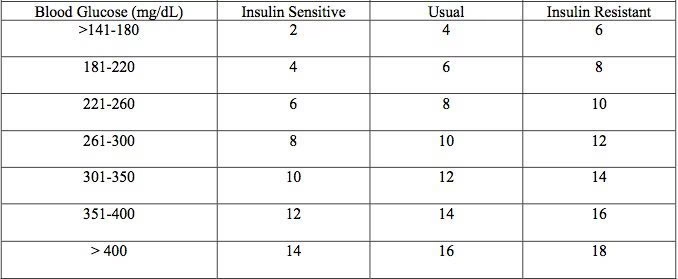
    The overwhelming majority of the patients I’ve encountered on the wards have diabetes mellitus (DM). While there are countless ways to manage DM as an outpatient (insulin injections, biguanides, sulfonylureas, etc.), sliding scale insulin (SSI) seems to be the most routinely used method of controlling blood glucose (BG) for hospital…

    Read More

  • Aldactone and Lasix in Cirrhosis

    Aldactone and Lasix in Cirrhosis

    After all the patients I’ve seen with ascites secondary to hepatic cirrhosis, I wondered why we tend to start them on 100 mg Aldactone (spironolactone) with a 40 mg Lasix (furosemide) adjuvant. What’s the rationale behind this ratio? What’s the added benefit of using two different kinds of diuretics to…

    Read More

  • Pradaxa vs Coumadin – Reducing Stroke Risk in Atrial Fibrillation

    Pradaxa vs Coumadin – Reducing Stroke Risk in Atrial Fibrillation

    Is Pradaxa (dabigatran etexilate) better at reducing the risk for stroke than Coumadin (warfarin) in patients with atrial fibrillation? For many years, Coumadin has been the oral anticoagulant of choice as prophylaxis against thrombus formation in conditions like atrial fibrillation; however, drug interactions with antibiotics, psychiatric drugs, and other drug…

    Read More

  • Treating Hepatitis C with Telaprevir

    Hepatitis C virus (HCV), a liver infection which has been linked to cirrhosis and hepatocellular carcinoma, is a potentially chronic condition if left untreated. Because of its extremely long latency period, patients who have recently contracted the virus can go decades without becoming symptomatic.

    Read More

  • Disulfiram

    Sometimes, medical therapy is just funny. Disulfiram, one of the drugs we had to learn for pharmacology months ago, is a treatment for chronic alcoholism. We’re familiar with antibiotics working with the body’s immune system to destroy bacteria and resolve infections. In this case, antibiotics typically interact directly with the…

    Read More

  • Treating Lupus with Benlysta

    A few months ago, Human Genome Services Inc. (NASDAQ: HGSI) and co-development partner GlaxoSmithKline revealed data from a phase III trial of Benlysta™, a promising new drug for treating systemic lupus erythematosus (SLE), otherwise known as lupus. Their stock had literally tripled within a matter of two open trading sessions…

    Read More