Acetaminophen NAPQI Toxicity
A simple overview of acetaminophen (Tylenol) toxicity:


A simple overview of acetaminophen (Tylenol) toxicity:

In any basic pharmacology course, we’re taught the concept of an “elimination half-life,” or the time it takes to reach 50% of a drug’s initial concentration. However, with more advanced multi-compartmental models of pharmacokinetics, the concept of a “context-sensitive half-time” more accurately describes the interplay between a drug’s distribution in the…

Vasopressin, otherwise known as antidiuretic hormone (ADH), is a peptide hormone synthesized in the hypothalamus and released by the posterior pituitary gland. Its physiologic effects include vascular smooth muscle constriction (via V1 receptors, PLC-IP3 and calcium pathway) and free water retention (via V2 receptors, cAMP/PKA pathway).

Medical jargon is riddled with abbreviations, many of which are universally understood and some of which are very specialized. Yes, I’m looking at you, ophthalmology and OB/GYN. :-P

Furosemide (Lasix) is a loop diuretic that works on the Na/K/2Cl cotransporter in the thick ascending loop of Henle. It’s a medication I routinely use for patients with congestive heart failure (CHF) exacerbations who are retaining extra fluid in their distal extremities, lungs, abdomen, and other dependent areas. In the…

Lidocaine (1 – 1.5 mg/kg) is often given intravenously prior to the induction of general anesthesia for a dual purpose – to mitigate the burning sensation of propofol (attributed to its glycerol additive) and to blunt the response to performing laryngoscopy. Let’s discuss this common practice.
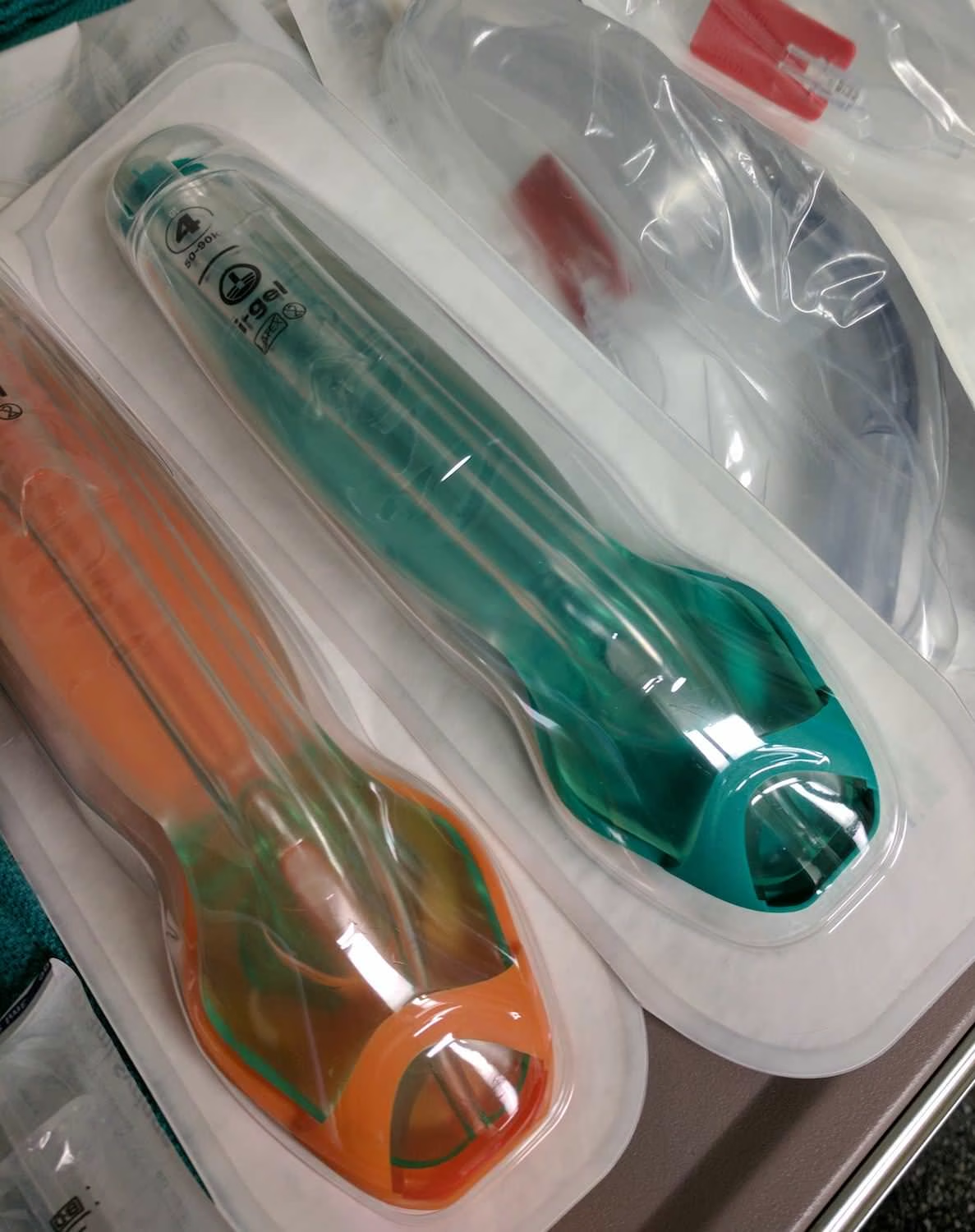
Asleep-awake-asleep craniotomies aim to preserve portions of the eloquent cortex – parts of the brain that are critical for speech, language, motor function, and localization. Patients are awake for brain surgery. I wanted to give a play-by-play of the anesthetic considerations.

Epinephrine (adrenaline). Norepinephrine (noradrenaline). Isoproterenol. Vasopressin. Dopamine. Phenylephrine. Dobutamine. Milrinone. Calcium.

At the time of this writing, there are only three drugs approved by the U.S. Food and Drug Administration (FDA) for the intrathecal (“spinal”) route of administration: ziconotide, morphine, and baclofen.

Many years ago, the FDA set the recommended maximum daily dose of acetaminophen (“Tylenol”) at 4,000 mg. During my training, I’ve seen two common ways to write for scheduled acetaminophen around-the-clock: 650 mg every 4 hours (total of 3900 mg per day) and 1000 mg every 6 hours (total of…