• 50% Dextrose (D50)

    50% Dextrose (D50)

    50% dextrose solution (D50W) typically comes as a 50 cc pre-filled syringe containing 25 grams of dextrose. As a cardiac anesthesiologist and intensivist, I most commonly administer D50W to treat profound hypoglycemia or in conjunction with insulin to induce an intracellular shift of potassium in patients with hyperkalemia. Fortunately, these…

    Read More

  • Safely Drawing Up And Labeling Medications

    Safely Drawing Up And Labeling Medications

    Every day as an anesthesiologist, I reconstitute, draw up, and administer antibiotics, hypnotics, narcotics, paralytics, inotropes/pressors, blood products, fluids, vasodilators, and a myriad of other medications. Each year, the FDA receives over 100,000 reports associated with a suspected medication error causing hospitalization, life-threatening emergency, morbidity, and even death!

    Read More

  • Intralipid

    Intralipid

    Intralipid (20% fat emulsion) is a formulation of intravenous fat primarily of soybean oil, glycerin, and egg yolk-derived phospholipids. As an intensivist, Intralipid provides supplementary nutrition to patients on parenteral nutrition; however, as an anesthesiologist, Intralipid is the “rescue” for local anesthetic systemic toxicity (LAST). Although I’ve never seen this…

    Read More

  • Lactated Ringers And Normosol In Hyperkalemia

    Lactated Ringers And Normosol In Hyperkalemia

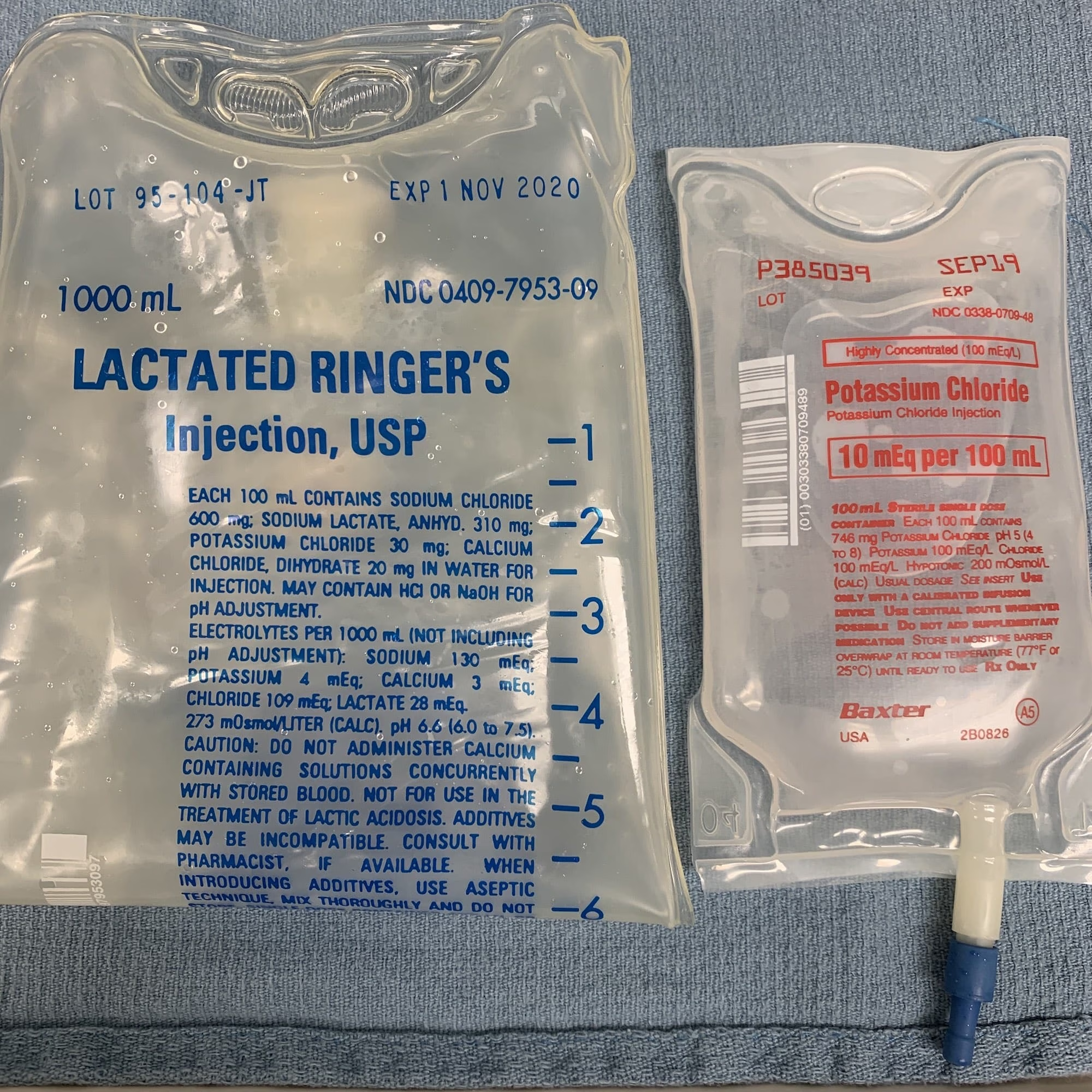
    As an intensivist and anesthesiologist, I spend considerable time pondering the physiology and evidence for practices and questioning dogma rampant in the ICU/OR settings. I’ve heard one recurrent theme: the fear of using Lactated Ringers (LR) and Normosol in patients with renal impairment. Why? Because they both contain potassium (K+),…

    Read More

  • Dantrolene

    Dantrolene

    Dantrolene (RYANODEX) is an intravenous nanosuspension of dantrolene sodium used as a prophylactic and therapeutic agent to treat malignant hyperthermia (MH) – a life-threatening condition triggered by succinylcholine and halogenated volatile anesthetic gases creating sustained skeletal muscle contraction due to a defect in the release/reuptake of calcium. Dantrolene works by…

    Read More

  • Ceftriaxone

    Ceftriaxone

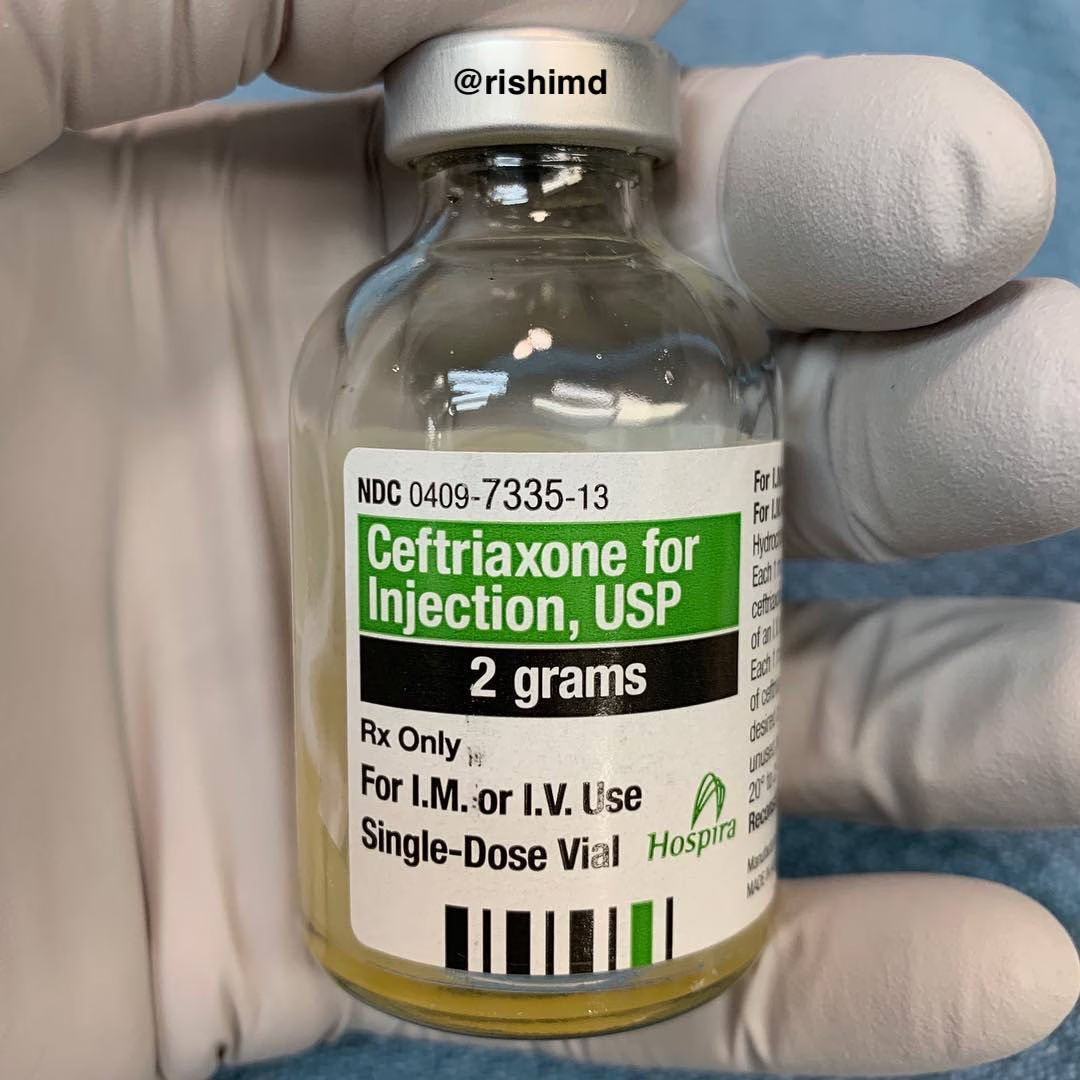
    Ceftriaxone (Rocephin) is an intravenous/intramuscular third generation cephalosporin that provides decent aerobic gram positive coverage (ie, pneumococcus although bacterial resistance is growing) but wonderful gram negative coverage against organisms like E. coli, Klebsiella, H. flu, and Proteus. Anaerobic bacteria and Pseudomonas are NOT covered by ceftriaxone.

    Read More

  • Levetiracetam

    Levetiracetam

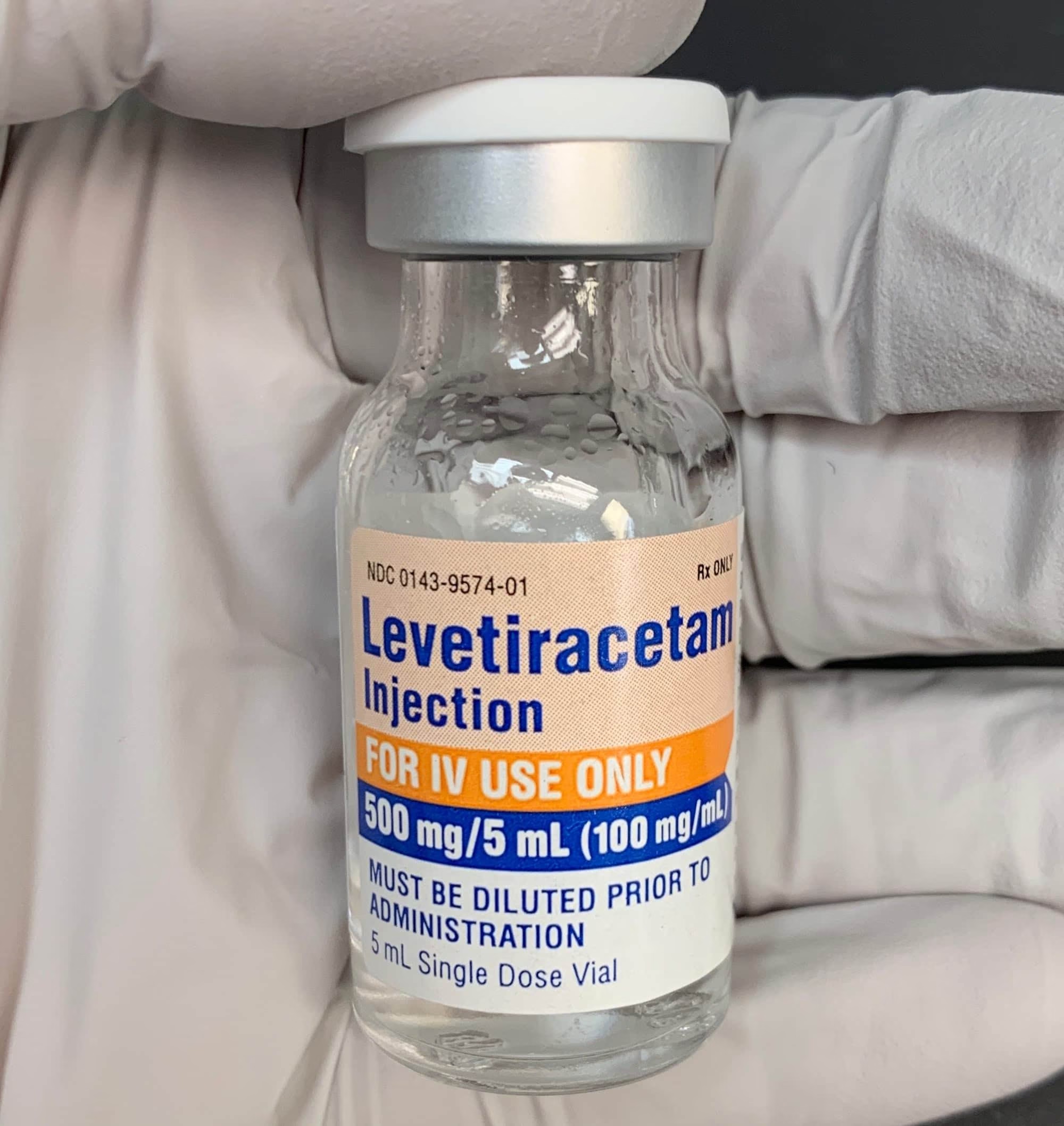
    Levetiracetam (Keppra) is an oral and intravenous antiepileptic drug (AED) indicated as adjunctive therapy for partial onset seizures, myoclonic seizures, and generalized tonic-clonic (“grand mal”) seizures in adults. The medication is used in the pediatric population as well for various reasons beyond my scope of practice. Most AEDs either enhance…

    Read More

  • Vecuronium

    Vecuronium

    Vecuronium (Norcuron) is a nondepolarizing, aminosteroid neuromuscular junction blocker that, like rocuronium, works at the level of neuromuscular end plate’s nicotinic acetylcholine receptors (AChR) as a competitive antagonist. Because it competes with acetylcholine for a similar binding site, vecuronium’s effects can be overcome to increasing the amount of “normal” substrate…

    Read More

  • Cefazolin

    Cefazolin

    Cefazolin (Ancef) is a first generation cephalosporin and arguably the most common antibiotic used for surgical prophylaxis (typically for skin flora). It provides gram positive coverage but only minor gram negative coverage.

    Read More

  • Meropenem

    Meropenem

    Meropenem (Merrem) is a broad spectrum intravenous antibiotic and member of the carbapenem β-lactam drug class. These antibiotics are often reserved for multidrug resistant organisms (MDR) causing a wide variety of serious infections like hospital acquired pneumonia, intraabdominal infections, neutropenic fever, complicated soft tissue infections, and gram negative sepsis.

    Read More