• Zosyn

    Zosyn

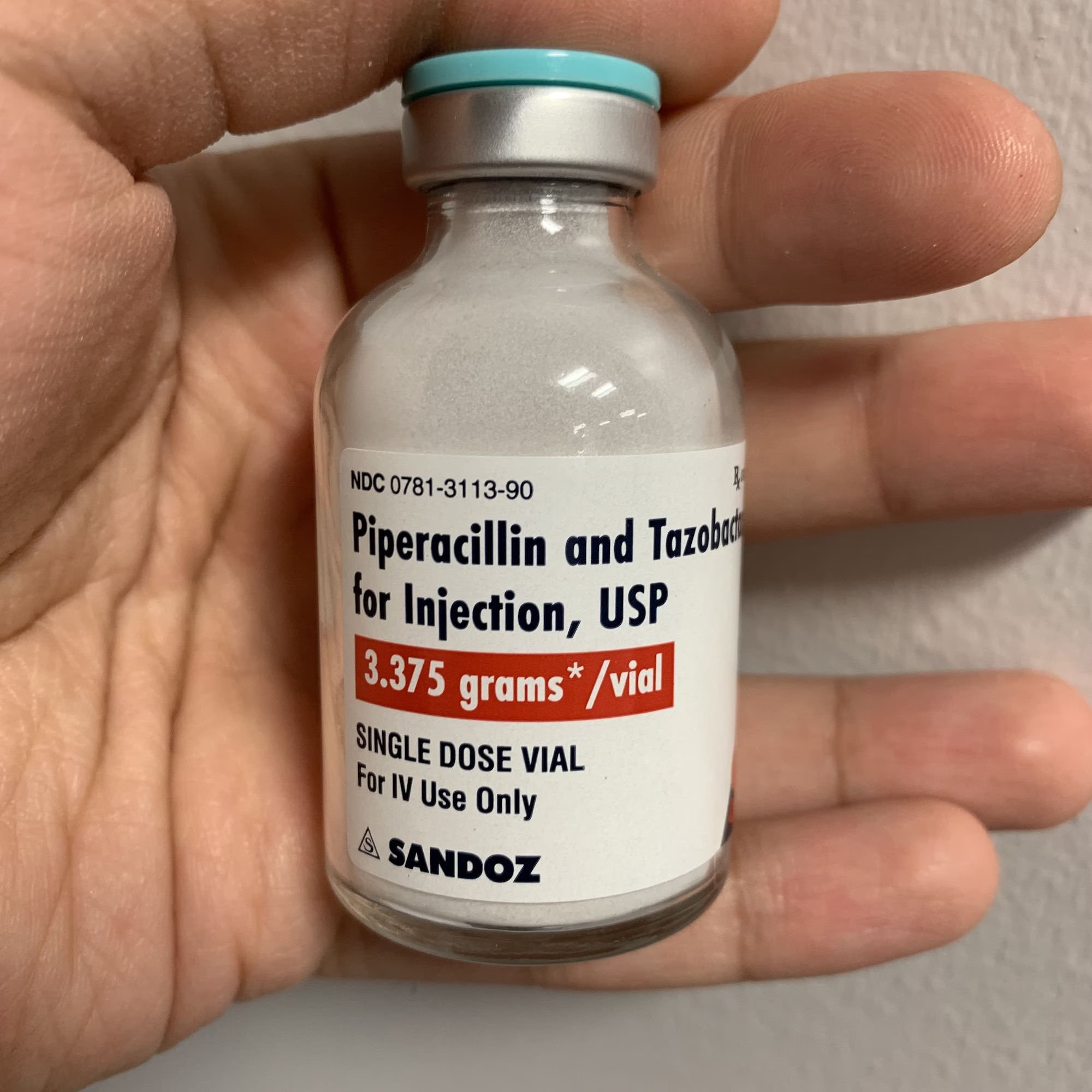
    Zosyn (pipercillin-tazobactam or “pip-tazo”) is an intravenous combination of a β-lactam antibiotic with a β-lactamase inhibitor. β-lactamase is an enzyme implicated in antibiotic resistance that breaks down penicillins, cephalosporins, etc., so inhibiting it may make the antibiotic more efficacious in settings where it would be rendered inactive. Zosyn has gram…

    Read More

  • Cyanokit

    Cyanokit

    Cyanokit (hydroxocobalamin, a form of vitamin B12) is an injectable therapy most often used to treat cyanide toxicity. This medication readily combines with cyanide to form cyanocobalamin thereby freeing cytochrome c oxidase to proceed with aerobic respiration in the electron transport chain.

    Read More

  • Cefepime

    Cefepime

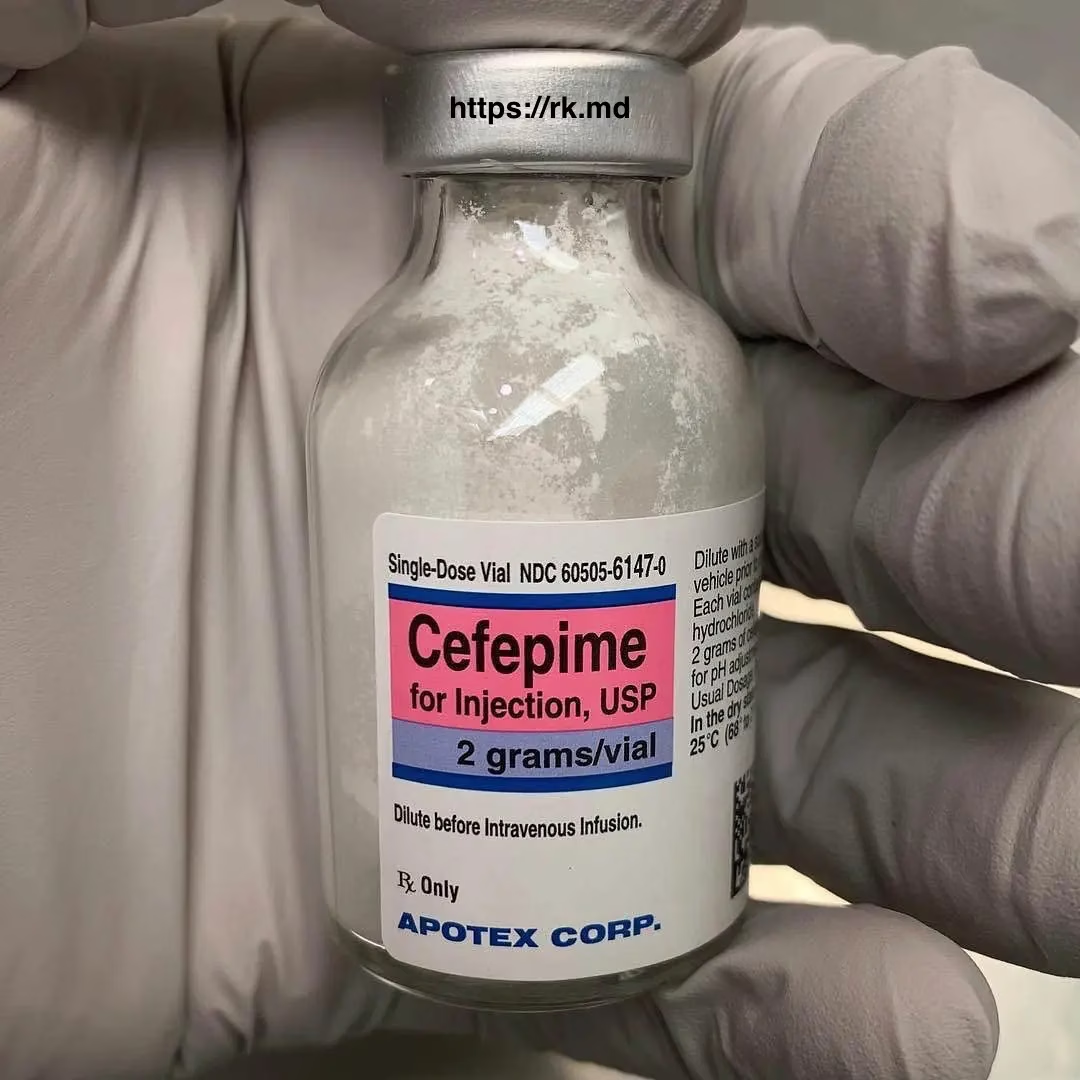
    Cefepime (Maxipime) is a broad-spectrum intravenous antibiotic commonly used to treat infections in inpatient and intensive care settings. Cefepime exerts its antibacterial effect by inhibiting bacterial cell wall synthesis. Specifically, it binds to penicillin-binding proteins (PBPs), essential for cell wall synthesis’s final stages. This results in the inhibition of bacterial…

    Read More

  • Phentolamine

    Phentolamine

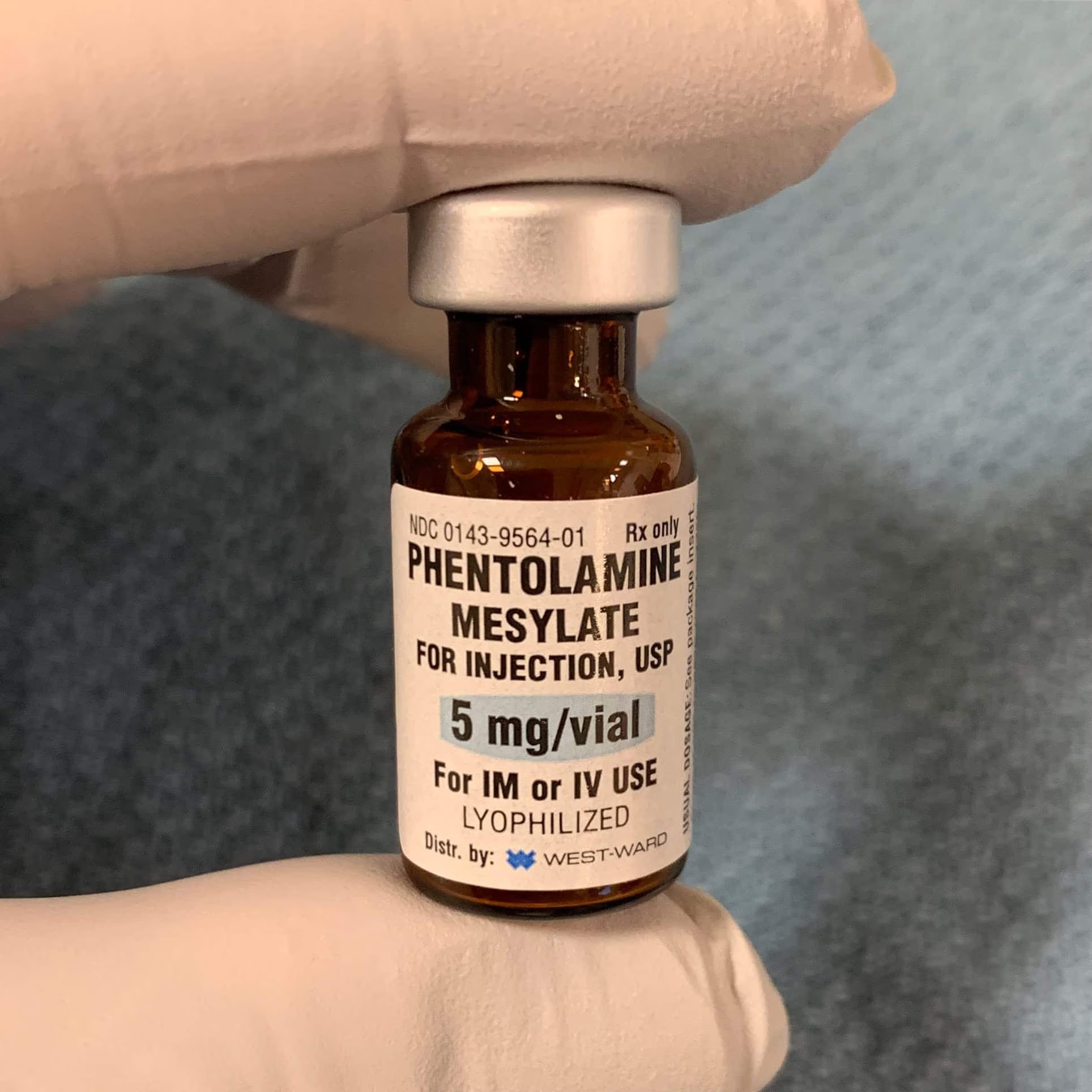
    Phentolamine (Regitine) is a reversible α-1 and α-2 blocker used primarily for its vasodilatory effects. When used to control hypertension, one must consider the autonomic effects of blocking these receptors.

    Read More

  • Sodium Nitroprusside

    Sodium Nitroprusside

    Sodium nitroprusside (SNP, Nipride/Nitropress) is a short-acting, intravenous antihypertensive that directly acts on venous AND arteriolar smooth muscle to cause vasodilation decreasing preload, afterload, and left ventricular (LV) impedance. As an intensivist and cardiac anesthesiologist, I like to separate venodilation from vasodilation with separate agents, so I don’t use nitroprusside…

    Read More

  • Alteplase

    Alteplase

    Alteplase (recombinant tissue plasminogen activator, tPA) is a potent intravenous fibrinolytic (“clot buster”) used for everything from acute ischemic strokes and clearing central line ports (“Cathflo”, a total life saver!) to hemodynamically unstable pulmonary embolism (PE) and even ST elevation myocardial infarctions (STEMIs – “heart attacks”).

    Read More

  • Verapamil

    Verapamil

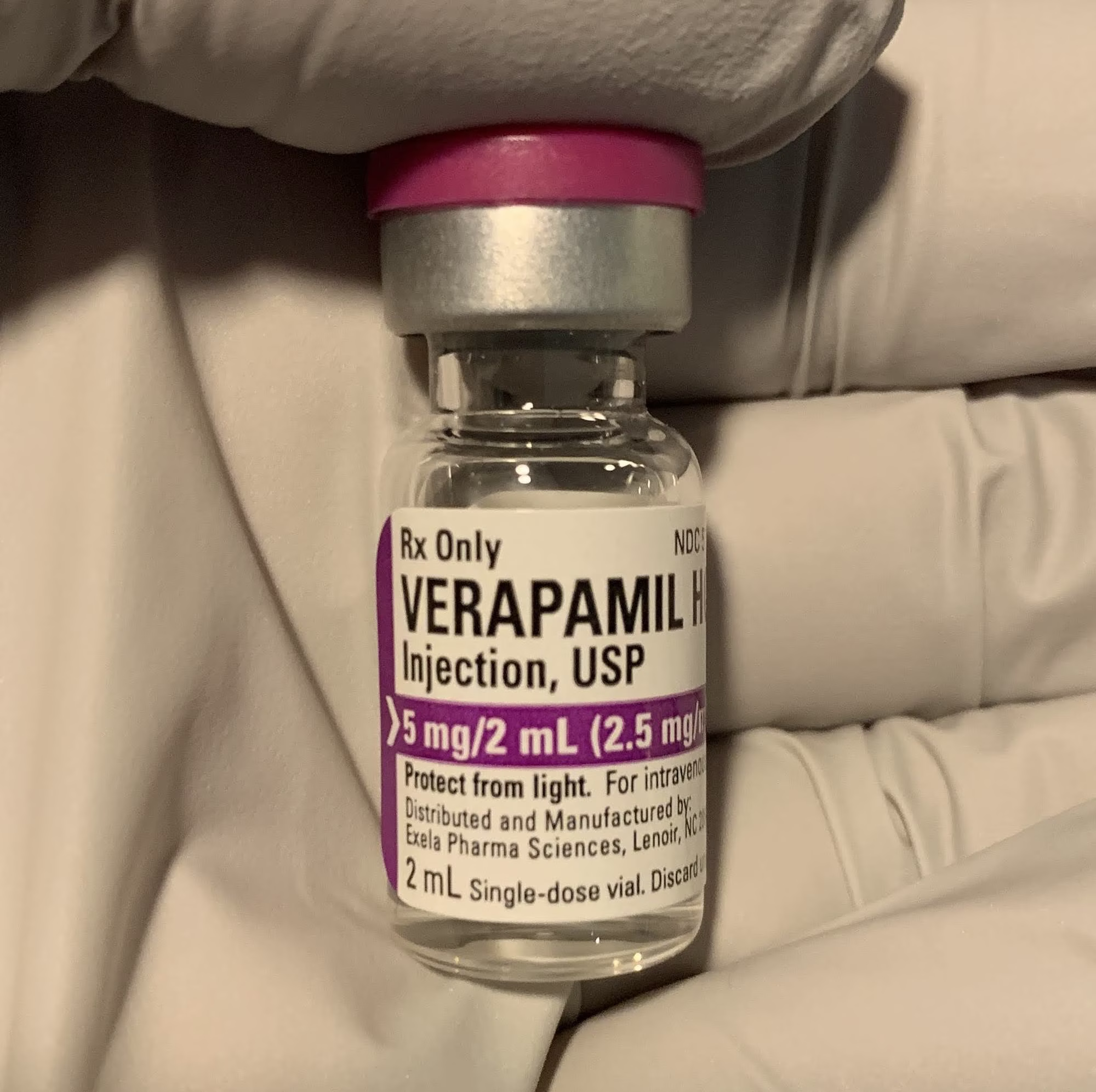
    Verapamil (Calan/Verelan) is an oral and intravenous non-dihydropyridine calcium channel blocker (CCB) which is more selective for L-type calcium channels on cardiac muscle than vascular smooth muscle. In comparison, dihydropyridine CCBs like nicardipine and clevedipine cause more vasodilation.

    Read More

  • Ciprofloxacin

    Ciprofloxacin

    Ciprofloxacin (Cipro) is a relatively inexpensive intravenous, oral, and topical fluoroquinolone antibiotic used to treat a myriad of conditions ranging from complicated urinary tract infections (UTIs) and infectious diarrhea to intraabdominal infections and even the plague and inhalational anthrax post-exposure. This class of bactericidal medications works by inhibiting DNA gyrase…

    Read More

  • Vancomycin

    Vancomycin

    Vancomycin (Vancocin) is a glycopeptide antibiotic primarily used to treat methicillin-resistant Staphylococcus aureus (MRSA) and Clostridium difficile (“C.diff”) colitis with the intravenous and oral forms, respectively. In general, it’s used for “gram positive coverage” (Enterococcus, Staph, etc.). Remember that vancomycin is NOT appropriate therapy for methicillin SENSITIVE Staph (consider oxacillin…

    Read More

  • Albuterol

    Albuterol

    Albuterol (ProAirVentolin/Proventil) is most often used as a short-acting, inhaled therapy for bronchospasm. It works via β-2 agonism – adrenergic receptors that relax bronchial smooth muscle through cyclic AMP-mediated signaling. Levoalbuterol (Xopenex) is the active enantiomer of albuterol and confers better β-2 selectivity to avoid β-1 effects like tachycardia.

    Read More