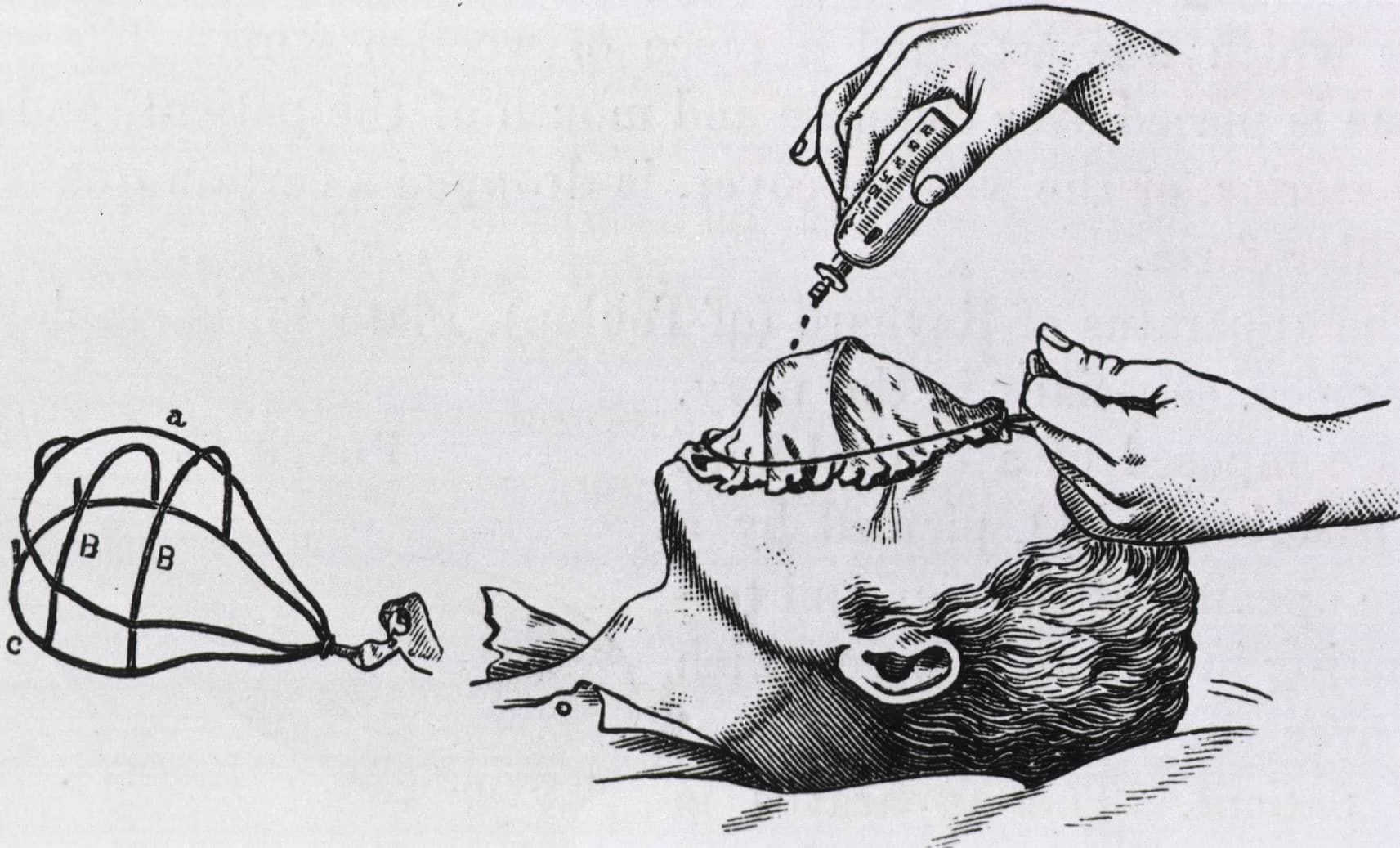
• Finished With My Senior Presentation!

    Finished With My Senior Presentation!

    About six weeks ago, I blogged about how I chose to look at the evidence-based challenges to several dogmas in anesthesiology as my senior presentation. There are countless topics I could have chosen to cover in this presentation (the efficacy of cricoid pressure, vasoactive agents during free-flap repairs, factors in…
    Read More

  • Difference Between MAC and Sedation

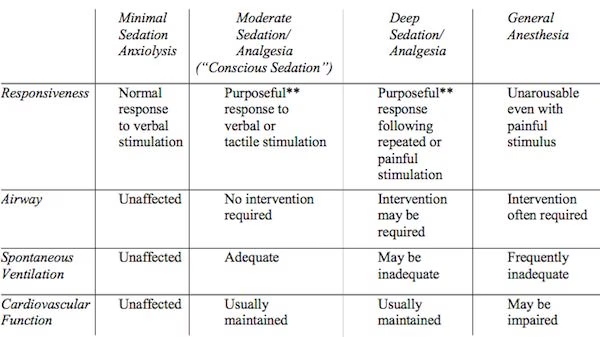
    Difference Between MAC and Sedation

    In the perioperative arena, the terms “MAC” (monitored anesthesia care) and “sedation” are used interchangeably; however, they are not the same. The term MAC has nothing to do with levels of sedation (minimal, moderate, deep, and general anesthesia).

    Read More

  • Tips For Beginning Anesthesiology Residency

    Tips For Beginning Anesthesiology Residency

    Arguably, anesthesiology has one of the largest learning curves right off the bat. Though you’ll rely on the medical knowledge you’ve obtained through medical school and as an intern, clinical anesthesiology is something entirely different. This is what makes entering your first few months a bit unnerving but incredibly exciting! You’re…

    Read More

  • Local Anesthetic For Starting Peripheral IVs (PIVs)

    Local Anesthetic For Starting Peripheral IVs (PIVs)

    I wanted to expand on a previous post regarding the placement of peripheral intravenous (PIV) catheters. Some use a small wheal of local anesthetic to minimize discomfort associated with the IV needle placement in awake patients… especially for large IVs. Place enough subcutaneous wheals of lidocaine, and you’ll hear patients report…

    Read More

  • “The Patient Is Moving!”

    “The Patient Is Moving!”

    Patient movement is a normal, reflexive response to a stimulus not completely blunted by a “light” anesthetic. This does NOT mean the patient is aware of what is happening. These are two entirely different concepts and unfortunately something which many of our surgical colleagues do not understand. That being said,…

    Read More

  • ACGME Minimums For Anesthesiology Residents

    ACGME Minimums For Anesthesiology Residents

    I wanted to share what the accreditation council for graduate medical education (ACGME) deems to be “minimums” for anesthesiology residents to perform over the course of their residency training.

    Read More

  • My Changing Views About Anesthesiology

    My Changing Views About Anesthesiology

    In high school, I distinctly remember viewing the field of anesthesiology as one for the weaklings. Something that’s easy. Something which requires knowing a few drugs, some simple procedures, and having the luxury of doing nothing 95% of the time while surgeons diligently work to save someone’s life as the real…

    Read More

  • World Anesthesia Day!

    World Anesthesia Day!

    Before the 1840s, the advancement of surgery was hampered by a lack of anatomical knowledge, poor aseptic techniques, and especially a lack of safe, reproducible anesthetic techniques. Beyond remedies like alcohol and opium, patients had very little in the way of anesthesia prior to surgery. In 1842, pioneers William Clark…

    Read More

  • “Anesthesia Is More Complicated Than I Thought”

    “Anesthesia Is More Complicated Than I Thought”

    Anesthesiology has a notorious reputation about being a “lifestyle” specialty where providers simply throw in a breathing tube, switch on some gas, and then pull up a chair and play on their tablets while waiting for the surgery to finish. Admittedly, when I first got started with medicine, I shared…

    Read More

  • The Handoff Process

    The Handoff Process

    Intraoperative handoffs of anesthesia care to other providers are commonplace whether it’s for breaks or at shift change. While there’s no “correct” way to do this, I’ve outlined the approach I take.

    Read More